
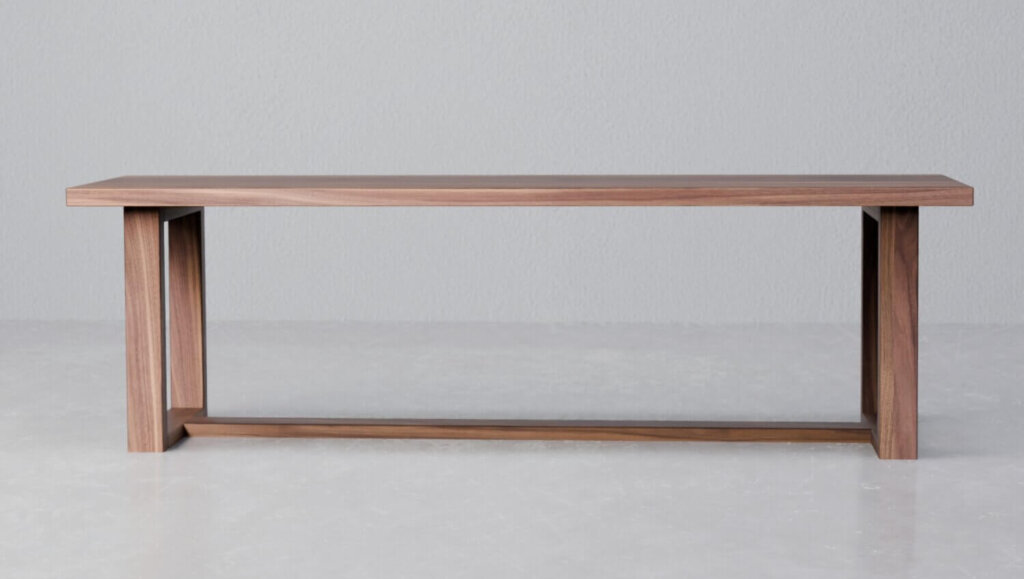
Shop Our Solid Wood Benches
-

The Westbrook Bench
From: $1,000.00 -

The Melissa Bench
From: $900.00 -

The Steel Bennett Bench
From: $800.00 -

Black Walnut Live Edge Bench
From: $650.00 -

The Sheyenne Bench
From: $1,500.00 -

The Broadway Bench
From: $450.00 -

The Bennett Bench
From: $600.00 -

The Frontier Bench
From: $750.00
A solid wood bench isn’t just a piece of furniture—it’s a timeless addition to any space. Whether it’s placed in a cozy corner of our home or out in the garden, it brings a natural warmth and durability that few other materials can match. There’s something about the rich grain and sturdy feel of solid wood that instantly elevates both style and functionality.
We love how versatile a solid wood bench can be. It works beautifully as extra seating, a statement piece, or even a practical storage solution. Plus, with its long-lasting quality, it’s an investment that stands the test of time. From rustic charm to modern minimalism, there’s a design out there to fit every taste and need. Let’s explore why this classic piece deserves a spot in our spaces and how it can transform the way we experience comfort and design.
Overview Of Solid Wood Bench
Solid wood benches combine functionality with timeless design. Their durable construction allows them to endure frequent use, making them suitable for high-traffic areas like entryways, patios, or dining rooms. Hardwood options like oak, teak, and mahogany are particularly favored for their strength and longevity.
The natural grain patterns in solid wood enhance aesthetic value. Whether finished or left raw, they exude warmth and authenticity. Unique textures make every piece one of a kind, catering to diverse interior or exterior styles.
We find that these benches are available in multiple designs. Backless benches provide minimalism, while high-back models add comfort. Storage-integrated options, like lift-top seats or under-seat compartments, balance utility and elegance brilliantly.
With proper care, solid wood benches resist wear and damage over decades. Treatments like sealing and polishing protect against moisture, ensuring their suitability for outdoor environments. These features establish solid wood benches as both practical and stylish furnishings.
Key Features Of A Solid Wood Bench
A solid wood bench combines practical utility with timeless design. Crafted from premium materials, it offers qualities that stand out in furniture pieces.
Durability And Strength
Solid wood benches boast exceptional durability, especially when made from hardwoods like oak, teak, or mahogany. Their dense structure resists warping, cracking, and wear, even in high-traffic spaces. Properly maintained, these benches can last over 20 years, making them a smart, long-term investment.
Natural Aesthetic Appeal
Each solid wood bench features unique grain patterns and textures, creating an unmatched natural beauty. The warm tones of wood enhance any interior or outdoor setting, while finishes like stains or clear coatings further highlight the richness of the material. This uniqueness adds character to every piece.
Versatility In Design
Solid wood benches come in a wide range of styles to complement diverse decor. Minimalist backless designs suit modern spaces, while high-back or armrest models provide added comfort for traditional settings. Many include functional elements like built-in storage or carvings for added visual interest. Customizable dimensions and finishes ensure compatibility with any space or taste.
Pros And Cons Of Solid Wood Benches
Solid wood benches offer a mix of benefits and drawbacks, making it essential to weigh their features before purchasing. Understanding these aspects ensures informed decisions that align with individual needs.
Advantages
- Durability
Solid wood benches, especially those crafted from hardwoods like teak, oak, or mahogany, offer lasting strength. They resist wear and damage, often surviving over 20 years with proper care.
- Aesthetic Appeal
Their natural grain patterns and textures enhance visual appeal. Each bench is unique, adding character to any interior or outdoor space.
- Versatility
Solid wood benches serve multiple roles. They provide seating, function as statement pieces, or meet storage needs with built-in compartments.
- Timeless Design
The classic appearance of solid wood transcends trends, ensuring these benches remain stylish across changing decor preferences.
Disadvantages
- Cost
High-quality solid wood benches, particularly from hardwoods, come with premium pricing. Initial investment can exceed other bench materials like engineered wood or metal.
- Weight
Solid wood benches are heavy, which limits portability. This may be challenging for those needing to frequently rearrange furniture.
- Maintenance Requirements
These benches demand routine care, such as polishing and cleaning, to prevent scratches, discoloration, or moisture damage.
- Environmental Impact
Harvesting hardwoods can impact forests if not sustainably sourced. Choosing certified options like FSC-certified wood mitigates this concern.
How To Choose The Right Solid Wood Bench
Selecting the right solid wood bench involves evaluating multiple factors to ensure it meets your functional and aesthetic needs. By focusing on aspects like wood type, space, style, and upkeep, it’s possible to make a practical and informed choice.
Assess The Wood Type
The wood type determines the bench’s durability, appearance, and longevity. Hardwoods like oak, teak, and mahogany offer exceptional strength and resistance to wear, making them ideal for outdoor use or high-traffic areas such as hallways or patios. Softer woods like pine are less durable but often more affordable and suited for low-use indoor areas. Look for sustainable sourcing certifications like FSC to minimize environmental impact.
Consider Your Space And Style
The bench size and design should harmonize with the space and complement existing decor. Compact, backless options work well in small rooms or minimalist interiors, while high-back designs add comfort and elegance to larger dining areas or living spaces. For outdoor use, consider weather-resistant finishes or naturally resilient woods like cedar or teak. Measure the space to avoid overcrowding and ensure proportionality in the room layout.
Budget And Maintenance Requirements
The price of a solid wood bench varies based on the wood type, craftsmanship, and additional features like storage. Hardwoods generally cost more, but their longevity can make them cost-effective in the long term. Maintenance involves periodic cleaning, resealing, or polishing to retain the bench’s appearance and strength. For a lower-maintenance option, choose a bench with pre-treated finishes or woods like teak that resist decay and weathering without frequent upkeep.
Top Recommendations For Solid Wood Benches
Solid wood benches enhance functionality and aesthetics in any setting, offering durability and timeless appeal. We’ve identified top options tailored for both outdoor and indoor use.
Best For Outdoor Use
Outdoor solid wood benches excel in strength and weather resistance, particularly when crafted from hardwoods. Teak benches, for example, resist moisture and decay, making them ideal for gardens, patios, and parks. Cedar options naturally repel insects and withstand rain, maintaining their appearance without frequent treatments. For modern designs, acacia models offer high durability, rich hues, and UV resistance.
Consider slatted designs for optimal drainage, reducing moisture buildup during rainy seasons. Benches with integrated planters can add greenery and save space in patios. Look for options with weather-resistant finishes to prolong lifespan when exposed to harsh conditions.
Best For Indoor Use
Indoor solid wood benches add utility and design flexibility to entryways, dining areas, or bedrooms. Oak and mahogany models suit high-traffic areas due to their durability and refined finishes. Pine options, though softer, bring a rustic charm and serve well in low-impact spaces. Benches paired with upholstered cushions provide added comfort for dining and seating areas.
Storage bench designs combine practicality with style, featuring compartments for shoes or blankets. Sleek backless models fit beneath tables in dining spaces, offering minimalist appeal. Finished pieces with warm tones or painted finishes align with various decor styles, from classic to contemporary.
Conclusion
A solid wood bench is more than just a piece of furniture; it’s a blend of functionality, style, and longevity. Its natural charm and versatility make it a standout choice for any space, whether you’re looking to elevate your home’s interior or create a welcoming outdoor setting.
With countless designs, wood types, and finishes to choose from, there’s a solid wood bench to suit every need and taste. By considering factors like durability, maintenance, and sustainability, we can invest in a piece that not only complements our lifestyle but also stands the test of time.
Frequently Asked Questions
Why should I choose a solid wood bench over other materials?
Solid wood benches offer exceptional durability, unique natural aesthetics, and timeless appeal. They provide versatility, making them suitable for both indoor and outdoor use. Hardwoods like oak and teak resist wear and damage, ensuring long-term use with proper care.
What are the best types of wood for solid wood benches?
Hardwoods such as oak, teak, mahogany, and cedar are ideal due to their strength, durability, and resistance to warping or decay. Teak and cedar are particularly great for outdoor use, while oak and mahogany excel in high-traffic indoor areas.
Are solid wood benches suitable for outdoor use?
Yes, solid wood benches are perfect for outdoor use, especially when made from weather-resistant woods like teak, cedar, or acacia. Proper treatment and maintenance, such as sealing or oiling, can further enhance their longevity in outdoor environments.
What style options are available for solid wood benches?
Solid wood benches come in various styles, including backless, high-back, and storage models. Backless designs are minimalist, while high-back options provide added comfort. Storage benches offer functionality, and different finishes and dimensions can suit any decor preference.
How long do solid wood benches last?
With proper care, solid wood benches can last over 20 years. High-quality hardwoods resist cracking, warping, and damage, making them a smart long-term investment for both indoor and outdoor settings.
What maintenance is required for a solid wood bench?
Maintenance includes regular cleaning, occasional polishing, and protective treatments like sealing or oiling to prevent moisture, cracking, or UV damage. Outdoor benches may require weather-resistant finishes to enhance durability.
Are solid wood benches environmentally friendly?
Solid wood benches can be eco-friendly if sourced from sustainable forestry practices. Look for products certified by organizations like the FSC (Forest Stewardship Council) to ensure environmentally responsible purchasing decisions.
Can I customize the size and finish of a solid wood bench?
Yes, many solid wood benches are customizable in terms of size, finish, and design. This allows you to tailor the bench to fit your space, style preferences, and functional needs.
Are solid wood benches expensive?
Solid wood benches are often more expensive than furniture made from other materials like MDF or plywood. However, their durability, aesthetic appeal, and long lifespan make them a worthwhile investment.
Do solid wood benches work well in small spaces?
Yes, compact solid wood bench designs, such as backless or storage benches, are ideal for small spaces. Their dual functionality and minimalist style can optimize space utilization while enhancing the decor.
Shop Our Solid Wood Benches
-
The Westbrook Bench
From: $1,000.00 -
The Melissa Bench
From: $900.00 -
The Steel Bennett Bench
From: $800.00 -
Black Walnut Live Edge Bench
From: $650.00 -
The Sheyenne Bench
From: $1,500.00 -
The Broadway Bench
From: $450.00 -
The Bennett Bench
From: $600.00 -
The Frontier Bench
From: $750.00