
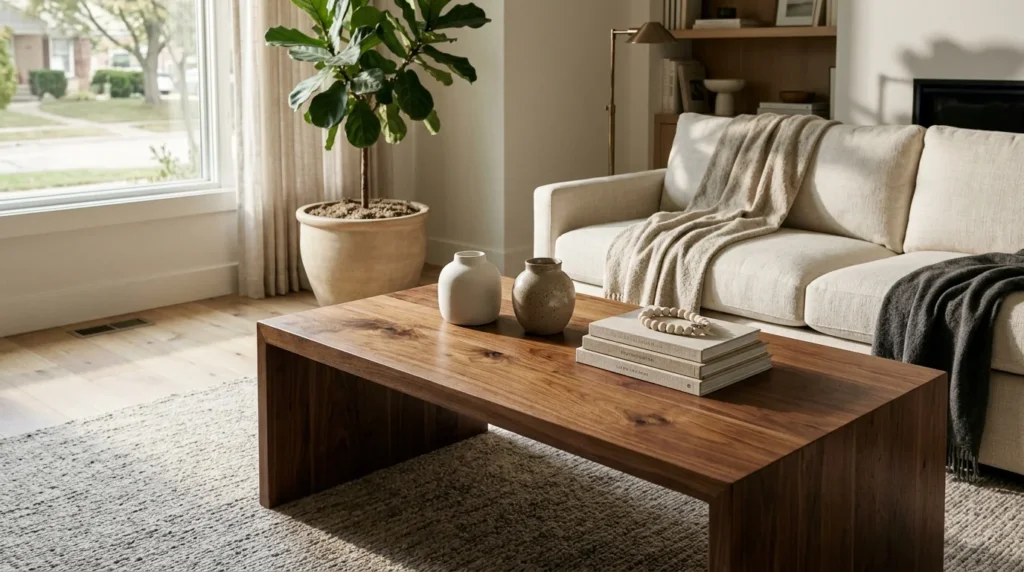
Shop Our Handmade Coffee Tables
-

The Dakota Coffee Table
From: $1,400.00 -

The Addison Coffee Table
From: $1,200.00 -

The Broadway Coffee Table
From: $1,000.00 -

The Sedona Coffee Table
From: $1,200.00 -

The Bennett Coffee Table
From: $1,100.00 -

The Prescott Coffee Table
From: $1,400.00 -

The Dakota Live Edge Coffee Table
From: $1,500.00 -

The U-Shaped Hardwood Coffee Table
From: $1,000.00 -

The Westbrook Square Coffee Table
From: $1,800.00 -

The Atlas Coffee Table
From: $1,250.00


There’s something special about a handmade coffee table that instantly transforms a living space. It’s not just a piece of furniture—it’s a statement, a conversation starter, and a reflection of personal style. Unlike mass-produced options, these tables carry the charm of craftsmanship and the uniqueness of being one-of-a-kind.
I’ve always admired how handmade coffee tables blend functionality with artistry. Whether it’s the warmth of natural wood, intricate designs, or custom finishes, they add character and depth to any room. Plus, knowing the care and skill that went into creating each piece makes it even more meaningful. If you’re looking to elevate your home with a touch of authenticity, a handmade coffee table might just be the perfect fit.
What Are Handmade Coffee Tables?
Handmade coffee tables are custom-crafted furniture pieces created by artisans. Unlike mass-produced counterparts, these tables showcase unique designs, high-quality materials, and attention to detail. Each piece reflects the skill and creativity of the maker, resulting in a one-of-a-kind product.
Artisans use various materials, including solid wood, metal, and glass, to craft these tables. For instance, reclaimed wood may be repurposed to create rustic styles, while metal elements can introduce an industrial aesthetic. The materials often dictate the table’s durability and visual appeal.
Customization is a key feature of handmade coffee tables. Buyers can often select dimensions, finishes, and styles that match their interior décor. This flexibility ensures the table not only serves its functional purpose but also harmonizes with the overall design of the space.
These tables emphasize sustainability and craftsmanship. Use of eco-friendly materials, such as reclaimed or sustainably sourced wood, supports environmental responsibility. Handmade processes also reduce the reliance on machinery, lowering carbon footprints compared to factory-made alternatives.
Benefits of Handmade Coffee Tables
Handmade coffee tables offer exceptional value by combining beauty, durability, and functionality. These artisan-crafted pieces create a sense of individuality that mass-produced furniture cannot replicate.
Aesthetic Appeal
Artisans design handmade coffee tables to reflect unique styles and creativity. Many feature intricate details, such as carved edges, inlaid patterns, or natural wood grains that stand out in any living space. Customization allows for endless possibilities, from rustic farmhouse designs to sleek modern finishes. Reclaimed materials, like aged wood or antique metal accents, enhance their character and uniqueness.
Durability and Longevity
Handmade coffee tables are built using high-quality materials and superior craftsmanship. Solid hardwoods like oak, maple, and walnut, often preferred for their strength, ensure long-lasting durability. Artisans carefully assemble each piece to maximize stability even under daily use. These tables outlast mass-produced items since they’re designed with attention to detail and use materials resistant to wear and tear over time.
Versatility in Design
Handmade coffee tables offer unmatched versatility, catering to various interior styles and functional needs. Artisans design these tables to harmonize with diverse aesthetics, including modern, rustic, industrial, and mid-century. For example, a minimalist table with clean lines complements contemporary spaces, while a reclaimed wood table suits farmhouse or vintage-inspired homes.
Customizable features enhance their adaptability. Customers can choose from different sizes, shapes, and finishes to fit specific room dimensions or design preferences. Options like round, rectangular, or oval shapes address spatial needs, while finishes range from natural wood tones to painted or stained surfaces for added personalization.
Innovative designs extend their versatility further. Many handmade coffee tables incorporate features like storage compartments, nested designs, or convertible tops that double as desks or dining surfaces. These features add functionality without compromising aesthetics, making the tables practical choices for small spaces or multi-use areas.
Material combinations also play a role in design adaptability. A mix of wood and metal introduces industrial charm, while the pairing of glass and wood evokes an elegant and modern vibe. Such combinations ensure a handmade coffee table fits seamlessly into any design scheme.
Types of Handmade Coffee Tables
Handmade coffee tables come in various styles, each showcasing the artistry and craftsmanship of skilled artisans. These designs range from classic to contemporary, meeting diverse aesthetic and functional needs.
Traditional Styles
Traditional handmade coffee tables often feature timeless designs crafted from high-quality materials like solid wood, including oak or mahogany. Artisans may include intricate details such as carved legs, scalloped edges, or decorative inlay patterns to emphasize their classic charm. These pieces typically align with traditional or formal interiors, offering warm finishes such as natural wood tones or rich stains. Examples include French country tables with curved frames or Victorian-inspired designs with ornate hand-carving.
Modern Designs
Modern designs reflect minimalist principles, focusing on clean lines, geometric shapes, and practical use of space. Handmade tables in this category frequently incorporate mixed materials like wood and metal or glass for a sleek, understated appearance. Artisans may use lighter woods, such as maple or ash, and finishes, including matte or oil-based coatings, to create contemporary appeal. Examples of such designs include steel frame tables with wooden tops or ultra-modern glass-top tables supported by sculptural bases. Custom options add versatility, allowing for asymmetry or bold color choices to accentuate unique modern aesthetics.
Finding the Right Size and Shape
The size and shape of a handmade coffee table influence both its functionality and visual balance within a space. Selecting the ideal dimensions and style enhances comfort while complementing the room’s aesthetics.
Measuring Your Space
I measure available floor space to determine the coffee table’s maximum dimensions. For ideal placement, I ensure at least 16-18 inches of clearance between the sofa and table, allowing comfortable movement while maintaining accessibility. Rooms with sectional sofas or larger seating areas often benefit from tables ranging from 48-54 inches in length, while compact spaces may require smaller options around 30-36 inches.
Additionally, I align the table’s height with the seating. Typical coffee tables are 16-18 inches tall, matching standard sofa heights. If the sofa has a low or high profile, I opt for a table that adjusts proportionately to maintain functionality and aesthetic harmony.
Choosing Between Round and Rectangular
Round and rectangular coffee tables suit different room layouts and seating configurations. I pick a round table for compact or intimate spaces to soften angular room features and facilitate smooth movement around it. It pairs well with small sectionals or love seats, offering a cozy, unobtrusive design.
Rectangular tables work best in larger rooms with long sofas or sectional arrangements. Their elongated shape provides ample surface area for decorative items, books, or beverages. For smaller spaces, I explore slim rectangular designs to save floor space without compromising usability.
Maintenance Tips for Handmade Coffee Tables
Handmade coffee tables require proper care to preserve their beauty and durability. Following these maintenance tips can help extend their lifespan while maintaining their originality.
Cleaning and Care
I recommend dusting the surface regularly with a soft, lint-free cloth to prevent buildup. For light stains, a damp, non-abrasive cloth works well, but always dry the area immediately after cleaning. Use furniture wax or polish designed for the specific material, applying it sparingly to enhance the table’s finish and protect against wear. For tables with glass components, specialized glass cleaners can give a streak-free result, ensuring clarity without impacting adjoining materials like wood or metal.
Preventing Damage
Keeping handmade coffee tables away from direct sunlight helps prevent fading or warping of wood materials. Always use coasters and placemats under drinks, plates, or hot items; water rings and heat marks can permanently damage surfaces. For tables made of reclaimed wood, avoid excess exposure to moisture, as this can compromise the structural integrity. Adding felt pads to decorative items and table legs reduces the risk of scratches, particularly on delicate finishes or flooring surfaces. I suggest placing the table in a low-traffic area if possible, minimizing accidental bumps or heavy impacts.
Conclusion
Handmade coffee tables are more than just furniture—they’re a fusion of artistry, functionality, and individuality. Their ability to elevate any living space while offering durability and sustainability makes them a worthwhile addition to any home. Whether you’re drawn to rustic charm, modern minimalism, or timeless elegance, there’s a handmade coffee table to suit your style and needs. Investing in one not only enhances your décor but also supports skilled craftsmanship and eco-friendly practices.
Shop Our Handmade Coffee Tables
-

The Timberline Coffee Table
From: $1,250.00 -

The Ironwood Coffee Table
From: $1,250.00 -

The Summit Coffee Table
From: $1,250.00 -
The Atlas Coffee Table
From: $1,250.00 -
The Westbrook Square Coffee Table
From: $1,800.00 -
The U-Shaped Hardwood Coffee Table
From: $1,000.00
Trusted by Industry Leaders
Join the Journal
New writing, delivered occasionally.
Quiet notes on craft, materials, and finished pieces — sent only when there's something worth reading.