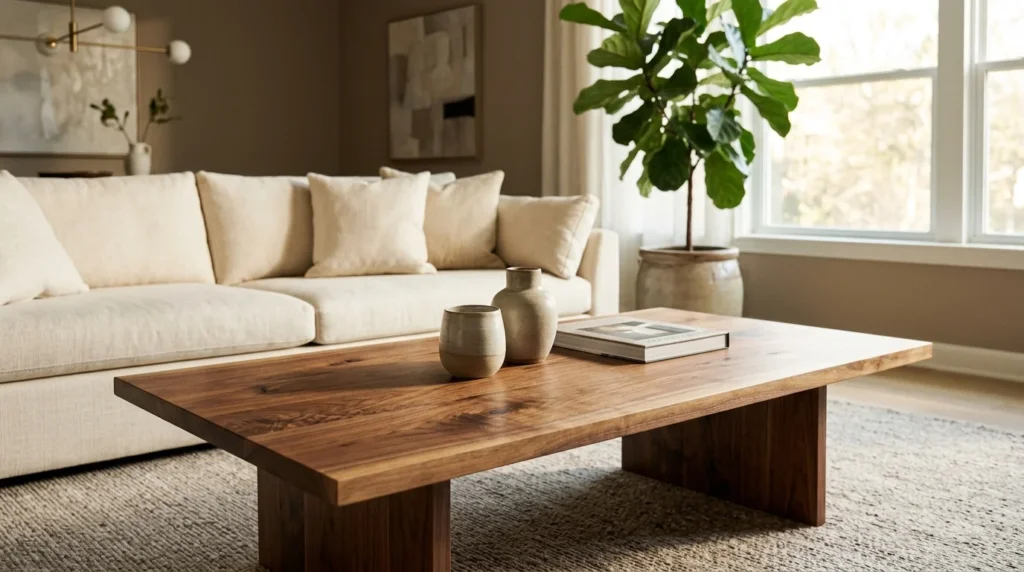
There’s something special about a handcrafted coffee table. It’s not just a piece of furniture—it’s a statement, a centerpiece that brings warmth and character to any living space. Unlike mass-produced options, these tables carry the charm of individuality, each one telling its own unique story through the craftsmanship and materials used.
I’ve always admired how a well-made coffee table can transform a room. Whether it’s rustic wood, sleek modern designs, or intricate details, handcrafted tables blend functionality with artistry. They’re more than just practical—they’re a reflection of personal style and taste, making them a timeless addition to any home.
What Are Handcrafted Coffee Tables?
Handcrafted coffee tables are uniquely designed furniture pieces made by skilled artisans, not machines. They showcase attention to detail and often incorporate high-quality materials like solid wood, metal, or glass. Their designs range from traditional to contemporary, offering options that fit diverse interior styles.
Each table has a distinct character because of the techniques and materials used. For example, reclaimed wood adds rustic charm, while polished hardwood emphasizes elegance. Since these tables avoid mass production, no two pieces look identical, ensuring personalized appeal.
Durability is another hallmark of handcrafted coffee tables. Artisans prioritize robust construction, creating furniture meant to last for decades. These tables balance functionality and aesthetics, offering sturdy surfaces for daily use while enhancing a room’s visual appeal.
Benefits of Handcrafted Coffee Tables
Handcrafted coffee tables bring more than functionality to a living space. They offer unique advantages that elevate the aesthetics and usability of any home.
Aesthetic Appeal
These tables stand out with their distinctive designs. Skilled artisans create pieces with intricate craftsmanship, ensuring each table reflects attention to detail. Materials like reclaimed wood or polished hardwood add character and richness to the decor. Hand-finished surfaces highlight natural grains and textures, giving the table a unique charm. Combining artistic design with high-quality materials allows these coffee tables to enhance any interior style, from rustic to modern.
Durability and Longevity
Quality craftsmanship ensures exceptional durability. Handcrafted coffee tables use robust materials like solid wood or metal, making them capable of withstanding daily use. Artisans focus on precise construction techniques, delivering furniture with structural integrity. By incorporating sturdy joinery and premium materials, these tables maintain their function and aesthetic appeal for decades. This longevity makes them both a practical and sustainable investment.
Versatility in Design
Handcrafted coffee tables offer diverse design options to suit any interior. From compact round tables to expansive rectangular ones, these tables adapt to different room layouts and sizes. Styles vary widely, including mid-century modern, industrial, farmhouse, and minimalist approaches.
Material combinations enhance flexibility in aesthetics. Pairing solid wood with metal legs creates a rustic yet contemporary look, while integrating glass tops lends a sleek, sophisticated appeal. These designs cater to both traditional and modern decor preferences.
Customization ensures each piece aligns with specific needs. Artisans craft tables with optional features like storage compartments, adjustable heights, or modular elements. This adaptability makes handcrafted coffee tables an excellent addition to spaces with unique functional or stylistic requirements.
Types of Handcrafted Coffee Tables
Handcrafted coffee tables come in a variety of styles, each catering to different tastes and home decor themes. These types are defined by their construction techniques, materials, and design aesthetics.
Traditional Styles
Traditional handcrafted coffee tables often feature timeless designs with intricate detailing. They use solid materials like mahogany, walnut, or oak to create pieces that exude elegance. Many showcase ornate carvings, curved legs, and rich finishes, offering a classic appeal. Examples include Queen Anne-style tables or Victorian-inspired designs, which complement formal interiors or vintage aesthetics.
These tables often incorporate functional elements, such as drawers or lower shelves, providing both beauty and utility. Artisans carefully craft these tables to ensure lasting durability while preserving their timeless charm.
Modern Designs
Modern handcrafted coffee tables prioritize clean lines, simplicity, and innovative material combinations. Styles like mid-century modern feature sleek hardwood surfaces and tapered legs, while minimalist tables use solid wood or glass tops paired with metal frames for a streamlined look.
Geometric shapes and mixed materials, such as reclaimed wood with steel accents or marble surfaces with brass details, are common. Artisans often integrate practical features, such as modular designs or hidden compartments, to enhance functionality while maintaining an ultra-modern aesthetic.
Finding the Right Size and Shape
Selecting the perfect handcrafted coffee table involves considering its size and shape to ensure cohesion with your space and style. These factors impact the functionality and visual balance of your living area.
Measuring Your Space
I consider the available space before choosing a coffee table. Start by measuring the distance between the seating pieces and other nearby furniture; a clearance of 12-18 inches ensures comfortable movement. The table’s length typically matches two-thirds of the sofa’s length, providing visual proportion. For height, it should align with the seating’s cushions, generally 16-18 inches for standard sofas or 20 inches for higher seating.
Leave adequate surrounding space by assessing the room’s layout. In compact spaces, opt for smaller, minimalist tables, while larger rooms can accommodate longer or wider options. Incorporating these guidelines avoids overcrowding and ensures functionality.
Choosing Between Round and Rectangular
I select the coffee table’s shape based on the room’s layout and personal preference. Rectangular tables complement standard living rooms with parallel seating arrangements, offering ample surface area for displays or functional use. Round tables, on the other hand, fit well in smaller or unconventional spaces, softening angular layouts while improving flow.
A rectangular table works well for long or narrow rooms, but a round shape adds aesthetic appeal in square or tighter layouts. For flexibility, I sometimes combine shapes, such as pairing nesting tables, mixing a rectangular table with circular accents, or adapting designs in multifunctional spaces.
Maintenance Tips for Handcrafted Coffee Tables
Proper maintenance ensures handcrafted coffee tables retain their charm and durability over time. Simple cleaning routines and preventive measures can protect their unique finishes and structural integrity.
Cleaning and Care
Regular cleaning enhances the appearance and lifespan of handcrafted coffee tables. I dust the surface with a soft, lint-free cloth at least once per week to prevent buildup. For deeper cleaning, I use a slightly damp cloth with a mild soap solution, avoiding harsh chemicals that can damage the finish. Afterward, I dry the surface immediately to prevent moisture absorption.
For wood tables, I apply furniture polish or wax every 6-12 months to maintain their luster. Glass elements require non-abrasive glass cleaners, ensuring no scratching occurs. Metal accents stay rust-free if wiped regularly and treated with a metal-specific cleaner when tarnish appears.
Preventing Damage
Protective measures reduce wear and tear on handcrafted coffee tables. I use coasters under drinks and placemats under decorative items to prevent water rings, stains, and scratches. Trivets protect the surface from hot items.
I avoid placing handcrafted tables in direct sunlight or near heat sources like radiators since prolonged exposure can cause warping, fading, or cracking on wood and other materials. Using felt pads under table legs prevents scratches on flooring, and keeping the area clear of sharp objects reduces accidental damage during use.
Conclusion
Handcrafted coffee tables are more than just furniture; they’re a blend of artistry, functionality, and timeless appeal. With their unique designs and exceptional durability, they bring character and warmth to any living space while standing the test of time.
Whether you’re drawn to rustic charm or sleek modern elegance, these tables offer endless possibilities to reflect your personal style. Investing in one isn’t just about enhancing your decor—it’s about owning a piece of craftsmanship that tells a story and adds value to your home for years to come.