
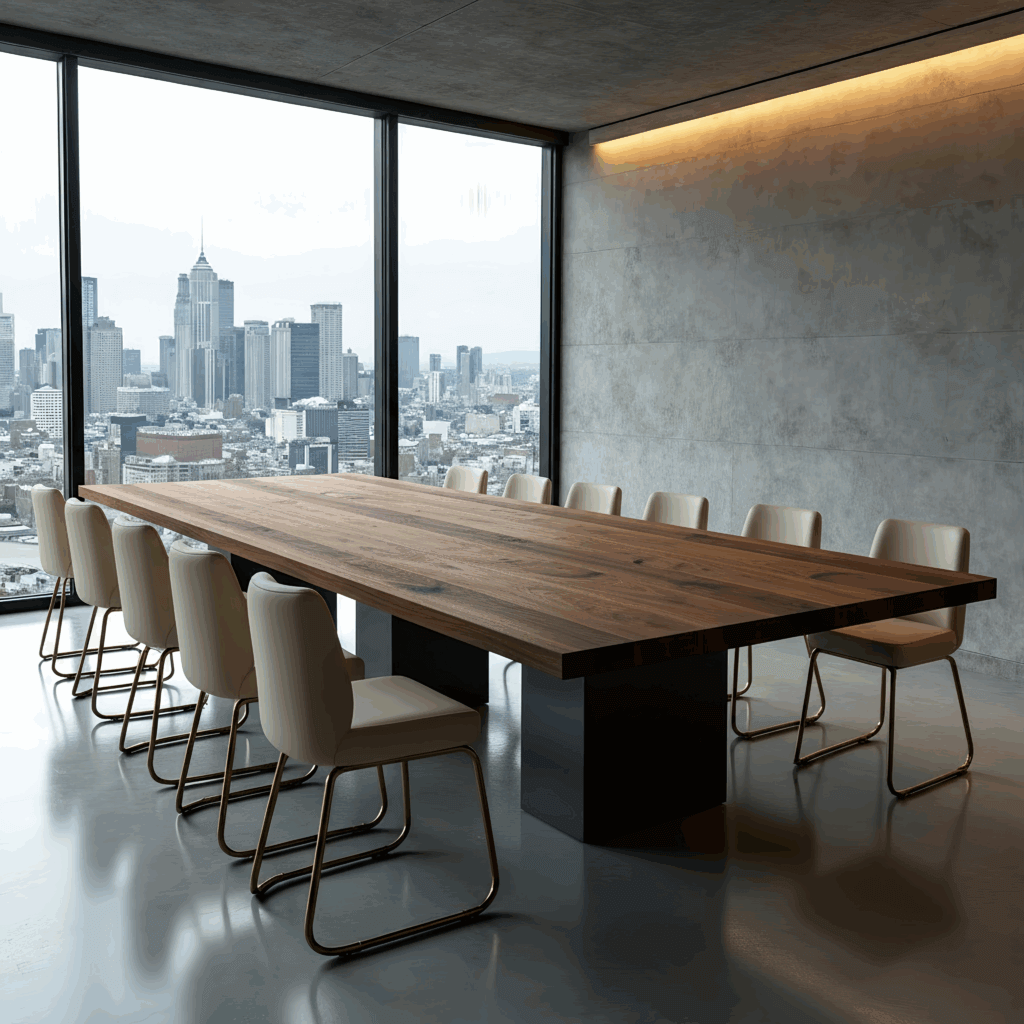
The modern workspace is evolving rapidly, and the conference room is at the heart of collaboration. Choosing the right industrial conference table in 2025 is more than a style decision—it shapes productivity, company culture, and daily workflow.
This comprehensive guide will walk you through every step to select the ideal industrial conference table. We will explore what defines the industrial style, compare materials for durability, discuss sizing and space planning, highlight technology integration, and examine customization and sustainability.
Ready to transform your meeting space? Let’s dive into practical insights that will help you make confident, future-proof decisions.
Understanding Industrial Conference Tables: Definition, Style, and Key Features
Selecting the right industrial conference table shapes the foundation of a modern workspace. In 2025, businesses are drawn to furniture that balances bold aesthetics with everyday practicality. This section explores what defines industrial style, the standout features that set these tables apart, their workplace benefits, common applications, and the latest market trends.
Defining Industrial Style in 2025
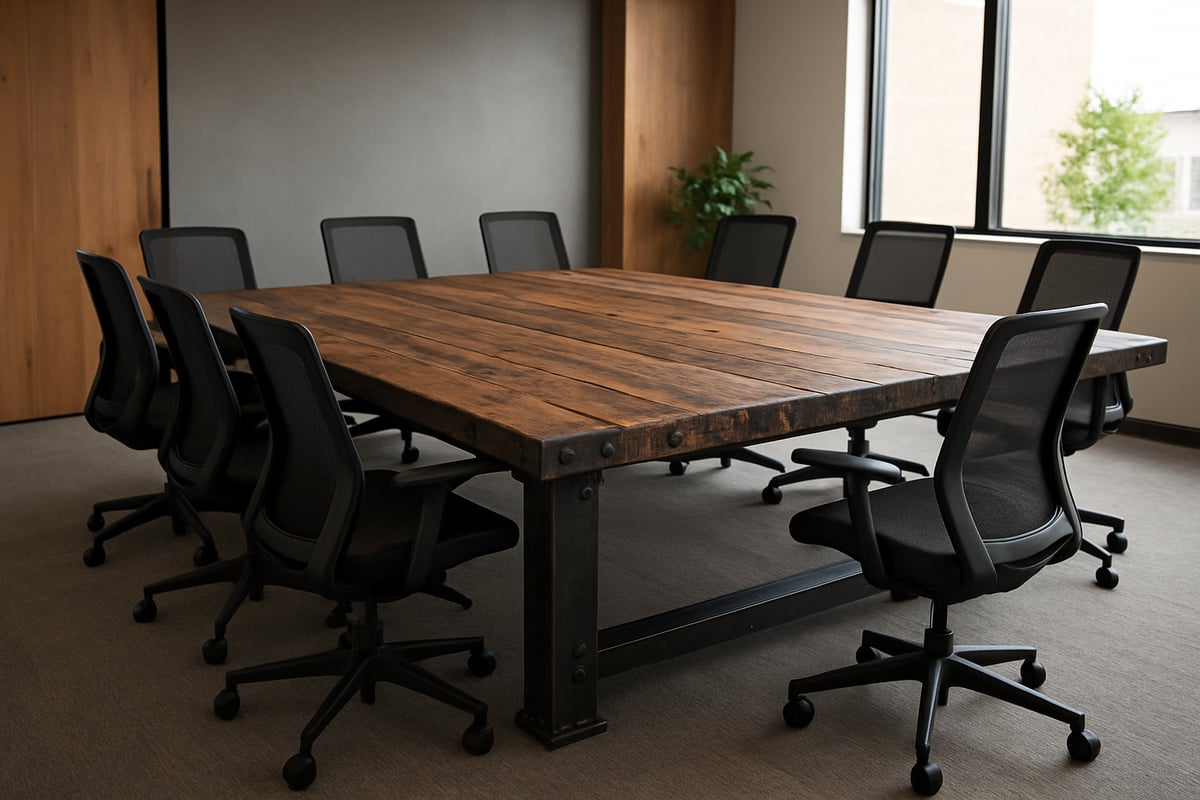
The industrial conference table embodies a blend of historical inspiration and modern innovation. In 2025, industrial style means more than just exposed steel or reclaimed wood. It reflects a preference for raw, robust materials, visible construction details, and utilitarian forms.
Steel frames, thick planks of reclaimed wood, and exposed hardware are signature elements. The look is rugged yet refined, offering a sense of authenticity and strength. As office design evolves, industrial conference tables now feature softer finishes and mixed materials, reflecting a shift toward both comfort and character.
Essential Features of Industrial Conference Tables
What makes an industrial conference table stand out? Robust construction is key, with thick tops and solid frames often built from steel or hardwood. Look for visible welds, unique finishes, and thoughtfully designed leg types—such as slab bases, panel bases, or classic four-legged configurations.
Modern tables integrate cable management and power/data grommets for seamless technology use. Durability remains a core value, ensuring longevity in high-traffic spaces. For inspiration on standout features and real-world examples, explore 8 Stunning Solid Wood Conference Tables.
Benefits of Industrial Conference Tables for Workspaces
An industrial conference table enhances collaboration by inviting teams to gather around a commanding centerpiece. Its adaptability suits open offices, creative studios, and formal boardrooms alike.
These tables make a visual statement, reinforcing a company’s brand and culture. Recent statistics show a notable rise in the popularity of industrial furniture in offices compared to traditional options. The durability and flexibility of industrial conference tables also mean fewer replacements and lower long-term costs.
Common Applications and Room Types
Industrial conference tables are versatile. They fit seamlessly into boardrooms, open-plan collaborative spaces, creative studios, and coworking environments. The choice of table shape—rectangle, boat, racetrack, round, or oval—affects functionality and style.
For example, rectangular tables suit formal meetings, while round or oval tables encourage open discussion. Usage trends indicate a growing demand for flexible layouts that match diverse meeting needs, making the industrial conference table a smart, adaptable investment.
Current Market Trends for 2025
In 2025, the industrial conference table market is shaped by innovation and sustainability. Modular and multi-functional tables are on the rise, catering to hybrid work and changing team sizes.
More buyers seek eco-friendly and locally sourced materials, while finishes and colors trend toward natural tones and customizable options. Consumer data highlights a strong preference for statement pieces that combine technology integration with industrial charm. The shift to remote and hybrid work also influences table design, driving demand for flexibility and tech-readiness.
Material Matters: Durability, Aesthetics, and Maintenance
Selecting the right material for your industrial conference table is a decision that impacts durability, design, and maintenance. In 2025, office leaders are prioritizing materials that blend rugged strength with visual appeal and sustainability.
This section explores the most popular materials, how to assess durability, aesthetic choices, care requirements, sustainability considerations, and the cost-value equation for an industrial conference table.
Popular Materials for Industrial Conference Tables
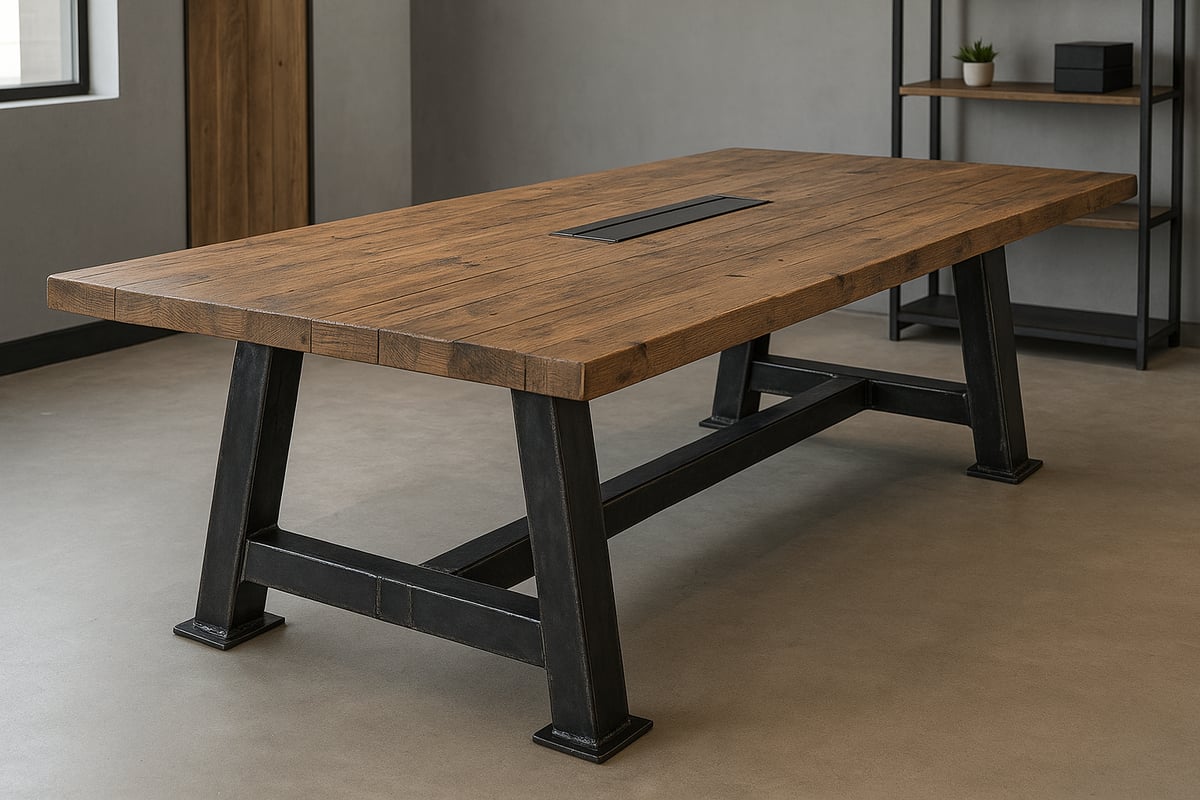
Industrial conference table designs in 2025 feature an array of materials, each bringing unique strengths. Steel frames offer unmatched strength and a bold, modern look, while solid wood and reclaimed wood add warmth and character. High-pressure laminate is valued for its affordability and resistance to scratches and stains. Mixed materials, such as combining wood tops with metal legs, are increasingly popular for their versatility and style.
| Material | Pros | Cons |
|---|---|---|
| Steel | Durable, modern look, customizable | Can be heavy, cold aesthetic |
| Solid Wood | Warm, timeless, strong | Prone to scratches, higher cost |
| Reclaimed Wood | Eco-friendly, unique character | Variability in quality |
| High-Pressure Laminate | Affordable, easy maintenance | Less premium appearance |
| Mixed Materials | Versatile, statement-making | Varies by combination |
For more insight into how steel and metal legs enhance industrial aesthetics, see Enhancing Furniture Design with Metal Table Legs.
Assessing Durability and Longevity
When evaluating an industrial conference table, durability is paramount. Start by checking material thickness and the quality of construction. Look for robust joinery, such as mortise-and-tenon, and reinforced welds on steel parts. These features ensure your table withstands years of use.
Review warranty periods, which typically range from 5 to 15 years for reputable brands. Lower failure rates indicate higher build quality. Investing in a well-built industrial conference table means fewer replacements and less downtime.
A quick checklist:
- Thick tabletops (at least 1.5 inches for wood)
- Sturdy steel frames with visible welds
- Reinforced corners and joints
- Manufacturer warranty of 5+ years
Aesthetic Considerations: Finishes and Colors
The finish and color of your industrial conference table set the tone for your meeting space. Common finishes include natural wood, rich stains, painted surfaces, and powder-coated steel. These finishes not only enhance appearance but also offer varying protection against wear.
Popular color families for 2025:
- Gray and black for a sleek, minimalist vibe
- Walnut and cherry for warmth and tradition
- Natural wood tones for biophilic appeal
Matching your table’s finish to your office décor creates a cohesive, professional atmosphere. Many brands now offer customizable finishes, allowing you to tailor an industrial conference table to your unique vision.
Maintenance and Care Requirements
Proper maintenance ensures your industrial conference table remains impressive for years. Each material has specific care needs:
- Steel: Wipe with a damp cloth, avoid harsh chemicals, check for rust.
- Solid/Reclaimed Wood: Use furniture polish, clean spills promptly, add coasters to prevent stains.
- Laminate: Clean with mild soap and water, avoid abrasive pads.
Tips for longevity:
- Use desk pads to prevent scratches
- Avoid direct sunlight to minimize fading
- Tighten hardware periodically
Following these routines preserves both appearance and function.
Sustainability and Eco-Friendly Choices
Sustainability is a top consideration for industrial conference table buyers in 2025. Many companies now seek out tables made from reclaimed wood or recycled steel. Look for certifications such as FSC (Forest Stewardship Council) and labels that confirm recycled content.
Demand for sustainable office furniture is rising, with market research showing over 60% of buyers prioritize eco-friendly options. Choosing a sustainable industrial conference table demonstrates corporate responsibility and can contribute to green building certifications.
Common eco-friendly features:
- Locally sourced materials
- Low-VOC finishes
- Recycled or upcycled components
Cost vs. Value Analysis
Industrial conference table prices vary by material, size, and customization. Here’s a cost breakdown:
| Material | Price Range (USD) |
|---|---|
| Steel & Wood Mix | $2,000 – $7,000 |
| Solid Wood | $3,000 – $9,000 |
| Reclaimed Wood | $3,500 – $10,000 |
| Laminate | $1,000 – $4,500 |
When evaluating total cost of ownership, factor in durability and maintenance. A higher upfront investment in a quality industrial conference table often yields long-term savings through fewer repairs and replacements.
Prioritize value by balancing initial costs with lifespan, warranty, and daily performance. This approach ensures your investment supports productivity and leaves a lasting impression.
Sizing, Shape, and Space Planning for Optimal Functionality
Selecting the right industrial conference table begins with thoughtful planning. The right size, shape, and layout drive both productivity and comfort in your meeting spaces. Let’s explore how to optimize your space for function and collaboration.
Calculating the Right Table Size
The foundation of any functional conference room is accurate sizing. Measure your room’s length and width, then subtract at least 48–60 inches on each side for comfortable movement. Common industrial conference table sizes range from 6 to 12 feet, seating 6 to 14 people.
Refer to this quick comparison:
| Table Length | Seating Capacity | Room Size Needed |
|---|---|---|
| 6 ft | 6–8 | 10×12 ft |
| 8 ft | 8–10 | 12×14 ft |
| 10 ft | 10–12 | 14×16 ft |
| 12 ft | 12–14 | 16×18 ft |
For more in-depth sizing advice, review Finding the Right Conference Table Size, which offers practical examples and layouts. Choosing the correct industrial conference table size ensures everyone has space to work and interact comfortably.
Choosing the Ideal Table Shape
Shape matters as much as size. The most common industrial conference table shapes include rectangle, boat, racetrack, round, oval, and square. Rectangular tables are highly versatile and ideal for traditional boardrooms, while boat and racetrack shapes soften edges for easier movement and better sightlines.
Round and oval tables foster a sense of equality and work well in creative or collaborative spaces. Square tables suit smaller rooms or breakout areas. When selecting an industrial conference table, consider how the shape will influence communication and the overall atmosphere.
Seating Capacity and Comfort
Proper seating is key for productive meetings. Allow at least 30 inches of table space per person for comfort. For example, a 10-foot industrial conference table typically seats 10 people comfortably, while a 12-foot table fits 12–14.
Use this guideline for spacing:
- 24–30 inches per chair for elbow room
- 48 inches clearance behind chairs for passage
- Consistent spacing for a balanced look
Prioritizing comfort in your industrial conference table layout leads to better engagement and longer, more effective meetings.
Space Planning: Room Layouts and Flow
A well-planned layout maximizes both efficiency and accessibility. Position your industrial conference table centrally, ensuring clear sightlines to screens or whiteboards. Maintain at least 48 inches between the table and walls for easy movement.
Check that your setup meets ADA standards, providing at least 36 inches of clear space for wheelchair accessibility. Consider the flow of people entering and leaving the room, and avoid blocking doors or critical pathways. Thoughtful layout turns any meeting space into a hub of collaboration.
Integrating Storage and Accessories
Modern meeting spaces often require more than just a table. Built-in storage, such as credenzas or accessory cabinets, helps keep essentials organized. Some industrial conference tables feature integrated drawers or shelving for added convenience.
Modularity is increasingly popular, letting you add or rearrange storage as needs evolve. Choose accessories that complement the style and finish of your industrial conference table for a cohesive look. Review competitor offerings to find creative storage solutions that enhance both function and design.
Adapting for Hybrid and Multi-Use Spaces
The modern workplace demands flexibility. Industrial conference tables now come in mobile, foldable, or modular designs to support hybrid work and multi-use environments. Tables on casters can be reconfigured for group work, training sessions, or video calls.
Consider modular systems that allow you to expand or reduce table size as needed. This adaptability ensures your investment in an industrial conference table remains relevant as your business evolves. Stay ahead by choosing options that support both in-person and remote collaboration.
Technology Integration: Power, Connectivity, and Smart Features
Modern workplaces demand more than just a meeting surface. Today’s industrial conference table is a hub for collaboration, productivity, and seamless technology integration. From built-in power to smart features, selecting the right table ensures your team stays connected and prepared for the future.
Built-In Power and Data Solutions
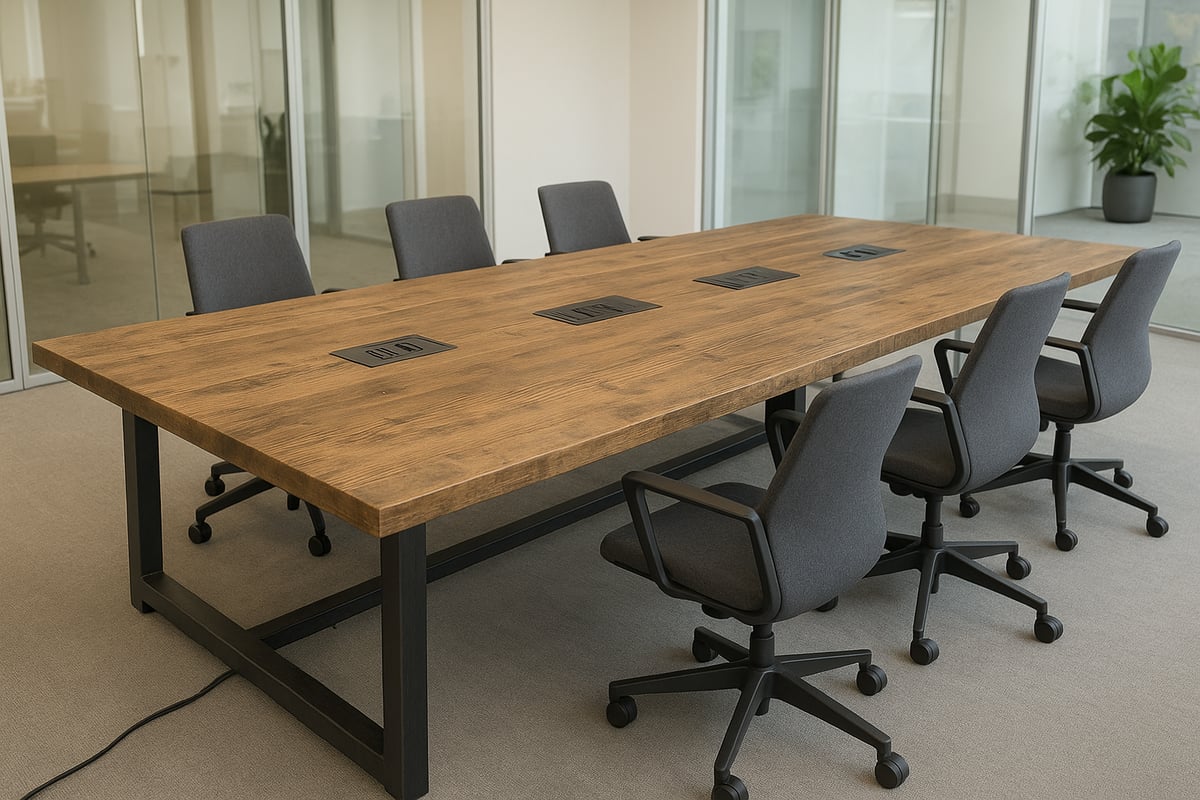
An industrial conference table equipped with integrated power and data grommets is essential for today’s tech-driven meetings. Look for tables that feature accessible outlets, USB ports, and HDMI connections built directly into the surface or along the edges.
Efficient cable management is equally important. Tables with hidden channels or under-table trays keep cords tidy and reduce clutter. These solutions support laptops, projectors, and video equipment, ensuring every participant stays powered and connected.
Current market offerings highlight robust options, including modular grommets and customizable layouts. When evaluating your next industrial conference table, prioritize these features to streamline your team’s workflow.
Audio-Visual and Conferencing Support
Supporting seamless video calls and presentations is a must for any industrial conference table in 2025. Many tables now offer microphone cutouts, built-in camera mounts, and dedicated AV ports for hassle-free conferencing.
Consider how the placement of screens and equipment influences sightlines and engagement. Tables designed with central cutouts or pop-up AV modules allow for flexible setups, adapting to both in-person and hybrid meetings.
Recent trends show a rise in tables that accommodate advanced AV needs, making them a preferred choice for businesses seeking a future-ready workspace. Evaluate these features to ensure your conference space remains competitive.
Wireless Charging and Smart Table Features
Wireless charging pads are quickly becoming standard in the modern industrial conference table. These features eliminate cable clutter and allow users to power up smartphones and tablets effortlessly during meetings.
IoT-enabled tables are also gaining traction, offering smart sensors for occupancy, ambient lighting adjustments, and even climate control. These innovations boost productivity and create a more interactive meeting environment.
Market data indicates a growing preference for smart office furniture, making these tech enhancements a valuable investment. Choose an industrial conference table that embraces these smart solutions to support your evolving needs.
Future-Proofing Your Conference Table
Technology is always evolving, so your industrial conference table should be ready for upgrades. Modular components, such as removable power units and adaptable cable trays, allow for easy retrofitting as new devices emerge.
Planning for future requirements means selecting a table that can accommodate emerging tech standards, from updated charging protocols to new collaboration tools. Some of the best options on the market are highlighted in guides like Modular and Tech-Integrated Conference Tables, which showcase adaptable designs built for long-term value.
By investing in a future-ready industrial conference table, you ensure your workspace remains innovative and efficient for years to come.
Security and Privacy Considerations
Secure data connections are vital for confidential meetings, especially in industries handling sensitive information. Opt for an industrial conference table that supports secure wired connections and tamper-resistant ports.
Privacy panels and sound-dampening features can also be integrated into table designs. These additions help reduce distractions, safeguard conversations, and foster a more focused meeting environment.
When choosing your next industrial conference table, weigh the importance of these features to align with your organization’s security and privacy standards.
Customization, Branding, and Unique Statement Pieces
Personalizing your industrial conference table is an impactful way to reflect your company’s identity and culture. Custom design options allow you to tailor every aspect, from size and shape to finishes and materials. Many businesses choose to engrave their logo or add branded color accents, making the table a true centerpiece. Customization also extends to functional features, like integrated cable management or unique power/data ports. By aligning your table’s design with your brand, you create a cohesive environment that inspires confidence and professionalism during every meeting.
Custom Design Options and Personalization
Customizing an industrial conference table begins with selecting dimensions that perfectly fit your space. You can choose from a variety of finishes, ranging from natural wood grains to bold, painted colors. Many companies opt for unique edge profiles, such as live or beveled edges, to add character. Personal touches like engraved logos, branded inlays, or custom power modules further distinguish your table. These design choices not only support branding but also deliver a tailored experience for clients and employees. The right customization ensures your industrial conference table becomes a lasting symbol of your organization’s vision.
Collaborating with Local Artisans and Manufacturers
Working with local artisans or specialized manufacturers offers distinct advantages when sourcing an industrial conference table. Handcrafted tables often showcase superior craftsmanship and attention to detail, resulting in a one-of-a-kind piece. Local sourcing reduces lead times and allows for more direct communication throughout the design process. Many businesses find that collaborating with skilled makers leads to creative solutions for unique challenges, such as unusual room layouts or specific branding requirements. Investing in a locally made industrial conference table supports your community and reinforces your commitment to quality and authenticity.
Statement-Making Designs for Modern Workspaces
A statement-making industrial conference table can set the tone for your entire workspace. Features like live edges, mixed materials, and distinctive hardware instantly draw attention and create memorable first impressions. Modern offices often use these tables as focal points, blending rugged steel frames with reclaimed wood or glass for a dramatic effect. For inspiration, explore Live Edge Conference Table Inspiration to see how live edge designs can elevate your boardroom’s style. Choosing a bold table design aligns your workspace with current trends and leaves a lasting mark on visitors and staff alike.
Balancing Customization and Budget
When selecting a custom industrial conference table, it’s important to prioritize features that provide the most impact within your budget. Consider which elements—such as size, materials, or branding—are essential, and where you can opt for standard options to control costs. Customization does not have to be expensive if you focus on high-value details. For example:
| Feature | Custom | Standard |
|---|---|---|
| Table shape | ✔ | |
| Finish color | ✔ | |
| Power modules | ✔ | |
| Logo engraving | ✔ |
By balancing bespoke features with budget-friendly choices, you can achieve a unique industrial conference table that meets both your aesthetic and financial goals.
Step-by-Step Guide to Choosing Your Industrial Conference Table
Choosing the right industrial conference table involves a systematic approach to ensure your investment meets both your functional needs and aesthetic preferences. Follow these six practical steps to make an informed and future-ready decision.
Step 1: Assess Your Space and Needs
Start by measuring your conference room. Consider the room’s dimensions, doorways, and any architectural features that might affect placement. Define how you’ll use your industrial conference table—do you host large team meetings, client presentations, or creative brainstorming sessions?
Think about future growth. Will your team expand? Do you need flexibility for hybrid work? Mapping out these requirements will ensure your table is a seamless fit for today and tomorrow.
Step 2: Set a Realistic Budget
Determine your budget early in the process. Factor in quality, durability, and the expected lifespan of your industrial conference table. Remember, investing in a robust table can lead to lower replacement costs over time.
Compare price ranges across reputable brands and materials. Consider total cost of ownership, including delivery and installation. A well-chosen table balances upfront expense with long-term value.
Step 3: Select Materials and Finishes
Choose materials that align with your office’s design and maintenance expectations. Solid wood, steel, and reclaimed wood are popular for their durability and industrial appeal. Finishes range from natural to powder-coated, each offering unique visual and tactile qualities.
If sustainability is a priority, explore tables made from recycled or reclaimed materials. For more on eco-friendly options, see Sustainable Materials in Conference Table Design.
Step 4: Decide on Shape, Size, and Seating
Select a table shape that complements your room and encourages collaboration. Rectangle and boat shapes are classic for boardrooms, while oval or round tables suit smaller, creative spaces. Standard sizes range from 6 to 12 feet, each supporting different seating capacities.
Use competitor statistics to guide your choice. For insights on trending shapes and sizes, visit 2025 Conference Table Design Trends.
Step 5: Prioritize Technology and Accessories
Identify what tech features are essential. Integrated power outlets, cable management, and data ports are now standard for many industrial conference tables. Plan for AV equipment, wireless charging, and future upgrades as technology evolves.
Think about accessories like privacy panels or modular add-ons to maximize versatility and comfort for every meeting.
Step 6: Explore Customization and Branding
Consider custom features to reflect your company’s identity. Custom sizing, unique finishes, and branded engravings can turn your table into a statement piece. Work with local craftsmen or manufacturers for tailored solutions.
Balance your desire for personalization with your budget. Prioritize features that offer the most impact without exceeding your financial limits.
Now that you have a clear understanding of what makes an industrial conference table stand out in 2025—from materials and durability to sizing, technology, and customization—you might be ready to take the next step for your workspace. If you want an expert eye to help you match your vision with practical needs, we’re here to support you every step of the way. Whether you have a unique layout or specific branding goals, our team at Fargo Woodworks can guide you through the process. Ready to create a conference table that truly reflects your company’s character? Get Design Help