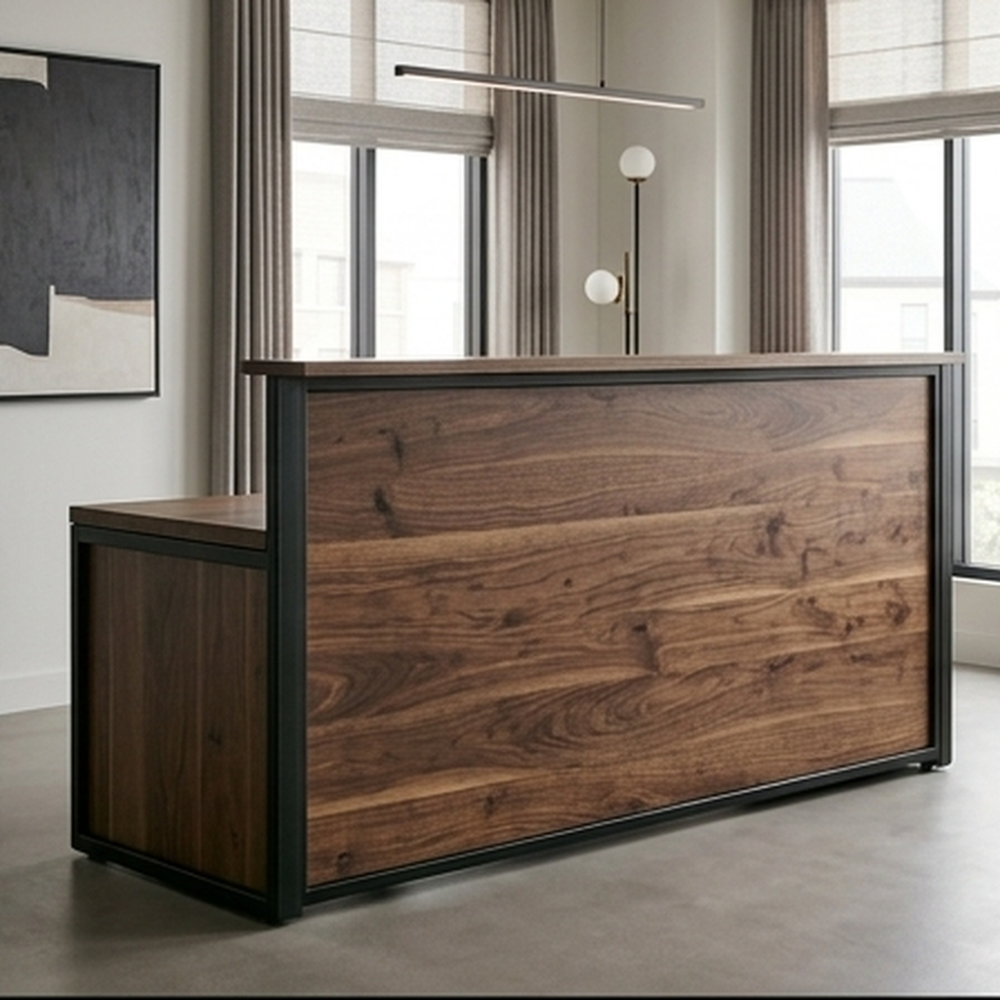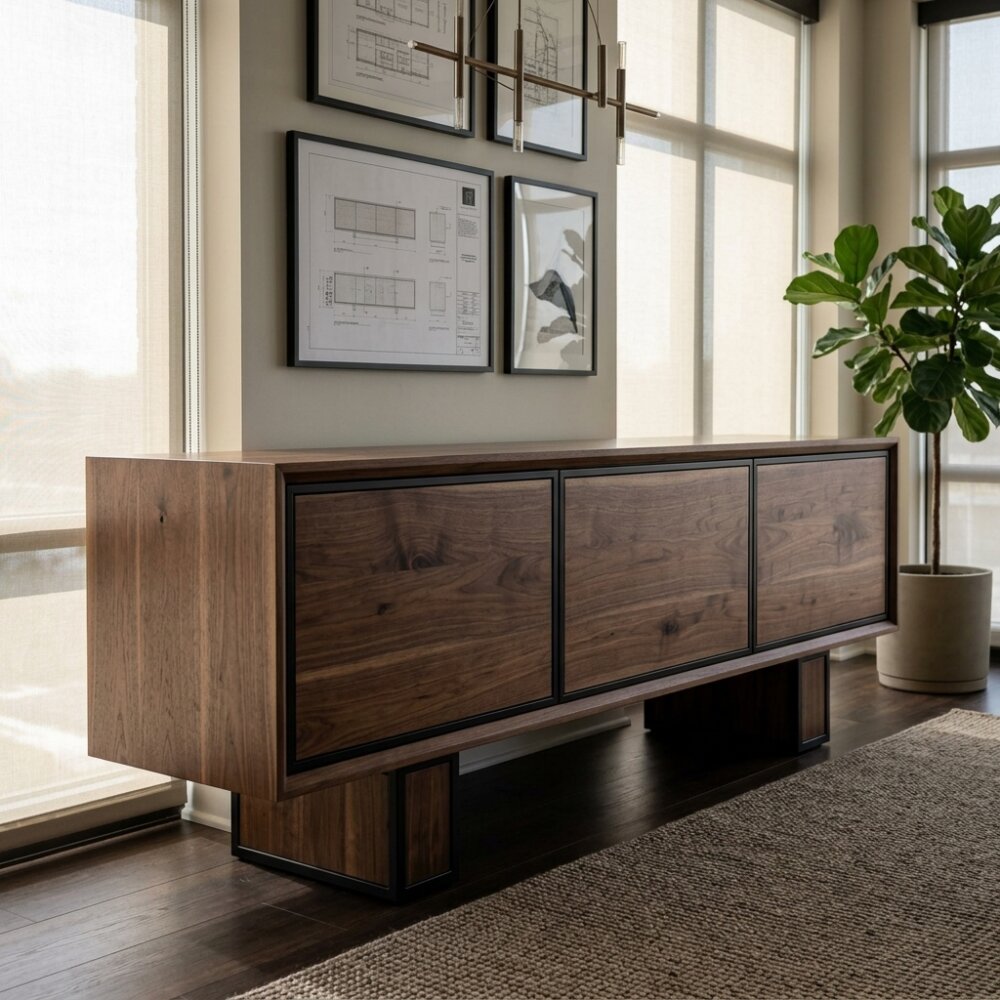
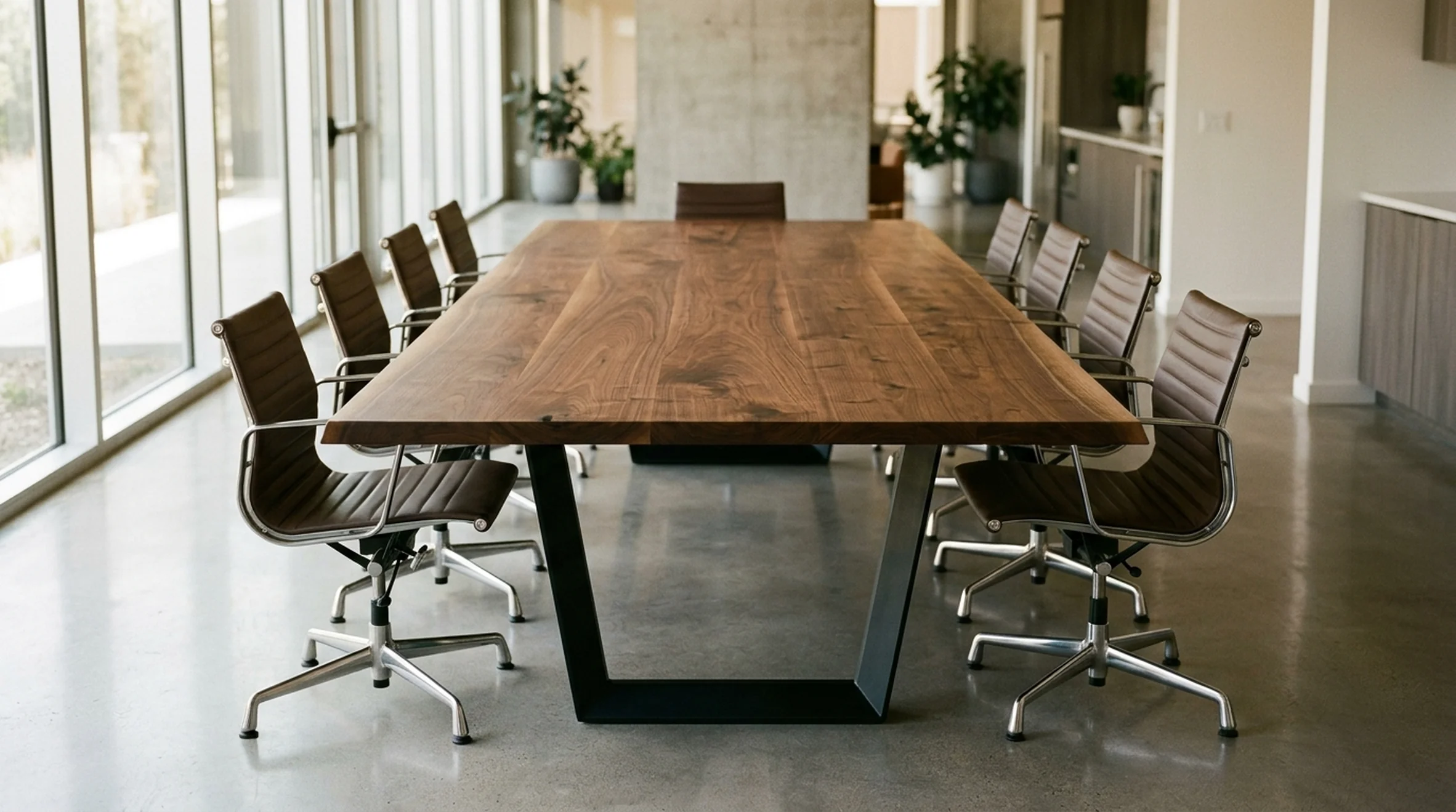
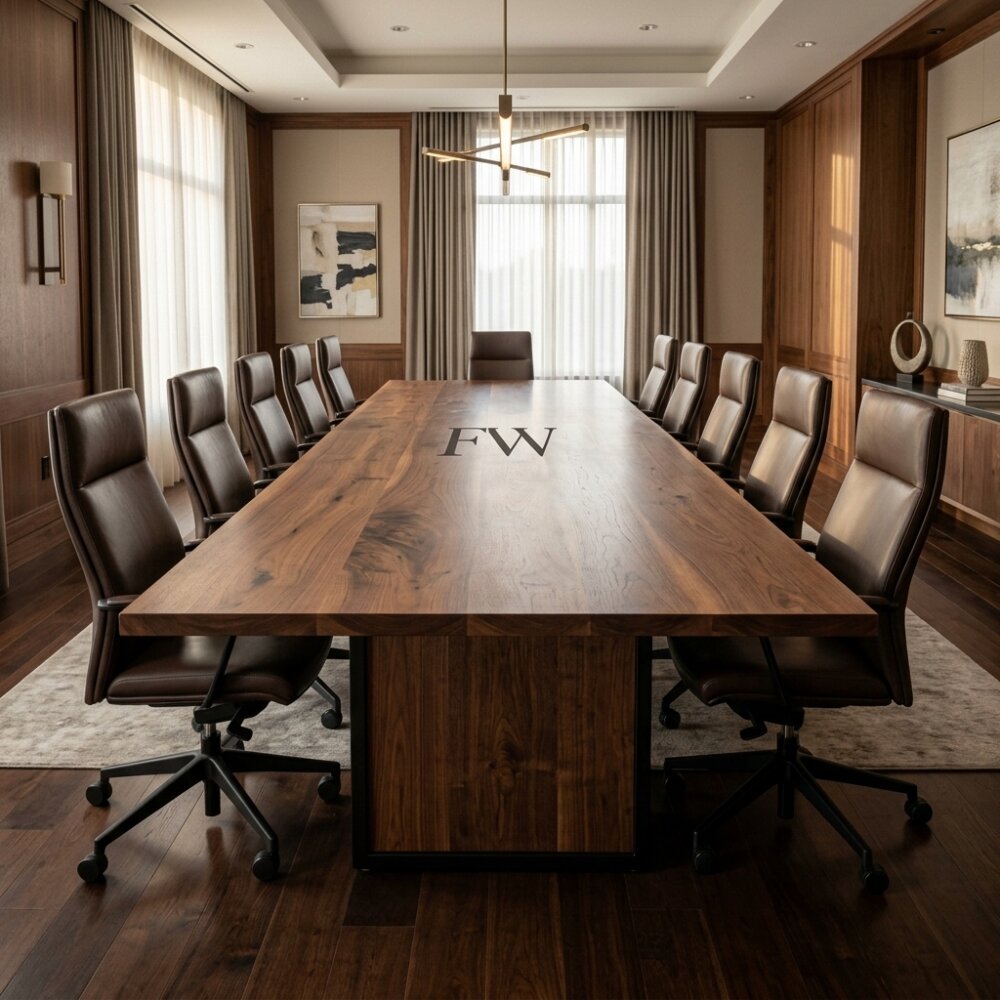


Conference table design has evolved dramatically in recent years, with businesses seeking both functionality and aesthetic appeal for their meeting spaces. We’ve seen a significant shift toward customization, with many organizations moving away from one-size-fits-all solutions to tables that reflect their unique corporate culture and practical needs.
The market now offers an impressive range of models—from the sleek Nordic and Larsen designs to the robust Foundery and Timberline options. What sets today’s conference tables apart is the emphasis on precision craftsmanship and complete customization. Modern businesses aren’t just looking for a surface to gather around; they’re investing in statement pieces that can be tailored to any size and specification while maintaining exceptional quality.
The Evolution of Conference Table Design in Modern Workspaces
Conference table design has transformed dramatically in recent years, reflecting the changing nature of how organizations collaborate and make decisions. Traditional rectangular tables with rigid layouts have given way to more flexible, technology-integrated designs that support diverse meeting styles and workplace dynamics.
Modern conference tables now feature built-in power outlets, wireless charging pads, and cable management systems that eliminate cord clutter while keeping devices powered throughout meetings. The integration of video conferencing technology has become standard, with tables designed to accommodate cameras, microphones, and displays in ways that feel natural rather than obtrusive.
Materials have evolved beyond the standard wood veneer options to include sustainable alternatives like reclaimed wood, recycled materials, and low-VOC finishes. Many manufacturers now offer carbon-neutral production processes, appealing to environmentally conscious businesses looking to reduce their carbon footprint through their furniture choices.
Shape innovation represents another significant shift, with modular configurations replacing fixed layouts. Tables featuring geometric designs, asymmetrical shapes, and reconfigurable components allow spaces to adapt to different meeting types – from traditional presentations to collaborative workshops to hybrid in-person/remote sessions.
The pandemic accelerated these evolutionary trends, with designs now emphasizing hygiene through antimicrobial surfaces, easier cleaning protocols, and increased spacing between seats. Hybrid work models have prompted the development of conference tables specifically engineered to create equity between in-office and remote participants through thoughtful technology placement and sightline considerations.
Minimalist and Sleek Aesthetics in Contemporary Conference Tables
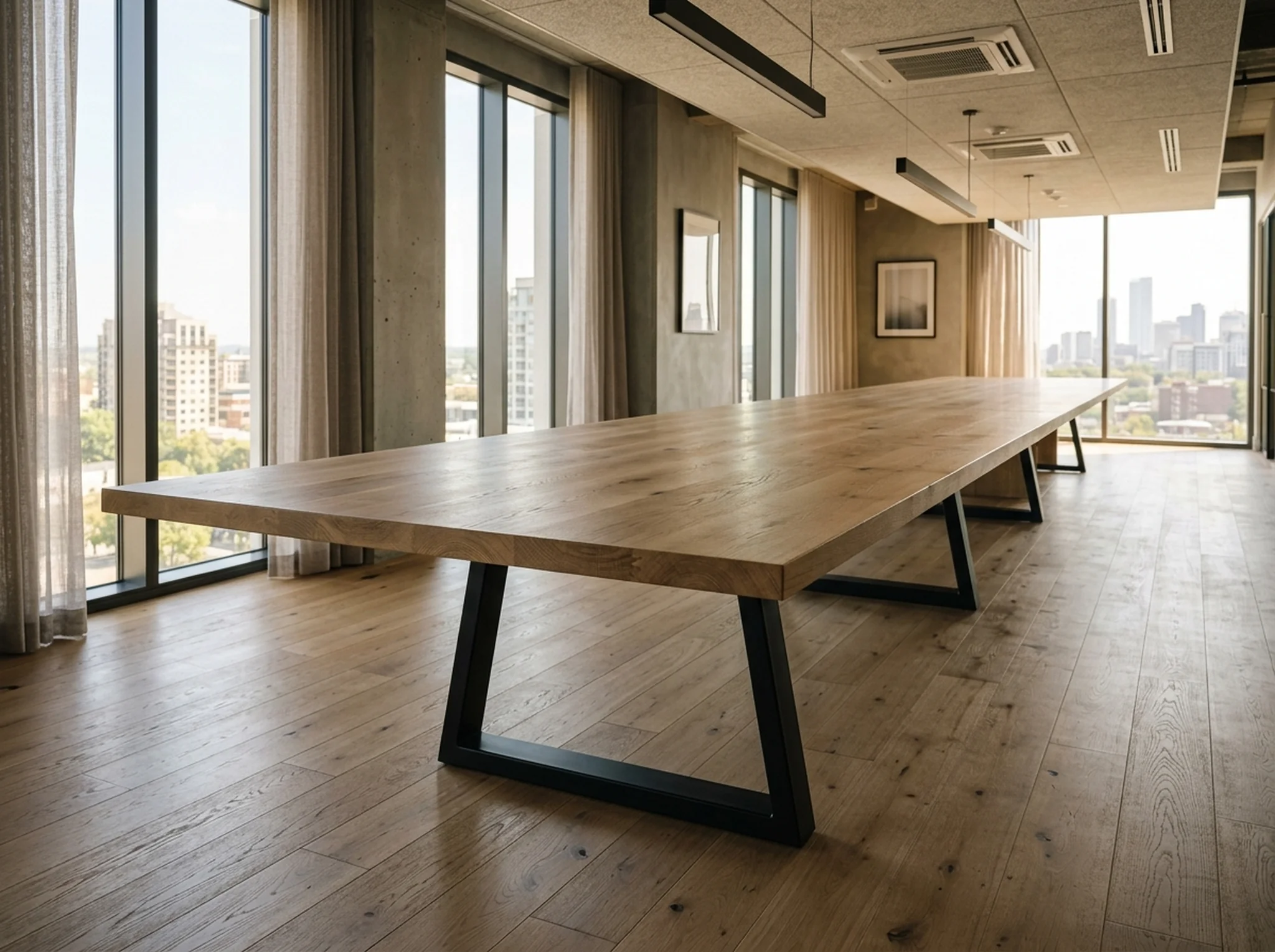
Minimalist design principles have transformed modern conference spaces with their emphasis on functionality, simplicity, and intentional design choices. Contemporary conference tables now showcase clean lines and uncluttered surfaces that enhance focus and productivity while creating visually appealing meeting environments.
Clean Lines and Uncluttered Surfaces
Clean lines define today’s premium conference tables, with sleek profiles that eliminate unnecessary ornamentation and focus on essential form. These sophisticated designs feature thin table edges, flush surfaces, and hidden structural elements that create a floating appearance. Cable management systems are now completely integrated within the table structure, maintaining the uncluttered aesthetic while accommodating technology needs. Popular minimalist conference tables include the Knoll Antenna Workspaces collection with its razor-thin profiles and the Herman Miller Renew Link tables featuring seamless surfaces with invisible wire management.
Monochromatic Color Schemes
Monochromatic color palettes have become a signature element in contemporary conference room design, creating cohesive and sophisticated environments. These limited color schemes typically feature variations of a single base color—whites, grays, blacks, or subtle earth tones—applied across the conference table and complementary furniture pieces. The restrained palette reduces visual noise and creates a sense of calm, allowing meeting participants to focus on collaboration rather than distracting surroundings. Materials like matte-finished laminates, powder-coated metals, and natural stone in consistent tones complement this aesthetic while offering textural interest without breaking the monochromatic harmony.
Technology Integration: The Smart Conference Table
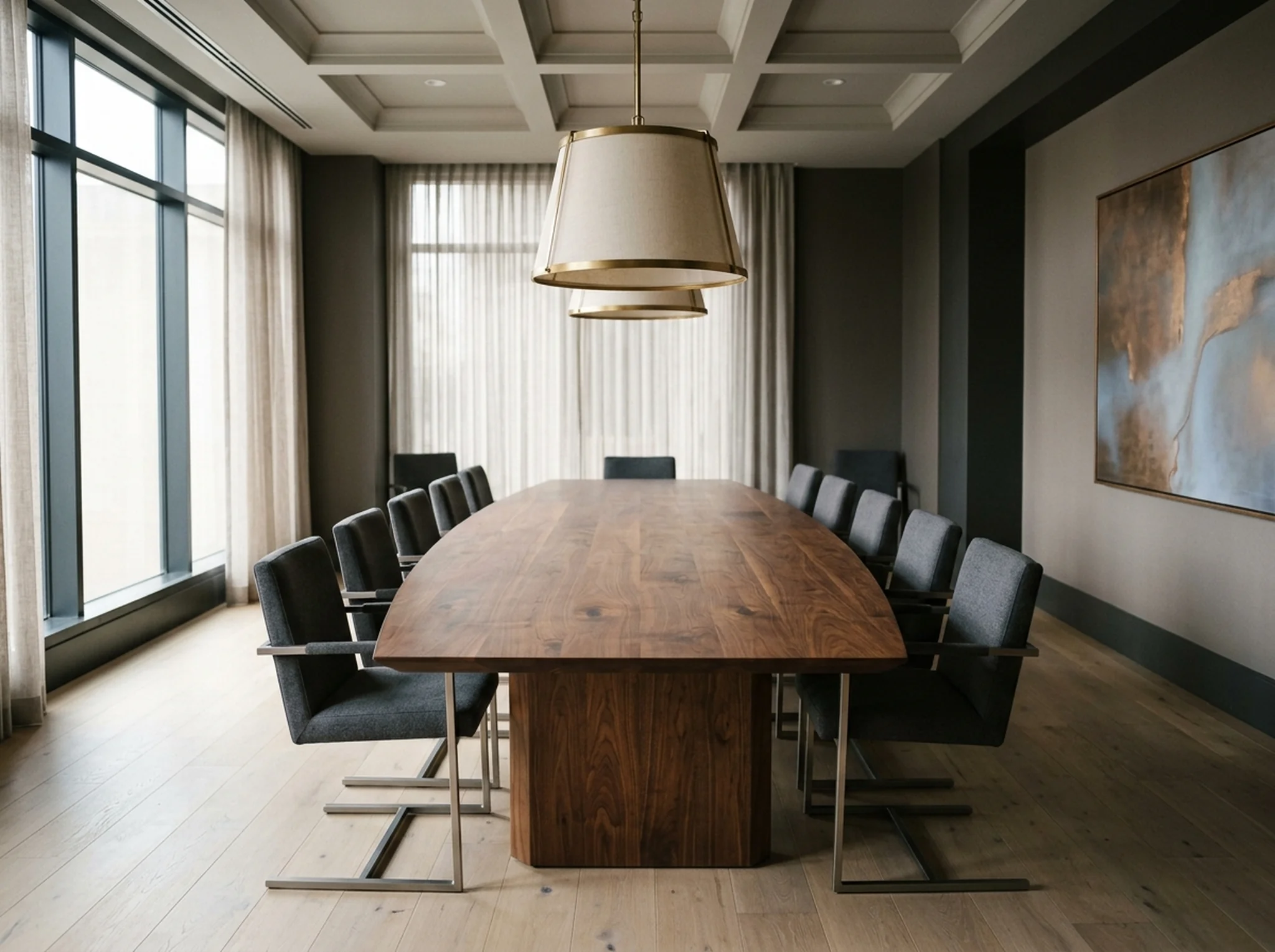
Conference tables have evolved into technology hubs, seamlessly integrating digital capabilities that enhance collaboration and productivity. Today’s smart conference tables incorporate features that support modern meeting needs while maintaining elegant aesthetics.
Built-in Power and Connectivity Options
Built-in power and data integration transforms conference tables into functional workspaces for modern meetings. These tables feature discreetly placed power outlets, USB ports, HDMI connections, and Ethernet jacks accessible directly from the tabletop. Pop-up power modules, flush-mounted connection points, and retractable cable management systems keep technology accessible while maintaining a clean appearance. Custom logo inlays can be incorporated into these power modules, blending corporate branding with functionality. The strategic placement of these connections eliminates cable clutter and creates an organized environment where participants can easily connect devices without disrupting meetings.
Wireless Charging Capabilities
Wireless charging pads embedded within conference table surfaces offer convenient power access without cable connections. These charging stations utilize Qi technology, compatible with most modern smartphones and tablets, enabling meeting participants to maintain device power while collaborating. The integration appears nearly invisible, with charging zones subtly marked by small indicators or custom inlays that complement the table’s design. Multiple charging points strategically positioned throughout the table surface ensure accessibility for all attendees regardless of seating position. This technology eliminates the need for additional charging cables, reducing visual clutter and creating a more streamlined, professional meeting environment.
Sustainable and Eco-Friendly Materials
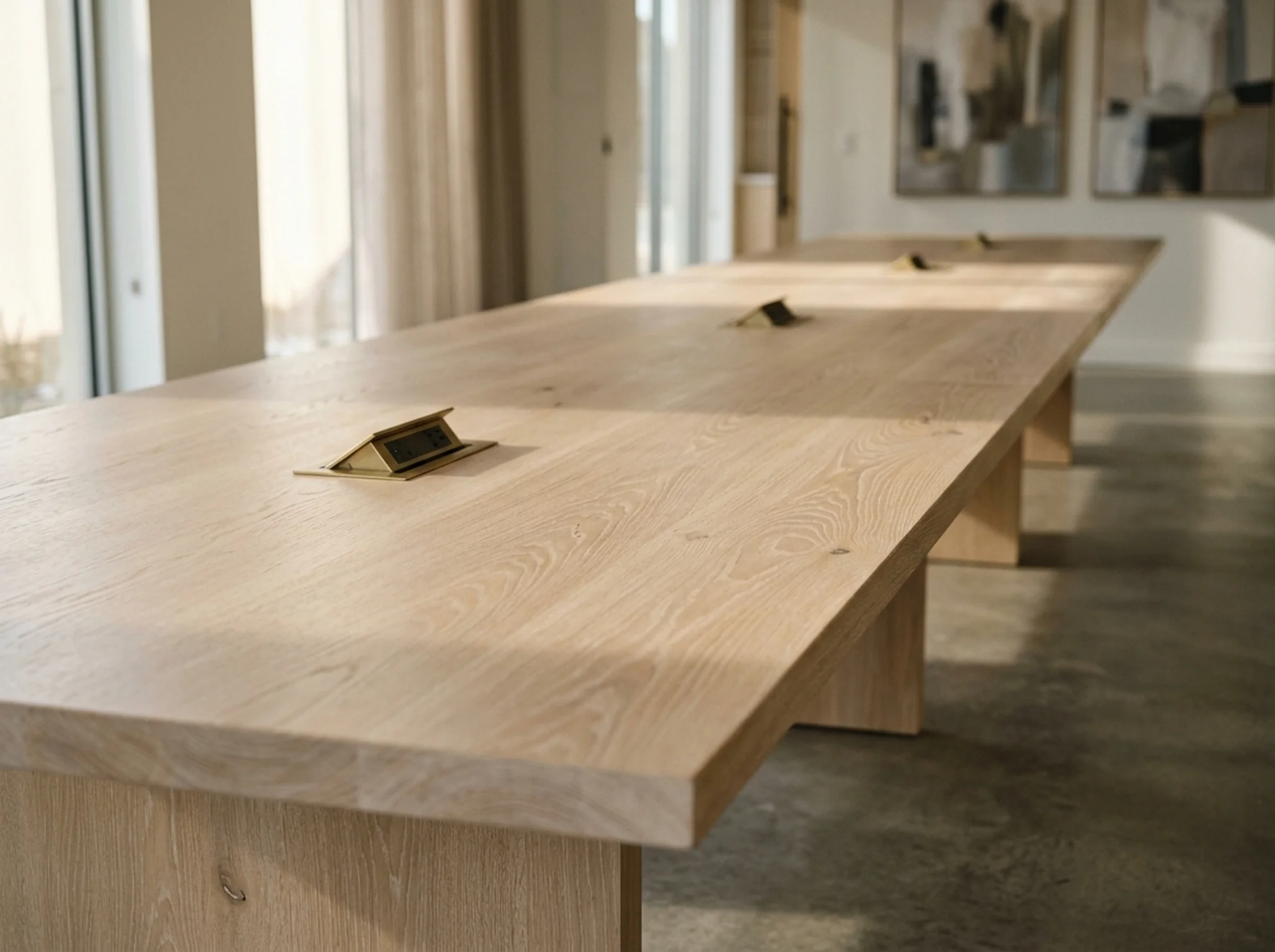
Companies are increasingly prioritizing environmental responsibility in their conference room designs. This shift towards sustainability extends beyond mere corporate social responsibility into practical choices that reflect organizational values while creating healthier workspaces.
Reclaimed Wood and Recycled Materials
Reclaimed wood has emerged as a leading sustainable option for conference tables, combining environmental benefits with distinctive character. These tables repurpose timber from old barns, factories, and warehouses—giving each piece a unique story and aesthetic appeal with visible grain patterns, knots, and natural color variations. Beyond wood, manufacturers now incorporate recycled materials like aluminum, steel, and plastic composites into table bases and structural components. Companies like “Urban Wood Goods” and “Restoration Hardware” specialize in transforming salvaged materials into premium conference furniture, reducing virgin resource consumption while creating statement pieces with historical significance.
Biophilic Design Elements
Biophilic design principles are revolutionizing conference table concepts by strengthening the connection between occupants and the natural environment. Live-edge tables, featuring the natural contours of tree slabs, have gained popularity for their organic aesthetic and one-of-a-kind appeal. Manufacturers are embedding natural elements such as preserved moss, small plantings, or river rock formations into tabletop designs behind protective glass or resin. Conference tables now commonly incorporate natural materials like bamboo, cork, and responsibly-harvested hardwoods that meet Forest Stewardship Council (FSC) certification standards. These biophilic elements don’t just enhance aesthetics—research from the Human Spaces Global Report indicates they improve well-being, creativity, and cognitive function by up to 15% in workplace environments.
Flexible and Modular Conference Tables
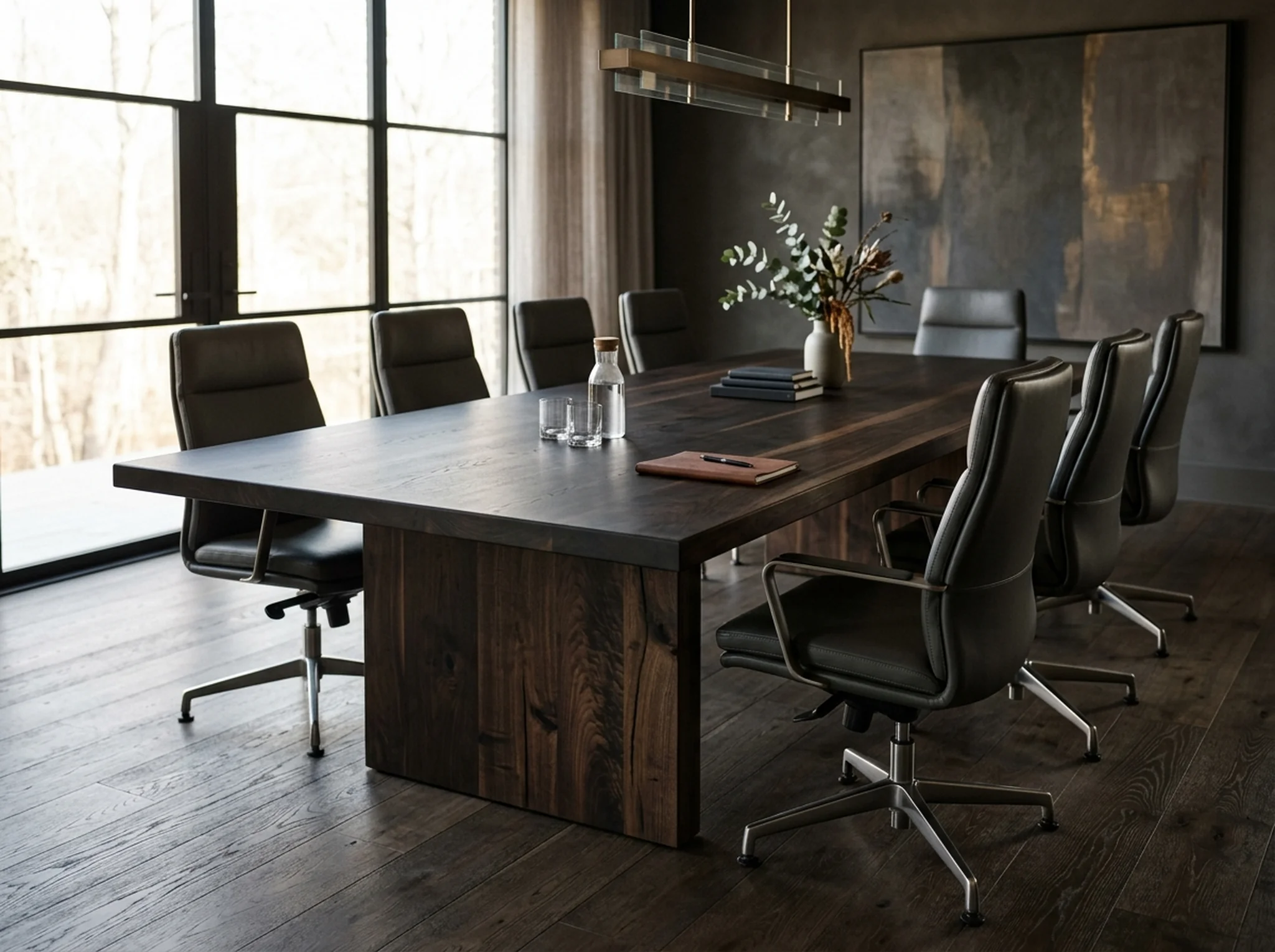
Modular conference tables have revolutionized meeting spaces by offering unprecedented adaptability and versatility. These flexible designs address the evolving needs of modern workplaces, allowing companies to transform their meeting spaces quickly according to specific requirements.
Reconfigurable Designs for Versatile Meeting Spaces
Reconfigurable conference tables feature interchangeable components that adapt to various meeting formats. Tables with modular sections can be arranged in numerous configurations such as U-shapes, boardroom styles, classroom setups, or collaborative pods. Leading models like the Nordic and Larsen Conference Tables offer customizable sections that can be easily rearranged without specialized tools. The pre-installed threaded insert systems in these designs enable quick assembly and reconfiguration, letting teams transform their space from a formal presentation area to collaborative breakout groups in minutes. Companies implementing these versatile solutions report 40% more efficient use of meeting spaces and can accommodate 3-4 different meeting types in the same footprint.
Nesting and Folding Options for Space Optimization
Nesting and folding conference tables deliver maximum flexibility for multi-purpose rooms and limited spaces. These space-saving designs include collapsible legs, flip-top mechanisms, and wheeled bases for easy storage and movement. The Broadway and Boulder Conference Table models feature flip-top surfaces that can be positioned vertically for compact storage, reducing their footprint by up to 75% when not in use. High-quality precision craftsmanship ensures these mechanisms operate smoothly even after thousands of cycles. Tables with nesting capabilities can be stored in dedicated areas or along walls, freeing up valuable floor space for alternative uses. This functionality proves particularly valuable in training environments, flexible workspaces, and innovation centers where room configurations change frequently throughout the day.
Acoustic Considerations in Conference Table Design

The acoustic properties of conference tables play a crucial role in creating effective meeting environments. Poor acoustics lead to communication challenges, with 53% of workplace professionals reporting that noise distractions significantly impact their productivity during meetings. Modern conference table designs now incorporate acoustic-enhancing features that address these concerns while maintaining aesthetic appeal.
Sound-Absorbing Materials
Sound-absorbing materials in conference tables reduce echo and improve speech clarity during meetings. Manufacturers now integrate acoustic panels within table surfaces and edges using materials like felt, cork, and microperforated wood. These materials absorb sound waves rather than reflecting them, creating a more comfortable auditory environment. Companies like Steelcase and Herman Miller offer conference tables with acoustic dampening properties that reduce noise by up to 30% compared to traditional designs.
Shape and Positioning for Acoustic Performance
The shape and positioning of conference tables influence how sound travels within meeting spaces. Curved or rounded table edges diffuse sound waves more effectively than sharp corners, preventing harsh reflections. Tables positioned away from walls—at least 3 feet—reduce problematic sound reflections and standing waves. Egg-shaped and elliptical conference tables have gained popularity for their superior acoustic properties, as they promote more even sound distribution throughout the room.
Integrated Acoustic Technology
Conference tables now feature integrated acoustic technology that enhances communication clarity. Built-in microphone arrays embedded discreetly in table surfaces ensure clear audio pickup for both in-person and remote participants. Advanced models include zone-based audio systems that focus on active speakers while minimizing background noise. Some high-end conference tables incorporate directional sound technology that projects audio toward specific participants, reducing sound spillover and improving privacy during sensitive discussions.
Acoustic Barriers and Dividers
Acoustic barriers and dividers have become standard features in modern conference table systems. Modular table designs incorporate removable privacy screens with sound-absorbing materials like PET felt, reducing noise transmission between different sections. These dividers typically reduce noise levels by 5-7 decibels, significantly improving speech intelligibility. Desktop acoustic panels, often made from recycled materials, serve dual purposes as functional dividers and sound absorbers, enhancing both visual and acoustic privacy during collaborative sessions.
Customization and Branding Opportunities
Modern conference tables serve as powerful expressions of corporate identity through extensive customization options. Companies increasingly seek tables that reflect their unique brand personality, making customization a defining trend in contemporary designs.
Logo Integration and Brand Elements
Logo integration transforms ordinary conference tables into brand ambassadors. Custom inlay techniques incorporate company logos directly into tabletops using contrasting wood species, metal inlays, or resin fills. These permanent brand elements create focal points that leave lasting impressions on clients and visitors. Companies like tech startups often choose illuminated logos embedded beneath glass or resin surfaces for dramatic effect, while law firms typically prefer subtle wood inlays that convey tradition and stability.
Technology Integration Solutions
Technology integration enhances both functionality and brand expression in modern conference tables. Customized power modules featuring brand colors and company-specific port configurations enable seamless connectivity while reinforcing corporate identity. Data ports, wireless charging stations, and media control systems can be strategically positioned to create intuitive user experiences that reflect a company’s technological sophistication. These integrations support BYOD (Bring Your Own Device) environments while maintaining clean aesthetics through disappearing doors and pop-up mechanisms.
Material Selection for Brand Alignment
Material selection serves as a powerful branding tool in conference table design. Companies select woods, metals, and finishes that align with their corporate values and industry positioning. Financial institutions often choose dark, rich hardwoods conveying stability and tradition, while creative agencies typically prefer lighter woods and bold material combinations expressing innovation. Sustainable material options such as reclaimed timber and recycled components allow environmentally conscious organizations to physically demonstrate their commitment to responsibility while communicating those values to stakeholders.
Space Planning and Design Consultations
Professional space planning transforms conference rooms into branded environments through holistic design approaches. Experienced designers analyze meeting dynamics, company cultures, and communication patterns to develop comprehensive solutions where tables serve as centerpieces of brand-aligned spaces. Through architectural drawings, 3D renderings, and material samples, companies visualize how custom tables will enhance their broader workplace design strategy. This consultative approach ensures conference spaces reflect authentic brand identities while supporting practical meeting requirements.
Conclusion
Conference table design has evolved beyond mere functionality to become a strategic component of modern workplace environments. As we’ve explored these innovative trends we see companies investing in solutions that blend aesthetics with practicality.
The future of conference spaces lies in this thoughtful integration of technology sustainability and flexibility. Tables now serve as brand statements while supporting both in-person and remote collaboration needs.
By embracing these design advances businesses can create meeting environments that enhance productivity reflect their values and adapt to changing workplace dynamics. The conference table has transformed from a simple surface to the centerpiece of collaborative success.
Trusted by Industry Leaders