
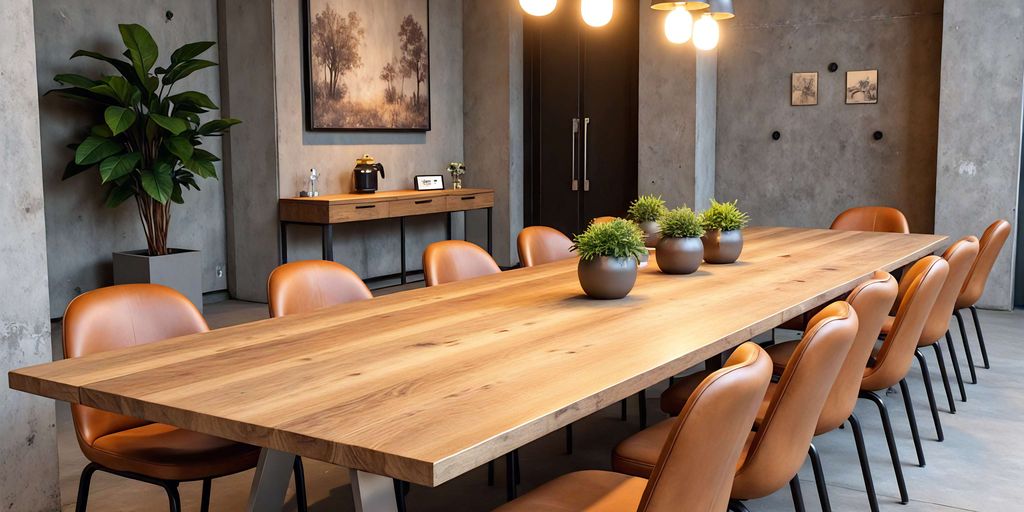
Choosing the right board room table is more than just picking a piece of furniture. It’s about creating a space that fosters collaboration, reflects your company’s style, and meets practical needs. With so many options out there, understanding what to look for can help you make the best decision for your boardroom. Let’s dive into the essentials of selecting the perfect board room table, where style meets function!
Key Takeaways
- Consider the size of your board room and the number of attendees when selecting a table.
- Choose materials that fit your office aesthetic and durability needs, like wood, glass, or metal.
- Think about the shape of the table; rectangular, round, or oval can influence the room’s dynamics.
- Look for functionality features like integrated tech solutions and storage options to keep the space organized.
- Set a budget that balances quality with your design needs, ensuring a worthwhile investment.
Understanding the Importance of Board Room Tables
Okay, so you’re thinking about getting a new board room table? Awesome! It might seem like just a piece of furniture, but trust me, it’s way more than that. It’s the epicenter of important decisions, client meetings, and team collaborations. Think of it as the stage where your company’s story unfolds.
A well-chosen board room table can seriously impact how your business operates. It sets the tone for meetings, influences perceptions, and even affects productivity. A cramped, outdated table can make everyone feel uncomfortable and hinder open communication. On the flip side, a spacious, well-designed table can foster creativity, encourage engagement, and project an image of success and professionalism.
Investing in a quality board room table is investing in your company’s future. It’s about creating a space where people feel valued, ideas flow freely, and deals get done. It’s about making a statement that says, "We’re serious about what we do, and we’re committed to excellence."
Here’s why it matters:
- First Impressions: It’s often the first thing clients or partners see when they enter your board room. Make it count!
- Collaboration Hub: It facilitates teamwork, brainstorming, and problem-solving.
- Decision-Making Powerhouse: It’s where critical business decisions are made, so comfort and functionality are key.
Key Factors to Consider When Choosing a Board Room Table
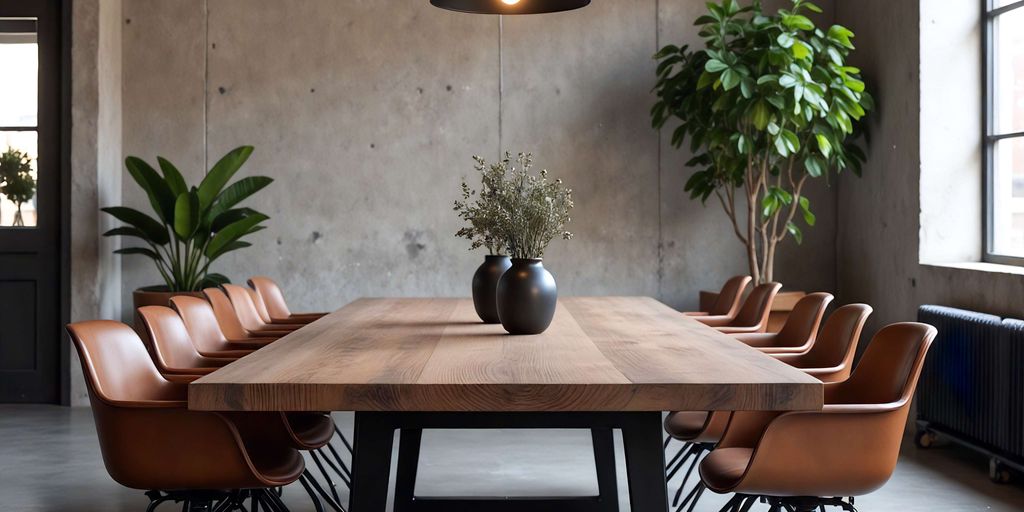
Alright, let’s get down to brass tacks. Picking out a boardroom table isn’t just about finding something that looks good (though that’s important, too!). It’s about finding a table that works for your team and your space. Here are some key things to keep in mind:
Size and Space Requirements
Okay, so first things first: how big is your boardroom? And how many people do you usually need to seat? You want a table that comfortably fits everyone without making the room feel cramped. I’ve seen boardrooms where the table is so big, you can barely walk around it – not ideal! On the flip side, a table that’s too small will have people bumping elbows and feeling generally uncomfortable. Think about the usual number of attendees, but also consider if you sometimes have larger meetings. Maybe an extendable table is the way to go? Here’s a quick guide:
- Small (4-6 people): 6-8 feet
- Medium (8-10 people): 10-12 feet
- Large (12+ people): 14+ feet
Material Options: Wood, Glass, and Metal
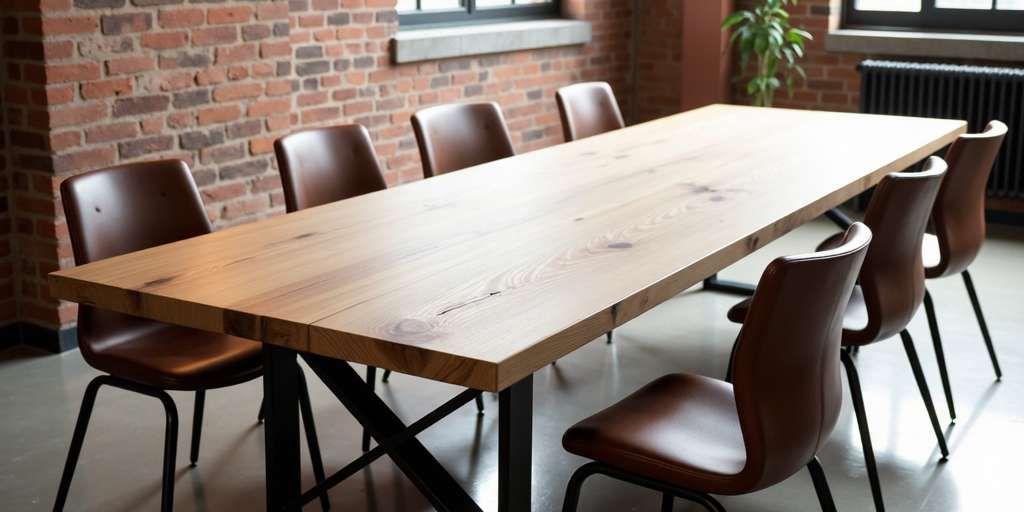
Now, let’s talk materials. Wood is classic and gives a warm, professional vibe. Glass can look super modern and sleek, but shows every fingerprint (speaking from experience here!). Metal is durable and can give an industrial edge. Each material has its pros and cons, so think about your company’s style and how the table will be used. For example, a solid wood conference table is a great choice for durability and modern elegance.
- Wood: Timeless, warm, can be scratched.
- Glass: Modern, sleek, shows smudges.
- Metal: Durable, industrial, can feel cold.
Don’t forget to consider the finish! A matte finish can hide scratches better than a high-gloss one. And think about the overall aesthetic of your office. You want the table to complement the space, not clash with it.
Shape Matters: Rectangular, Round, and Oval Tables
Finally, the shape! Rectangular tables are the most common, and they’re great for presentations and video conferencing because everyone can see the screen easily. Round tables are awesome for collaboration because everyone is facing each other, which can encourage more open discussion. Oval tables are kind of a mix of both – they offer good visibility and a collaborative feel. Consider the primary use of your boardroom when making this decision. If you’re hosting a brainstorming session, a round table might be perfect. If it’s mostly presentations, stick with rectangular. It’s all about finding the right fit!
Design Styles for Board Room Tables
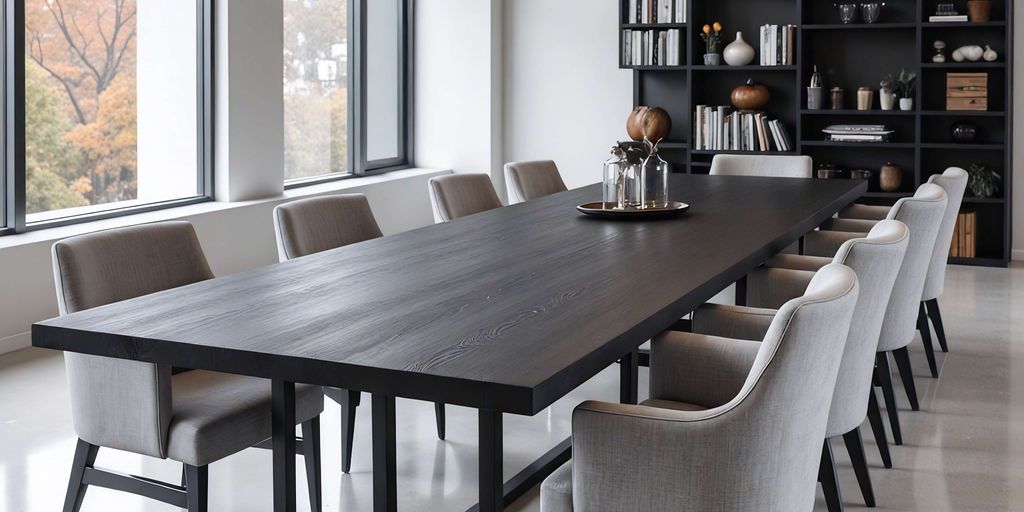
Choosing the right design style for your board room table is about more than just aesthetics; it’s about creating an environment that reflects your company’s culture and values. Let’s explore some popular design styles to help you find the perfect fit.
Modern vs. Traditional Designs
Modern board room tables often feature clean lines, minimalist designs, and materials like glass, metal, and sleek laminates. They can create a sense of innovation and forward-thinking. Traditional designs, on the other hand, lean towards rich woods, ornate details, and classic shapes, conveying stability and experience. The choice depends on the image you want to project.
Consider these points when deciding:
- Modern tables can make a small board room table feel more spacious.
- Traditional tables can add gravitas to a large board room table.
- Think about the existing decor of your office space.
Incorporating Branding into Your Table Choice
Your board room conference table is a great opportunity to reinforce your brand. Consider incorporating your company colors, logo, or even materials that reflect your brand’s identity. A custom board room table can be designed to perfectly match your brand aesthetic. This could be as simple as choosing a specific wood finish or as elaborate as embedding your logo into the table’s surface. Don’t underestimate the power of subtle branding to create a cohesive and professional environment. Explore various design options for your conference table, ensuring it aligns with your brand identity.
A well-thought-out design can transform your board room into a space that not only facilitates productive meetings but also reinforces your company’s brand identity and values. It’s an investment in your company’s image and culture.
When thinking about branding, also consider:
- The overall color scheme of your office.
- The materials used in other office furniture.
- How the table will look on video conferences.
Finally, remember that the board room table size and shape also contribute to the overall design. A rectangular table is classic, but a round or oval table can promote collaboration. Think about what best suits your meeting style and brand image.
Functionality Features to Look For
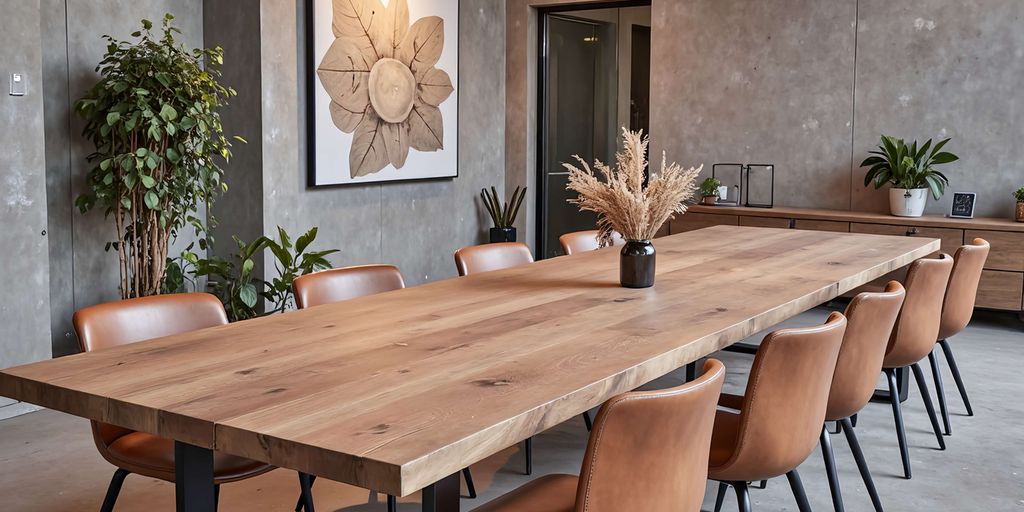
Okay, so you’ve got the size, shape, and style down. Now, let’s talk about making that board room table work for you. It’s not just a pretty surface; it’s a hub for collaboration, presentations, and important decisions. Think about what you need the table to do, not just what you want it to look like.
Integrated Technology Solutions
In today’s world, a board room table needs to be tech-ready. This means thinking beyond just a flat surface and considering how technology will integrate into your meetings. We’re talking about:
- Power outlets: Nobody wants to crawl under the table to find an outlet.
- USB ports: Essential for charging devices and quick data transfers.
- Data connectivity: Think Ethernet ports for reliable internet access.
- Wireless charging: A sleek, modern touch for compatible devices.
Consider tables with built-in compartments or cable management systems to keep things tidy. A clean, organized table promotes focus and reduces distractions. Meeting room displays are also a great idea, so everyone can see the presentation clearly.
Storage and Organization Options
Clutter is the enemy of productivity. A board room table with smart storage solutions can make a huge difference. Here are some ideas:
- Built-in drawers: Perfect for storing pens, paper, and other meeting essentials.
- Cabinets or shelves: Ideal for keeping presentation materials or reference books handy.
- Cable management systems: As mentioned above, these are crucial for keeping cords out of sight.
- Modular components: Tables that can be customized with different storage options offer flexibility.
Think about how your team uses the space. Do you need a place to store refreshments? Presentation clickers? Extra notepads? Addressing these needs with built-in storage will keep your board room looking professional and functioning smoothly.
Budgeting for Your Board Room Table Purchase
Okay, so you’ve got a vision for the perfect board room table. Now, let’s talk about the money! It’s easy to get carried away with fancy designs and high-end materials, but setting a realistic budget is super important. Here’s how to approach it:
Setting a Realistic Budget
First things first, figure out how much you can actually spend. This involves looking at your company’s finances and deciding what percentage can be allocated to this purchase. Don’t forget to factor in potential extra costs like shipping, installation, and any necessary electrical work if you’re going for a table with integrated tech. It’s always better to overestimate a little than to be caught short later on. Also, consider the lifespan of the table. A higher initial investment in a quality table might save you money in the long run by avoiding frequent replacements.
Understanding Price Ranges
Boardroom tables can vary wildly in price. You’ll find basic models starting around $1,500, but high-end, custom-built tables can easily climb into the $10,000 to $20,000+ range. Material plays a big role – solid hardwoods like walnut or oak will cost more than laminate or cheaper wood alternatives. Size also matters, obviously. A massive table that seats 20 people is going to be pricier than a smaller one for 8. Integrated technology, like power outlets and cable management systems, will also add to the cost.
Finding Cost-Effective Options
Don’t despair if your budget is on the smaller side! There are definitely ways to get a great table without breaking the bank. Consider these tips:
- Explore Refurbished Options: You can often find high-quality, used boardroom tables at a fraction of the original price.
- Opt for Simpler Designs: Intricate designs and exotic materials drive up costs. A clean, minimalist table can be just as stylish and functional.
- Compare Prices from Multiple Vendors: Get quotes from several suppliers to make sure you’re getting the best deal.
- Consider a DIY Approach (If Feasible): If you’re handy, you might be able to build a custom table yourself using affordable materials.
Remember, the goal is to find a table that meets your needs and fits your budget. Don’t be afraid to negotiate with vendors or explore alternative options to get the best value for your money.
When planning to buy a board room table, it’s important to set a budget. Think about how much you can spend without breaking the bank. Consider the size, style, and material of the table, as these factors can affect the price. Don’t forget to include delivery and setup costs in your budget. For more tips on choosing the right table for your space, visit our website today!
Wrapping It Up: Finding Your Ideal Board Room Table
So, there you have it! Picking the right board room table is all about balancing style and practicality. You want something that looks great and fits your office vibe, but it also needs to be functional and comfortable for everyone using it. Think about the size, shape, and materials that work best for your space. And don’t forget those little extras like cable management and built-in power outlets! Take your time, explore your options, and you’ll find a table that not only meets your needs but also makes a statement in your office. Happy table hunting!
Frequently Asked Questions
What size should I choose for a board room table?
The size of your board room table should depend on how many people will use it. Make sure it’s large enough to fit everyone comfortably, but not so big that it takes up too much space.
What materials are best for board room tables?
Common materials for board room tables include wood, glass, and metal. Each has its own look and feel, so choose one that fits your office style.
What shape is ideal for a board room table?
Rectangular tables are traditional and professional, while round tables are great for discussions. Choose a shape that suits your meeting style.
How can I incorporate technology into my board room table?
Look for tables that come with built-in power outlets and cable management to keep cords organized. This makes it easy to connect devices during meetings.
What’s the best way to match the table with my office design?
Consider your office’s colors and style. A table that matches the overall look will create a cohesive and professional environment.
How much should I budget for a board room table?
Prices can vary widely based on size, material, and features. Set a budget that reflects your needs and the quality you want.