
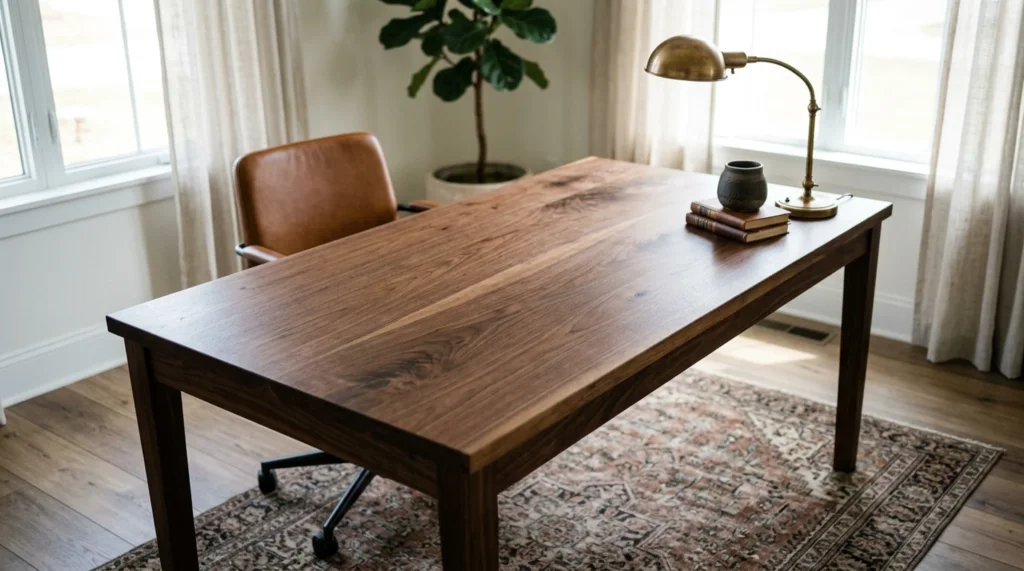
Choosing the right work table can make a big difference in how efficiently you work, whether at home or in a professional setting. A good work table should fit your space, support your tasks, and enhance your overall productivity. In this guide, we’ll break down everything you need to know about selecting the perfect work table for your needs, from understanding the different types available to key features that matter. Let’s dive in!
Key Takeaways
- Consider the purpose of your work table before making a choice.
- Different types of work tables serve various needs, like folding for storage or adjustable for comfort.
- Material and build quality impact durability and functionality.
- Measure your space and ensure the table fits well without overcrowding.
- Regular maintenance can extend the life of your work table.
Understanding the Importance of a Work Table
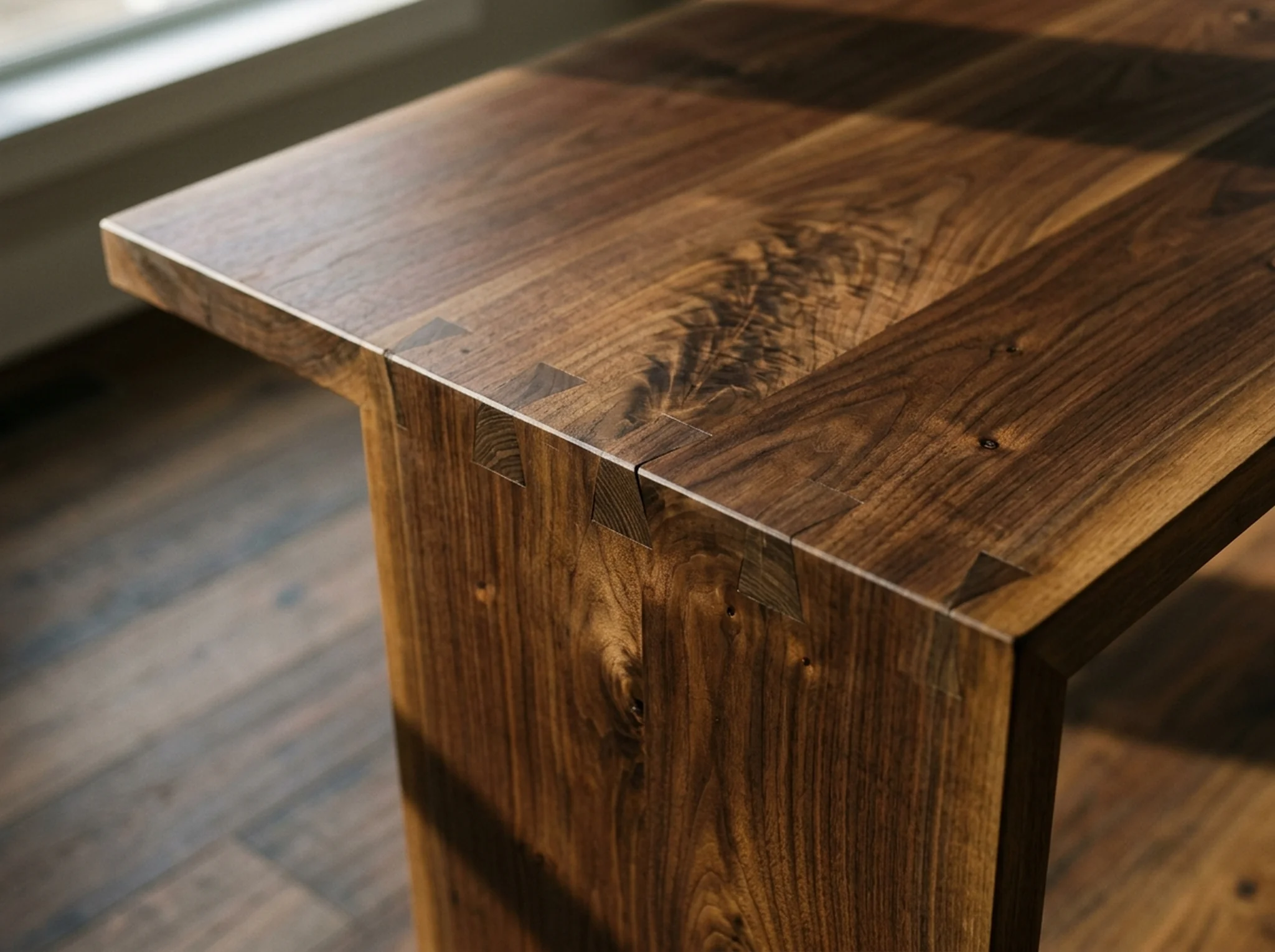
Okay, so you might be thinking, “It’s just a table, right?” But trust me, a good work table is way more than just a flat surface. It’s the command center for your projects, the foundation for your creativity, and, honestly, a game-changer for your productivity. Think of it as an investment in yourself and your work. A quality workbench can really make a difference.
Types of Work Tables
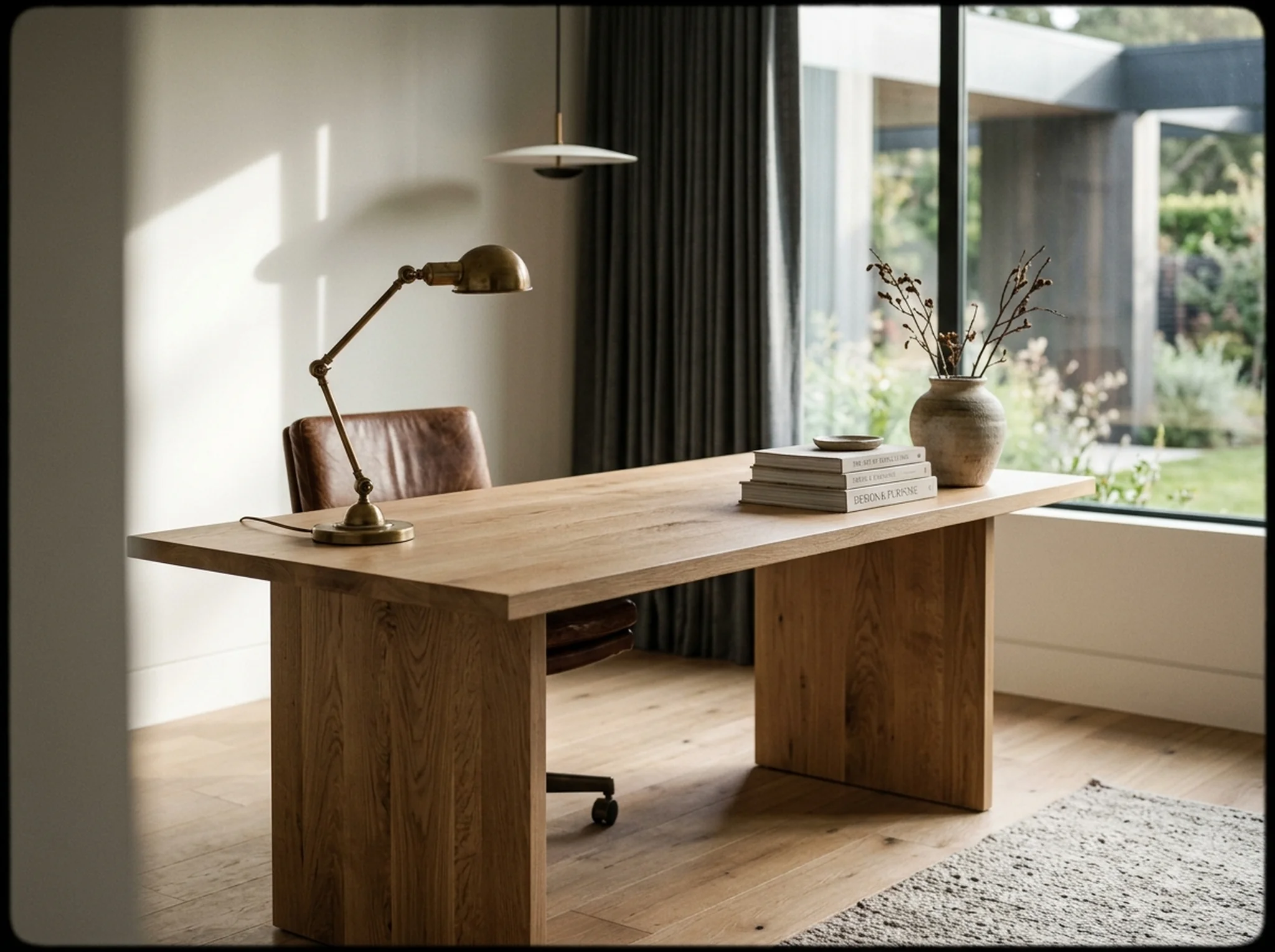
Choosing the right table work table can feel overwhelming, but breaking down the types available makes it easier. Let’s explore some common options to help you find the perfect fit for your needs.
1. Folding Work Tables
Folding work tables are all about convenience and flexibility. These tables are designed to be easily stored when not in use, making them ideal for small spaces or temporary setups. They’re great for DIY projects, crafting, or even as a temporary stainless steel work table in a pinch.
- Easy to store
- Lightweight and portable
- Ideal for small spaces
2. Adjustable Height Work Tables
Adjustable height work tables are a game-changer for ergonomics. These tables allow you to customize the height of your working table, so you can sit or stand while you work. This is especially beneficial if you spend long hours at your desk, as it can help reduce strain and improve posture. You can find both manual and electric options, depending on your budget and preferences. An adjustable height long table for work can be a great investment in your health and productivity.
- Promote better posture
- Reduce strain and fatigue
- Increase productivity
3. Fixed Height Work Tables
Fixed height work tables are the classic, no-frills option. These tables offer a stable and sturdy surface for a variety of tasks. They come in a range of sizes and materials, making it easy to find one that suits your specific needs. While they don’t offer the flexibility of adjustable height tables, they are often more affordable and can be a great choice if you have a dedicated workspace and a comfortable chair. A fixed height design work table is a reliable choice for many users.
- Stable and sturdy
- Affordable option
- Wide range of styles and materials
Key Features to Consider
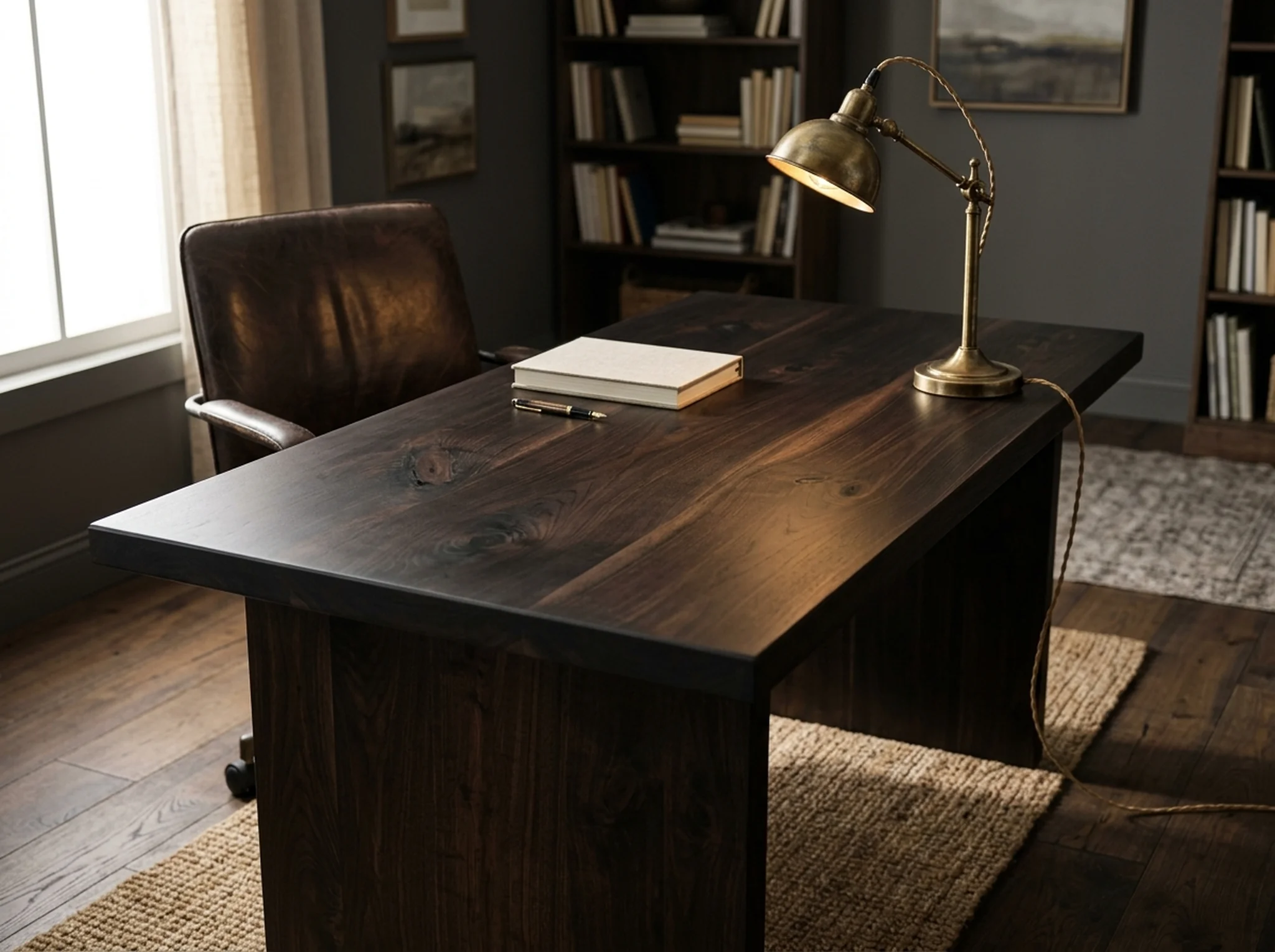
Alright, let’s get into the nitty-gritty of what makes a work table really good. It’s not just about having a flat surface; it’s about finding a table that fits your space, your work style, and can handle whatever you throw at it. Here’s what I always think about:
1. Size and Dimensions
First things first, measure your space! You don’t want to end up with a table that dominates the room or, even worse, doesn’t fit at all. Think about the kind of projects you’ll be working on. Do you need a huge surface for spreading out blueprints, or will a smaller table suffice for crafting or computer work? Also, consider the height – you want something that allows you to work comfortably without hunching over or straining. I know someone who bought a table that was way too low, and now they have back problems. Not fun!
2. Material and Durability
Okay, so the material of your work table is a big deal. Are we talking solid wood, laminate, steel? Each has its pros and cons. Solid wood is beautiful and sturdy but can be pricey. Laminate is more affordable and easy to clean, but might not hold up as well to heavy use. Steel is super durable, which is great if you’re doing some serious DIY, but it can look a little industrial for some folks. Think about what you’ll be doing on the table and how much wear and tear it’ll need to withstand.
3. Weight Capacity
This is one that people often overlook, but it’s super important! You need to know how much weight your work table can handle. If you’re planning on using it for heavy equipment or materials, you need a table that can support that weight without buckling or collapsing. Always check the manufacturer’s specifications and err on the side of caution. Better to have a table that’s over-engineered than one that gives way under pressure. Trust me, I’ve seen it happen, and it’s not pretty.
Choosing the Right Work Table for Your Needs
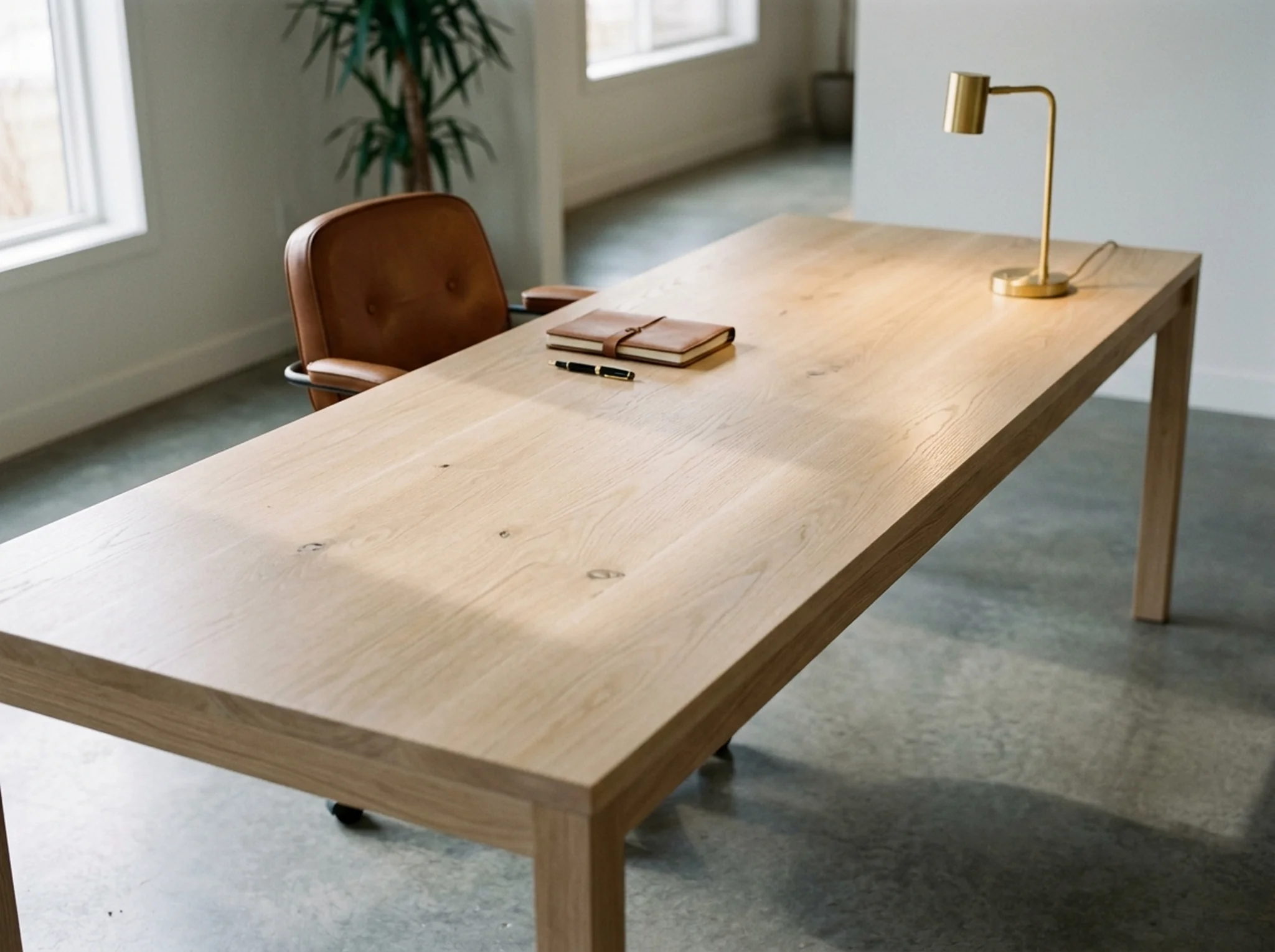
Alright, so you’ve got a handle on the different types of work tables and what features to look for. Now comes the fun part: figuring out which one is perfect for you. It really boils down to what you’ll be using it for. Let’s break it down:
1. For Home Use
Okay, home users, listen up! Your work table needs to be versatile. Maybe you’re into crafting, maybe you’re a student, or maybe you just need a spot to pay bills. Whatever it is, think about how often you’ll use it and what kind of projects you’ll be tackling. Space is often a concern in homes, so consider these points:
- Folding tables are great if you need to stash it away when not in use. They’re super convenient for temporary setups.
- Adjustable height tables can double as standing desks, which is awesome if you’re trying to be healthier while working from home. Plus, they can accommodate different users.
- Fixed height tables are a solid choice if you have a dedicated workspace and know exactly what height you need. They tend to be sturdier than folding tables.
Don’t forget about storage! A work table with drawers or shelves can help keep your space organized and clutter-free. Nobody wants to work in a messy environment, right?
2. For Professional Use
Now, for the pros! If you’re using a work table in a professional setting, durability and functionality are key. Think about the specific demands of your job. Are you a mechanic? An artist? A lab technician? Your table needs to stand up to the rigors of your work. Here’s what to consider:
- Material: Stainless steel is great for corrosive environments, while wood or laminate might be fine for lighter tasks. Choose a material that can withstand the demands of your work.
- Load Capacity: Make sure the table can handle the weight of your tools and materials. You don’t want it collapsing under pressure!
- Ergonomics: Adjustable height is almost a must for professional settings. You want to reduce worker fatigue and the risk of injuries. Consider a solid wood conference table for meetings.
Ultimately, choosing the right work table is about finding the best fit for your specific needs and circumstances. Take your time, do your research, and don’t be afraid to invest in a quality table that will last for years to come.
Maintenance Tips for Your Work Table
Alright, you’ve got your perfect work table. Now, let’s keep it in tip-top shape! A little maintenance goes a long way in extending the life and usability of your workspace. Trust me, future you will thank you for taking the time to do this.
1. Regular Cleaning
Wipe down your work table regularly to prevent buildup of dust, grime, and spills. Depending on the material, use appropriate cleaning solutions. For wood, a damp cloth followed by a dry one usually does the trick. For metal, you might need something a bit stronger. I usually just use a mild soap and water solution, and it works great. Don’t forget to clean those hard-to-reach spots, too!
2. Protecting the Surface
Consider using a protective mat or cover, especially if you’re working with materials that could scratch or stain the surface. This is especially important if you’ve got a nice wooden table. I’ve seen people use everything from simple plastic sheets to custom-cut mats. Find something that works for you and your projects.
3. Checking and Tightening Hardware
Over time, screws and bolts can loosen, especially if you’re moving your table around a lot. Periodically check all the hardware and tighten anything that feels loose. This will help maintain the stability of your table and prevent any wobbling. I usually do this every few months, just to be safe.
It’s easy to overlook maintenance, but a little effort can significantly extend the life of your work table. Regular cleaning, surface protection, and hardware checks are key to keeping your workspace functional and looking great.
4. Addressing Stains and Scratches
Accidents happen! If you do get a stain or scratch, address it as soon as possible. For stains, try a gentle cleaning solution first. For scratches, there are wood fillers and touch-up markers that can help. The sooner you deal with these issues, the less likely they are to become permanent problems. I had a coffee spill last week, and thankfully, I cleaned it up right away, and you can’t even tell it happened.
5. Proper Storage (for Folding Tables)
If you have a folding work table, make sure you store it properly when it’s not in use. This usually means keeping it in a dry place and protecting it from extreme temperatures. Also, be sure to follow the manufacturer’s instructions for folding and unfolding the table to avoid damaging the mechanism. I’ve seen people try to force them open or closed, and it never ends well.
Wrapping It Up
So, there you have it! Picking the right work table doesn’t have to be a headache. Just think about what you need, how much space you have, and what style fits your vibe. Whether you’re crafting, working from home, or just need a spot for your laptop, there’s a perfect table out there for you. Don’t rush it—take your time to find something that feels right. After all, a good work table can make all the difference in how you get things done. Happy table hunting!
Frequently Asked Questions
What is the best type of work table for home use?
For home use, a folding or adjustable height work table is great. They are versatile and can fit in smaller spaces.
How do I choose the right size work table?
Measure your space and think about what you will use the table for. Make sure it has enough room for your projects.
What materials are best for a work table?
Solid wood or metal tables are strong and last a long time. They can handle heavy items and tough work.
Can I customize my work table?
Yes! Many companies offer options to customize size, color, and features to fit your needs.
How should I maintain my work table?
Keep it clean and check for any damage. Use a wood conditioner for wooden tables to keep them looking good.
What features should I look for in a work table?
Look for size, material, weight capacity, and any extra features like shelves or drawers for storage.
Trusted by Industry Leaders