
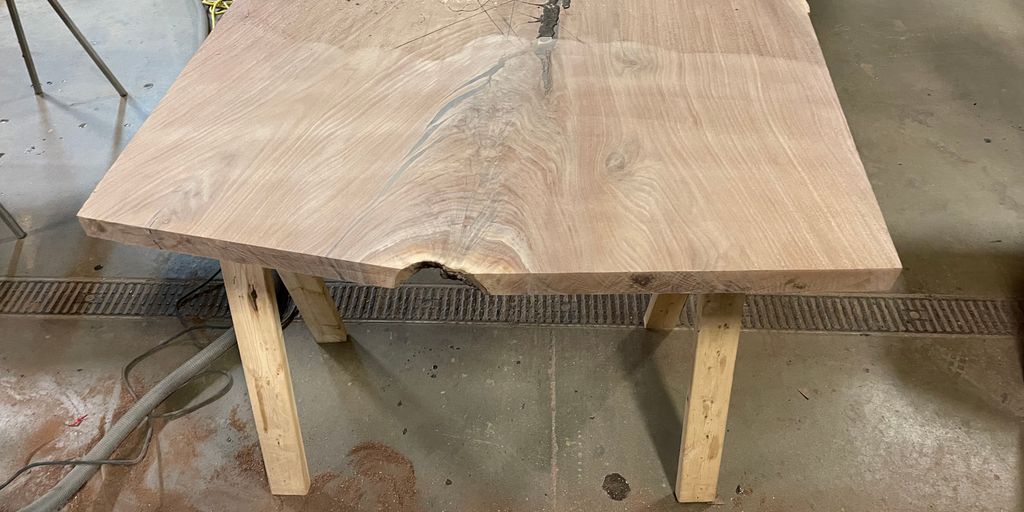
Live edge tables are a stunning way to bring a piece of nature into your home. But keeping them in great shape can be a bit of a challenge. Warping and cracking are common problems that can ruin the look and durability of your table. So, how do you prevent a live edge table from warping and cracking? In this post, we’ll break down some easy tips to help keep your table looking as good as the day you got it.
Key Takeaways
- Choose the right type of wood for your live edge table, like walnut or oak, which are more stable.
- Seal and finish both sides of the table to protect it from moisture and uneven wood movement.
- Keep your table in a room with stable temperature and humidity levels to prevent warping.
- Clean and maintain your table regularly to avoid scratches, stains, and long-term damage.
- Use coasters, placemats, and avoid direct sunlight to protect your table’s surface.
Introduction
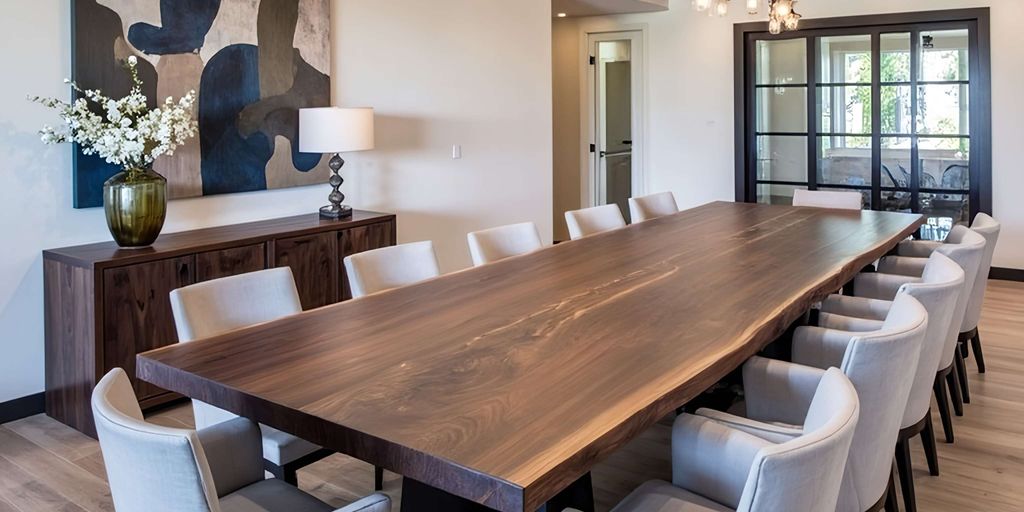
Live edge tables have a certain charm, don’t they? They bring the outdoors inside, showcasing the natural beauty of wood in a way that feels both rustic and modern. But owning one isn’t just about admiring its looks—it’s also about taking care of it. These tables require a bit of extra love to keep them in great shape.
Without proper care, live edge tables can face some common issues, like warping or cracking. This happens because wood is a natural material that reacts to its environment. If you’ve ever noticed a table edge curling slightly or tiny splits forming, you know exactly what I mean.
A live edge table isn’t just furniture; it’s a piece of nature in your home. Treat it well, and it’ll last for years to come.
Understanding Live Edge Tables
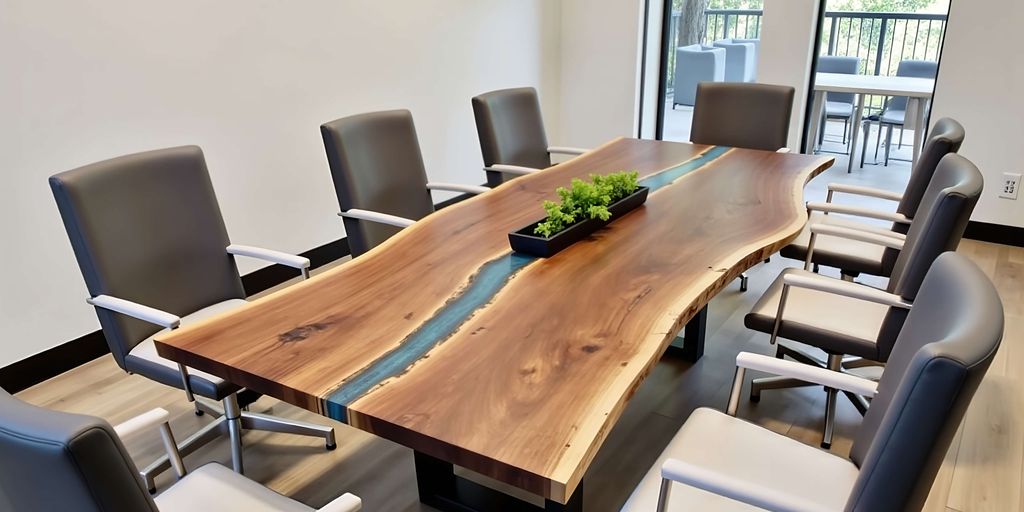
What Makes Live Edge Tables Unique?
Live edge tables are more than just furniture—they’re art. The defining feature of these tables is the natural edge of the wood slab, which is preserved during crafting. This raw, organic look brings a slice of nature into your home, making every piece one-of-a-kind. No two live edge tables are identical, thanks to the unique grain patterns, knots, and imperfections that tell the story of the tree it came from.
What’s especially great about live edge tables is their versatility. They can fit in rustic, modern, or industrial spaces with ease. Plus, they’re made from solid wood, which means they’re built to last. But that also means they need special care to keep them looking their best.
Common Issues: Warping and Cracking
While live edge tables are stunning, they’re not without challenges. Two of the most common problems are warping and cracking. These issues often stem from wood’s natural tendency to expand and contract with changes in humidity and temperature. Without proper live edge table maintenance, you might notice the table losing its shape or developing unsightly splits.
Here are a few reasons why this happens:
- Humidity Fluctuations: Wood absorbs and releases moisture depending on the environment, which can cause it to swell or shrink.
- Improper Sealing: If the table isn’t sealed properly, it becomes more vulnerable to environmental changes.
- Natural Wood Movement: Even the best-crafted tables are subject to the natural movement of wood over time.
Caring for a live edge table means understanding that it’s a living material, even after it’s been turned into furniture. With the right precautions, you can prevent these issues and enjoy your table for years to come.
Why Do Live Edge Tables Warp and Crack?
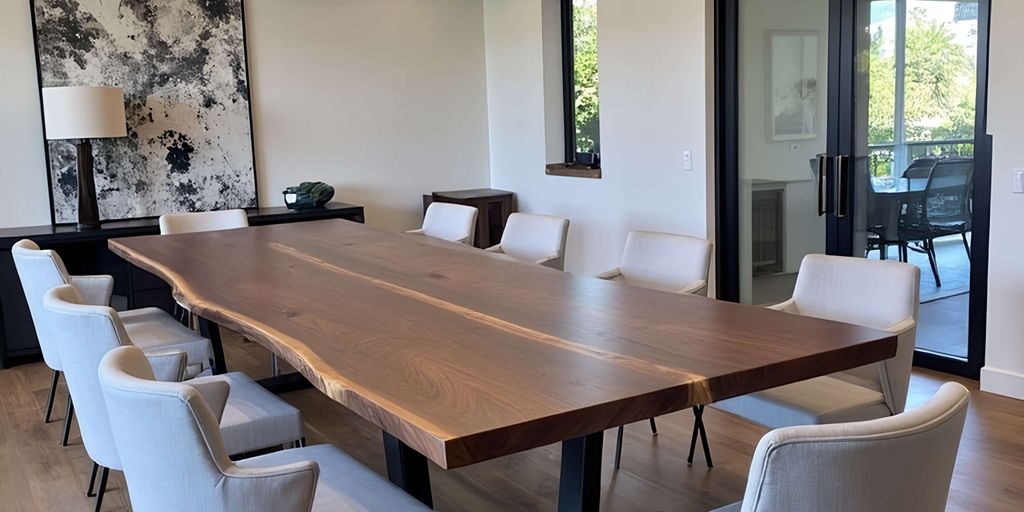
Environmental Factors
Wood is a natural material, and it reacts to changes in its surroundings. One of the biggest culprits behind warping and cracking is fluctuating humidity levels. When the air gets too dry, the wood loses moisture and shrinks, which can lead to cracks. On the flip side, high humidity causes the wood to absorb moisture, making it swell and potentially warp. Maintaining stable indoor conditions is key to preventing these issues.
Other environmental factors include sudden temperature changes and exposure to direct sunlight. For example, placing your table near a heating vent or a sunny window can accelerate drying and uneven movement in the wood.
Wood Characteristics
Not all wood species behave the same way. Hardwoods like walnut and oak are often more stable than softwoods, but even they are not immune to movement. A live edge table still has its natural edge intact, which means the wood’s grain and natural imperfections can make it more prone to changes over time.
Additionally, improperly dried wood is a major contributor to warping and cracking. If the wood wasn’t kiln-dried or air-dried properly before being turned into a table, it’s likely to shift and move as it adjusts to your home’s environment. This is why preventing wood warping starts with selecting high-quality, properly dried lumber.
The beauty of live edge tables lies in their natural imperfections, but understanding these vulnerabilities can help you enjoy your table for years without worry.
Preventive Measures to Protect Your Live Edge Table
Proper Wood Selection
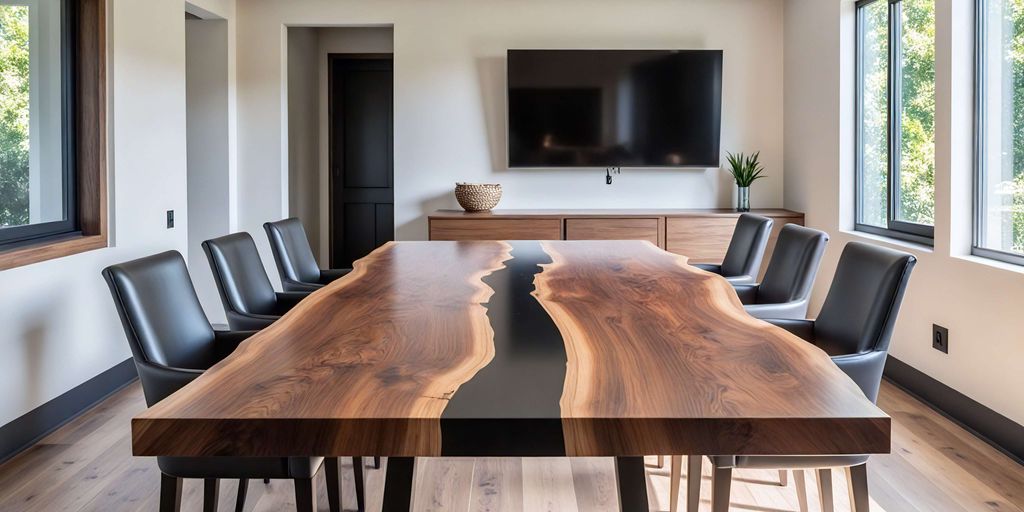
When choosing your live edge table, start with the right wood. Hardwoods like walnut, oak, and maple are less prone to warping and cracking. Opting for kiln-dried wood is a must—it helps reduce moisture content, which is a big factor in preventing future issues. Always ask your furniture maker about the wood’s origin and drying process. Picking the right material is your first step in protecting wood tables from cracking.
Sealing and Finishing Techniques
A good sealant is your table’s best friend. High-quality finishes, like polyurethane or hardwax oil, act as a barrier against moisture and stains. Make sure the edges, especially the live edge, are well-coated. If you’re into DIY, apply the finish in thin, even layers, sanding lightly between coats. For those who prefer a professional touch, ask about UV-resistant finishes to prevent fading. These small steps are key tips for preserving wood surfaces.
Maintaining Stable Indoor Conditions
Wood is a natural material and reacts to its environment. Keep your table away from direct sunlight, radiators, or air conditioners. Sudden temperature changes or humidity swings can cause warping. Use a humidifier in the winter and a dehumidifier in the summer if needed. Aim for a consistent indoor humidity level of 30-50%—this is a game changer for how to care for live edge furniture.
Regular Maintenance and Care
Stay on top of basic upkeep to keep your table looking its best. Dust it regularly with a soft cloth to avoid scratches. Wipe up spills immediately to prevent stains or water damage. For an extra layer of care, polish the surface with furniture wax every few months. These simple habits go a long way in protecting wood tables from cracking and keeping your live edge table beautiful for years to come.
Consistent care isn’t just about looks—it’s about preserving the story your live edge table tells. A little effort now saves you headaches later.
Conclusion
Wrapping up, keeping your live edge table in great shape doesn’t have to be complicated. With a little care and attention, you can enjoy its natural beauty for years to come. The key is to stay proactive—choose the right wood, apply proper sealing, and maintain a stable indoor environment. Regular maintenance, like cleaning and inspecting for early signs of wear, goes a long way.
If you’re in the market for a statement piece, consider the Live Edge Black Walnut Epoxy River Table from Fargo Woodworks. It’s not just furniture; it’s a work of art that combines craftsmanship and durability. By following these tips, you’ll ensure your live edge table remains the centerpiece of your space, unwarped and crack-free.
Wrapping It Up
Taking care of your live edge table doesn’t have to be complicated. A little attention to moisture, temperature, and regular cleaning can go a long way in keeping it looking as stunning as the day you got it. Remember to seal both sides, stabilize any cracks, and avoid placing it in harsh conditions like direct sunlight or near heating vents. These simple steps will help your table stay strong and beautiful for years to come. After all, a live edge table isn’t just furniture—it’s a piece of art that deserves a little extra love.
Frequently Asked Questions
What is a live edge table?
A live edge table keeps the natural edge of the wood, showcasing its unique shape and character. It highlights the beauty of the wood’s grain and natural imperfections.
Why do live edge tables warp or crack?
Warping and cracking happen due to changes in temperature, humidity, or improper wood drying. These factors cause the wood to expand or shrink unevenly.
How can I prevent my live edge table from warping?
You can prevent warping by sealing both sides of the table, maintaining stable indoor conditions, and keeping it away from direct sunlight or moisture.
What types of wood are best for live edge tables?
Hardwoods like black walnut, white oak, maple, cherrywood, and ash are excellent choices because they are durable and less prone to warping or cracking.
How do I maintain a live edge table?
Dust regularly with a soft cloth, clean spills immediately, and occasionally apply furniture wax to keep the wood hydrated and shiny.
Can I customize my live edge table?
Yes, many furniture makers offer customization options for size, wood type, edge style, and finishes to match your preferences.