
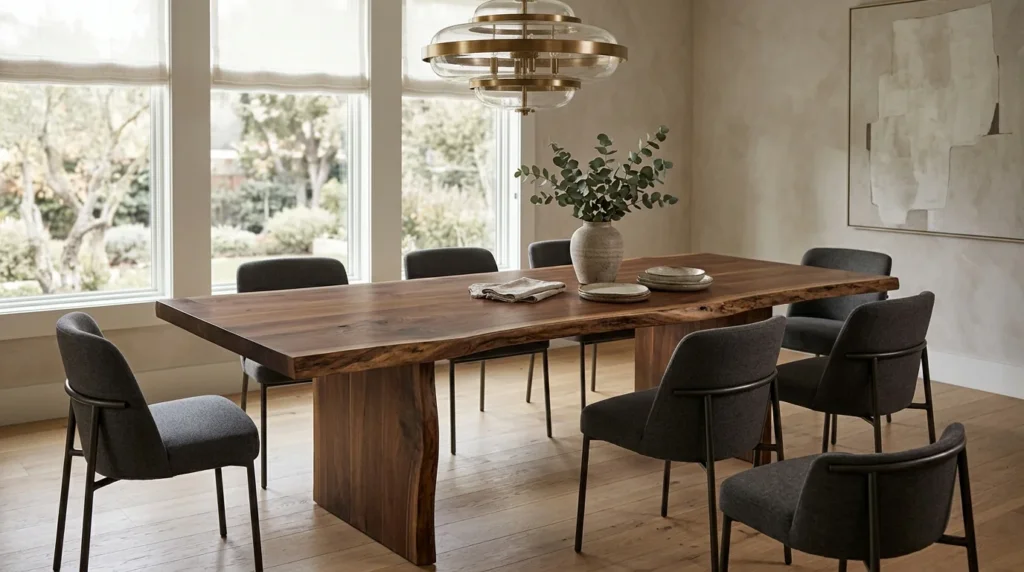
Live edge tables are all the rage these days. They’re unique, stylish, and bring a natural vibe to any space. But, let’s be real—these stunning pieces can come with a hefty price tag. If you’ve ever wondered, “How much do live edge tables cost?” you’re in the right place. In this article, we’ll break down everything you need to know about the costs, from what affects the price to where you can find one that fits your budget.
Key Takeaways
Live edge tables are made from natural wood slabs and retain the tree’s original edge, giving them a unique look.
Prices can range widely from $1,500 to over $20,000+ depending on factors like wood type, size, and craftsmanship.
Budget-friendly options often use less expensive woods and simpler designs, while luxury tables feature premium materials and custom details.
Customization, such as epoxy finishes or intricate designs, will significantly increase the cost.
You can find live edge tables at furniture stores, online marketplaces, and from local artisans specializing in custom pieces.
Introduction to Live Edge Tables
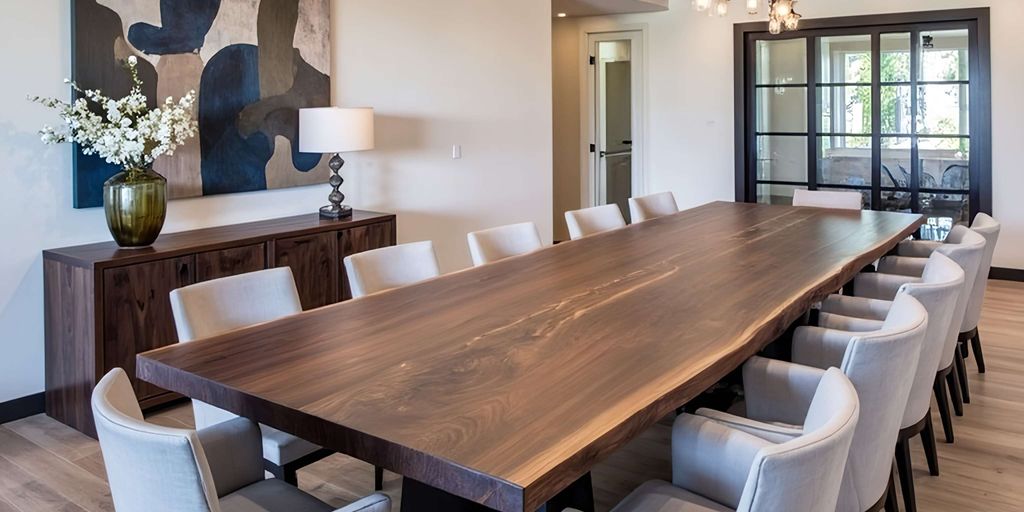
Live edge tables have a way of blending natural beauty with functional design. They’re not just furniture; they’re statement pieces that bring a touch of the outdoors into your home. What makes them special is their organic, unfinished edges, which preserve the natural shape of the tree they came from. No two live edge tables are ever the same, making each one a unique addition to your space.
If you’re unfamiliar with the term, a live edge refers to the natural edge of the wood slab. Instead of cutting it into a uniform shape, the artisan keeps the wood’s original curves and imperfections intact. This creates a raw, rustic look that’s perfect for both modern and traditional interiors. Whether it’s a dining table, coffee table, or desk, these pieces stand out in any room.
A live edge table isn’t just furniture—it’s a piece of nature, crafted to fit your life.
People love live edge tables for their versatility. They can be paired with sleek metal legs for a modern vibe or chunky wooden bases for a more traditional feel. The wood species used—like walnut, oak, or cherry—also plays a big role in the table’s overall look and durability. And if you’re thinking about customization, the possibilities are endless. From size to finish, you can create a table that’s truly yours.
In short, live edge tables are more than just a trend. They’re timeless pieces that combine craftsmanship with the raw beauty of nature. Whether you’re furnishing a dining room or a home office, these tables are worth considering.
What Are Live Edge Tables?
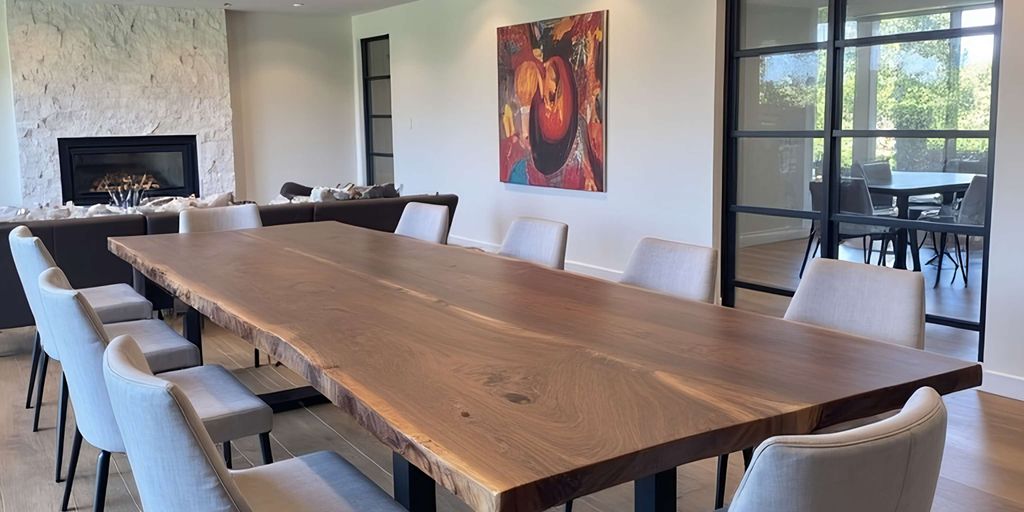
Live edge tables are a unique style of furniture that captures the natural beauty of wood in its rawest form. Unlike traditional furniture, which often has smooth, uniform edges, live edge tables retain the natural, uneven outline of the tree from which the wood was cut. This means every piece is genuinely one-of-a-kind, showcasing knots, grain patterns, and even imperfections that add character.
The term “live edge” refers to the way the edges of the wood slab are left untouched, preserving the organic shape of the tree. It’s like bringing a slice of nature directly into your home. These tables are commonly crafted from hardwoods like walnut, oak, maple, or cherry, which are prized for their durability and stunning appearance.
Why Choose a Live Edge Table?
Uniqueness: No two live edge tables are identical, making them a truly personal addition to any space.
Versatility: They fit seamlessly into various interior styles, from rustic to modern.
Sustainability: Many live edge tables are made from reclaimed or responsibly sourced wood, making them an eco-friendly choice.
A live edge table isn’t just furniture—it’s a conversation piece, a functional work of art, and a way to connect with nature in your everyday life.
Whether used as a dining table, coffee table, or desk, these pieces stand out for their natural elegance and timeless appeal.
Factors That Influence the Cost of Live Edge Tables
Type of Wood Used
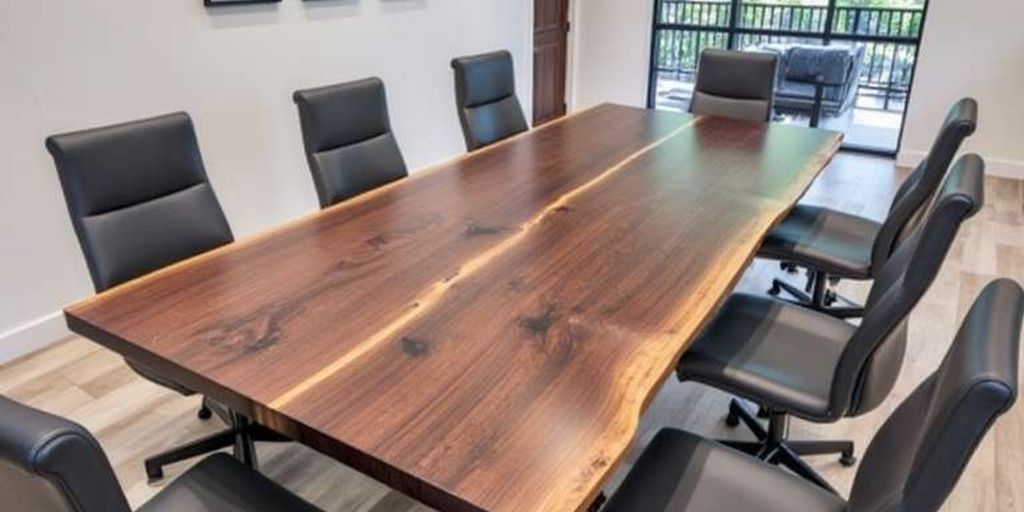
The type of wood chosen for a live edge table plays a huge role in determining its cost. Premium woods like walnut, cherry, and white oak are often more expensive due to their durability, grain patterns, and availability. On the other hand, more budget-friendly options like pine or red oak can help reduce costs. If you’re looking for something in the middle, maple or ash might strike the right balance between beauty and price.
Size and Dimensions
Naturally, a larger table requires more wood, more labor, and sometimes specialized tools to handle the extra size. A coffee table will cost significantly less than a dining table that seats ten. The thickness of the slab also matters—thicker slabs can cost more but add a sense of sturdiness and luxury.
Craftsmanship and Customization
Customization is where costs can really start to climb. Whether it’s adding intricate bowtie inlays, epoxy resin accents, or a unique design for the legs, the more personalized the table, the higher its price tag. Handcrafted pieces also tend to cost more due to the time and skill involved.
Finish and Additional Features
The finish on a live edge table isn’t just about looks—it also protects the wood. Options range from basic oil finishes to more labor-intensive epoxy coatings or multi-step hardwax applications. Additional features like built-in storage, multi-tiered bases, or custom metalwork can also increase the final price of the table.
Building a live edge table is like creating a piece of art. Every choice—from the wood species to the finish—adds a layer of personality and cost to the final product.
Price Ranges for Live Edge Tables
Budget-Friendly Options
If you’re looking for a live edge table without breaking the bank, there are options starting around $1,250. These tables typically use more affordable woods like Pine and Red Oak and have simpler designs. Here’s what you might expect in this range:
Smaller sizes, such as coffee tables or compact dining tables.
Minimal customization or add-ons.
Basic finishes without epoxy or intricate details.
Type of Table | Estimated Cost |
|---|---|
Coffee Table | $1,250 – $1,800 |
Small Dining Table | $2,000 – $5,000 |
Mid-Range Live Edge Tables
For those willing to spend a bit more, mid-range live edge tables fall between $2,500 and $5,000. These often feature higher-quality wood species like maple or cherry and may include moderate customization. Key features include:
Medium to large dining tables or desks.
Enhanced finishes, possibly with epoxy accents.
Improved craftsmanship and sturdier bases.
Type of Table | Estimated Cost |
|---|---|
Medium Dining Table | $3,000 – $4,500 |
Work Desk | $2,800 – $4,000 |
High-End and Luxury Live Edge Tables
At the top of the scale, high-end live edge tables can cost anywhere from $5,000 to $20,000 or more. These are true statement pieces, often crafted from premium woods like black walnut. They’re fully customizable and showcase exceptional craftsmanship. Features may include:
Large dining or conference tables.
Unique finishes like epoxy river designs.
Handcrafted bases and intricate details.
Type of Table | Estimated Cost |
|---|---|
Large Dining Table | $5,000 – $10,000 |
Conference Table | $7,000 – $20,000 |
Custom Statement Piece | $10,000+ |
Tip: When considering the cost of live edge furniture, remember that factors like wood species, size, and customization significantly affect the final price. A good live edge table pricing guide can help you decide what fits your budget best.
Where to Buy Live Edge Tables
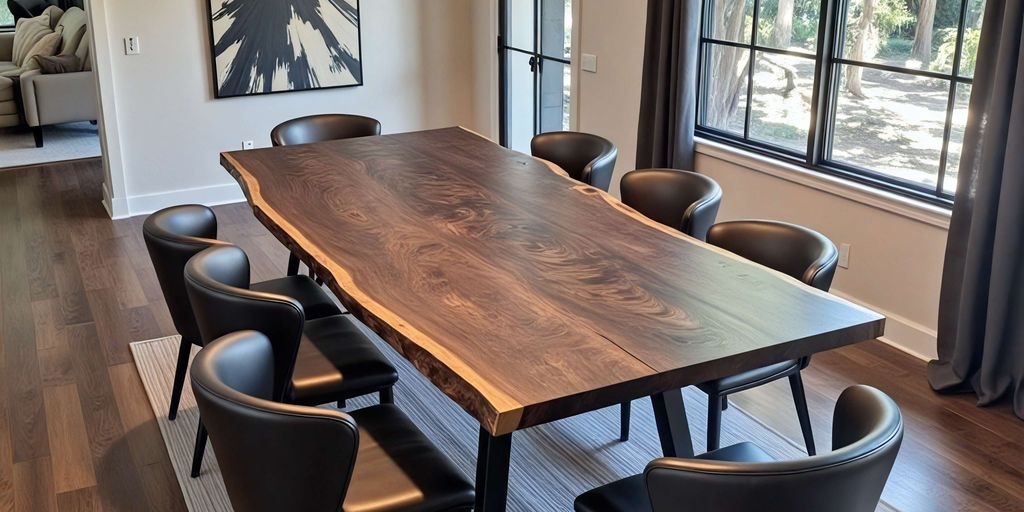
When it comes to finding the perfect live edge table, you’ve got a variety of options depending on your budget, style preferences, and how much customization you’re after. Whether you’re looking for affordable live edge options or high-end custom designs, here’s where you can start your search:
Local Furniture Stores
Why shop local? Many local stores offer handcrafted live edge tables made by skilled artisans. You can often see the pieces in person, feel the wood’s texture, and even discuss customization options directly with the makers.
Look for stores that specialize in solid wood furniture or custom woodworking for unique, durable pieces.
Online Retailers
Shopping online opens up a world of possibilities. Websites that specialize in handcrafted furniture often have a wide range of live edge tables to choose from.
Pro Tip: When buying live edge tables online, check reviews and ensure the retailer provides detailed product descriptions, including wood type, dimensions, and finish options.
Specialty Woodworking Shops
These shops are perfect if you’re looking for a table that’s one-of-a-kind. Many offer bespoke services, allowing you to choose the wood species, dimensions, and even the finish.
The craftsmanship is often top-tier, but keep in mind, custom designs can come with a higher price tag.
Furniture Collections
Some brands, like Explore the Live Edge Collection, offer curated collections featuring unique furniture pieces. These collections often include dining tables, desks, and benches at various price points.
Finding the right live edge table doesn’t have to be overwhelming. Explore all your options, and don’t hesitate to ask questions about customization, delivery, and warranties. A little research can go a long way in ensuring you get a table that fits your space and budget perfectly.
Conclusion: Finding the Right Live Edge Table for Your Budget
Choosing the perfect live edge table that suits your budget doesn’t have to be overwhelming. It’s all about balancing what you love with what you can afford. Whether you’re after a simple, smaller table or a grand, custom-designed centerpiece, there’s an option out there for you.
Here are some quick tips to help you narrow down your choice:
Start with the wood type: Some woods, like Pin Oak, are more affordable, while others, like Black Walnut, come with a higher price tag.
Think about size: A smaller table not only costs less but also requires less maintenance and space.
Skip extras if needed: Features like epoxy finishes or intricate designs can add significant costs. Stick to simpler options if you’re on a budget.
Set a clear budget: Knowing your limit upfront will help you focus on options that are realistic for you.
Remember: A live edge table isn’t just furniture—it’s a statement piece that can last a lifetime. Investing in quality now means enjoying it for years to come.
No matter your budget, the key is to find a table that speaks to your style and meets your needs. Take your time, explore your options, and you’ll end up with a piece that’s truly worth it.
Wrapping It Up
So, there you have it—live edge tables are an investment, but one that’s worth every penny if you’re after something unique and built to last. Whether you’re eyeing a smaller dining table or a massive conference centerpiece, the price will depend on the wood, size, and custom features you choose. Sure, it’s not the cheapest furniture out there, but the craftsmanship and character you get are hard to beat. If you’re ready to bring a one-of-a-kind piece into your space, take your time, explore your options, and don’t be afraid to ask questions. After all, this is a table you’ll enjoy for years to come.
Frequently Asked Questions
What is a live edge table?
A live edge table is a piece of furniture that keeps the natural edge of the wood slab, showcasing its unique shape and grain. It blends rustic charm with modern design.
How much does a live edge table cost?
The price of a live edge table can range from $1,500 to $20,000, depending on factors like wood type, size, craftsmanship, and customization.
What types of wood are commonly used for live edge tables?
Popular choices include black walnut, white oak, maple, cherry, and hickory. Each wood type has its own unique look and price point.
Can I customize a live edge table?
Yes, many sellers offer customization options for size, wood type, finish, and base style to match your preferences and space.
Where can I buy live edge tables?
You can purchase live edge tables from furniture artisans, specialty stores, or online retailers that focus on handcrafted wood furniture.
Are live edge tables durable?
Yes, live edge tables are made from solid wood and are built to last for years. Proper care, like cleaning and occasional refinishing, will help maintain their beauty.
Trusted by Industry Leaders
Join the Journal
New writing, delivered occasionally.
Quiet notes on craft, materials, and finished pieces — sent only when there's something worth reading.