
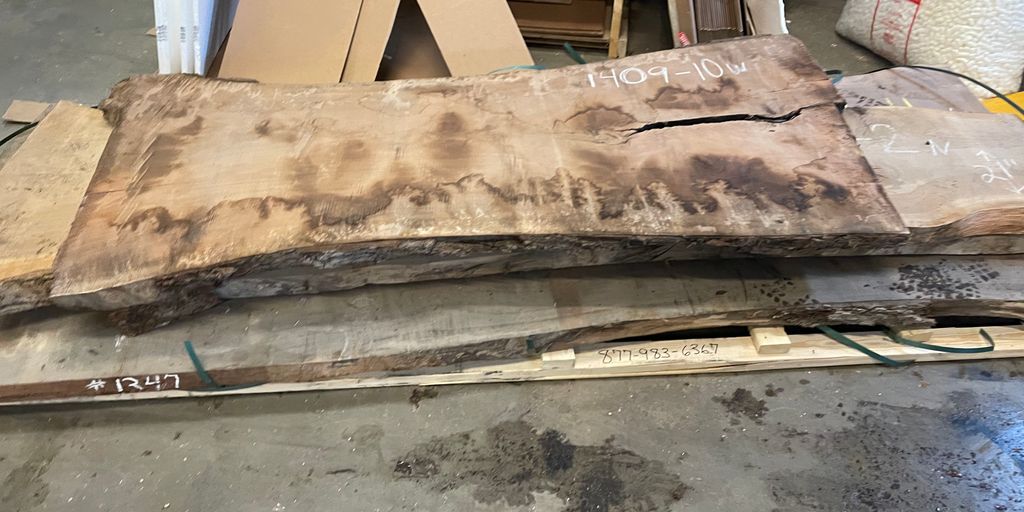
Drying live edge slabs takes time and patience, but it’s super important if you want to end up with a durable, crack-free piece of wood. Whether you’re building a table, a shelf, or some other project, rushing the drying process can lead to major headaches later. So, how long does it take to dry live edge slabs? Well, that depends on a few things like the type of wood, its thickness, and how you’re drying it. Let’s break it all down so you know what to expect.
Key Takeaways
Drying live edge slabs can take anywhere from several months to a few years depending on the method and wood thickness.
Air drying typically requires about one year per inch of thickness before moving to kiln drying.
Kiln drying speeds up the process and can take 1-3 months after air drying is complete.
Properly dried slabs are less likely to crack, warp, or shrink over time, making them more durable.
Using a moisture meter is essential to ensure the slab is ready for use, with a target moisture level of 6-8%.
Introduction
Drying live edge slabs isn’t just about patience—it’s about doing it right. These slabs, with their natural edges and unique grain patterns, are prized for their rustic charm and versatility. Whether you’re planning to craft a dining table, a coffee table, or even a custom piece like the Spalted Maple Slab 1461-1 from Fargo Woodworks, the drying process is a critical step that can’t be rushed.
Wood, being a natural material, retains moisture even after it’s cut. Proper drying ensures the slab remains stable over time, preventing issues like cracking, warping, or splitting. It’s not just about aesthetics; it’s about making sure your project lasts for years to come.
A well-dried slab is the foundation of any successful woodworking project. Skipping this step is like building a house on shaky ground—it might look good initially, but problems will show up sooner or later.
In this article, we’ll walk through the factors that influence drying time, the methods available, and how to ensure your slab is ready for use. Let’s get started!
What Are Live Edge Slabs?
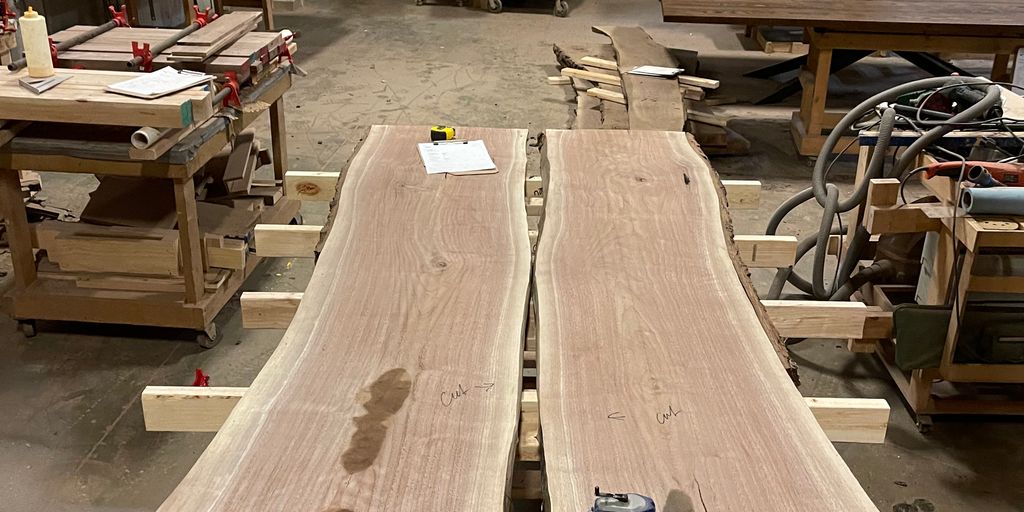
Live edge slabs are slices of wood that preserve the tree’s natural edge, including its unique curves, knots, and imperfections. Unlike traditional lumber, which is often cut into uniform shapes, live edge slabs keep the wood’s organic features intact, showcasing the raw beauty of nature. These slabs are typically used for crafting furniture like tables, benches, and countertops, making them a popular choice for rustic or modern designs.
Key Characteristics of Live Edge Slabs:
Natural Edge: The outer edge of the slab reflects the tree’s original shape, often including bark or exposed grain.
Unique Patterns: Each slab has one-of-a-kind grain patterns, knots, and textures.
Variety of Uses: Common in furniture, shelving, and decorative pieces.
Live edge slabs offer a way to bring the outdoors inside, blending natural aesthetics with functional design.
If you’re interested in learning more about how live edge slabs are milled and prepared, check out the process of live edge slab milling. This step is crucial to highlight the wood’s natural beauty while ensuring its durability for long-term use.
Why Proper Drying Is Essential
Preventing Cracks and Warping
When live edge slabs aren’t dried correctly, they can develop cracks or warp over time. This happens because wood shrinks unevenly as it loses moisture. Proper drying ensures that the moisture content (MC) is reduced gradually and evenly, minimizing these risks. For example, hardwoods like oak can shrink by 6%-10% tangentially and 3%-5% radially. If this process isn’t controlled, the slab may twist or split, ruining its appearance and structural integrity.
Ensuring Durability and Longevity
Drying also plays a big role in how long your slab will last. Wood that’s too wet is prone to decay, mold, and even pest infestations. By drying slabs to an MC of 6%-8%, you create a more stable and durable product. This is especially important for furniture or surfaces that need to withstand daily use. Additionally, air-dried slabs can be moved to a kiln for finishing, where the core is heated to over 170°F to kill any insects or larvae hiding inside.
Drying live edge slabs is as much about patience as it is about technique. Rushing the process can lead to irreversible damage, while proper drying sets the foundation for a slab that will last years, if not decades.
Factors That Affect Drying Time
Wood Species
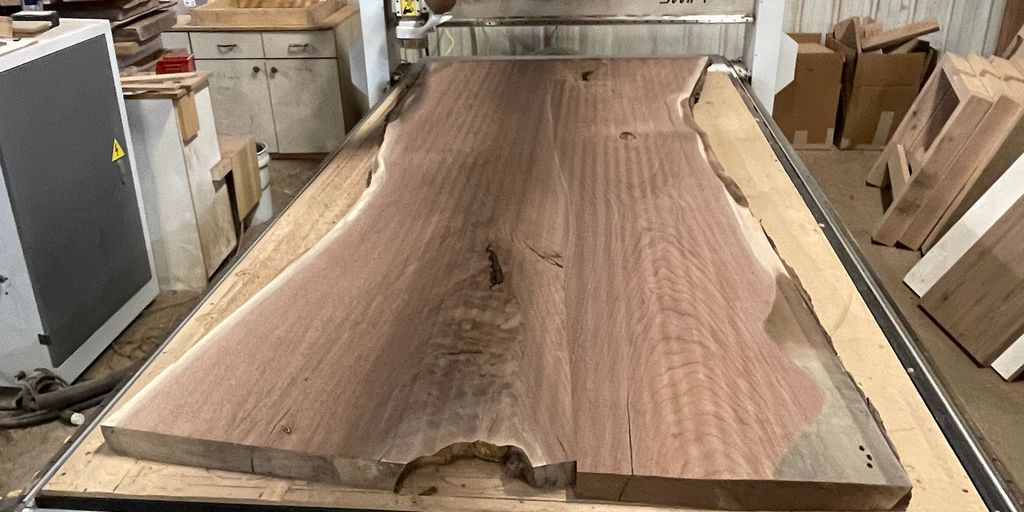
Different types of wood dry at different rates. For instance, hardwoods like oak and walnut tend to take longer to dry compared to softwoods like pine. This is because hardwoods are denser and retain more moisture. Moisture content in the wood plays a big role here, and knowing the species helps you estimate drying time more accurately.
Slab Thickness
The thickness of the slab directly impacts how long it will take to dry. Thicker slabs naturally take more time because the moisture has to travel a greater distance to escape. A general rule of thumb is that for every inch of thickness, air drying may take about a year. So, a 3-inch slab could take up to three years if left to air dry.
Slab Thickness | Approximate Air Drying Time |
|---|---|
1 inch | 1 year |
2 inches | 2 years |
3 inches | 3 years |
Environmental Conditions
Environmental factors like temperature, humidity, and airflow significantly influence drying time. Consistent airflow is key to preventing mold and uneven drying. High humidity slows down the process, while low humidity can cause the wood to dry too quickly, leading to cracking. Ideally, you want a balance—moderate humidity and steady air movement. Placing slabs in a shaded, protected area can help maintain this balance.
Proper drying conditions ensure your wood retains its quality and avoids common issues like warping or cracking.
Methods for Drying Live Edge Slabs
Air Drying
Air drying is the go-to method for many woodworkers when figuring out how to dry live edge slabs. It’s simple, doesn’t require fancy equipment, and works well for slabs of all sizes. Here’s a quick breakdown of the process:
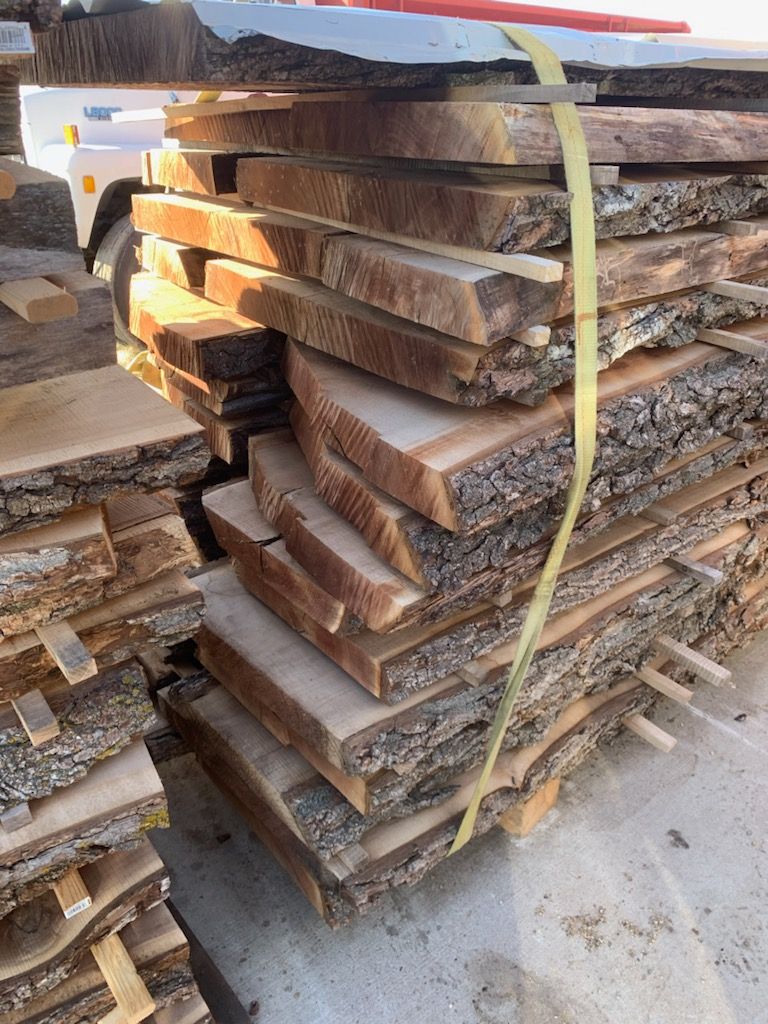
Stack and Sticker Properly: Place small wooden spacers (often called “stickers”) between slabs. This allows air to flow evenly around each piece, which is one of the best practices for drying wood slabs.
Keep It Covered: Store the stack under a roof or in a covered structure to protect it from rain and direct sunlight. This setup ensures a steady drying process. Optimal drying structures are key to avoiding issues like warping.
Patience is Key: As a general rule, slabs should air dry for about one year per inch of thickness. For example, a 2-inch slab might take two years. Thicker slabs will take even longer.
Air drying is slow, but it’s an effective way to reduce the moisture content in wood naturally while preserving its quality.
Kiln Drying
For those who need faster results, kiln drying is an excellent option. It speeds up the drying time for live edge wood significantly while maintaining durability. Here’s what you need to know:
Pre-Dry the Slabs: It’s recommended to air dry slabs until they reach about 20% moisture content before placing them in a kiln. Use a moisture meter to check this.
Timeframe: The time required to cure hardwood slabs in a kiln varies but typically ranges from 1 to 3 months, depending on thickness and wood species.
Types of Kilns: Vacuum kilns are a modern option that can dry slabs more quickly and evenly than traditional kilns, but they’re less common and more expensive.
If you don’t own a kiln, many local woodworking shops or sawmills offer kiln-drying services. For example, Fargo Woodworks specializes in crafting furniture from beautifully dried slabs like their Live Edge Black Walnut Coffee Table, showcasing the benefits of proper drying techniques.
How to Tell If a Slab Is Fully Dry
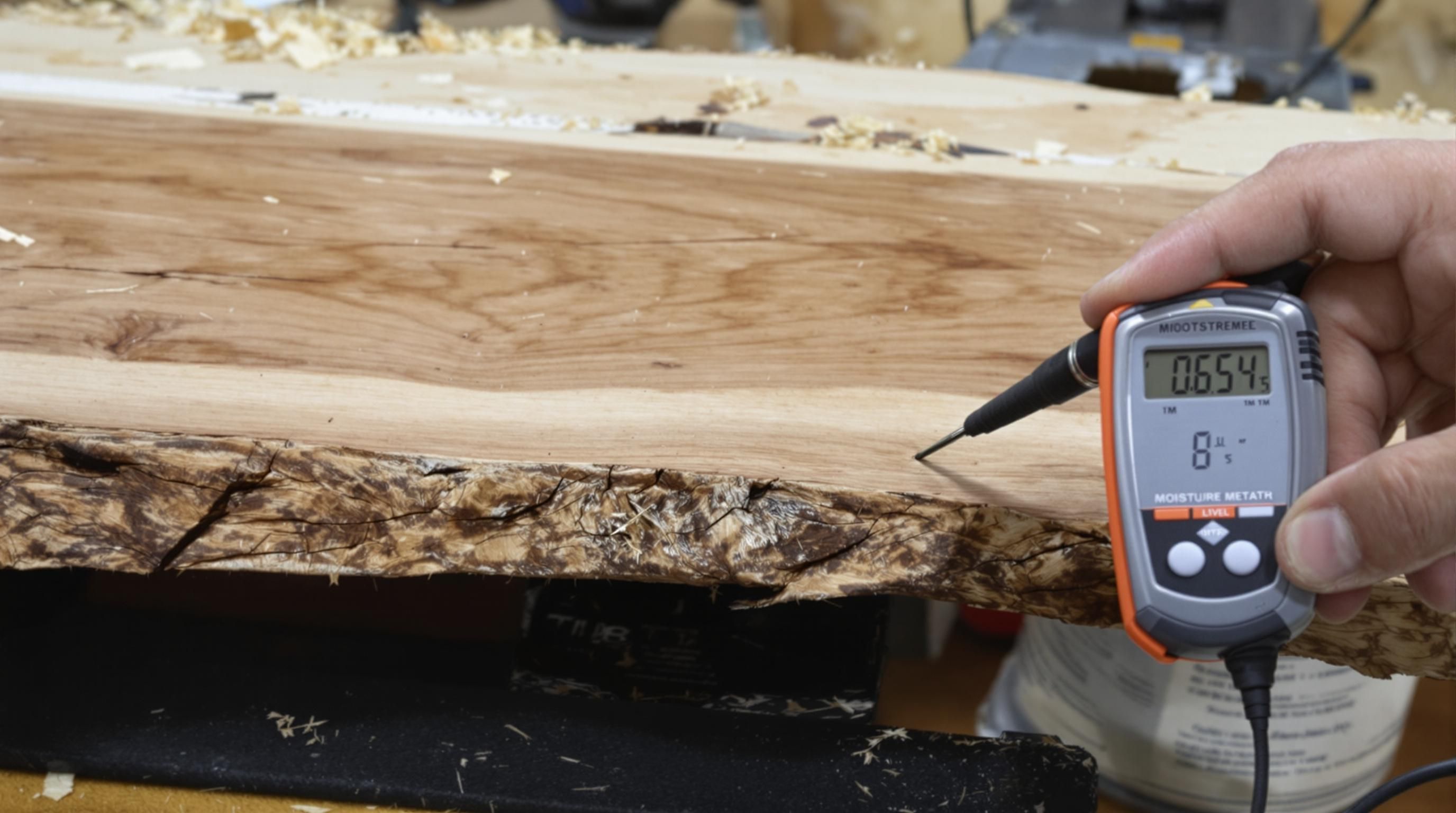
Knowing when your live edge slab is fully dry is super important before using it in any project. Wood that hasn’t dried properly can warp, crack, or even ruin your work later. Here’s how you can figure out if it’s ready:
Use a Moisture Meter
Perform the Weight Test
Visual Inspection
Tap Test
Quick Table: Ideal Moisture Content by Use
Use Case | Ideal Moisture Content |
|---|---|
Indoor Furniture | 6%-10% |
Outdoor Projects | 10%-14% |
General Use | 8%-12% |
Pro Tip: Always let the slab acclimate to the environment where it’ll be used for at least a week or two after drying. This helps avoid any surprises later.
By following these steps, you’ll reduce the risk of headaches down the line and ensure your project turns out great.
Conclusion
Drying live edge slabs is a process that requires patience, planning, and attention to detail. Rushing the drying phase can lead to costly mistakes, like cracks or warping, that might ruin the beauty of the wood. By understanding the factors that influence drying time—such as wood species, slab thickness, and environmental conditions—you can make informed decisions about the best method to use.
Whether you choose the slow-and-steady route of air drying or the faster but more controlled approach of kiln drying, the key is to monitor the moisture content and ensure the slab is fully dry before moving on to finishing. If you’re unsure, tools like moisture meters can be incredibly helpful in determining readiness.
Taking the time to properly dry your live edge slab is an investment in the longevity and quality of the finished piece.
For those looking to incorporate stunning, handcrafted furniture into their space, consider exploring options like the Live Edge Black Walnut Epoxy River Table or the Live Edge White Oak Dining Table. These pieces showcase the natural beauty of wood while offering durability and elegance. By choosing the right drying method and paying attention to the details, you can create a masterpiece that will last for generations.
Wrapping It Up
Drying live edge slabs is definitely not a quick process, but it’s worth the wait. Whether you’re air drying or using a kiln, patience is key to getting wood that’s stable and ready for your next project. Rushing the process can lead to cracks, warping, or other issues that could ruin your hard work. So, take your time, follow the steps, and you’ll end up with slabs that are not only beautiful but built to last. At the end of the day, the effort you put into drying your slabs properly will show in the quality of the finished piece.
Frequently Asked Questions
What is a live edge slab?
A live edge slab is a piece of wood that preserves the natural edge of the tree, often used in furniture for its rustic and unique appearance.
How long does it take to air dry a live edge slab?
The general rule is to air dry for one year per inch of thickness. For example, a 2-inch slab may need about 2 years to fully air dry.
What is the purpose of kiln drying live edge slabs?
Kiln drying helps reduce the moisture content to a stable level, preventing cracks, warping, and insect infestations, ensuring the wood is ready for use.
How can I check if a slab is fully dry?
You can use a moisture meter to measure the moisture content. Fully dry slabs typically have a moisture content of 6-8%.
What factors affect the drying time of a live edge slab?
The drying time depends on the wood species, thickness of the slab, and environmental conditions like temperature and humidity.
Can I speed up the drying process of a live edge slab?
Yes, kiln drying is a faster method compared to air drying. However, rushing the process can lead to defects like cracks or warping.