
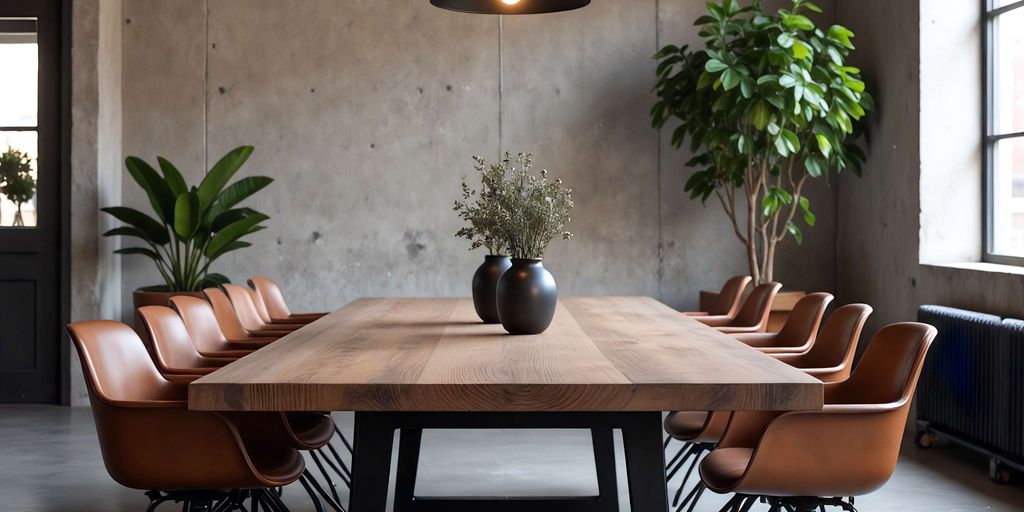
When it comes to creating a productive and inviting meeting space, the conference table is the centerpiece. A table designed for 10 people strikes the perfect balance between accommodating a group and maintaining intimacy for discussions. This guide will walk you through everything you need to know to find the ideal conference table for your needs.
Key Takeaways
- A conference table for 10 should balance comfort and functionality without compromising style.
- Solid hardwood and industrial steel bases are popular choices for durability and aesthetics.
- The table shape and integrated technology can enhance collaboration during meetings.
- Customization options like size adjustments and built-in power ports can make the table fit your needs perfectly.
- Good craftsmanship ensures the table will last for years and make a strong impression.
Choosing the Right Conference Table for 10
Factors to Consider for Optimal Comfort
When it comes to picking the perfect large meeting table for your office conference setup, comfort should top the list. Think about chair spacing—each participant needs enough room to move without feeling cramped. A good rule of thumb is about 30 inches of space per person. Also, consider the height of the table. Most standard conference tables are around 29 to 30 inches tall, which works for most chairs, but double-check your setup to avoid mismatches.
Balancing Style and Functionality
A great conference table doesn’t just look good; it works hard too. Striking a balance between aesthetics and usability is key. For example, a sleek glass top might look stunning but could be a nightmare for glare during presentations. On the other hand, a solid wood table offers durability and timeless appeal. Don’t forget about built-in features like power ports or cable management systems—they can make or break a meeting’s flow.
Customizing for Your Space
No two offices are the same, and your conference table should reflect that. Start by measuring your room and using tools like the conference room size calculator to get a clear idea of what will fit. From there, think about customizations that suit your needs. Do you need a specific finish to match your brand colors? How about a unique shape to foster collaboration? Customization ensures your table not only fits the space but also aligns with your company’s identity.
A well-chosen conference table is more than just furniture; it’s the centerpiece where ideas come to life and decisions are made.
Materials That Define Quality and Durability
The Appeal of Solid Hardwood
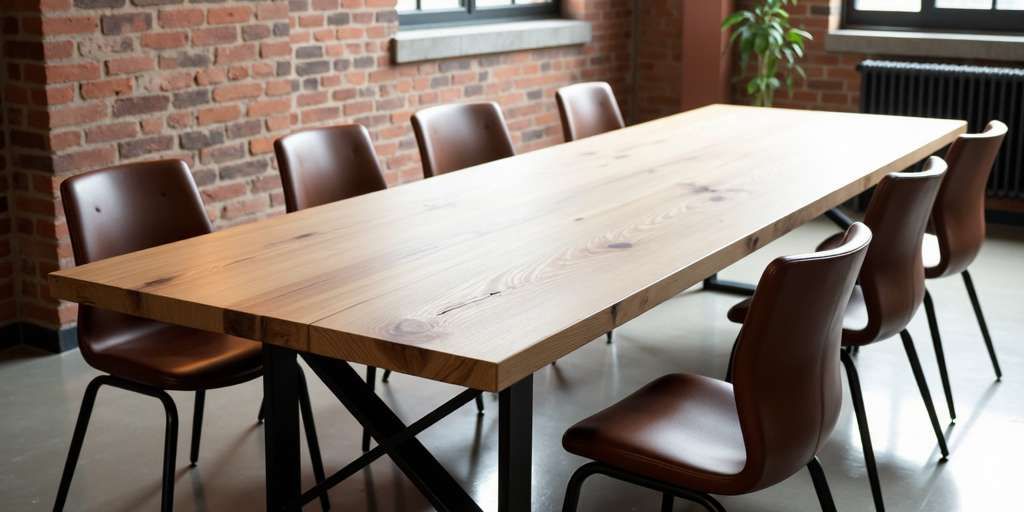
Solid hardwood is the gold standard for conference tables, and for good reason. It brings unmatched durability and a natural aesthetic that instantly elevates any meeting space. Woods like oak, walnut, and cherry are popular choices, each offering its own unique grain patterns and tones. Solid hardwood tables are built to last decades, resisting wear and tear while aging gracefully. However, they’re heavier than other options, which can make shipping or rearranging a bit more challenging.
Industrial Steel Bases for Modern Aesthetics
For those who want a sleek and sturdy foundation, industrial steel bases are a fantastic option. These bases are typically hand-welded and can be powder-coated in black or left in raw steel for a more rugged look. They pair beautifully with hardwood tops, creating a modern industrial vibe that’s both functional and stylish. Steel bases also add incredible strength, ensuring your table remains rock-solid even after years of use.
Finishing Touches: Matte and Satin Options
The finish of a table might seem like a small detail, but it has a big impact. Matte finishes offer a more understated, natural look, while satin finishes provide just a touch of sheen without being overly glossy. Both options protect the wood and enhance its natural grain. Whether you’re aiming for a rustic feel or a polished, professional vibe, the right finish ties the whole design together. Plus, a quality finish ensures your table stands up to coffee spills, pen marks, and everyday use with ease.
A well-crafted conference table isn’t just a piece of furniture; it’s an investment in your workspace. The materials you choose will shape not only the table’s appearance but also its longevity and functionality.
Designing a Collaborative Workspace
The Role of Table Shape in Collaboration
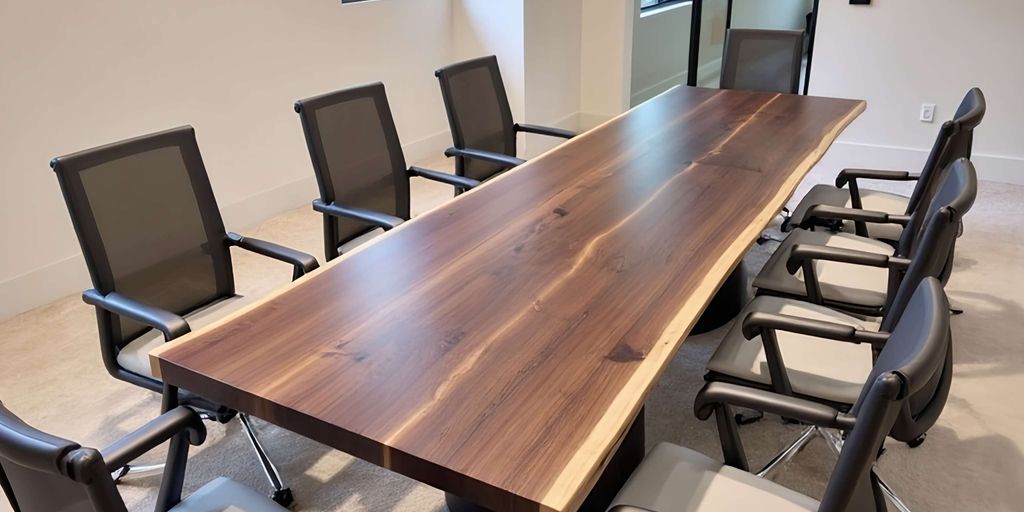
Choosing the right table shape is more than just an aesthetic decision—it directly impacts how people interact. Round or oval tables, for instance, make everyone feel equal and encourage open dialogue. Rectangular tables, on the other hand, can provide structure, often designating a "head of the table" for leadership roles. Finding the shape that fits your team’s dynamic is key to effective collaborative workspace solutions.
Incorporating Technology for Seamless Meetings
Modern conference tables aren’t just flat surfaces anymore; they’re tech hubs. Built-in power outlets, data ports, and even wireless charging stations keep devices running without disruption. Some tables even come with integrated screens or mounts for video conferencing. This kind of setup not only saves time but also makes meetings smoother and more engaging.
Creating a Welcoming Atmosphere
A collaborative workspace should feel inviting. Think about soft lighting, comfortable chairs, and maybe even a splash of color on the walls. The table itself can play a role here too—natural wood tones or matte finishes can make the room feel warm and approachable. A welcoming environment encourages participation and helps ideas flow more freely.
A well-thought-out collaborative workspace can boost productivity by up to 20%, proving that design isn’t just about looks—it’s about function too.
Exploring Styles for a Conference Table for 10
Industrial-Modern Aesthetic
The industrial-modern look is all about blending raw materials with sleek finishes. Picture a table with a solid wood top paired with steel legs—it’s sturdy, stylish, and screams "modern boardroom furniture". These tables often feature clean lines and minimalist designs, making them perfect for creative spaces where brainstorming is key. Plus, the industrial vibe adds a touch of edge to your business meeting decor.
Classic Elegance with Rich Wood Finishes
If you’re after a timeless feel, rich wood finishes like mahogany, walnut, or cherry are the way to go. These materials bring warmth and sophistication to any meeting room. The natural grain patterns and polished surfaces make them a standout choice for law firms or executive boardrooms. They’re not just tables; they’re statements of professionalism and tradition.
Contemporary Designs for Creative Spaces
For those who want something fresh and innovative, contemporary designs are a great fit. Think bold shapes, unique materials, and maybe even integrated tech features. These tables are ideal for industries where creativity and collaboration take center stage. They’re functional without losing that "wow" factor, making them a centerpiece for any modern workspace.
When choosing a style, consider how it aligns with your company’s image. Whether it’s industrial-modern, classic elegance, or contemporary chic, the right table can set the tone for productivity and collaboration.
Customization Options for a Perfect Fit
Tailoring Size and Dimensions
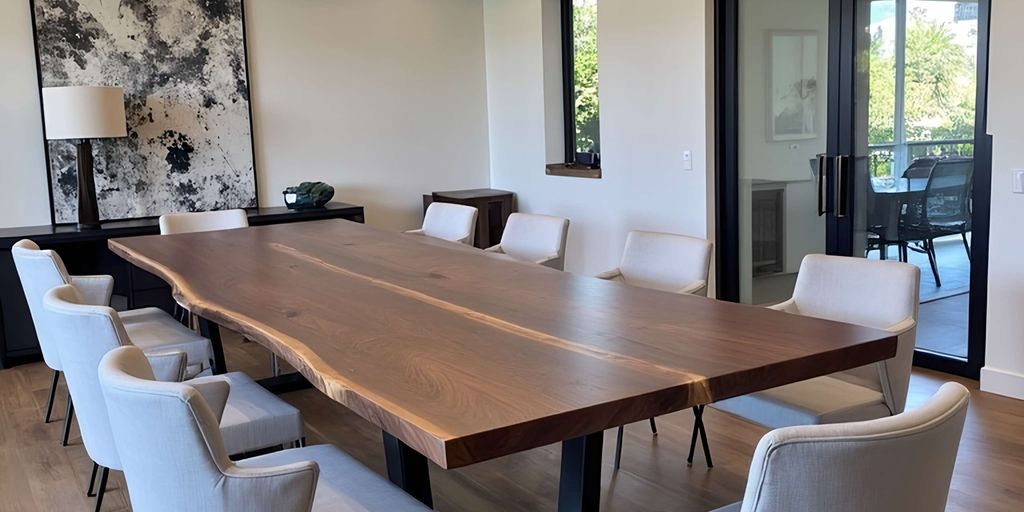
When it comes to conference tables, size isn’t just about fitting the room—it’s about optimizing the space. Whether you need a table for a compact boardroom or a sprawling executive suite, customizing the dimensions ensures everyone has ample elbow room. A standard 10-person table is usually around 10 feet long, but tweaking this based on your room’s layout can make all the difference.
- Measure Carefully: Account for chair spacing, walkways, and any additional furniture.
- Consider the table’s shape—oval, rectangular, or racetrack designs can impact how the space feels.
- Don’t forget ceiling height! A large table in a low-ceilinged room can feel cramped.
Adding Unique Features Like Power Ports
Modern meetings demand modern solutions. Adding built-in power ports, USB hubs, or even wireless charging stations can turn your table into a productivity hub. Integrated technology eliminates clutter and keeps everyone focused on the task at hand.
Here’s a quick list of features to consider:
- Power outlets for laptops and devices.
- Cable management systems to keep wires hidden.
- Touchscreen control panels for smart room settings.
Choosing the Right Finish for Your Brand
The finish of your table can say a lot about your company. A sleek matte finish might suggest modernity, while a polished wood surface can evoke a sense of tradition and reliability. Think of the table as an extension of your brand identity.
- For a tech startup, consider industrial steel bases paired with a minimalist top.
- A law firm might lean toward darker, richer wood tones like mahogany.
- Creative spaces could experiment with bold colors or mixed materials.
The beauty of customization lies in creating a table that not only fits your space but also reflects your unique style and needs.
The Importance of Craftsmanship in Conference Tables
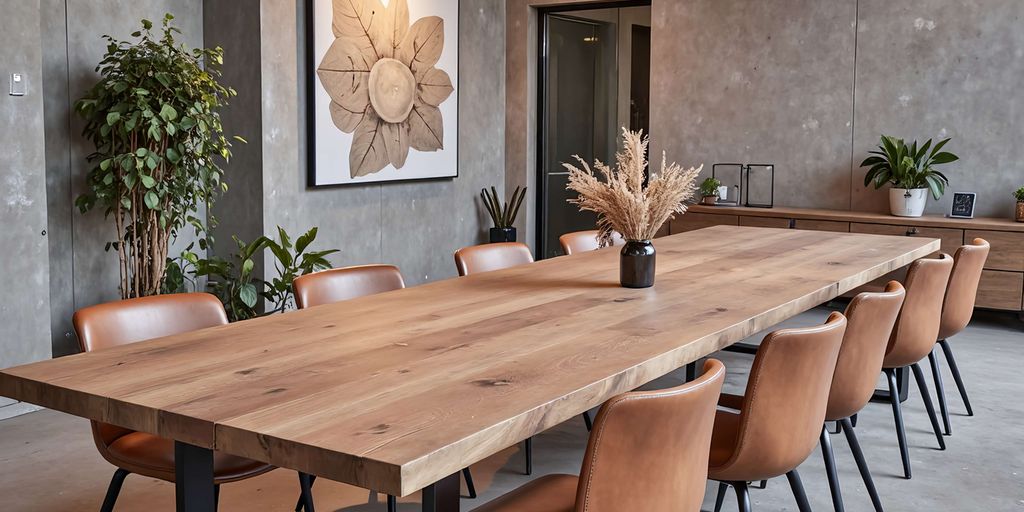
Handcrafted Excellence from Skilled Artisans
When it comes to conference tables, craftsmanship is everything. A well-made table isn’t just functional; it’s a statement piece that reflects your company’s values. Skilled artisans bring years of experience and precision to every cut, joint, and finish. This attention to detail ensures that each table is unique, durable, and visually stunning. Custom-made tables often feature intricate designs and high-quality materials that mass-produced options simply can’t match.
Sustainably Sourced Materials
Choosing a table crafted from sustainably sourced materials not only benefits the environment but also ensures you’re investing in a product that’s built to last. Solid hardwoods like walnut, oak, and cherry are popular choices for their strength and natural beauty. These woods are often paired with industrial steel bases for a modern aesthetic. By selecting sustainable options, you’re supporting responsible forestry practices while adding a touch of nature to your workspace.
Durability That Stands the Test of Time
A conference table isn’t something you want to replace every few years. That’s why durability is key. High-quality craftsmanship ensures that your table can withstand daily use, whether it’s for brainstorming sessions, client meetings, or team lunches. Look for features like reinforced joints, thick solid wood tops, and protective finishes. These elements not only enhance longevity but also maintain the table’s appearance over time.
A thoughtfully crafted conference table does more than hold your coffee cups and laptops—it anchors the room, sets the tone for collaboration, and becomes a centerpiece of your workspace. Investing in craftsmanship means you’re choosing a table that will grow with your business.
Maximizing Productivity with the Right Table
Ensuring Proper Chair Spacing
When designing a conference table for 10 people, one of the most overlooked yet critical factors is chair spacing. Proper spacing ensures everyone has enough room to sit comfortably, move freely, and interact without feeling cramped. A good rule of thumb is to allow at least 30 inches of table length per person. Here’s a quick reference:
| Number of Seats | Recommended Table Length |
|---|---|
| 6 | 6-8 feet |
| 8 | 8-10 feet |
| 10 | 10-12 feet |
This layout not only improves comfort but also keeps the meeting flowing smoothly without unnecessary distractions.
Integrating Smart Features for Efficiency
Incorporating smart features into your conference table can transform the way meetings are conducted. Built-in power outlets, wireless charging pads, and cable management systems keep the workspace organized and functional. Some tables even offer integrated audio-visual setups, perfect for presentations or video calls. These features eliminate downtime caused by searching for outlets or dealing with tangled cords, making meetings more efficient and tech-friendly.
Designing for Both Form and Function
A productive workspace is one that balances aesthetics and usability. A table with a sleek design can inspire creativity, while durable materials ensure it withstands the wear and tear of daily use. Consider:
- Materials like hardwood for a timeless look or laminate for easy maintenance.
- Shapes such as rectangular for traditional setups or oval for a more collaborative vibe.
- Finishes that align with your brand, whether it’s a polished mahogany look or a modern matte black.
A well-thought-out conference table is more than just furniture—it’s a tool that shapes the way teams collaborate and achieve goals.
Conclusion
Finding the right conference table for ten people isn’t just about filling a space—it’s about creating a place where ideas can flow and connections can grow. Whether you’re drawn to sleek modern designs or something with a touch of rustic charm, the perfect table sets the tone for collaboration and productivity. So, take your time, think about your needs, and choose a table that feels right for your team. After all, it’s more than just furniture—it’s where the magic happens.
Frequently Asked Questions
What is the ideal size for a conference table seating 10 people?
A table around 8 to 10 feet long is usually perfect for seating 10 people. It gives everyone enough space to sit comfortably and work without feeling cramped.
What materials are best for a durable conference table?
Solid hardwood like white oak or walnut is highly durable and looks great. Steel bases can add a modern touch and provide extra strength.
Can I customize the design of my conference table?
Yes, many manufacturers offer customization options. You can choose the size, shape, materials, and even add features like power outlets or cable management.
What shapes work best for collaboration?
Oval or boat-shaped tables are great for collaboration because they allow everyone to see each other easily. Rectangular tables are also popular for traditional setups.
How do I maintain my conference table to keep it looking new?
Regularly clean the table with a soft cloth and avoid harsh chemicals. Use coasters and mats to protect the surface from scratches and stains.
What features should I look for in a modern conference table?
Look for built-in power ports, cable management systems, and sturdy materials. These features make the table more functional and suited for today’s tech-driven meetings.