
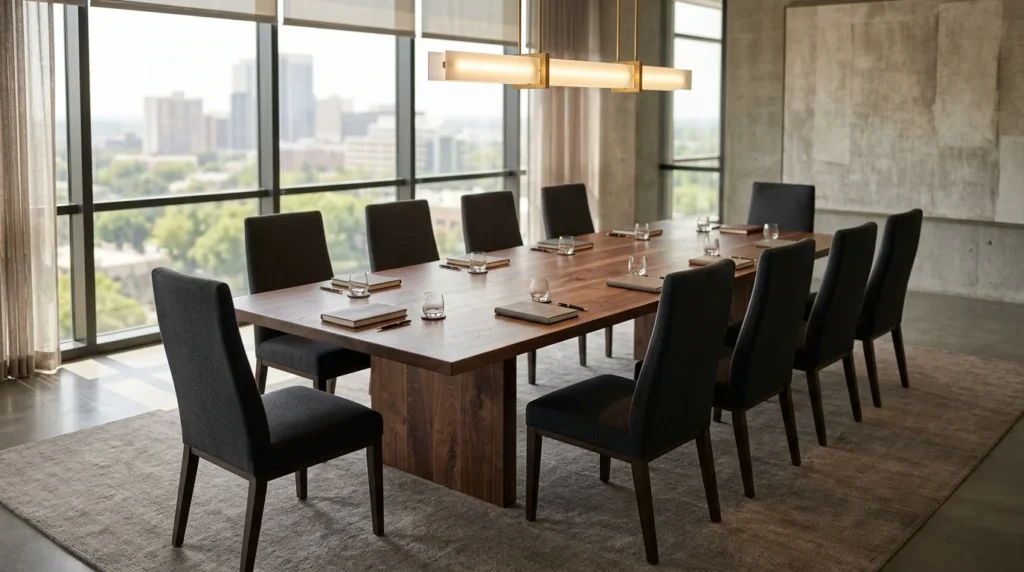
Choosing the right conference table for 12 people isn’t just about filling up space in your meeting room. It’s about creating a spot where ideas flow, where teams collaborate, and where decisions get made. With so many options out there, from materials to designs, it can feel a bit overwhelming. But don’t worry, we’ve got you covered with everything you need to know to pick the perfect table.
Key Takeaways
- Pick a table that fits the size and layout of your meeting room.
- Consider the shape—oval, rectangular, or boat-shaped—for group dynamics.
- Look for durable materials like wood or modern options like metal and glass.
- Think about functionality, like cable management and multi-purpose features.
- Choose a design that matches your office’s overall vibe.
Choosing the Right Conference Table for 12
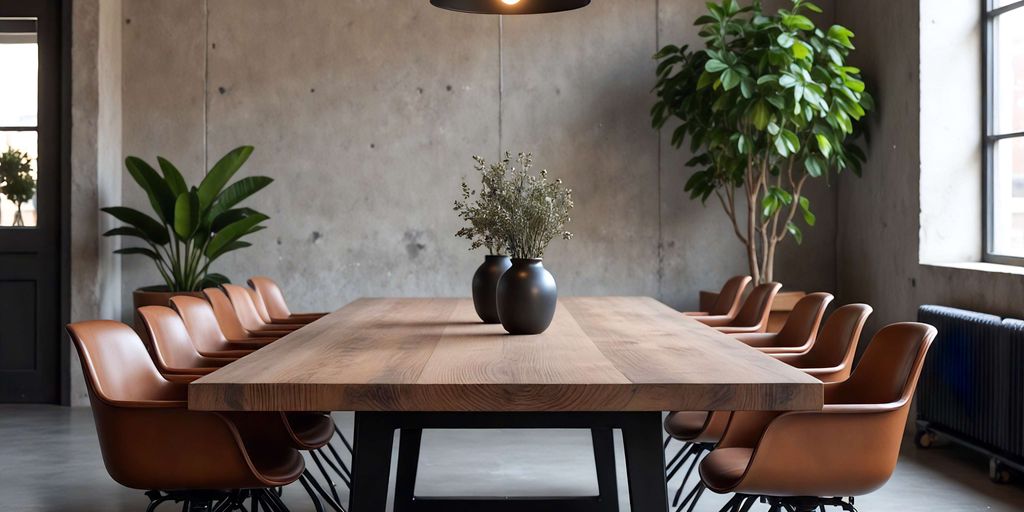
Factors to Consider for Your Meeting Room
When selecting a conference table for 12, room size is everything. Measure the dimensions of your space and allow at least 3 feet of clearance around the table for chairs and movement. A 10-foot-long "large meeting table" works well in an 18′ x 10′ room. Think about how the table will function—will it host presentations, brainstorming sessions, or formal meetings? Knowing this helps narrow down your options.
Popular Shapes and Designs for Large Groups
The table’s shape can influence the flow of interaction. A rectangular or boat-shaped table is great for structured discussions, while round or oval designs encourage collaboration. For a sleek, modern vibe, consider tables with clean lines or mixed materials like wood and metal. If you’re repurposing a "dining table for meetings," ensure it has enough legroom and durability for daily use.
| Shape | Best For | Notes |
|---|---|---|
| Rectangular | Formal meetings, presentations | Classic and versatile |
| Boat-shaped | Large groups, tech integration | Slightly wider in the center |
| Round/Oval | Collaborative discussions | Equal seating arrangements |
How to Match the Table to Your Office Aesthetic
Your conference table should complement, not clash with, your office’s design. For a professional look, go for wood finishes like walnut or mahogany. Want something more contemporary? Glass and metal combinations can add a modern edge. Always consider the existing color palette and furniture style. A mismatched table can disrupt the room’s harmony.
A well-chosen conference table isn’t just furniture—it’s a statement about your company’s style and values.
Top Materials for Conference Tables
Durability and Style of Wood Finishes
When it comes to boardroom furniture, wood finishes are a classic choice. Solid wood tables, made from oak, cherry, or walnut, offer unmatched durability and elegance. These tables let the natural grain of the wood shine through, creating a warm and professional atmosphere. However, keep in mind that solid wood can be heavier and pricier than other options. If you want a lighter yet stylish alternative, consider wood veneers—they give you the look of solid wood without the weight or cost.
Modern Metal and Glass Combinations
For a contemporary vibe, metal and glass conference tables are a top pick. Frames made of stainless steel or aluminum provide a sleek, industrial edge, while tempered glass tops add sophistication. Plus, these materials are easy to clean and maintain. This combo is perfect for offices aiming for a minimalist, modern look. Just be cautious about fingerprints on glass surfaces—they can be a bit of a hassle to keep spotless.
Eco-Friendly and Sustainable Options
Sustainability has become a big focus in office design. Look for tables made from reclaimed wood or bamboo if you want to go green. These materials are not only environmentally friendly but also add a unique, rustic charm to your conference room. Additionally, some manufacturers now offer tables with low-VOC finishes, reducing harmful emissions and promoting a healthier workspace.
Choosing the right material for your conference table isn’t just about looks—it’s about functionality, maintenance, and how it fits into your office’s overall vibe. Think about what matters most for your space before making the call.
| Material | Key Benefits | Considerations |
|---|---|---|
| Solid Wood | Durable, elegant, natural appearance | Heavy, higher shipping costs |
| Metal & Glass | Modern, easy to clean, sleek aesthetic | Prone to fingerprints on glass |
| Reclaimed Wood | Eco-friendly, unique character | May require more maintenance |
Maximizing Functionality in Your Conference Room
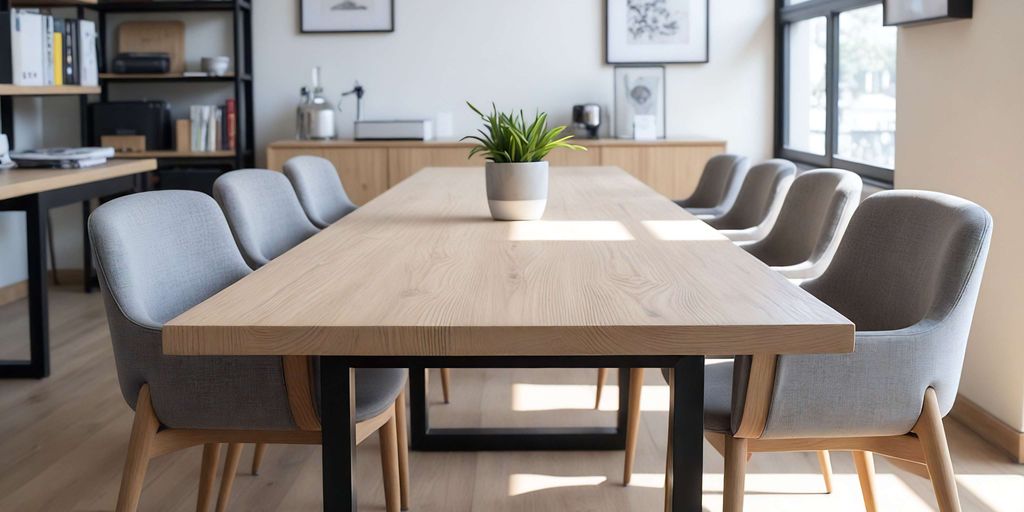
Incorporating Cable Management Solutions
A clutter-free conference room setup is essential for productivity. Modern conference tables often come with built-in cable management systems, which help keep wires from laptops, projectors, and other devices organized. If your table doesn’t have this feature, consider adding external cable trays or clips. Here’s a quick checklist for effective cable management:
- Use under-table cable organizers to prevent tangles.
- Label cords for easy identification.
- Opt for wireless devices when possible to minimize clutter.
Multi-Purpose Features for Versatile Use
Why settle for a table that only serves one purpose? Some conference tables now come with multi-functional designs like integrated storage compartments, foldable sections, or even whiteboard surfaces. These features can transform your table into a tool for brainstorming, presentations, or collaborative work sessions. Think about your team’s specific needs and choose a table that supports those activities.
Optimizing Space with the Right Table Dimensions
The size of your table can make or break the functionality of your conference room. For a group of 12, a table that’s around 12 to 14 feet long typically works best, but always measure your room to ensure it fits comfortably. Leave at least 3 feet of clearance around the table for chairs and movement. Here’s a simple table to guide your planning:
| Room Size (sq. ft.) | Recommended Table Size |
|---|---|
| 250-300 | 12-14 feet long |
| 300-350 | 14-16 feet long |
| 350+ | Custom sizes |
Remember, a well-thought-out table choice can significantly boost your team’s efficiency and comfort.
Creating a Collaborative Environment
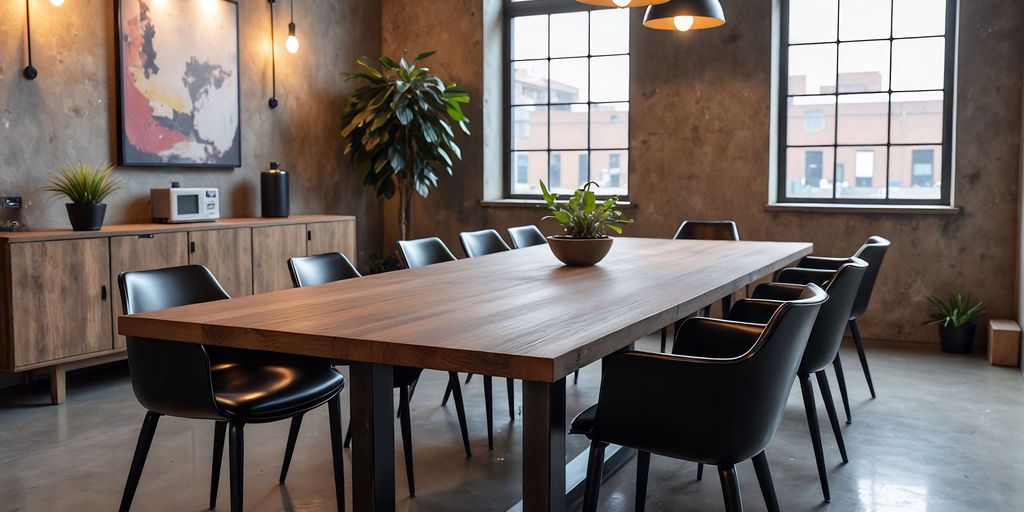
How Table Shape Impacts Group Dynamics
The shape of your conference table can subtly influence how people interact. Round tables, for instance, promote equality and encourage open conversation, making everyone feel like their voice matters. On the other hand, rectangular tables often create a natural hierarchy, with the heads of the table seen as positions of authority. Choosing the right shape depends on the kind of discussions you want to foster. If collaboration is key, a U-shaped or oval table might be the sweet spot, combining inclusivity with structure.
Seating Arrangements for Effective Communication
Where people sit can change the entire flow of a meeting. Here are a few tips to get it right:
- Leaders or key speakers should sit where they have clear visibility of everyone.
- Group similar roles or departments together to streamline discussions.
- Alternate seating for cross-functional teams to encourage diverse input.
A thoughtful seating plan ensures everyone feels included and helps avoid awkward silences or side conversations.
Enhancing Comfort with Ergonomic Designs
Let’s face it—long meetings can be a drag, but uncomfortable chairs or poorly positioned tables make it worse. Investing in ergonomic furniture, like chairs with adjustable heights and lumbar support, can make a huge difference. Even the table height matters, as it should accommodate both tall and short individuals comfortably. Prioritizing comfort shows your team you value their well-being, which can indirectly boost productivity.
A collaborative environment isn’t just about the furniture—it’s about making people feel heard, valued, and comfortable enough to contribute their best ideas.
Maintenance and Care for Your Conference Table
Cleaning Tips for Different Materials
Keeping your conference table clean isn’t just about appearances—it prolongs its life. For wood tables, use a soft, damp cloth and a gentle cleaner designed for wood surfaces. Avoid harsh chemicals that could strip the finish. Glass tables, on the other hand, benefit from regular cleaning with a streak-free glass cleaner. If your table is made of laminate, a simple solution of warm water and dish soap works wonders. Always test cleaners on a small area first to avoid damage.
Protecting the Surface from Daily Wear
A little prevention goes a long way. Use coasters under drinks and avoid placing hot items directly on the table. Desk pads or table runners add an extra layer of protection, especially for wood surfaces prone to scratches. If your team uses laptops or projectors frequently, consider adding felt pads to the bottom of devices to prevent scuffs. Small habits can make a big difference over time.
Long-Term Care to Preserve Quality
To keep your table looking its best for years, periodic maintenance is key. For wood tables, apply a high-quality furniture polish every six months to maintain the finish. Metal parts may need occasional tightening or lubrication to prevent squeaks or instability. Glass surfaces should be checked for chips or cracks and repaired promptly. Finally, inspect cable grommets or built-in power modules to ensure they remain functional and free from debris.
A well-maintained conference table not only looks great but also reflects the professionalism of your workspace.
Customizing Your Conference Table for 12
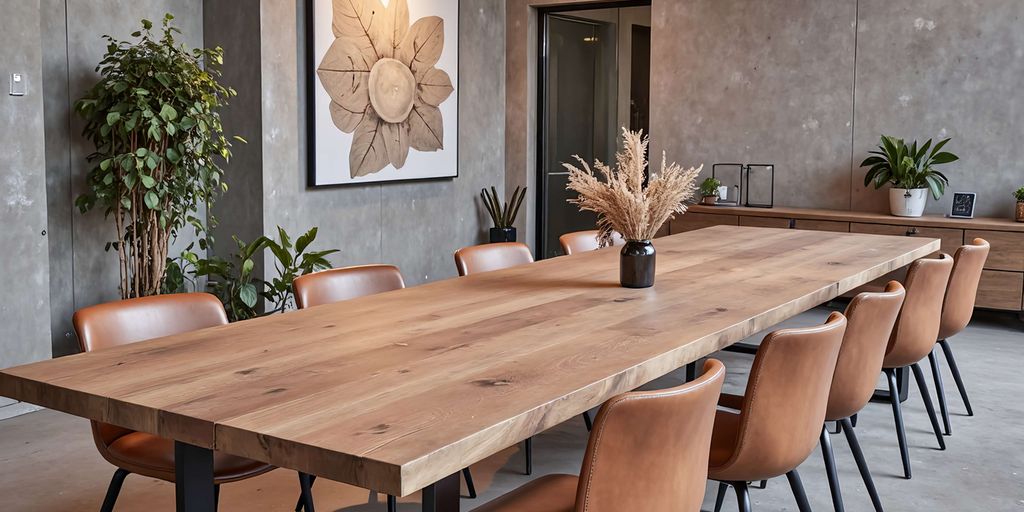
Personalizing with Unique Finishes
Your workspace table for 12 should not only fit the room but also reflect your style. Choose from finishes like rich mahogany, sleek modern walnut, or even antimicrobial white for a clean, professional vibe. The finish you select can dramatically change the room’s atmosphere. Consider how the table will look under your office lighting and against your wall colors.
Adding Built-In Technology Features
Built-in tech can make your conference table a productivity powerhouse. Some popular features include:
- Integrated power outlets and USB ports for easy device charging.
- Wireless charging pads for a clutter-free surface.
- Hidden cable management systems to keep things tidy.
These additions make it easier to run presentations, video conferences, or brainstorming sessions without scrambling for cords or outlets.
Choosing Accessories to Complement the Table
Accessories can tie the whole room together. Think about:
- Matching ergonomic chairs for comfort during long meetings.
- A central decorative piece, like a vase or a small sculpture, to add personality.
- Table organizers or trays to keep pens, notepads, and other essentials within reach.
A well-designed conference table setup can transform your meeting room into a space where ideas thrive and collaboration feels effortless.
Conclusion
Finding the right conference table for 12 people isn’t just about picking a piece of furniture—it’s about setting the stage for collaboration, creativity, and connection. Whether you’re brainstorming the next big idea or hosting a client meeting, the right table can make all the difference. So, take your time, think about your needs, and choose a table that fits your space and style. After all, it’s more than just a table—it’s where ideas come to life.
Frequently Asked Questions
What is the ideal size for a conference table for 12 people?
A conference table for 12 people should be about 10 to 12 feet long to provide enough space for seating and movement.
Which table shape works best for group discussions?
Round or oval-shaped tables are great for group discussions as they help everyone feel included and encourage interaction.
What materials are best for a durable conference table?
Solid wood and metal are excellent choices for durability. Glass can also be durable and adds a modern touch.
How can I manage cables on a conference table?
Look for tables with built-in cable management features like grommets or hidden compartments to keep wires organized.
Is it possible to customize a conference table?
Yes, many manufacturers offer customization options like unique finishes, built-in tech features, and tailored dimensions.
How do I maintain my conference table?
Use appropriate cleaning products for the material, protect the surface with coasters or mats, and regularly inspect for wear and tear.
Trusted by Industry Leaders
Join the Journal
New writing, delivered occasionally.
Quiet notes on craft, materials, and finished pieces — sent only when there's something worth reading.