
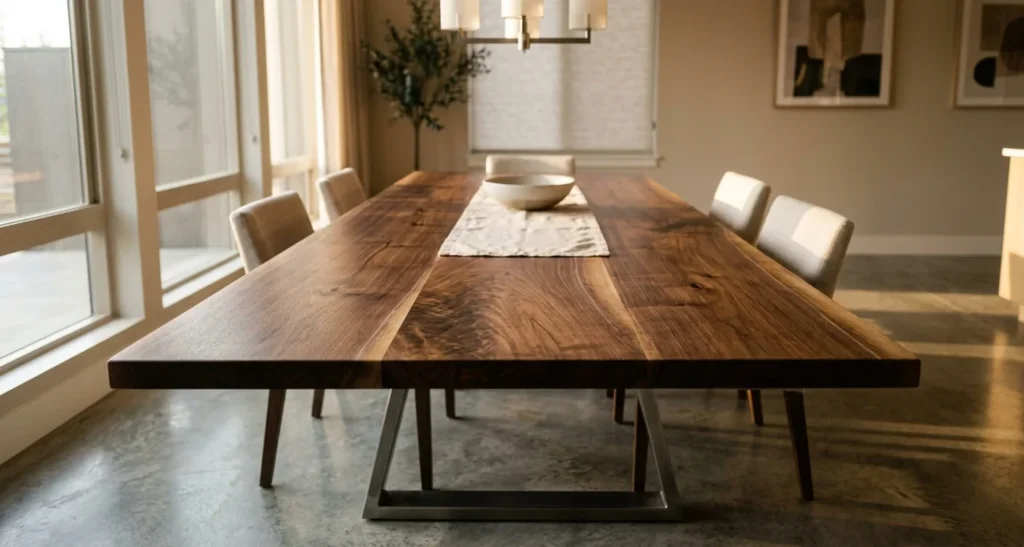
A wood tabletop is more than just a place to set your belongings. It forms the centerpiece of any room, seamlessly blending beauty with everyday function.
In 2026, the wood tabletop is seeing a surge in popularity across both homes and offices. People are drawn to its warmth, versatility, and timeless appeal.
This expert guide will help you choose the perfect wood tabletop. We will explore styles, durability, and how to match your table to your personal needs.
Curious about what makes a wood tabletop stand out? We will look at wood types, current design trends, sizing tips, finishes, maintenance, and custom options.
Get ready to discover how the right wood tabletop can transform your space and reflect your unique taste.
Understanding Wood Tabletop Types
Selecting the right wood tabletop begins with understanding the broad range of materials and styles available. Homeowners and designers alike are increasingly seeking both beauty and practicality, making it essential to compare solid and engineered options, choose the ideal wood species, and consider specialty styles and sustainability.
Solid Wood vs. Engineered Wood Tabletop
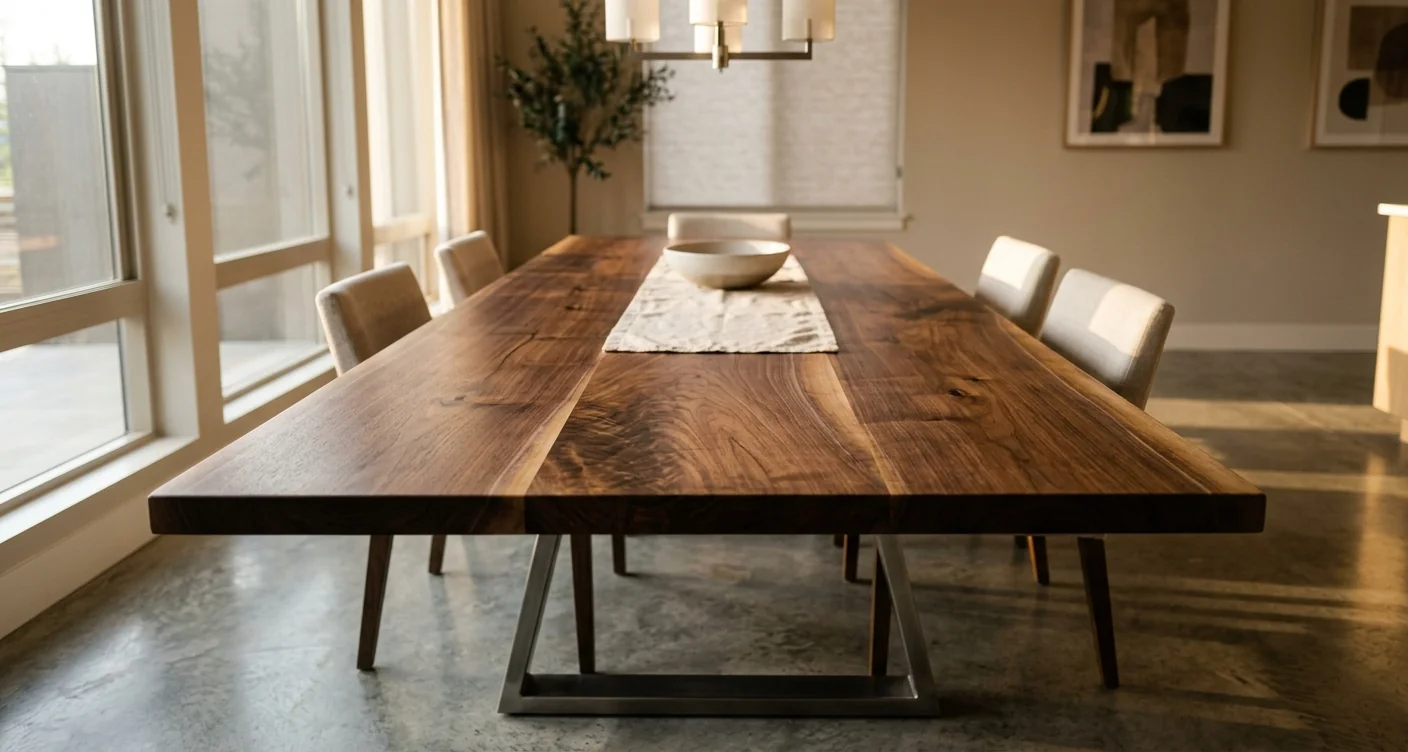
A solid wood tabletop is crafted from planks of real wood, such as oak, walnut, or maple. Engineered wood tabletops, on the other hand, use materials like plywood, MDF, or a wood veneer over a composite core.
Solid wood tabletops are prized for their durability, rich grain patterns, and longevity. They can be sanded and refinished multiple times, making them ideal for heirloom pieces. However, they are typically more expensive and can be sensitive to humidity changes.
Engineered wood tabletops offer affordability, stability, and versatility in design. They are less likely to warp, which makes them suitable for larger surfaces or modern spaces. However, they may not last as long as solid wood and usually cannot be refinished.
For example, a solid walnut wood tabletop brings unmatched warmth and character to a dining room, while a veneered MDF table is a practical choice for a work desk. In 2026, eco-friendly engineered wood is expected to see increased demand, reflecting a shift toward sustainable options.
Popular Wood Species for Tabletops
Choosing the right species is essential for both style and durability. Walnut, oak, maple, cherry, hickory, and poplar are among the most popular choices for a wood tabletop.
- Walnut: Deep, rich color with distinctive grain, ideal for premium designs.
- Oak: Strong and timeless, with visible grain and excellent wear resistance.
- Maple: Light color, smooth texture, suitable for modern spaces.
- Cherry: Warm reddish tones that deepen with age, valued for elegance.
- Hickory/Poplar: Durable and cost-effective, each with unique grain patterns.
The species you select affects not only the look but also the longevity of your wood tabletop. Walnut and oak continue to dominate premium table designs due to their durability and sophisticated appearance. For a deeper dive into wood species characteristics, see this Best wood species for furniture guide.
Specialty Styles: Live Edge, Butcher Block, and Epoxy River
Specialty styles help create a statement with your wood tabletop. Live edge tables preserve the natural contours of the wood, highlighting organic beauty and individuality. Butcher block tabletops feature end-grain or edge-grain strips joined together, offering a robust surface perfect for kitchens or craft rooms.
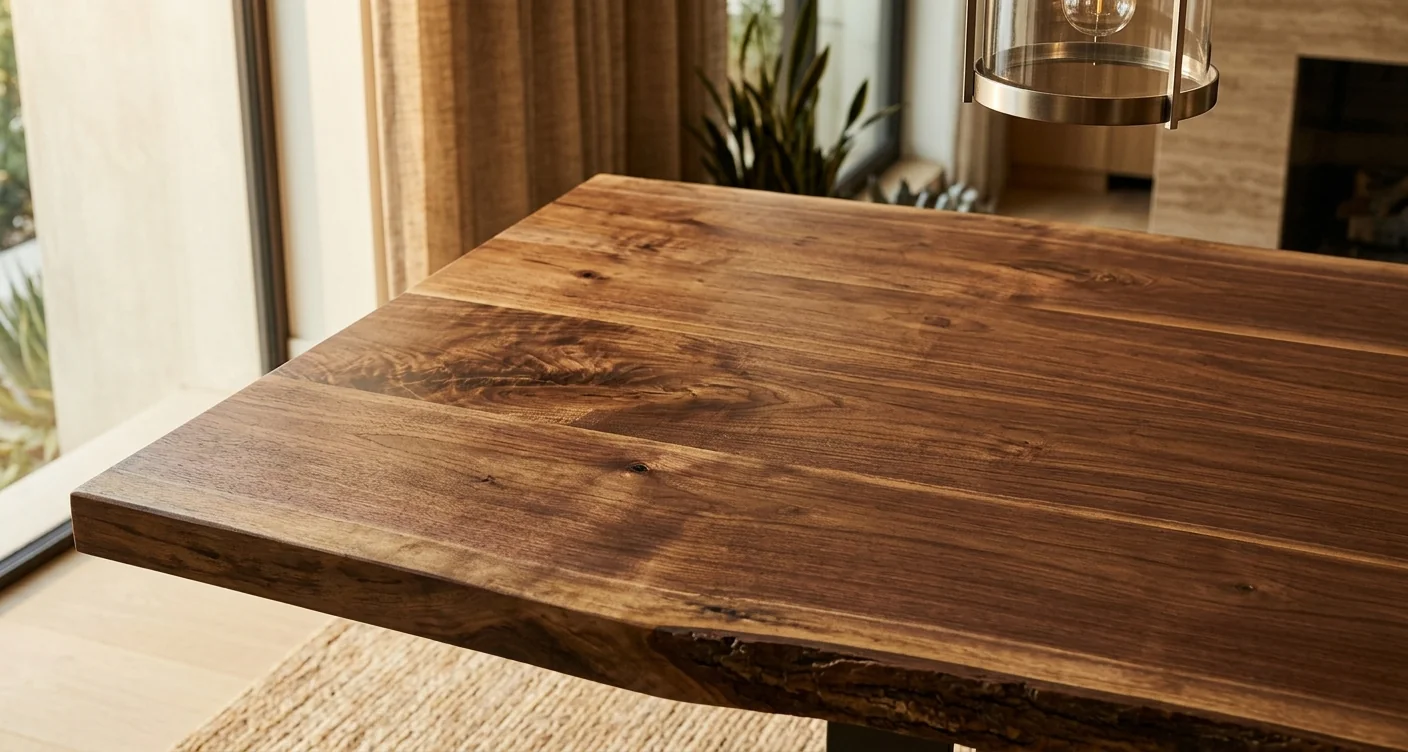
Epoxy river tables combine wood and colored resin, resulting in a striking, contemporary centerpiece. These styles appeal to those seeking a blend of artistry and function. For example, a live edge walnut wood tabletop fits rustic or industrial spaces, while an epoxy river table suits modern and artistic interiors.
Choosing a specialty style allows you to express personality and match your table to your space’s character.
Sourcing and Sustainability in 2026
Responsible sourcing is a top priority for many buyers in 2026. Look for certifications such as FSC or locally-sourced materials when selecting a wood tabletop. These certifications ensure that forests are managed sustainably, preserving resources for future generations.
The demand for traceable and eco-friendly materials continues to grow. Many consumers now prefer reclaimed wood, which gives new life to salvaged beams and planks. This not only reduces environmental impact but also adds unique character to each wood tabletop.
In custom projects, reclaimed wood is increasingly popular, offering both sustainability and a storied past. Selecting a sustainable wood tabletop supports both your values and the health of our planet.
Key Factors to Consider When Choosing a Wood Tabletop
Selecting the right wood tabletop is a decision that blends style, practicality, and investment. To make the best choice, it is vital to assess your needs in terms of usage, dimensions, appearance, durability, and budget. This section breaks down the essential considerations to guide your selection process and help you find a wood tabletop that fits your space and lifestyle perfectly.
Intended Use and Placement
How you plan to use your wood tabletop is the foundation for every other decision. Dining tables, for example, face daily spills and frequent use, so durability and easy cleaning are critical. In contrast, a conference or boardroom wood tabletop may prioritize elegance and a commanding presence, with less concern for scratches.
For high-traffic family kitchens, a resilient finish like polyurethane can help protect against stains and heat. Decorative tables in entryways or offices can showcase more delicate finishes and intricate edges. Always match your wood tabletop’s durability and style to its intended role in your space.
Size, Shape, and Proportion
Proper sizing ensures your wood tabletop serves its purpose and fits harmoniously in your room. Measure your available space, considering length, width, and height. Leave at least 36 inches of clearance around the table for comfortable movement and seating.
Common shapes include rectangular for dining, round for small spaces, and square or oval for versatility. Proportion matters: a table too large can overwhelm a room, while one too small limits functionality. For a detailed guide, refer to Sizing your dining table, which covers dimensions and seating capacity.
| Table Shape | Typical Size (seats 6) | Standard Height |
|---|---|---|
| Rectangle | 72" x 36" | 30" |
| Round | 60" diameter | 30" |
| Square | 48" x 48" | 30" |
A well-proportioned wood tabletop enhances both the look and function of your room.
Thickness and Edge Profiles
The thickness and edge profile of your wood tabletop influence both visual impact and strength. Standard thickness ranges from 1.5 to 2.5 inches, with thicker tops offering a substantial, premium feel.
Edge styles include straight, beveled, live edge, and waterfall. Straight edges suit modern or minimalist designs, while beveled edges add refinement. Live edge profiles introduce an organic, rustic charm, perfect for statement pieces. Consider daily use when choosing—rounded edges can reduce bumps in busy homes. The right edge profile can elevate your wood tabletop from basic to bespoke.
Finish and Surface Treatment
Finish affects the appearance, protection, and maintenance of your wood tabletop. Options include oil (enhances natural grain), lacquer (smooth, glossy), polyurethane (durable, easy to clean), and epoxy (modern, high-gloss).
Matte and satin finishes are on trend for 2026, offering a soft, understated look. Natural oils bring out the unique grain, while lacquer and polyurethane provide robust protection. Consider the trade-offs: oiled surfaces need more care, while polyurethane is lower maintenance. A thoughtfully chosen finish keeps your wood tabletop looking its best for years.
Budget and Longevity Considerations
Your investment in a wood tabletop should balance upfront cost with long-term value. Solid hardwoods, such as walnut or oak, command higher prices but deliver unmatched durability and timeless style. Engineered options offer a cost-effective alternative for budget projects, with many choices mimicking the look of real wood.
Custom features, specialty finishes, and thickness all influence price. Investing in quality materials and craftsmanship ensures your wood tabletop withstands daily life and can even become a family heirloom. Evaluate your needs and budget to achieve the best value without compromising on style or durability.
2026 Design Trends in Wood Tabletops
The year 2026 brings a fresh perspective to the world of wood tabletop design. Homeowners and designers alike are seeking pieces that balance modern style, practicality, and sustainability. From trending aesthetics to eco-conscious choices, the latest wood tabletop trends reflect a growing desire for both beauty and function in every space.
Trending Styles and Aesthetics
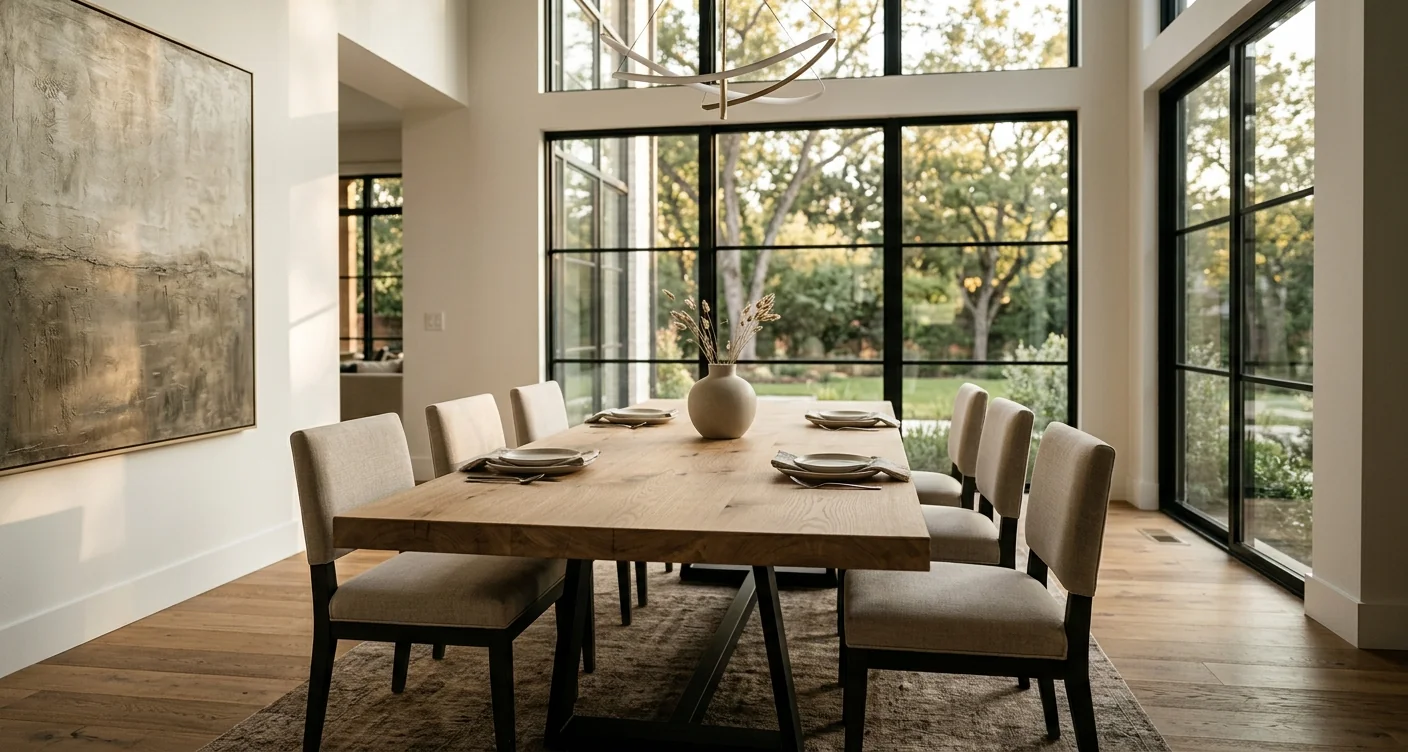
In 2026, the wood tabletop is at the center of design innovation. Minimalist, rustic, industrial, and Scandinavian styles remain dominant, each bringing a unique personality to interiors. The use of natural finishes and dark stains is especially popular, while bleached wood tones are gaining traction for airy, contemporary looks.
Mixing different wood tones within a single table or across furniture pieces is a standout trend. According to the Mixing wood tones trend, layered finishes create visual depth and a custom feel. Two-tone and mixed wood tabletop designs are increasingly sought after for their expressive, personalized look.
Innovative Features and Functional Add-ons
Functionality is more important than ever for the modern wood tabletop. Integrated power outlets and wireless charging pads are now common features, especially in office and conference settings. Many tables incorporate hidden storage or modular extensions, allowing users to adapt their space for various needs.
Smart furniture trends are shaping the future of wood tabletop design. Modular and extendable surfaces are perfect for flexible living and working environments. Conference tables with built-in technology streamline meetings and presentations, making the wood tabletop both beautiful and highly practical.
Customization and Personalization
Personalization is a defining factor in the 2026 wood tabletop market. Clients seek bespoke sizing, custom inlays, engraving, and precise color matching to ensure their table fits their space and style perfectly. The demand for unique, one-of-a-kind pieces continues to grow as homeowners and businesses look for ways to express their individuality.
Custom options allow for creative expression, whether through intricate wood joinery, bold color choices, or personalized engravings. Artisans are responding with new techniques and finishes, ensuring every wood tabletop is a true reflection of its owner's vision and needs.
Eco-Conscious and Reclaimed Wood Designs
Sustainability is a top priority in wood tabletop design for 2026. Designers and consumers are embracing reclaimed, salvaged, and urban wood for its environmental benefits and distinctive character. Each reclaimed wood tabletop tells a story, bringing warmth and authenticity to modern interiors.
Using eco-friendly materials not only supports responsible forestry but also results in truly unique pieces. Reclaimed barnwood tabletops, for example, blend rustic charm with modern sensibilities. The wood tabletop is now as much about environmental stewardship as it is about aesthetics.
How to Evaluate Quality and Craftsmanship
Choosing a high-quality wood tabletop means looking beyond surface beauty. True craftsmanship is seen in the details, construction, and finishing. Understanding what sets a superior wood tabletop apart will help you invest wisely and enjoy lasting value.
Construction Techniques and Joinery
The foundation of any durable wood tabletop lies in how it is constructed. Techniques like mortise and tenon, dovetail, and finger joints are hallmarks of skilled woodworking. These methods create strong, lasting bonds between wood pieces, ensuring stability over time.
| Joinery Type | Strength | Common Use |
|---|---|---|
| Mortise and Tenon | High | Table legs, frames |
| Dovetail | High | Drawers, corners |
| Finger Joint | Medium | Edge joining, panels |
Look for tight, well-fitted joints and minimal visible hardware. Mass-produced tables often rely on basic screws or dowels, which can compromise the longevity of your wood tabletop. Artisan-made tables typically show seamless joinery and careful attention to structural integrity.
Surface Finish and Detailing
A quality wood tabletop is easy to recognize by its finish and detailing. The surface should feel smooth and consistent with no rough patches or uneven areas. Examine the edges—whether straight, beveled, or live edge—for uniformity and craftsmanship.
Quality indicators include:
- Even, blemish-free finish
- Seamless joints and smooth transitions
- No warping, cupping, or gaps
Customer satisfaction data consistently shows that superior finishing leads to longer-lasting beauty and fewer maintenance issues. Investing in a well-finished wood tabletop means you’ll enjoy both aesthetics and performance.
Kiln Drying and Moisture Control
Proper moisture control is critical for a wood tabletop. Kiln drying removes excess water from the wood, reducing the risk of warping, cracking, or splitting as the seasons change. The optimal moisture content for a tabletop is typically 6-8 percent.
Kiln-dried wood is more stable and durable than air-dried alternatives. For example, a kiln-dried wood tabletop will resist movement and maintain its shape, while air-dried wood is more prone to shifting over time. Always ask your supplier about their drying process to ensure long-term reliability.
Warranty, Certifications, and After-Sales Support
A reputable manufacturer stands behind their wood tabletop with a warranty and clear after-sales support. Look for companies that offer service guarantees and transparent terms. Certifications like FSC indicate that the materials come from responsibly managed forests, supporting both quality and sustainability. Learn more about the significance of FSC-certified wood products when evaluating your options.
Expect reputable brands to provide clear documentation, responsive customer service, and guidance on care and maintenance. These factors add peace of mind and protect your investment for years to come.
Maintenance and Care for Wood Tabletops
Preserving the beauty and durability of your wood tabletop requires a thoughtful approach to daily care and long-term maintenance. With the right techniques, you can ensure your table remains a stunning centerpiece for years to come.
Routine Cleaning and Protection
Consistent cleaning is essential for maintaining your wood tabletop. Dust the surface regularly with a soft, lint-free cloth to prevent buildup. For daily cleaning, use a damp cloth followed by a dry wipe. Avoid harsh chemicals and abrasive sponges, as these can damage the finish.
Protect your wood tabletop by using placemats, coasters, and tablecloths. These simple accessories guard against heat, moisture, and scratches. Promptly wipe up spills to prevent stains and water rings, which can penetrate the surface if left unattended.
For a comprehensive overview of best practices, consider reviewing Caring for handmade wood furniture, which offers expert advice on protecting your investment.
Dealing with Scratches, Dents, and Stains
Even with careful use, minor blemishes can occur on any wood tabletop. Light scratches or scuffs are often remedied with gentle sanding or touch-up kits matched to your table’s finish. For deeper dents, specialized wood fillers or wax sticks can restore a smooth surface.
Stains from spills should be addressed quickly. Use a mild soap solution for sticky residues and a baking soda paste for stubborn marks. If issues persist, professional refinishing may be required to fully restore the wood tabletop’s appearance.
Knowing when to attempt repairs yourself and when to consult an expert can prolong the life of your table and retain its original charm.
Seasonal and Environmental Considerations
Environmental factors like humidity, sunlight, and temperature play a significant role in the longevity of your wood tabletop. Excessive dryness or moisture can cause warping, cracking, or swelling. To minimize risk, maintain stable indoor humidity levels with a humidifier or dehumidifier as needed.
Keep your wood tabletop away from direct sunlight to prevent fading and uneven color changes. Avoid placing hot dishes or appliances directly on the surface, as heat can damage the finish or leave permanent marks.
By managing your environment, you help your wood tabletop withstand seasonal changes and daily use.
Long-Term Preservation and Refinishing
Over the years, even the most well-cared-for wood tabletop may need refinishing. Signs include dullness, persistent stains, or a rough texture that doesn’t improve with cleaning. Refinishing involves sanding down the surface and applying a new protective finish, restoring both beauty and protection.
Plan to refinish your wood tabletop every five to ten years, depending on use and exposure. Regularly check for signs of wear and address issues promptly to avoid deeper damage.
With attentive care and timely refinishing, your wood tabletop can remain an heirloom-quality piece that endures for generations.
Working with Custom Woodworkers and Artisans
Collaborating with a custom woodworker is the best way to achieve a truly personalized wood tabletop. Whether you desire a specific size, a rare wood species, or a one-of-a-kind edge profile, custom artisans can bring your vision to life. The process typically starts with a consultation, where you discuss your style preferences, functional needs, and budget. By working closely with an expert, you can ensure your wood tabletop will be a perfect fit for your home or office.
The Value of Custom Tabletop Design
Choosing a custom wood tabletop offers several distinct advantages. You gain full control over dimensions, materials, and finishes, allowing you to match your décor and functional requirements exactly. This level of customization is ideal for unique spaces or when you want a standout statement piece.
The collaboration process is both creative and practical. It often includes initial sketches, material selection, and approval of design details. For instance, a business may commission a conference table that reflects their brand identity, while a homeowner might select a live edge walnut slab for a rustic dining area.
Custom design also means you can request features like cable management, inlays, or specific surface treatments. The result is a wood tabletop that is as functional as it is beautiful, tailored precisely to your needs.
How to Choose the Right Woodworker or Company
Selecting the right artisan for your wood tabletop project is essential. Start by researching portfolios to assess craftsmanship and design range. Look for detailed images of past projects and read client reviews for insight into reliability and satisfaction.
Ask about credentials, such as formal training or industry certifications. Some artisans may hold sustainable sourcing certifications, like SFI Chain of Custody Certification, to demonstrate responsible material use. Prepare questions about their process, timeline, and how they address challenges.
According to recent data, 80% of buyers prefer woodworkers with transparent processes and clear communication. This ensures your wood tabletop will be made to the highest standards and with materials you can trust.
Timeline, Pricing, and Communication
Understanding the timeline and pricing for a custom wood tabletop is crucial. Lead times can range from a few weeks to several months, depending on complexity and artisan workload. Discuss expected delivery dates upfront and clarify payment structures, including deposits and final payments.
Transparent communication is key throughout the project. A reliable woodworker provides regular updates, shares progress photos, and quickly addresses your questions. This level of engagement helps avoid misunderstandings and ensures your wood tabletop meets expectations.
Budgeting for a custom project requires balancing your desired features with material and labor costs. Investing in quality craftsmanship may increase the initial price, but it pays dividends in longevity and satisfaction.
Fargo Woodworks: Handcrafted Excellence for Custom Tabletops
Fargo Woodworks stands out for its dedication to handcrafted, fully customizable wood tabletop solutions made in the U.S. Their artisans use locally sourced wood from the Fargo, ND area, ensuring each piece is sustainable and unique.
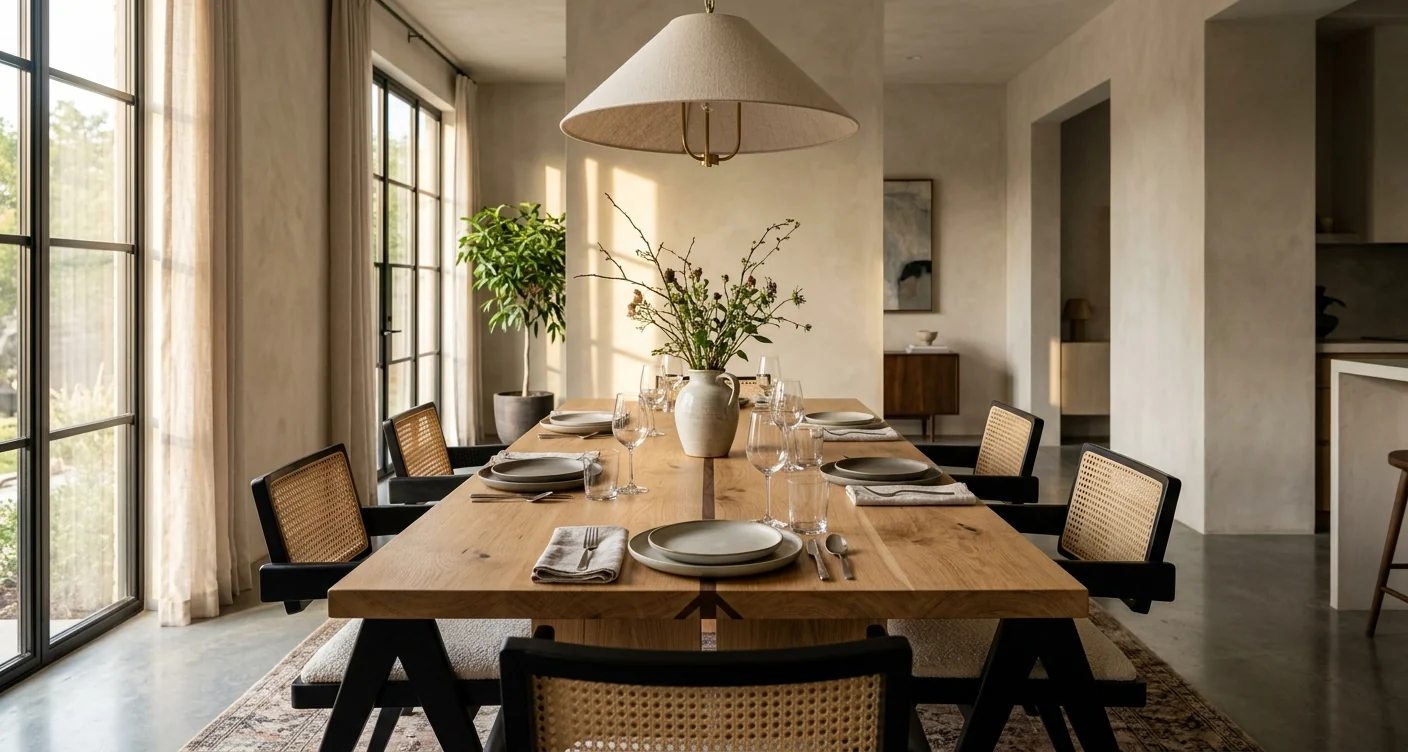
Customers benefit from comprehensive design consultations, choosing from options like live edge, epoxy river, and traditional finishes. Fargo Woodworks offers nationwide shipping, making it easy for clients across the country to receive high-quality, American-made furniture.
With over 3,000 tables delivered since 2020, their focus on quality, sustainability, and customer satisfaction is evident. If you seek a wood tabletop that is truly a statement piece, Fargo Woodworks delivers craftsmanship tailored to your needs.
After exploring the ins and outs of wood tabletop selection, you now have the insights you need to choose a piece that truly reflects your style and practical needs. Whether you’re drawn to timeless solid woods, eco-conscious materials, or innovative design features, working with a dedicated artisan ensures your table becomes a lasting centerpiece. If you’re ready to bring your vision to life or could use expert advice tailored to your unique space, I invite you to take the next step—let’s create something extraordinary together. Get Design Help
Trusted by Industry Leaders