

Step into the world of timeless design with walnut slab tables, the ultimate centerpiece for sophisticated interiors in 2026. These tables captivate with their unique character and enduring style.
In this expert guide, you will discover everything you need to know about walnut slab tables—from sourcing the finest wood to exploring the latest design trends.
Our goal is to help you understand the true value, smart selection, and proper care of these stunning pieces for both homes and businesses. Ready to make a lasting investment? Let’s explore why walnut slab tables are the best choice for your space.
The Enduring Appeal of Walnut Slab Tables
Walnut slab tables have a timeless charm that sets them apart in any space. Their allure lies in the perfect blend of natural artistry, strength, and meaningful storytelling. Explore what makes walnut slab tables cherished centerpieces for homes and businesses alike.
Natural Beauty and Unique Grain Patterns
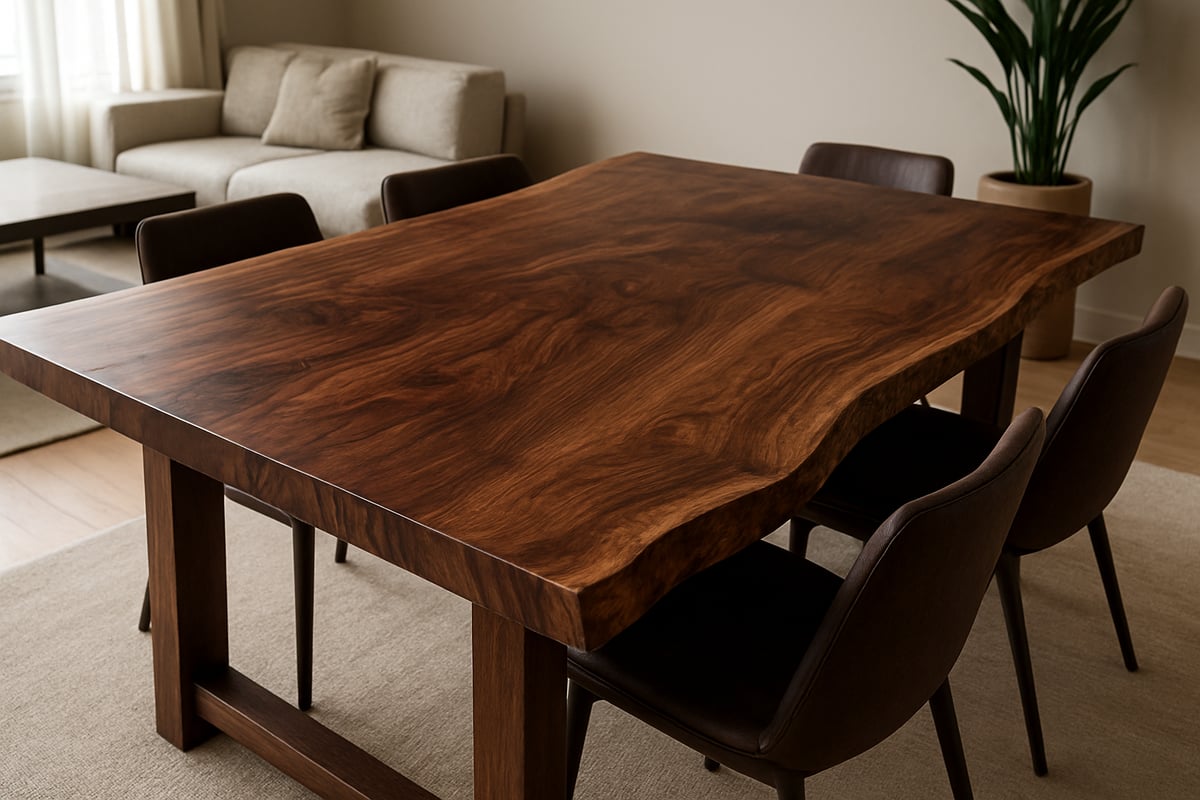
The visual impact of walnut slab tables is immediate and unforgettable. Walnut’s deep, warm hues range from chocolate brown to purplish-black, while its grain patterns create a striking visual story across each surface. Every slab is truly unique, making each table a one-of-a-kind piece. Popular grain variations include curly, burl, and straight grain, each offering a distinct character. For those interested in viewing exceptional examples, the Single Slab Table Offerings showcase the diversity and artistry found in walnut slab tables.
Durability and Longevity
Walnut slab tables are not just beautiful, but exceptionally durable. Walnut’s density and hardness make it a top choice for furniture that lasts for generations. When compared to other hardwoods like oak and maple, walnut stands out for its resistance to wear and ability to retain its structure over time. Owners appreciate that these tables can withstand daily use while maintaining their elegance. For families and businesses, this durability means a reliable centerpiece that ages gracefully and remains stunning for years.
Versatility in Design
One of the standout features of walnut slab tables is their incredible versatility in design. They complement a wide range of interior styles, from modern and minimalist to rustic, industrial, and traditional. Whether placed in a dining room, used as a conference table, or featured as a coffee table, walnut slab tables adapt seamlessly. Interior designers often use them to anchor a space and add natural warmth. The adaptability of walnut ensures that these tables fit perfectly in both residential and commercial environments.
Sustainable Sourcing
Environmental responsibility is increasingly important to today’s furniture buyers. Walnut slab tables crafted from sustainably harvested American walnut are in high demand. Over 60 percent of luxury furniture buyers now prioritize eco-friendly materials, reflecting a major shift in consumer values. Sourcing from responsible suppliers helps protect forests and supports ethical practices. Many artisans and manufacturers provide documentation of their sustainable sourcing, giving buyers peace of mind and a story to share with guests.
Investment Value
Beyond their aesthetic and functional appeal, walnut slab tables are also valuable investments. Due to the scarcity of high-quality walnut and the skill required for craftsmanship, these tables often retain or even increase in value over time. Vintage walnut slab tables have fetched impressive prices at auction, with some appreciating significantly over the years. Collectors and design enthusiasts recognize the enduring worth of these pieces, making them a smart choice for those seeking both beauty and long-term value.
Emotional Connection and Storytelling
Every walnut slab table carries a story, from the forest where the tree grew to the artisan’s workshop where it was transformed. This narrative adds depth and meaning, turning the table into more than just furniture. Families often use walnut slab tables as heirlooms, passing them down through generations, while businesses feature them as statement pieces that embody their brand values. The emotional resonance and sense of history make these tables true centerpieces in any setting.
Sourcing and Selecting the Perfect Walnut Slab Table
Choosing the right walnut slab tables is both an art and a science. With their rich character and natural beauty, these tables demand careful consideration at every step, from wood species to artisan selection. A mindful approach ensures your investment delivers lasting value and unique style.
Understanding Walnut Species and Origins
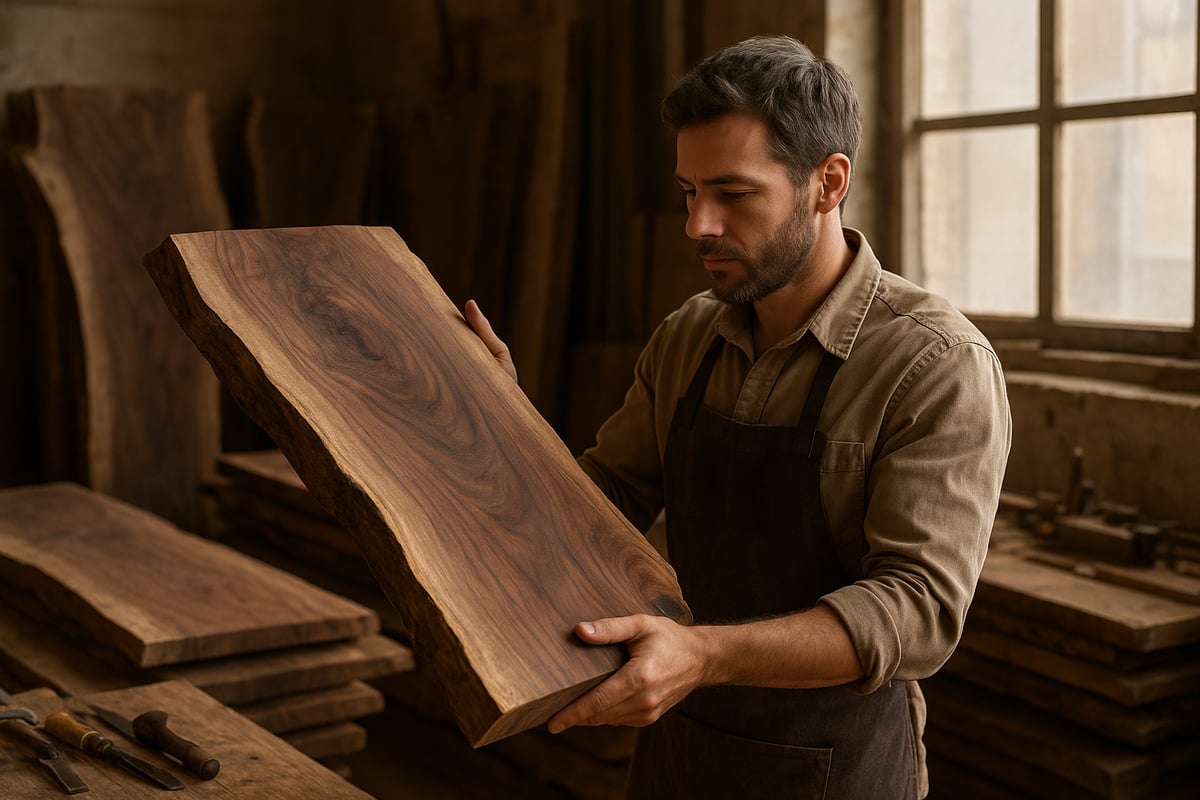
Not all walnut slab tables are created equal. The species of walnut—American black walnut, English walnut, or Claro walnut—directly impacts color, grain, and size. American black walnut is prized for deep chocolate tones and bold grain, making it a favorite for luxury furniture.
Regional variations also matter. For example, slabs from the Midwest often feature wider boards, while West Coast Claro walnut exhibits dramatic figuring. Understanding these differences helps you select walnut slab tables that best suit your design goals and personal taste.
Evaluating Slab Quality
Assessing the quality of walnut slab tables requires close attention to a few key factors. Thickness and width affect both stability and appearance. Look for consistent grain, minimal knots, and absence of cracks or voids. Ideally, the slab should be air dried and kiln dried to prevent future warping.
When shopping online or in person, request clear photos or see the slab firsthand. For a curated selection, visit the Black Walnut Dining Tables Collection, which showcases premium options and design inspiration. Remember, each slab is unique, so take your time with this step.
Custom vs. Ready-Made Tables
Walnut slab tables can be purchased as ready-made pieces or custom built to your specifications. Ready-made tables offer convenience and faster delivery, often at lower prices. However, customization allows you to choose the exact slab, edge style, base, and finish.
Custom tables provide opportunities for unique features such as live edges, epoxy rivers, or butterfly joints. Consider your timeline, budget, and desired level of personalization when deciding between custom and ready-made walnut slab tables.
Pricing Factors and Budgeting
Several variables influence the price of walnut slab tables. Slab thickness, length, width, grain quality, and origin all play a role. Customization, base materials, and finishing options also contribute to overall costs.
Below is a table summarizing key pricing factors:
| Factor | Impact on Price |
|---|---|
| Slab Thickness | Higher thickness increases cost |
| Length/Width | Larger slabs command higher prices |
| Grain & Figure | Rare grains add value |
| Finish & Base | Custom options increase price |
On average, expect to invest between $3,000 and $10,000 for a high-quality walnut slab dining table in 2026. Budget for delivery and installation as well.
Working with Artisans and Woodworkers
The expertise of your chosen craftsman directly affects the final quality of walnut slab tables. Experienced woodworkers know how to stabilize, finish, and showcase the wood’s natural beauty.
Ask to see portfolios and references. Inquire about their sourcing practices to ensure sustainability. A skilled artisan will guide you through the design process and help you avoid common pitfalls, ensuring your walnut slab tables stand the test of time.
Lead Times and Delivery Considerations
Custom walnut slab tables typically require a production lead time of six to sixteen weeks. This allows for drying, shaping, finishing, and quality checks. Ready-made tables may ship sooner, but customization extends the timeline.
Discuss delivery logistics early. Ensure your space is accessible and prepared for the table’s weight and size. Many artisans and retailers offer nationwide shipping, making it easier to receive your walnut slab tables wherever you reside.
Fargo Woodworks: Custom Walnut Slab Tables
Fargo Woodworks has earned a reputation for handcrafted walnut slab tables tailored to both residential and business environments. Their team sources local walnut, emphasizing sustainability and craftsmanship at every stage.
Clients can choose from a range of customization options, including slab selection, edge style, and base materials. Fargo Woodworks offers design consultations and nationwide delivery, making the process of acquiring bespoke walnut slab tables seamless and rewarding.
Design Trends and Expert Insights for 2026
In 2026, walnut slab tables are at the forefront of interior design, blending timeless elegance with innovative features. This year’s trends showcase the adaptability of walnut slab tables, making them a preferred choice for both residential and commercial spaces. Explore how design, sustainability, and technology are shaping the future of these exceptional pieces.
Popular Table Styles and Finishes
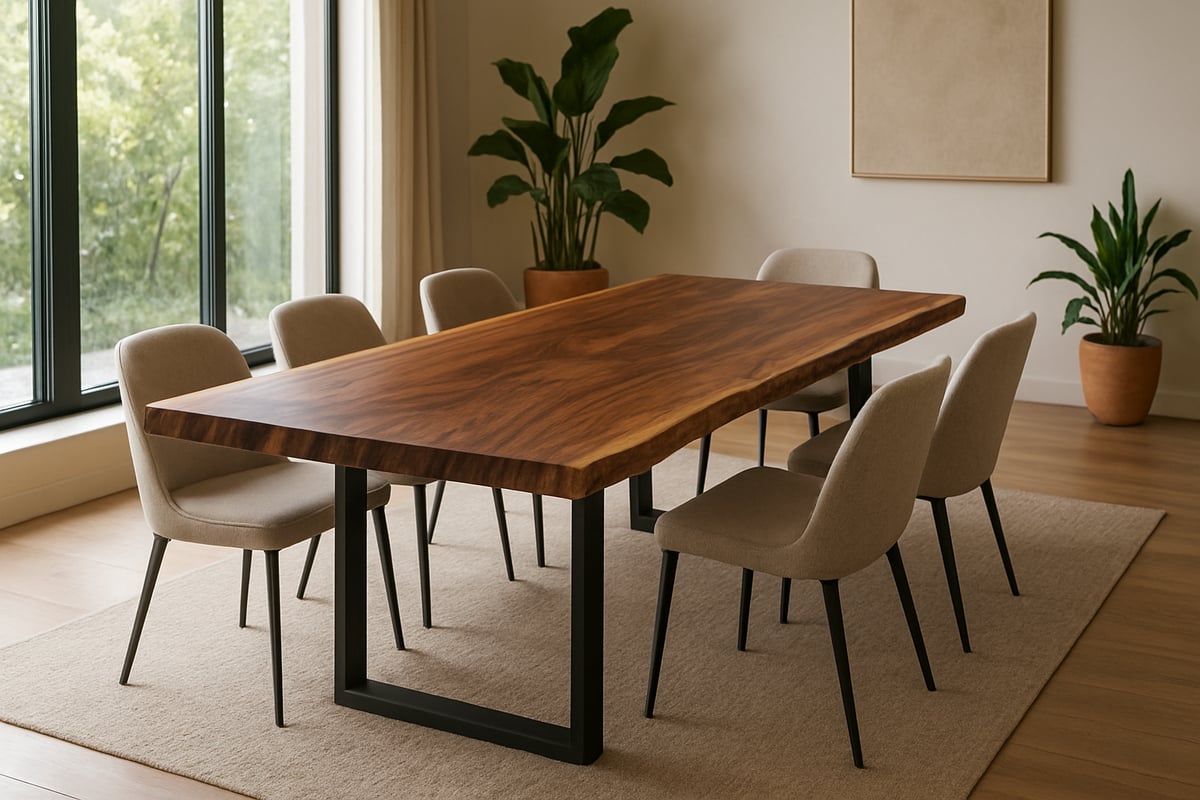
Live edge designs remain a top trend for walnut slab tables, emphasizing the organic beauty of each unique slab. Minimalist bases, often crafted from steel or powder-coated metal, provide a sleek contrast to the natural wood. Mixed materials, such as pairing walnut with glass or acrylic, are also gaining momentum.
Finishes are evolving, with a noticeable shift toward natural oils, matte polyurethane, and eco-friendly sealants. Notably, Minwax’s 2026 Color of the Year: Special Walnut signals the ongoing popularity of walnut tones in contemporary interiors. These finishes highlight the depth and warmth of walnut slab tables, allowing the grain to take center stage.
Designers are experimenting with subtle color variations and texture, ensuring each table feels current yet classic.
Integration with Modern Interiors
Walnut slab tables integrate seamlessly with open-concept layouts and biophilic design trends. Their organic forms soften modern spaces, bridging the gap between nature and architecture. Designers frequently pair walnut slab tables with sculptural lighting fixtures and upholstered seating in neutral palettes.
Incorporating living plants and natural textures alongside walnut slab tables enhances the calming atmosphere. These tables work equally well in minimalist lofts and cozy, layered interiors, adapting to a variety of aesthetics.
Their versatility makes walnut slab tables a go-to solution for designers seeking a statement piece that unifies the room.
Commercial and Hospitality Applications
The commercial use of walnut slab tables is surging in 2026. Restaurants, boutique hotels, and offices are investing in these tables to create memorable experiences and elevate brand identity. In executive boardrooms, walnut slab tables serve as both functional surfaces and visual focal points.
Boutique hotels use custom walnut slab tables for communal dining, reception desks, and lounge areas. The durability and timeless appeal of these tables ensure they withstand heavy use while maintaining their sophistication.
Businesses recognize that walnut slab tables can define a space, leaving a lasting impression on clients and guests.
Technology and Smart Features
Technology is transforming walnut slab tables without compromising their natural appeal. Many 2026 models incorporate wireless charging pads, discreet cable management, and modular components. These innovations support modern lifestyles while preserving the integrity of the wood.
Designers advise careful integration, ensuring technology complements rather than overwhelms the organic beauty. Modular bases and removable panels allow flexibility for offices and collaborative environments.
By balancing technology with tradition, walnut slab tables remain relevant and functional for tech-savvy spaces.
Sustainability and Responsible Sourcing
Sustainability is a top priority for walnut slab tables in 2026. More consumers are requesting FSC-certified or reclaimed walnut, reflecting a shift toward responsible sourcing. According to recent data, there has been a 40% increase in sustainably sourced walnut furniture sales since 2023.
Artisans and manufacturers are transparent about their wood sourcing practices, often sharing the story behind each slab. This focus on sustainability not only benefits the environment but also adds value and meaning to every table.
Choosing walnut slab tables from reputable sources ensures both longevity and ecological responsibility.
Expert Tips for Choosing the Right Table
Selecting the perfect walnut slab tables involves several key considerations. Experts recommend matching slab thickness to the intended use: thicker slabs for dining or conference tables, thinner slabs for accent pieces. Edge style, such as live or straight, should complement your interior.
Base design is crucial for both stability and aesthetics. Consider materials like steel, wood, or mixed media to create the ideal balance. Consulting with interior designers or experienced woodworkers can help you refine your vision.
Thoughtful choices ensure walnut slab tables enhance your space for years to come.
Customization and Personalization Trends
Personalization is driving innovation in walnut slab tables for 2026. Unique inlays, engraved details, and artistic epoxy accents are in high demand. Homeowners and businesses are commissioning tables featuring family crests, corporate logos, or abstract artwork.
Epoxy rivers, metallic inlays, and custom finishes allow clients to express their individual style. Artisans collaborate closely with clients, turning each walnut slab table into a one-of-a-kind masterpiece.
These customization options reinforce the enduring appeal and investment value of walnut slab tables.
Step-by-Step Guide: Ordering and Customizing a Walnut Slab Table
Ordering and customizing walnut slab tables is a rewarding process that transforms a vision into a functional work of art. Whether furnishing a dining room or designing a conference centerpiece, following a structured approach ensures your table fits perfectly with your space and style.
Step 1: Define Your Needs and Space
Begin by measuring your room and considering the intended use for your walnut slab tables. Will it serve as a dining table, conference table, coffee table, or a unique statement piece?
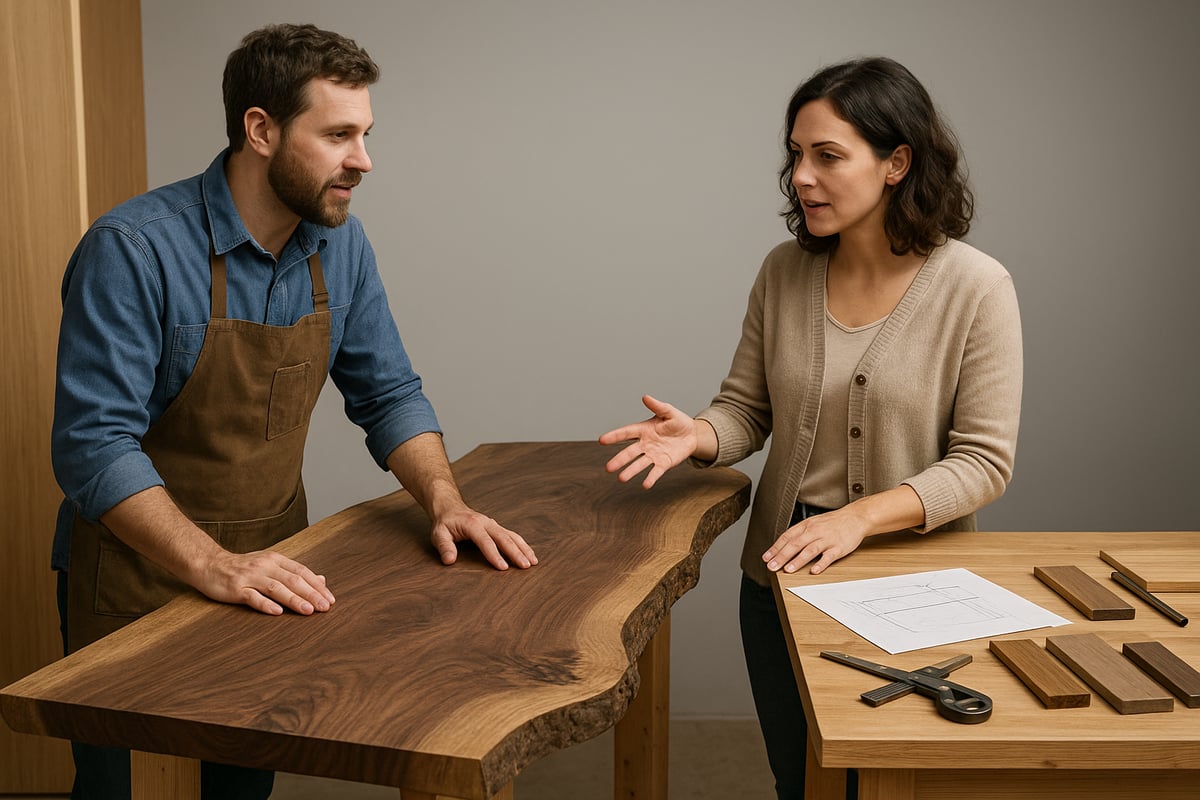
Think about seating capacity, traffic flow, and ergonomic comfort. Sketch your ideal layout, noting dimensions and orientation. This clarity helps guide every decision that follows.
Step 2: Choose Your Walnut Slab
Selecting the right slab is crucial. Compare walnut species, grain patterns, and edge styles. Decide between a live edge, which showcases the tree's natural contour, or a straight edge for a cleaner look.
Reputable suppliers often provide detailed photos or allow in-person viewing. For inspiration and available options, explore Live Edge Dining Table Options, which offer a variety of walnut slab tables suited to modern preferences.
Step 3: Select Base Design and Materials
The base of your walnut slab tables should balance aesthetics, stability, and function. Options include solid wood, steel, acrylic, or mixed materials.
Coordinate the base style with your interior—sleek metal for contemporary spaces, or chunky wood for a rustic touch. Confirm the base supports the slab's weight and allows comfortable legroom.
Step 4: Decide on Finish and Protective Coatings
Choose a finish that enhances the walnut's color and protects the surface. Options include natural oil for a matte look, polyurethane for durability, or eco-friendly sealants for sustainability.
Each finish impacts both appearance and maintenance. Discuss with your artisan how each choice complements the grain and daily use of walnut slab tables.
Step 5: Personalize with Custom Features
Customization allows you to add personality and function to your walnut slab tables. Consider inlays, epoxy rivers, integrated power outlets, or cable management features.
Share your ideas with the craftsman, from family crests to unique artistic accents. These details transform your table into a signature piece.
Step 6: Approve Design and Place Order
Before production begins, review detailed drawings or 3D renderings of your table. Confirm every specification, from slab selection and edge style to base material and finish.
Clarify lead times, payment terms, and delivery logistics. This step ensures your walnut slab tables will meet expectations in both design and timing.
Step 7: Delivery, Installation, and Final Inspection
On delivery day, prepare the space for safe installation. Work with professionals to position the table and assemble the base if needed.
Inspect the craftsmanship, finish, and stability. Use a checklist to verify that your walnut slab tables match the agreed-upon design and are free from defects.
Caring for and Maintaining Your Walnut Slab Table
Caring for walnut slab tables is essential to preserve their beauty, structural integrity, and value for years to come. Proper maintenance not only enhances the table’s natural elegance, but also ensures it becomes a cherished centerpiece in any setting.
Routine Cleaning and Protection
Routine cleaning is the foundation of keeping walnut slab tables looking their best. Dust the surface regularly with a soft, dry cloth. For deeper cleaning, use a mild soap diluted in water and wipe gently, avoiding excessive moisture. Never use harsh chemicals or abrasive pads.
To protect your walnut slab tables from everyday damage, always use coasters under drinks and placemats during meals. Tablecloths or runners can provide an extra layer of defense against spills and scratches. Choosing eco-friendly cleaning products is recommended, aligning with industry trends toward sustainability, as highlighted by Ethan Allen’s Sustainable Wood Sourcing Recognition.
Preventing and Repairing Scratches, Dents, and Stains
Walnut slab tables are naturally resilient, but accidents can happen. Address spills immediately by blotting with a soft, absorbent cloth. Avoid dragging heavy or sharp objects across the surface to prevent scratches.
For minor scratches, a touch-up marker or blending wax in a matching shade can reduce their appearance. Small dents might be minimized by placing a damp cloth over the area and applying a warm iron briefly, but always test on an inconspicuous spot first. For deeper damage, consult a professional to maintain the integrity of your walnut slab tables.
Climate and Humidity Considerations
Wood is sensitive to environmental changes, and walnut slab tables are no exception. Fluctuations in humidity can lead to warping, cracking, or separation at seams. Maintain indoor humidity levels between 35% and 55% for optimal stability.
Avoid placing walnut slab tables near direct heat sources, air vents, or in direct sunlight, as these conditions can accelerate drying and fading. Consider using a humidifier during dry winter months and a dehumidifier in humid climates to protect your investment and prevent unnecessary wear.
Periodic Maintenance and Refinishing
Regular maintenance keeps walnut slab tables in prime condition. Depending on the finish, re-oiling or applying a protective wax every one to three years can revive luster and shield the surface from moisture. For tables with polyurethane or lacquer finishes, inspect for dullness or wear and consider professional refinishing as needed.
Signs that your walnut slab tables need attention include a loss of sheen, visible scratches, or water not beading on the surface. Using products designed for hardwood care ensures longevity and aligns with responsible, eco-friendly practices, as reflected in leading industry standards.
Long-Term Preservation
Preserving the color and patina of walnut slab tables requires consistent care. Limit exposure to direct sunlight, which can cause fading or uneven coloration over time. Rotate decorative items periodically to prevent shadow marks and ensure even aging.
When moving or storing walnut slab tables, always lift rather than drag, and use protective padding to avoid dents or scratches. Proper storage in a climate-controlled environment is crucial for long-term preservation, ensuring your table remains a treasured fixture for generations.
Common Mistakes to Avoid
Many owners unintentionally damage their walnut slab tables by over-cleaning, using unsuitable products, or neglecting climate control. Avoid placing hot dishes directly on the surface, and never use ammonia-based cleaners or silicone polishes.
Learning from real-world examples, one common mistake is exposing tables to prolonged sunlight, which can quickly diminish their rich hues. By following expert advice and simple care routines, you can prevent these pitfalls and enjoy the lasting beauty of your walnut slab tables.
Walnut Slab Tables in Home and Commercial Spaces: Inspiration and Case Studies
Walnut slab tables have become the hallmark of refined interiors, bridging tradition and modernity across diverse environments. Their organic beauty and versatility elevate both homes and businesses, making each space memorable. Explore how these functional works of art inspire designers, families, and professionals alike.
Residential Showcases
In residential spaces, walnut slab tables serve as stunning dining room centerpieces where families gather for meals, celebrations, and conversation. The organic lines and rich tones complement both minimalist and traditional interiors, creating a sense of warmth and belonging.
Coffee and console tables crafted from walnut slabs transform living rooms, offering both elegance and practicality. Homeowners often share stories of how their walnut slab tables become cherished heirlooms, passed down through generations.
Office and Conference Room Applications
Businesses increasingly select walnut slab tables for executive offices and boardrooms, recognizing their impact on client impressions and workplace morale. The natural grain and commanding presence of these tables set a tone of professionalism and creativity.
A custom walnut slab conference table can anchor a room, encouraging collaboration and forward-thinking discussions. Companies appreciate their durability, knowing these pieces will maintain their appeal for years.
Restaurant and Hospitality Installations
Restaurants and boutique hotels showcase walnut slab tables to heighten ambiance and create inviting communal spaces. From dramatic bar tops to intimate dining tables, each installation is tailored for memorable guest experiences.
Industry growth reflects this trend, with demand for solid wood pieces rising steadily. According to the Solid Wood Furniture Market Forecast 2025-2035, walnut slab tables continue to gain popularity in hospitality settings, highlighting their lasting value.
Interior Designer Perspectives
Leading interior designers praise walnut slab tables for their adaptability. The unique patterns and live edge profiles allow for seamless integration with a variety of color palettes and materials, from cool-toned metals to soft textiles.
Designers often recommend walnut slab tables as statement pieces, offering tips such as pairing them with sculptural lighting or contrasting minimalist chairs. Their feedback underscores the importance of craftsmanship and proportion in achieving balance.
Before-and-After Transformations
The impact of walnut slab tables is best illustrated through before-and-after transformations. Spaces lacking character are instantly elevated once a handcrafted walnut table is introduced.
| Before | After |
|---|---|
| Plain dining area | Warm, inviting centerpiece |
| Generic office boardroom | Inspiring, collaborative workspace |
| Dull restaurant corner | Lively, memorable guest experience |
Homeowners and business owners alike provide testimonials, noting increased satisfaction and pride in their transformed spaces.
Trends in 2026: What’s Next?
Looking ahead, industry experts predict a surge in innovative uses for walnut slab tables. Expect to see more mixed-material designs, personalized engravings, and sustainable sourcing practices.
Sustainability is at the forefront, with many buyers seeking responsibly harvested wood. The 2025 Wood Furniture Scorecard Insights highlight the growing emphasis on ethical sourcing, ensuring that walnut slab tables remain a conscientious investment for years to come.
As you’ve seen throughout this guide, selecting the perfect walnut slab table involves more than just choosing a beautiful piece—it’s about making an investment in craftsmanship, sustainability, and timeless design tailored to your unique space. If you’re ready to turn your vision into reality but want expert input on everything from slab selection to custom finishes, I invite you to connect with Fargo Woodworks for personalized guidance. Their team is passionate about helping you create a walnut slab table that fits your style and needs for 2026 and beyond.
Get Design Help