
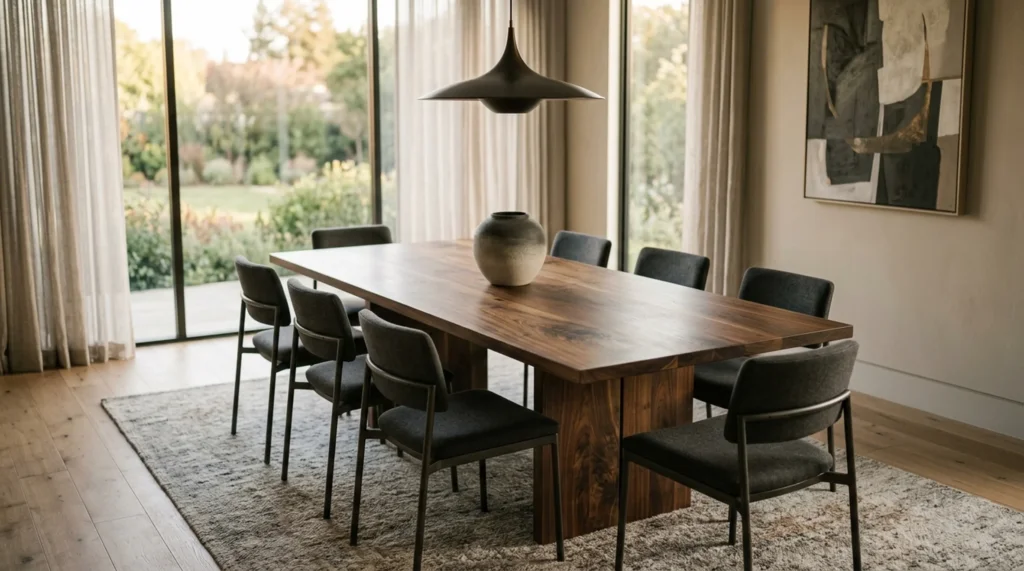
Imagine gathering around a solid wood table that becomes the centerpiece of your home or office, welcoming friends and family for years to come. Choosing the right table is about more than style—it is about investing in timeless beauty, durability, and function. In this guide, you will discover how to select the perfect solid wood table for 2025. We will explore wood types, the latest design trends, sizing tips, finishes, sustainability, and how to customize your table to reflect your unique taste. Let this guide inspire you to create a space that truly feels like yours.
Understanding Solid Wood Tables: What Sets Them Apart?
Solid wood tables have long been celebrated for their lasting beauty and unmatched character. What exactly makes a solid wood table stand out in a world filled with imitation options? To answer this, let us explore the materials, craftsmanship, and unique traits that set these tables apart.
Definition and Key Features of Solid Wood Tables
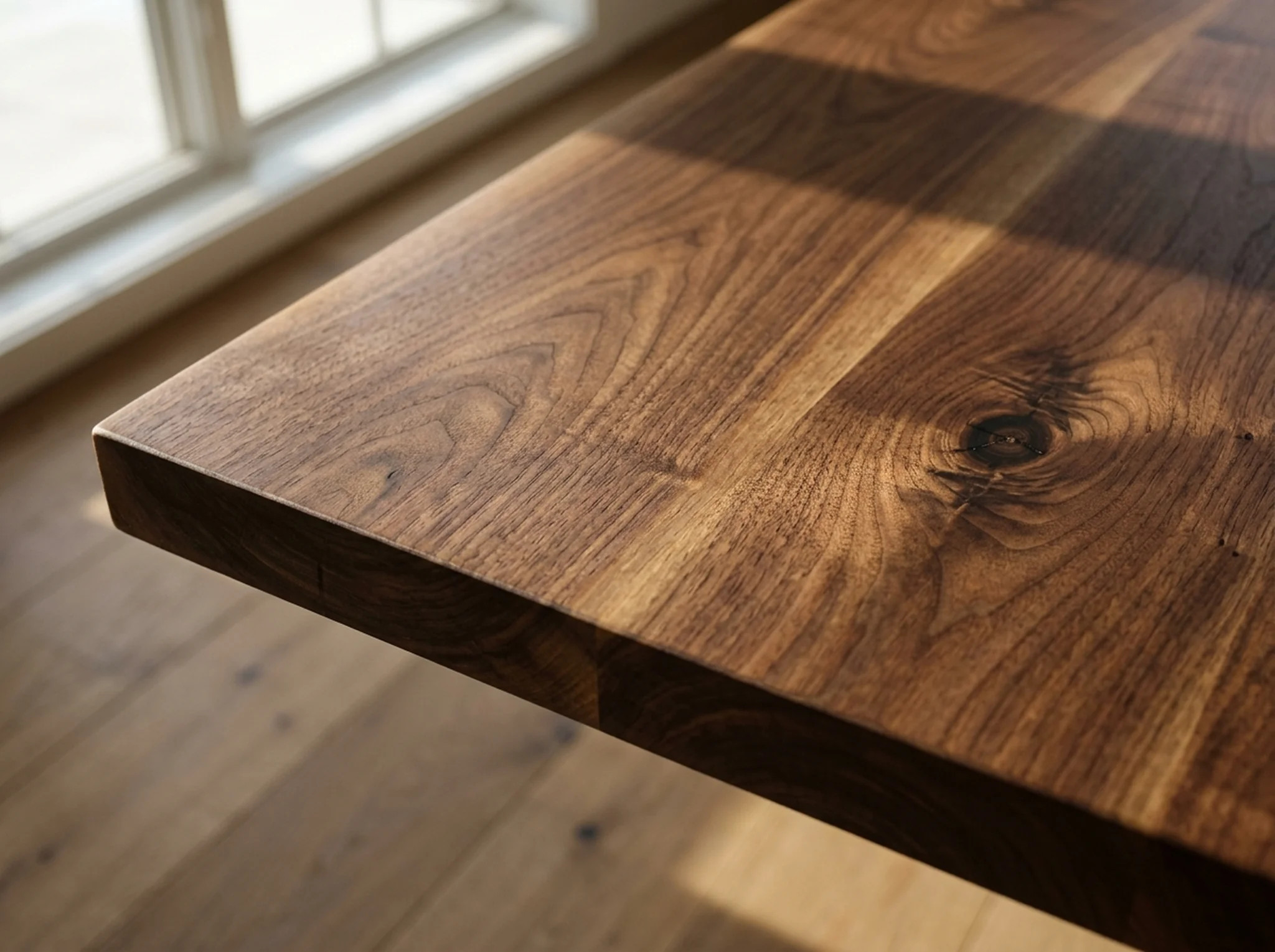
A solid wood table is constructed entirely from a single type of natural wood, offering authenticity and substance that veneer or engineered wood cannot match. Unlike veneer tables, which use a thin wood layer over composite materials, a solid wood table is durable throughout, allowing for repairs, sanding, and refinishing over time.
Common wood species include:
- Oak: Known for strength and prominent grain.
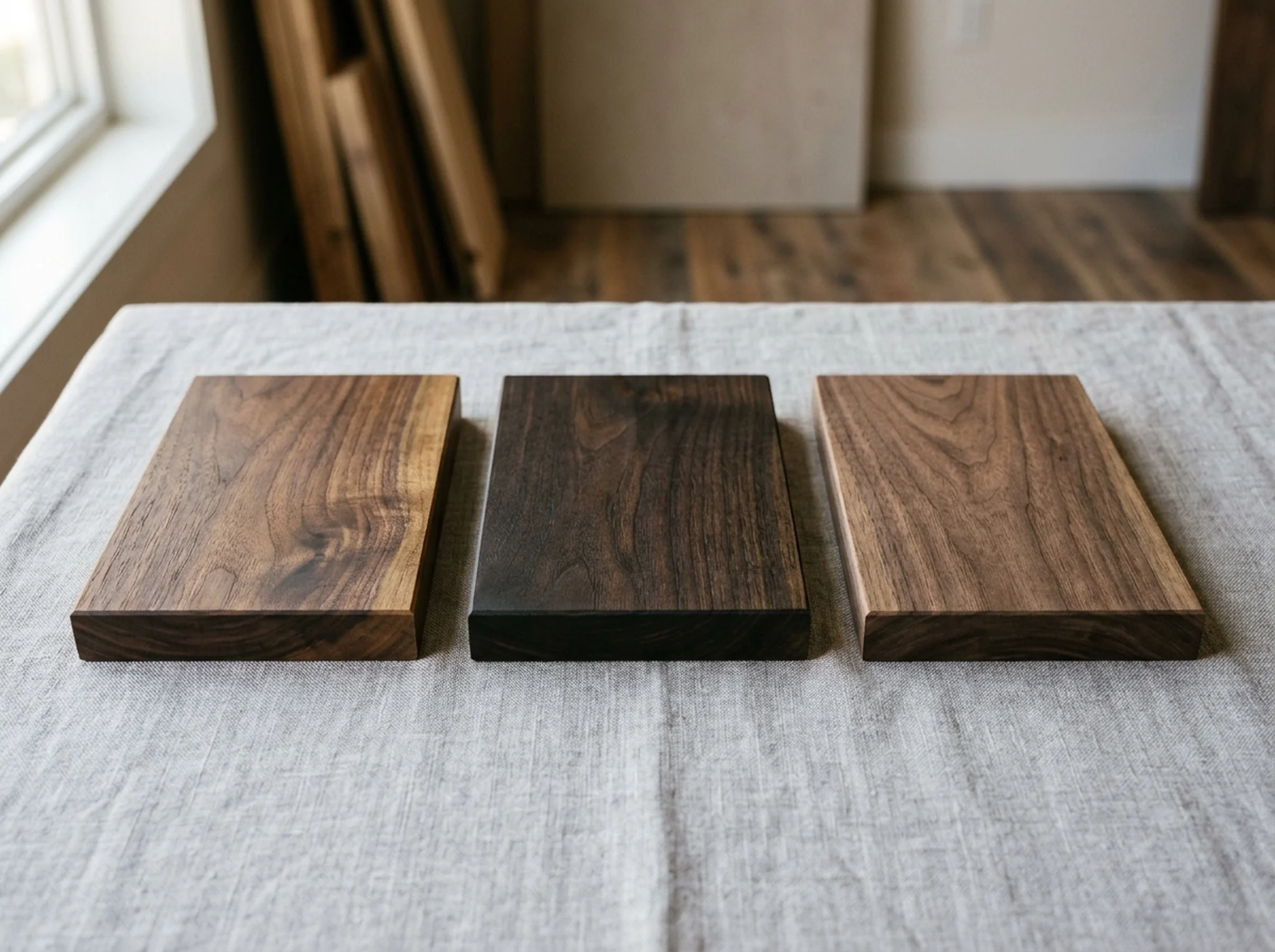
- Walnut: Valued for rich color and luxury feel.
- Maple: Appreciated for light tone and smooth finish.
- Cherry, ash, and elm: Each brings unique grain and color.
Every solid wood table features natural grain patterns and subtle color variations. These characteristics ensure that no two tables are ever exactly alike, providing a sense of individuality to each piece.
Heirloom quality is a hallmark of the solid wood table. Over time, these tables develop a patina, gaining character and depth with each passing year. Many believe all wood tables are equally durable, but this is a misconception. Solid wood tables are far more robust, making them ideal for both everyday use and special occasions.
Maintenance also differs. A solid wood table can be sanded and refinished, unlike most engineered options. Styles range from classic farmhouse to sleek mid-century modern, and the organic beauty of Live Edge Solid Wood Tables has become especially sought after for its raw, natural edge.
Benefits of Choosing Solid Wood for 2025
Choosing a solid wood table is an investment in longevity. These tables can last for decades, often becoming cherished family heirlooms. Their durability means less frequent replacement, reducing long-term costs and environmental impact.
Sustainability is another key benefit. Responsibly sourced woods support healthy forests and communities, making the solid wood table a sound choice for eco-conscious buyers. The ability to repair, sand, or restain a table means it can be refreshed rather than replaced, bolstering its lifespan and value.
Solid wood tables are safer for indoor air quality, containing fewer chemicals and less off-gassing compared to composite materials. This makes them a healthier option for homes and workplaces.
Value retention is impressive. Industry estimates show that a solid wood table can retain up to 70% of its value after 10 years, far outperforming most mass-produced furniture. Whether you prefer a rustic farmhouse look or sleek modern lines, a solid wood table delivers on both style and substance for 2025 and beyond.
Top Solid Wood Table Trends for 2025
The world of the solid wood table is evolving rapidly as we approach 2025. Consumers are seeking both timeless craftsmanship and bold, modern innovations. Whether you are outfitting a dining room or a collaborative workspace, keeping up with the latest trends ensures your solid wood table remains both functional and stylish for years to come.
Trending Styles and Shapes
Designers are embracing organic forms and natural aesthetics for the solid wood table in 2025. Live edge tables, with their raw, uncut edges, are in high demand for their one-of-a-kind appeal. Organic shapes—such as asymmetrical or freeform silhouettes—bring the beauty of nature indoors and make each table unique.
Round and oval solid wood table designs are gaining traction for their versatility in both small apartments and large open spaces. Expandable tables with hidden leaves provide adaptability for entertaining guests. Minimalist and Scandinavian-inspired styles remain popular for their clean lines and understated elegance, while industrial fusion tables pair solid wood tops with sleek metal bases for a contemporary edge.
Blending farmhouse, mid-century, and contemporary influences, this year’s trends offer something for every taste. The solid wood table is no longer just furniture—it is a statement piece that reflects personal style and functional needs.
In-Demand Wood Species and Finishes
Material choice is central to the solid wood table trends of 2025. Dark walnut continues to lead as a premium option, offering rich color and striking grain patterns. White oak is valued for its subtle texture and light, airy vibe, while blonde maple brings a fresh, modern look to dining and workspaces.
Finishes are evolving as well. Matte and wire-brushed surfaces provide tactile interest and showcase the wood’s natural grain. Eco-friendly stains and water-based sealants are now the standard, appealing to environmentally conscious consumers. Custom color matching allows homeowners to coordinate their solid wood table with existing décor, ensuring harmony throughout their space.
Expect to see more tables that highlight natural imperfections, such as knots and mineral streaks. These features celebrate authenticity and reinforce the unique character of each solid wood table.
Functional Innovations
Solid wood table design is not just about looks. In 2025, functionality takes center stage with integrated storage solutions, such as drawers or hidden compartments, allowing for clutter-free living. Extendable leaves make it easy to accommodate extra guests, and multi-use tables are optimized for both dining and remote work.
Smart features are making their way into the solid wood table market. Built-in charging ports, cable management systems, and adjustable heights are increasingly common. For a deeper dive into these emerging concepts, explore the Latest Trends in Conference Table Design to see how innovation is shaping both residential and commercial settings.
These advancements ensure the solid wood table meets the demands of modern life while maintaining its timeless appeal.
Real-World Examples
Several brands are leading the way in solid wood table trends for 2025. Plank + Beam offers collections that fuse modern and classic aesthetics, perfect for a range of interiors. The Lumber Shack is recognized for its custom live edge builds, giving clients the opportunity to own a truly unique piece.
Industry data shows a 40 percent year-over-year increase in demand for live edge tables, signifying a strong shift toward natural, artisan-crafted furniture. The solid wood table’s ability to blend function, style, and sustainability explains its rising popularity in both homes and offices.
From luxury boardrooms to cozy dining nooks, the solid wood table continues to set the standard for durability, beauty, and innovation.
How to Choose the Right Wood Type for Your Table
Selecting the ideal wood species is crucial for a solid wood table that suits your lifestyle and design preferences. The right wood impacts not just appearance, but also the table’s durability, maintenance needs, and long-term value.
Overview of Popular Wood Species
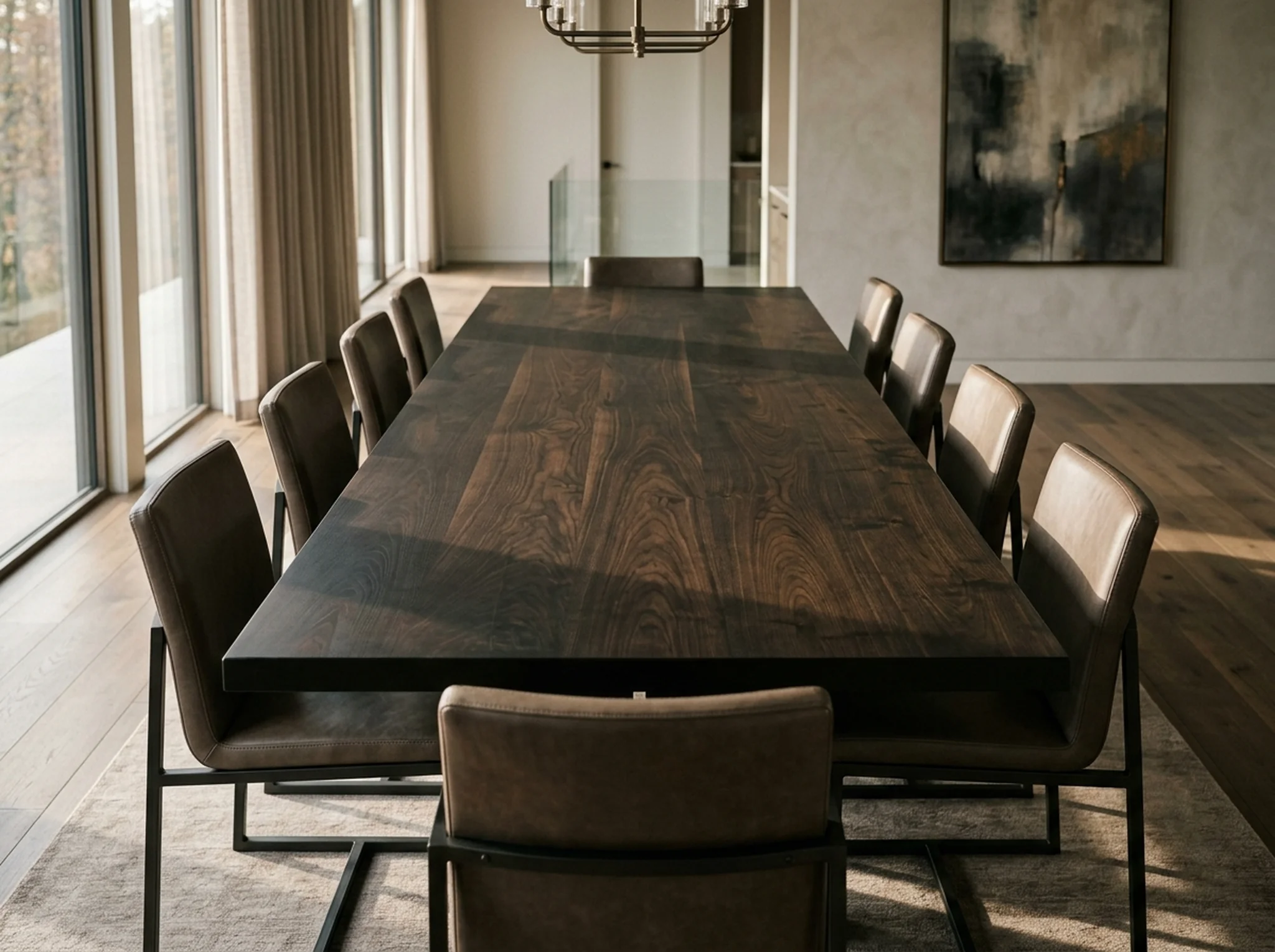
A variety of wood species are used in solid wood table construction, each offering distinct characteristics. Oak stands out for its strength, visible grain, and adaptability to both modern and traditional interiors. Walnut is prized for its deep, rich brown hues and luxurious presence, ideal for statement pieces. For those seeking lighter tones, maple delivers durability and a smooth surface that takes stain exceptionally well. Cherry develops a beautiful patina over time, lending warmth and elegance to any space. Ash and elm are increasingly popular for their unique grain patterns and ability to complement contemporary designs.
| Wood Species | Hardness (Janka) | Color/Grain | Best Fit Styles |
|---|---|---|---|
| Oak | 1290 | Medium, prominent | Farmhouse, Modern |
| Walnut | 1010 | Dark, bold | Luxury, Statement |
| Maple | 1450 | Light, subtle | Scandinavian, Minimal |
| Cherry | 950 | Reddish, smooth | Traditional, Classic |
| Ash | 1320 | Light, open grain | Modern, Contemporary |
| Elm | 830 | Wavy, textured | Rustic, Eclectic |
Walnut, especially, is a premium choice for a solid wood table and is recognized for its remarkable beauty and enduring appeal. For a closer look at high-quality walnut options, explore these Black Walnut Dining Tables.
Factors to Consider When Selecting Wood
When choosing the wood for your solid wood table, evaluate the hardness and resistance to dents or scratches. The Janka scale, shown above, helps compare durability. Oak and maple are excellent for high-traffic dining areas due to their toughness. Walnut and cherry, while slightly softer, offer unparalleled visual impact.
Color and grain should complement your room’s palette and existing décor. Light woods like ash and maple can brighten a space, whereas darker species such as walnut create dramatic contrast.
Availability and pricing trends can influence your decision. Domestic woods like oak and maple tend to be more accessible and cost-effective in North America, while imported species may increase lead times and expense. For those concerned with environmental impact, look for woods certified by organizations such as the Forest Stewardship Council (FSC), which ensures sustainable sourcing.
Sourcing decisions also affect your table’s story. Domestic woods support local economies, while imported exotics may offer unique aesthetics but often come with a higher carbon footprint.
Examples and Recommendations
For busy dining spaces, oak and maple are top recommendations thanks to their resilience. If your style leans modern or minimalist, consider ash or a light-stained maple for a crisp, clean look. For rustic or farmhouse aesthetics, oak and elm provide characterful grain and warmth.
Mixing wood species is an emerging trend, allowing you to create visual contrast and a truly bespoke solid wood table. For example, a walnut top paired with an ash base offers both durability and design interest.
Custom tables are ideal for those seeking a unique combination of woods or finishes. Always consult with your maker about combining species, finish compatibility, and long-term maintenance to ensure your table meets both practical and aesthetic goals.
Sizing and Space Planning: Finding the Perfect Fit
Selecting the right size for your solid wood table is essential for both comfort and aesthetics. Whether you have a cozy breakfast nook or a spacious dining room, careful space planning ensures your table becomes a natural centerpiece that enhances the flow of your home.
Measuring Your Space and Seating Needs
Before purchasing a solid wood table, start by measuring your available space. Use a tape measure to record the room's length and width, noting any architectural features that may impact placement. For rectangular tables, allow a minimum of 36 inches of clearance on all sides so guests can move chairs comfortably. Round and oval tables are ideal for tighter spaces, offering better flow and flexibility.
Next, determine how many people you want to seat. As a general guideline, a 72-inch rectangular solid wood table seats six to eight, while a 60-inch round table fits six. The table below summarizes recommended seating:
| Table Shape | Length/Diameter | Seats |
|---|---|---|
| Rectangular | 60" | 4-6 |
| Rectangular | 72" | 6-8 |
| Round | 48" | 4-6 |
| Round | 60" | 6-8 |
| Oval | 72" | 6-8 |
Consider your lifestyle and room type. Open concept layouts benefit from expandable solid wood table designs, while formal dining rooms may accommodate larger, statement pieces. For more on how table sizing aligns with emerging trends, explore Dining Room Design Trends 2025.
Table Height and Ergonomics
A comfortable solid wood table height ensures enjoyable meals and gatherings. Standard dining tables are 28 to 30 inches high, pairing well with chairs that have a seat height of 18 to 20 inches. Counter-height tables (34 to 36 inches) work for casual kitchens, while bar-height tables (40 to 42 inches) are best for entertaining.
When planning seating, match the table height to your chairs or benches. Allow 10 to 12 inches between the seat and the tabletop for legroom. If accessibility is a priority, choose tables with open bases or rounded corners to accommodate mobility aids. Universal design considerations make your solid wood table welcoming for everyone.
Visual Balance and Proportion
Achieving visual harmony starts with proportioning your solid wood table to the room. As a rule, your table should be 2 feet shorter than the smallest room dimension, leaving space for movement and other furniture. Use benches or extendable leaves for flexibility in seating without overwhelming the space.
Balance is also about shape and placement. In long, narrow rooms, rectangular tables fit best, while round tables soften square spaces. Aim for a table that comfortably seats your desired number without crowding. For example, a 72-inch solid wood table fits six to eight people and maintains an inviting atmosphere.
Thoughtful space planning ensures that your solid wood table not only fits your room but also elevates your daily living experience.
Customization, Craftsmanship, and Where to Buy
Selecting the right solid wood table is more than just a purchase, it is an investment in your space and lifestyle. The journey from raw timber to finished piece involves decisions about design, craftsmanship, and sourcing. Understanding these elements ensures your table will stand the test of time and reflect your personal style.
The Value of Handcrafted and Custom Tables
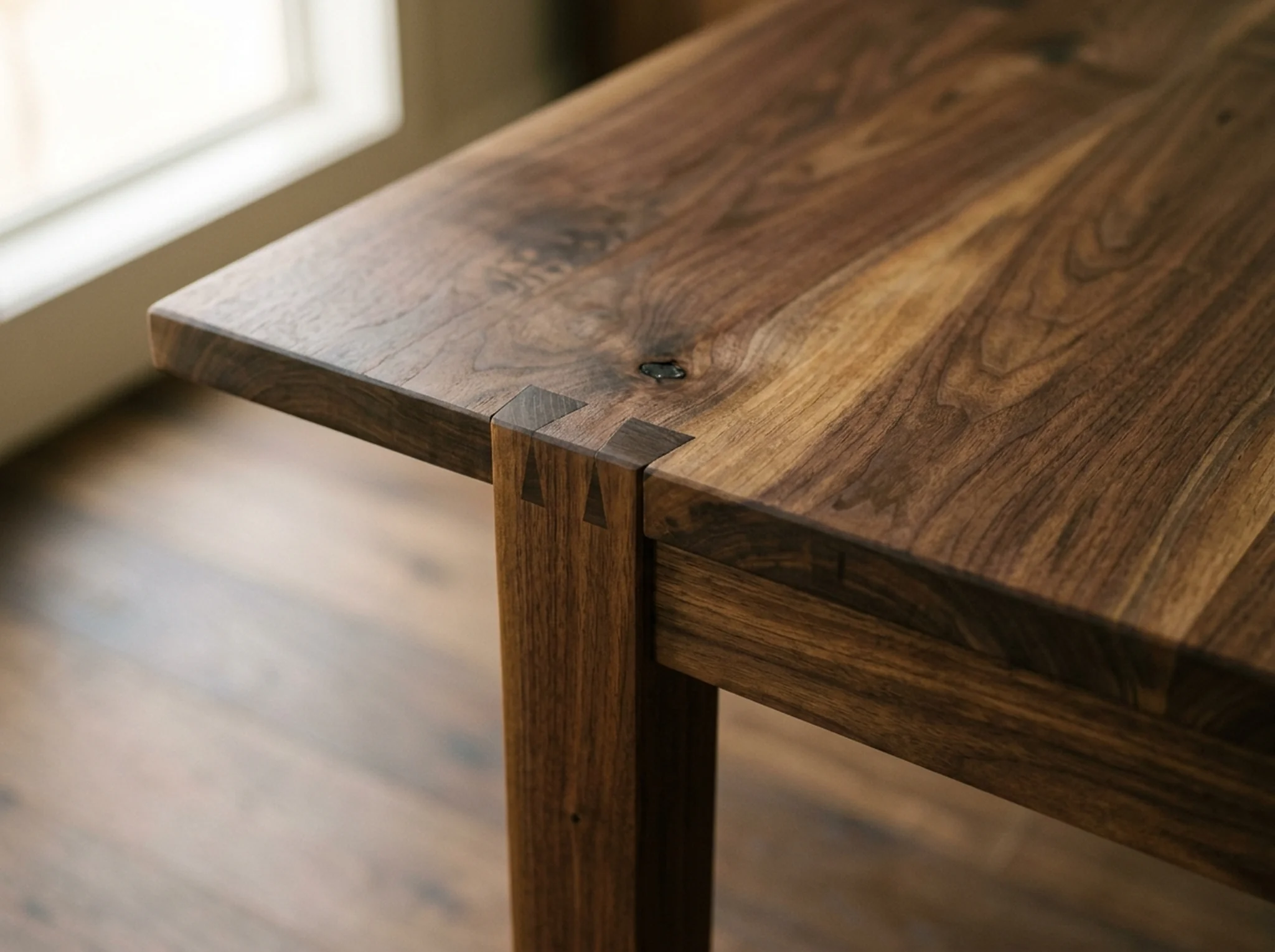
Handcrafted and custom tables deliver a level of quality and individuality that mass-produced options cannot match. Each solid wood table made by an artisan is built with attention to detail, using time-honored joinery techniques for superior durability. Unlike factory pieces, these tables can be tailored to your exact needs.
Customization options are vast. You can choose the exact size, shape, wood species, edge profile, finish, and base style that fit your space. This flexibility allows for a solid wood table that is not only functional but also a true reflection of your taste.
Craftsmanship is at the heart of every custom table. Skilled makers select premium lumber, ensuring unique grain patterns and color variations. The result is a table with character, built to withstand daily use and develop a beautiful patina over time. When you invest in a handcrafted solid wood table, you are choosing heirloom quality and lasting value.
Fargo Woodworks: Handcrafted Solid Wood Tables for Every Space
Fargo Woodworks is a leader in custom solid wood table design. Their team offers expert guidance through every stage, from initial concept to final delivery. Using locally sourced and sustainable materials, Fargo Woodworks crafts dining, living, and office tables with exceptional attention to detail.
Unique offerings include live edge and epoxy river tables, as well as bold commercial statement pieces. Each solid wood table is carefully finished to highlight the natural grain and ensure long-term durability. With over 3,000 tables handcrafted since 2020, Fargo Woodworks demonstrates a deep commitment to quality and client satisfaction.
Starting a custom order is simple. You can schedule a design consultation, discuss your preferences, and explore options for size, finish, and style. For more inspiration or to view available designs, visit their Custom Solid Wood Tables page. Fargo Woodworks also provides nationwide shipping, making it easy to bring artisan craftsmanship into any home or workspace.
Where to Shop: Online and In-Person Options
When shopping for a solid wood table, you have several options to consider. Reputable online retailers like Plank + Beam and The Lumber Shack offer a range of styles and customization features. Artisan marketplaces are another great source for unique, handcrafted pieces.
Visiting local showrooms or woodworking studios allows you to see craftsmanship firsthand and discuss your needs with makers. Look for retailers that provide clear warranties, detailed customer reviews, and thorough aftercare services to protect your investment.
Compare prices, lead times, and customization policies before making a decision. A quality solid wood table should come with transparent information about materials, construction, and finishing techniques. By taking the time to evaluate your options, you can find a table that meets your design vision and stands up to daily life.
Finishes, Care, and Maintenance for Longevity
A solid wood table is more than just a piece of furniture; it is an investment in both style and durability. Selecting the right finish and understanding proper care routines will help your solid wood table maintain its beauty and value for decades.
Choosing the Right Finish for Your Lifestyle
The finish you select for your solid wood table plays a crucial role in its appearance and lifespan. There are several popular options, each with distinct benefits:
| Finish Type | Pros | Cons | Best For |
|---|---|---|---|
| Oil | Enhances grain, easy to spot fix | Requires reapplication, stains easily | Low-traffic, natural look |
| Lacquer | Fast drying, smooth finish | Can chip, less repairable | Sleek, modern spaces |
| Polyurethane | Highly durable, water-resistant | Can yellow over time, less natural | High-traffic, families |
| Water-based | Low VOC, eco-friendly | May raise grain, less warmth | Sustainable, allergy-sensitive homes |
Matte, satin, and gloss finishes allow you to tailor the look to your space. For those prioritizing sustainability, water-based and low-VOC finishes are excellent choices. Learn more about eco-responsible options in the Sustainable Solid Wood Furniture Practices report, which explores durable and environmentally sound finishing methods. Choosing wisely ensures your solid wood table will match your lifestyle and values.
Daily and Long-Term Care Tips
Maintaining a solid wood table is straightforward when you follow a few key routines. Use a soft, damp cloth for daily cleaning, and avoid harsh chemicals that could damage the finish. Always wipe spills promptly to prevent moisture from seeping into the wood.
Protect your solid wood table from scratches by using placemats and felt pads under decorative items. To prevent dents and heat damage, never place hot pots directly on the surface. Humidity control is essential; keep your home between 40% and 55% relative humidity to minimize wood movement and cracking.
Repair and Restoration
One of the greatest advantages of a solid wood table is its renewability. Minor scratches and stains can often be removed with gentle sanding and refinishing. For deeper damage, professional restoration is possible, allowing your table to regain its original luster.
Here are simple steps for minor repairs:
- Lightly sand the affected area with fine-grit sandpaper.
- Wipe clean and reapply your chosen finish.
- Allow to dry before use.
If your solid wood table develops significant wear, consider a full refinish. This process can be repeated multiple times over the table’s lifetime, extending its beauty and usability.
Real-World Data and Examples
Industry data shows that a solid wood table can be refinished up to five times, significantly outlasting composite or veneer options. Many families cherish tables handed down through generations, with each restoration preserving memories and value.
For example, a dining table refinished after 20 years often looks as stunning as the day it was crafted. This longevity not only supports sustainability but also creates a lasting legacy within your home. Choosing the right care practices ensures your solid wood table will remain a centerpiece for years to come.
Sustainability and Ethical Considerations in 2025
Sustainability is a leading concern for anyone investing in a solid wood table today. As 2025 approaches, ethical choices and eco-friendly practices are shaping both consumer preferences and industry standards. Understanding these considerations ensures your next table is not only beautiful and lasting but also responsible.
Sourcing and Environmental Impact
Choosing a solid wood table starts with knowing where the wood comes from. Responsible sourcing prioritizes forests managed under strict standards, such as those certified by the Forest Stewardship Council (FSC). FSC certification ensures forests are managed with respect for biodiversity and local communities.
Local sourcing is another key factor. By selecting wood grown and crafted nearby, you help reduce the carbon footprint tied to transportation. Supporting regional artisans and small businesses also strengthens local economies and fosters accountability in the supply chain.
Imported wood can sometimes offer unique species, but it is important to verify ethical harvesting practices. For a deeper look at how sustainable sourcing shapes modern furniture, see Solid Oak Furniture Trends 2025.
Eco-Friendly Manufacturing and Finishing
The best solid wood table is not just about the wood itself. How it is made and finished matters for both health and environmental impact. Eco-friendly manufacturing relies on non-toxic adhesives, natural oils, and water-based stains that emit fewer volatile organic compounds (VOCs).
Many makers now use reclaimed or upcycled wood, breathing new life into old beams and planks. This reduces waste and preserves natural resources. Selecting a table finished with plant-based oils or water-based sealants also supports indoor air quality and a healthier home.
Longevity and Waste Reduction
A solid wood table is a long-term investment, not a disposable piece. Its durability allows it to withstand years of daily use, making it an excellent alternative to fast furniture that often ends up in landfills. The ability to refinish, repair, or even redesign your table over time means you can adapt it as styles change or as your needs evolve.
When a table finally reaches the end of its life, solid wood can be recycled or repurposed, further reducing waste. This cycle of longevity and renewal makes a solid wood table a sustainable choice for both your home and the planet.
Consumer Awareness and Trends
Consumers are increasingly mindful of the environmental impact of their purchases. Industry surveys show that 60% of buyers now prefer eco-friendly furniture options, reflecting a shift toward sustainability as a core value.
To ensure your solid wood table meets ethical standards, always ask for documentation of sourcing and manufacturing practices. Look for clear information about certifications, finishes, and materials used. By staying informed and asking the right questions, you contribute to a movement that values both craftsmanship and environmental responsibility.
Frequently Asked Questions About Solid Wood Tables
Choosing a solid wood table can bring up many questions, especially with so many options available for 2025. Here are answers to some of the most common queries to help you make an informed choice.
How can I tell if my table is truly solid wood?
Check for consistent grain patterns on the top and edges. Solid wood tables have natural variations, while veneers may show repeating patterns or a different material on the edge.
What is the difference between a live edge and a standard edge solid wood table?
A live edge keeps the natural contour of the tree, providing an organic look. Standard edges are straight and finished for a more traditional style.
How do I protect my solid wood table from spills and stains?
Wipe spills promptly with a soft, dry cloth. Use coasters and placemats to prevent moisture rings and heat damage. Regular cleaning with mild soap and water is recommended.
Are custom solid wood tables much more expensive?
Custom options often cost more upfront due to craftsmanship and unique features. However, the longevity and value of a solid wood table can justify the investment.
Can a solid wood table work in a modern interior?
Absolutely. Many contemporary designs blend natural wood with minimalist or industrial elements. For inspiration on current trends, see the Wood Design Trends from KBIS 2025.
How long does a quality solid wood table typically last?
With proper care, a solid wood table can last for generations, often becoming a cherished heirloom.
What should I ask a maker or retailer before buying?
Inquire about wood species, finish type, maintenance recommendations, and warranty. Ask for details on sourcing and craftsmanship.
A solid wood table is an investment in beauty, function, and sustainability for your space.
Now that you have a clearer understanding of what makes a solid wood table truly exceptional—from the beauty of natural grain to the value of expert craftsmanship—choosing the right piece for your home or workspace feels far more approachable. If you’re ready to bring your vision to life but want a little guidance on custom options, wood species, or sizing, you don’t have to navigate the process alone. Let’s work together to create a table that perfectly suits your style and needs.
Trusted by Industry Leaders