
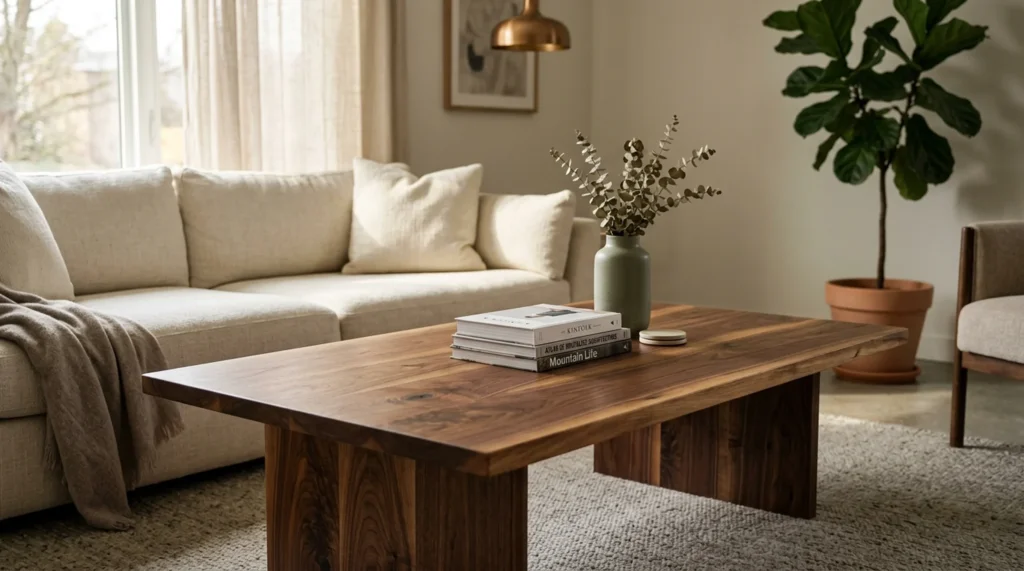
Shop Our Solid Wood Coffee Tables
-

The Sedona Coffee Table
From: $1,200.00 -

The Ironwood Coffee Table
From: $1,250.00 -

The Dakota Live Edge Coffee Table
From: $1,500.00 -

The Prescott Coffee Table
From: $1,400.00 -

The Timberline Coffee Table
From: $1,250.00 -

The Summit Coffee Table
From: $1,250.00 -

The Atlas Coffee Table
From: $1,250.00 -

The Broadway Coffee Table
From: $1,000.00 -

The Bennett Coffee Table
From: $1,100.00 -

The U-Shaped Hardwood Coffee Table
From: $1,000.00


There’s something timeless about a solid wood coffee table. It’s not just a piece of furniture—it’s a centerpiece that ties a room together while adding warmth and character. Whether it’s a rustic charm or a sleek modern design, solid wood tables bring a natural beauty that’s hard to replicate with other materials.
I’ve always admired how these tables effortlessly blend durability and elegance. They’re built to last, often becoming heirloom pieces passed down through generations. Plus, with so many styles and finishes available, there’s a perfect match for every home. Solid wood coffee tables aren’t just functional; they’re a statement of style and quality.
What Are Solid Wood Coffee Tables?
Solid wood coffee tables are furniture pieces crafted entirely from natural wood, offering unmatched durability and strength. Unlike composite or veneer tables, they consist of single or multiple solid wood slabs without synthetic layers. These tables showcase genuine wood grains, providing a unique aesthetic.
Solid wood options include hardwoods and softwoods. Hardwoods like oak, walnut, and maple ensure enhanced longevity, while softwoods like pine offer a lighter, rustic appeal. Each wood type impacts the table’s appearance, density, and resistance to wear.
These coffee tables are versatile, fitting seamlessly in traditional, modern, or eclectic decor. Customization options such as stains, finishes, and carvings help align the table with specific interior designs. With proper care, solid wood coffee tables retain their charm for decades.
Benefits of Solid Wood Coffee Tables
Solid wood coffee tables bring unmatched functionality and design to any living space. Their natural material enhances both practicality and aesthetic value.
Aesthetic Appeal
Solid wood coffee tables exude timeless style that complements various decor themes. Natural grains, such as oak’s pronounced lines or walnut’s rich tones, add depth to the overall look. Handmade details and unique finishes create individuality and make each piece stand out. For example, rustic styles offer a weathered charm, while modern pieces with clean lines suit minimalist interiors. Solid wood elevates sophistication effortlessly, making it a focal point in living rooms.
Durability and Longevity
Solid wood coffee tables last for decades due to their robust construction. Hardwoods, like maple or cherry, resist wear and maintain their structure over time. This reliability ensures they withstand everyday use, from holding beverages to functioning as workspaces. Softwoods, like pine, are less dense but develop a unique character through natural aging. With minimal maintenance, such as applying protective finishes and avoiding excessive moisture, these tables remain in excellent condition for years. Their longevity often transforms them into cherished heirlooms.
Versatility in Design
Solid wood coffee tables accommodate diverse design preferences, making them adaptable to various interior aesthetics. Their natural grains and textures enhance both modern spaces and traditional settings.
Custom sizes and shapes expand their usability in different room layouts. Rectangular tables pair well with sectional sofas, while round tables maximize flow in compact spaces.
Various wood species cater to specific styles. Oak suits rustic or farmhouse decor, walnut adds sophistication to contemporary designs, and cherry exudes warmth in classic interiors.
Finishes and stains further broaden the aesthetic range. Natural finishes highlight the wood’s grain, while dark stains create a refined look. Painted finishes complement vibrant or eclectic themes.
Inlays, carvings, and joinery techniques add unique design details. Parquet patterns, carved legs, and dovetail joints showcase craftsmanship and individuality. These design options ensure every piece feels personalized.
Types of Solid Wood Coffee Tables
Solid wood coffee tables come in a variety of styles, offering options that suit both traditional and modern decor preferences. Each type features unique design elements, enhancing function and visual appeal.
Traditional Styles
Traditional solid wood coffee tables often exhibit ornate craftsmanship and timeless details. These tables typically feature intricate carvings, turned legs, or decorative inlays, making them a focal point in formal living rooms. Popular woods in traditional designs include oak and mahogany, known for their rich tones and durability. Finishes like dark stains or polished veneers enhance their classical appearance. For instance, Queen Anne or farmhouse-style tables provide distinct, elegant choices within this category.
Modern Designs
Modern solid wood coffee tables emphasize minimalism and clean lines, blending seamlessly into contemporary spaces. These designs often prioritize functionality without sacrificing aesthetic appeal. Common elements include straight edges, angular shapes, and untreated or lightly stained wood that highlights natural grains. Walnut and ash are frequently used for their sleek finishes and adaptability to neutral palettes. Innovative features, like hidden storage or modular components, further enhance their versatility in modern living environments. Examples include low-profile, mid-century modern, or Scandinavian-inspired pieces.
Finding the Right Size and Shape
The size and shape of a solid wood coffee table directly impact both functionality and aesthetic balance. Assessing your space and understanding how different shapes interact with your layout ensures a seamless fit.
Measuring Your Space
Accurate measurements are essential for selecting a coffee table that fits the room without overwhelming it. I measure the available floor area, leaving at least 18 inches of clearance on all sides for easy movement. The table’s height aligns with the seat cushions of surrounding furniture, typically 16-18 inches for standard sofas or 20 inches for higher seating.
I also consider proportional length. Ideally, the coffee table is two-thirds the length of the sofa for visual harmony. If there’s additional seating, like accent chairs, I adjust the dimensions to ensure inclusivity without overcrowding the space.
Choosing Between Round and Rectangular
Shape affects both design compatibility and spatial flow. Rectangular tables suit larger rooms, offering ample surface area for decor, books, or trays. They pair well with long sofas or sectionals, anchoring expansive layouts while maintaining symmetry.
Round tables encourage movement in smaller or irregular spaces. I recommend them for compact seating areas or when fewer sharp edges are preferable, particularly for households with children. Their softer silhouette complements modern, casual, or eclectic interiors, enhancing a relaxed atmosphere.
Maintenance Tips for Solid Wood Coffee Tables
Proper maintenance keeps solid wood coffee tables functional and visually appealing for years. Simple practices preserve their durability and natural beauty.
Cleaning and Care
Dust solid wood coffee tables frequently to prevent surface buildup. I use a soft, lint-free cloth to avoid scratches. For deeper cleaning, a damp cloth with mild soap works well, followed by immediate drying with a clean cloth to prevent moisture damage. Avoid abrasive cleaners or sponges, as they can harm the finish.
I occasionally apply wood polish or conditioner, especially on finished surfaces, to maintain shine and hydration. Using products designed for the wood type prevents deterioration. For bare wood, waxing once every three to six months offers extra protection and enhances the appearance.
Preventing Damage
Keep solid wood coffee tables away from direct sunlight, as UV rays fade finishes and discolor the wood. Position the table away from heating vents or fireplaces to prevent warping due to temperature fluctuations. I recommend using coasters and placemats under drinks or hot items to avoid moisture rings or heat marks.
Place protective pads under decorative items to prevent scratches. If spills occur, I clean them immediately to minimize staining. Avoid dragging items across the table surface to maintain its integrity. Lastly, consider using a tablecloth or tempered glass cover for added protection in high-use areas.
Conclusion
Solid wood coffee tables are more than just furniture—they’re a blend of functionality, style, and timeless charm. Their natural beauty, durability, and versatility make them a worthwhile investment for any home. Whether you prefer a rustic, traditional, or modern aesthetic, there’s a design that perfectly complements your space.
By choosing a solid wood coffee table, you’re selecting a piece that can adapt to your evolving decor and stand the test of time. With proper care, these tables not only retain their appeal but often grow more beautiful with age, making them a cherished part of your home for years to come.
Trusted by Industry Leaders
Join the Journal
New writing, delivered occasionally.
Quiet notes on craft, materials, and finished pieces — sent only when there's something worth reading.