
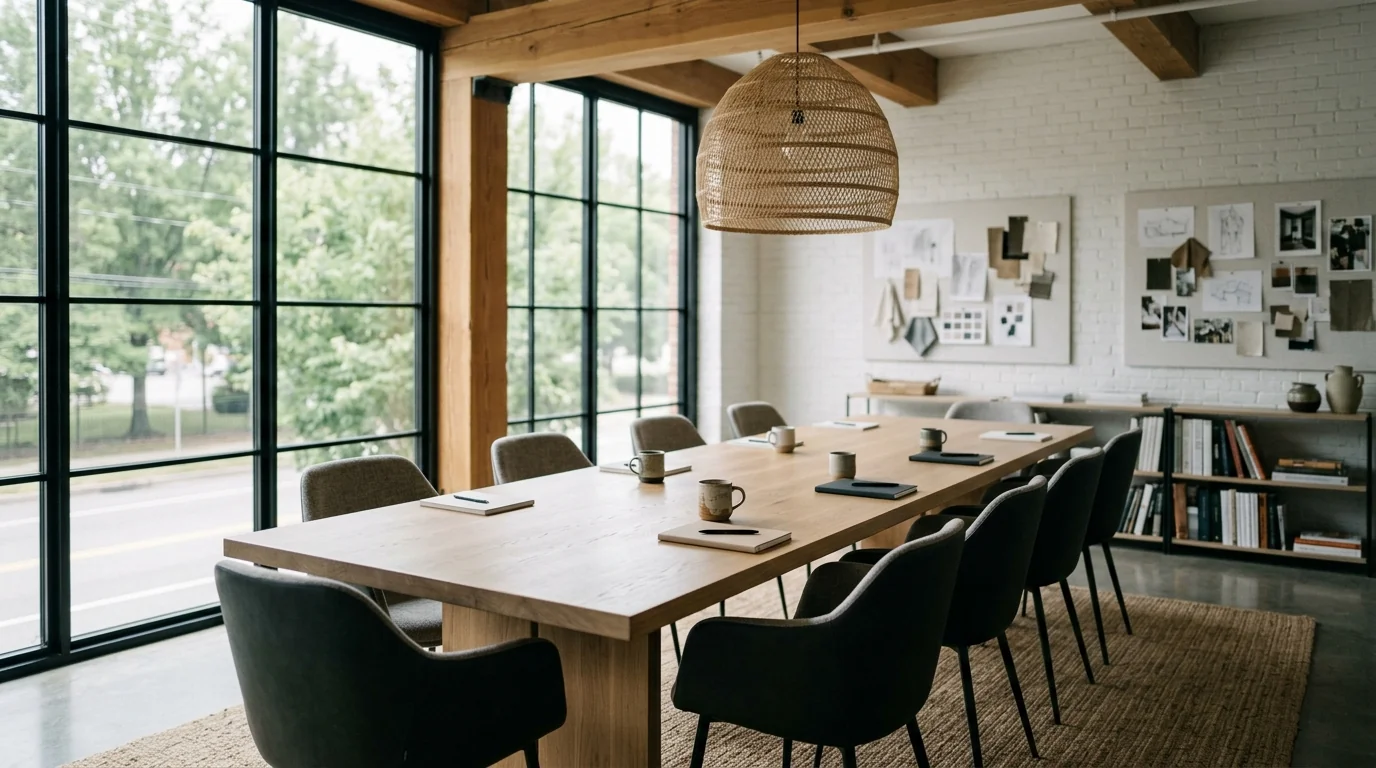
Choosing the right conference table for your design studio can feel overwhelming. With so many options out there, it’s hard to know where to start. This guide will help you figure out what you need, from the shape and size of the table to the materials and features that will make your meetings more productive. Let’s break it down step by step so you can find the perfect fit for your space and style.
Key Takeaways
- Evaluate your studio’s space and meeting needs before choosing a table.
- Select a table shape that promotes the type of discussions you want to have.
- Consider materials that match your studio’s aesthetic and budget.
- Incorporate technology features for a modern meeting experience.
- Focus on comfort and ergonomics to keep everyone engaged during long sessions.
Understanding Your Design Studio Needs
Before you even start looking at tables, let’s figure out what you really need. It’s easy to get caught up in the aesthetics, but a conference table is a workhorse in a design studio. It’s where ideas are born, projects are reviewed, and deals are often sealed. So, let’s make sure it fits the bill.
Assessing Space Requirements
First things first: how much room do you actually have? Measure, measure, measure! Don’t just eyeball it. Consider the overall dimensions of your meeting space. Think about leaving enough space around the table for people to move around comfortably, pull out chairs, and maybe even have some breakout areas nearby. A cramped room kills creativity faster than you can say "brainstorm."
Identifying Meeting Types
What kind of meetings do you hold most often? Are they formal presentations, collaborative design sessions, or casual team check-ins? The type of meeting will heavily influence the ideal table shape and size. For example, if you host a lot of client presentations, a rectangular table might be best. If it’s more about team collaboration, a round or oval table could be a better fit. Think about the usual number of attendees for each type of meeting, too.
Considering Future Growth
It’s tempting to just focus on your current needs, but what about the future? Is your design studio planning to expand? Will you be hiring more people? If so, you might want to consider a table that can be easily expanded or reconfigured. Modular tables are a great option for this. It’s better to plan ahead than to be stuck with a table that’s too small in a year or two.
Think about accessibility, too. Can everyone easily access the table, including those with mobility issues? A little forethought can make a big difference in creating an inclusive and welcoming space.
Choosing the Right Table Shape
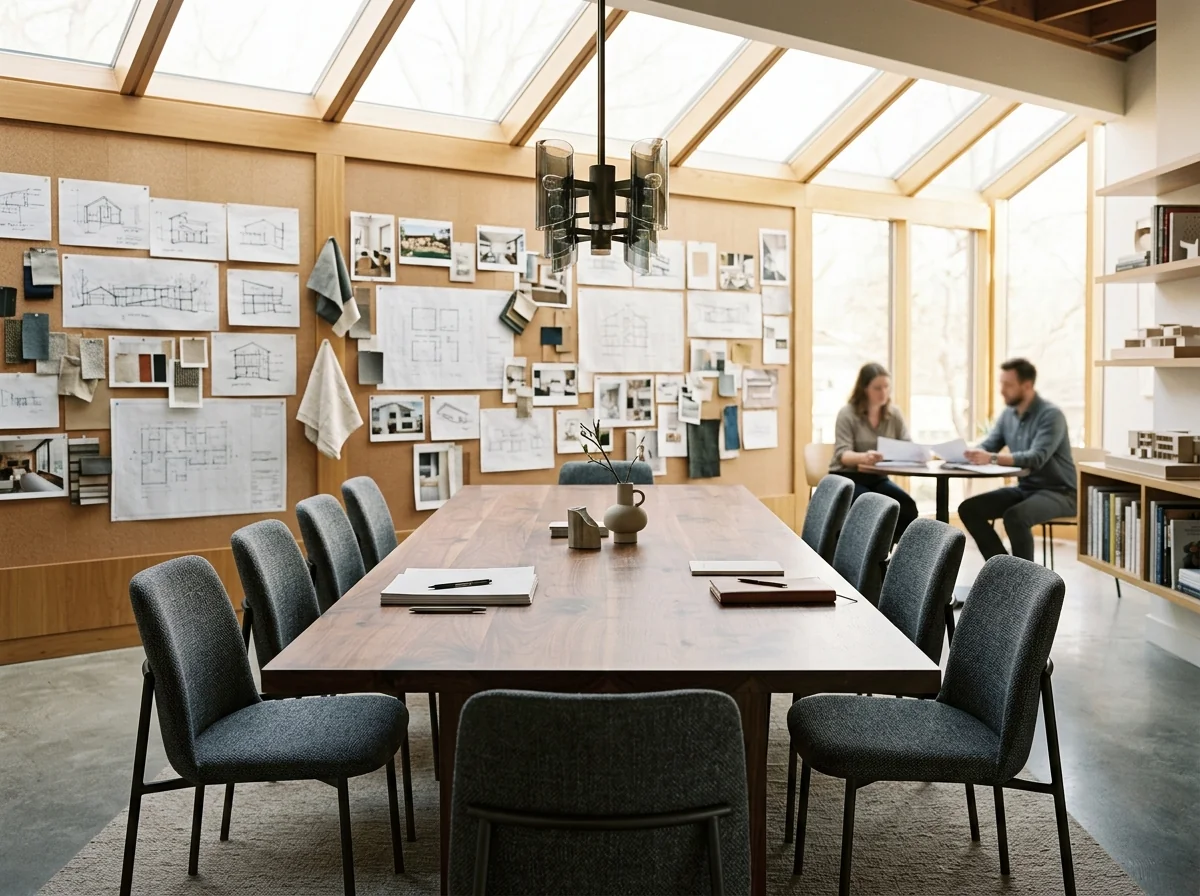
Okay, so you’re thinking about the shape of your conference table. It’s more important than you might think! The shape really sets the tone for how meetings will feel and function in your design studio. Let’s break down some popular options.
Rectangular Tables for Formal Meetings
Rectangular tables are classics, right? They’re great for a more traditional, formal setting. Think board meetings, client presentations, or any situation where you need a clear hierarchy. The length of the table allows people to be seated according to rank or project importance. However, they can sometimes feel a little stiff and less collaborative if that’s not what you’re going for. It’s also worth considering the size of your room; a huge rectangular table can dominate a small space.
Round Tables for Collaborative Discussions
Round tables are all about equality and open communication. Everyone is facing each other, which makes it easier to have a real conversation. These are awesome for brainstorming sessions, team meetings, or any time you want to encourage everyone to share their ideas. The lack of corners promotes a sense of unity. One thing to keep in mind is that round tables might not be the best choice for presentations where everyone needs to face a screen. Also, they can take up a surprising amount of space, so measure carefully!
U-Shaped Tables for Interactive Sessions
U-shaped tables are a cool hybrid. They’re great for interactive workshops, training sessions, or presentations where you want a presenter to be able to easily interact with the audience. The open end of the "U" focuses attention, while the sides allow for some degree of face-to-face interaction. They’re a good compromise if you need some formality but still want to encourage participation. The downside? They can take up a lot of room and might not be ideal for everyday meetings.
Choosing the right table shape really depends on your studio’s culture and the types of meetings you hold most often. Think about how you want people to interact and what kind of atmosphere you want to create. Don’t be afraid to get creative and find something that really fits your needs!
Material Matters: Selecting the Best Conference Table
Choosing the right material for your conference table is a big deal. It’s not just about looks; it’s about how the table will hold up over time, how it fits with your studio’s vibe, and, of course, your budget. Let’s explore some popular options.
Solid Wood for Durability and Aesthetics
Solid wood tables are classics for a reason. They bring a sense of warmth and quality to any space. Plus, they’re super durable – a well-made wood table can last for years, even with heavy use. Think about the type of wood too. A hardwood like oak or maple will be more resistant to scratches and dents than a softwood like pine. The downside? Solid wood tables can be on the pricier side, but many feel the investment is worth it for the longevity and look.
Glass for a Modern Look
If your design studio is all about sleek, modern aesthetics, a glass conference table might be the way to go. Glass tables create a light, airy feel and can make a smaller room seem bigger. They’re also easy to clean, which is a definite plus. However, glass can show fingerprints and smudges easily, so you’ll need to wipe it down regularly. And while tempered glass is pretty strong, it’s still more prone to scratches and chips than solid wood. Also, consider how sound travels on glass surfaces; it might be worth looking into sound-dampening solutions if you go this route.
Laminate for Budget-Friendly Options
For studios on a tighter budget, laminate tables are a solid choice. Laminate is basically a synthetic material bonded to a core, like particleboard. It’s much more affordable than solid wood or glass, and it comes in a huge range of colors and finishes, so you can find something that matches your studio’s style. While laminate isn’t as durable as solid wood, it’s still pretty resistant to scratches and stains, making it a practical option for busy studios. Just be aware that laminate tables might not have the same high-end feel as other materials.
When picking a material, think about your studio’s brand and the kind of impression you want to make on clients. A solid wood table can convey stability and tradition, while a glass table says innovation and modernity. Laminate offers versatility and value, making it a smart choice for startups or studios that prioritize function over form.
Incorporating Technology into Your Conference Table
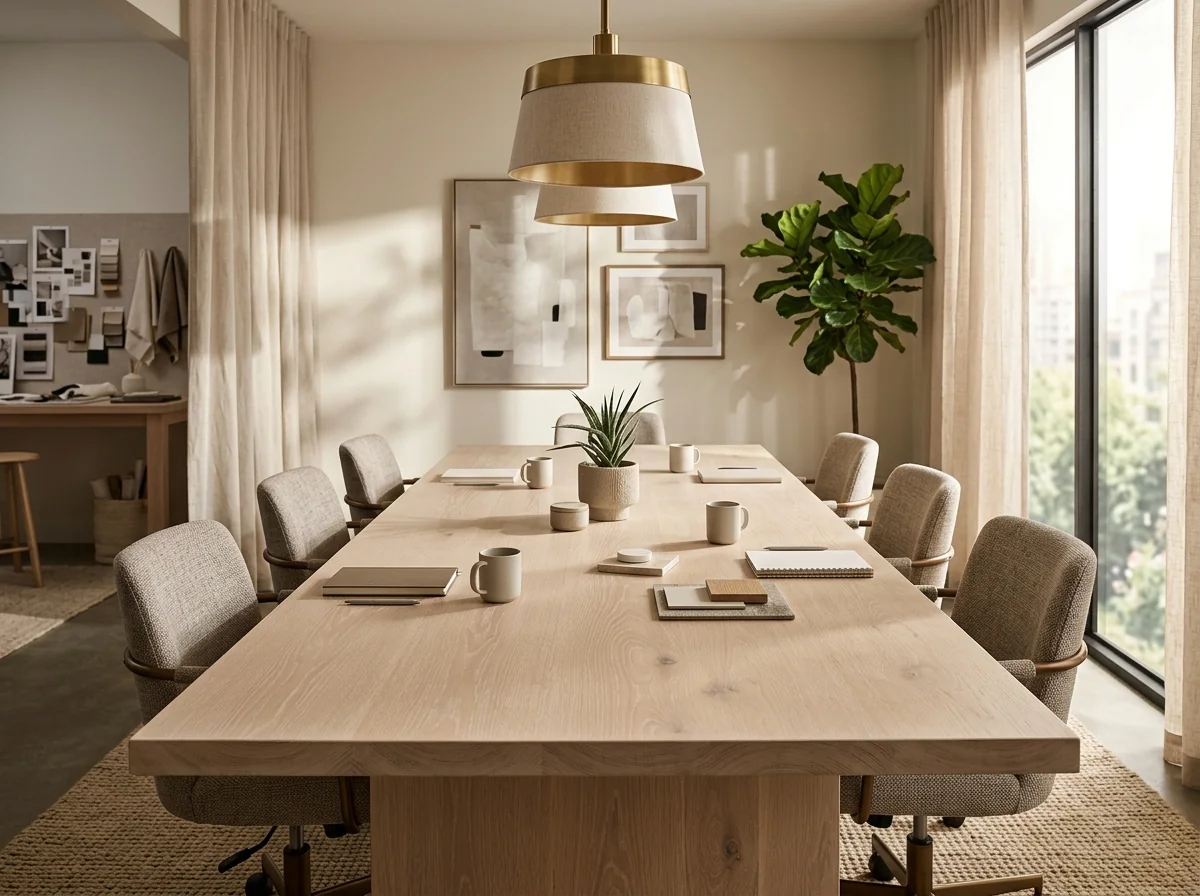
Let’s talk tech! It’s not just about a table anymore; it’s about creating a hub for collaboration and productivity. Think about how technology can make your design studio’s conference room a more efficient and engaging space. It’s all about making things easier and more effective for everyone involved.
Built-in Power Outlets
Okay, let’s be real: nothing is more annoying than hunting for an outlet when your laptop is about to die. Built-in power outlets are a game-changer. They keep things tidy and prevent the dreaded under-the-table scramble. Plus, think about adding USB ports for charging phones and tablets. It’s a small thing that makes a big difference. Consider the placement too – strategically located outlets ensure everyone has easy access, no matter where they’re sitting. This is especially important in a design studio where people are often working on laptops or tablets during meetings. You can find conference tables with integrated power solutions.
Integrated Audio-Visual Equipment
Step up your presentation game! Integrated audio-visual (AV) equipment means no more fumbling with cords or testing connections right before a big meeting. Think about a table with a built-in screen lift, hidden microphones, and speakers. It looks sleek, professional, and it’s super functional.
Here’s a few things to consider:
- Display Size: Make sure the screen is big enough for everyone to see clearly.
- Sound Quality: Invest in good quality microphones and speakers for clear audio.
- Connectivity: Ensure compatibility with various devices and platforms.
Having integrated AV equipment not only streamlines presentations but also reduces clutter and creates a more professional environment. It’s an investment that pays off in terms of efficiency and impact.
Cable Management Solutions
Cables, cables everywhere! But they don’t have to be an eyesore. Good cable management is key to a clean and organized conference room. Think about tables with built-in cable trays, grommets, and even hidden compartments. This keeps the space looking professional and prevents tripping hazards. Plus, it makes it easier to reconfigure the table if you need to change the layout. Nobody wants to see a snake pit of wires under the table. Trust me, your team (and your clients) will thank you. Digital panels are a great addition to any conference room.
Ensuring Comfort and Ergonomics
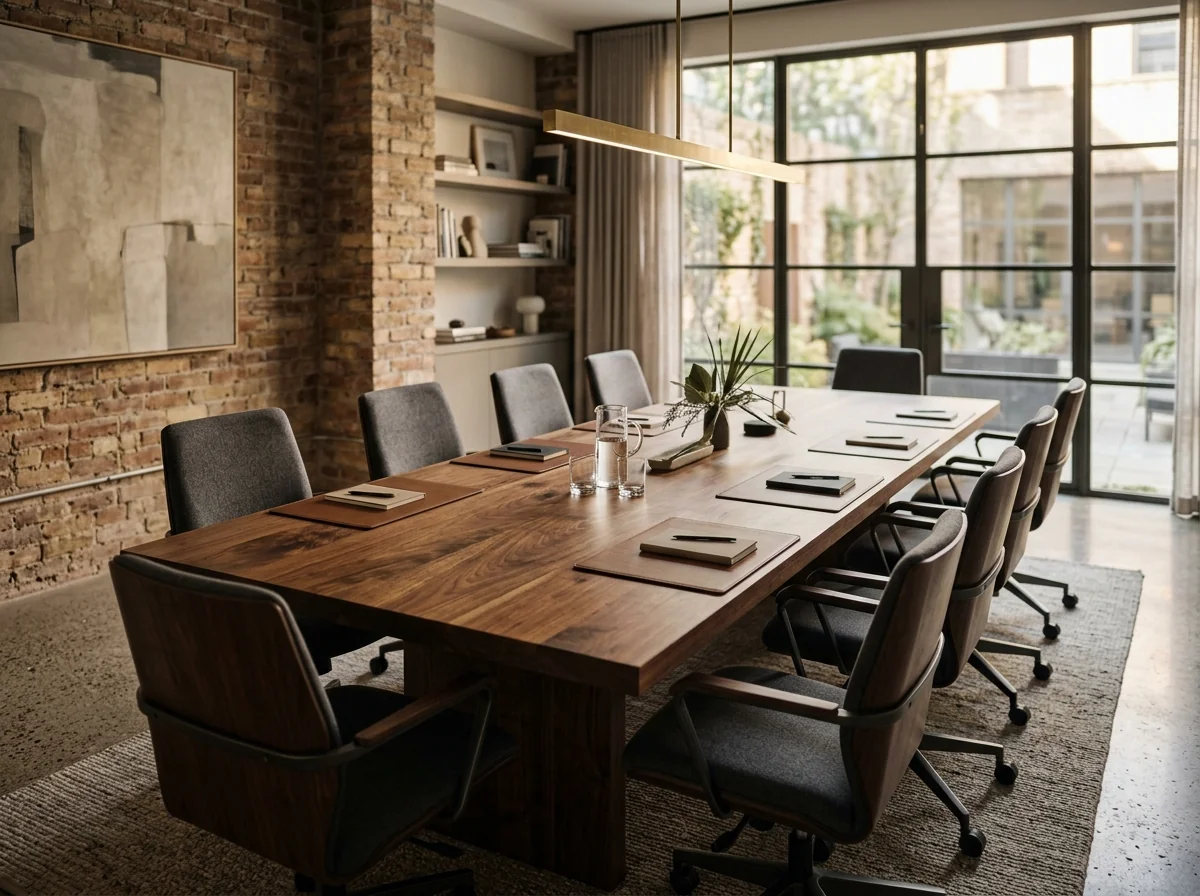
Let’s face it, no one wants to sit through a long meeting in an uncomfortable chair. It’s distracting and can kill productivity. So, when setting up your design studio’s conference area, think about ergonomics and comfort. It’s not just a nice-to-have; it’s a must-have for a productive and happy team.
Choosing the Right Chair Height
Chair height is super important. You want everyone to be able to sit with their feet flat on the floor and their knees at a 90-degree angle. If chairs are too high or too low, people will be fidgeting and uncomfortable. Consider chairs with adjustable height so everyone can find their sweet spot. Think about pairing your large conference tables with the right chairs.
Adjustable Features for All Users
Beyond just height, look for chairs with adjustable lumbar support, armrests, and seat depth. Not everyone is built the same, and adjustable features let people customize their seating to fit their body. This can make a huge difference in preventing back pain and fatigue during long meetings. It’s a small investment that pays off big time in terms of employee well-being.
Creating a Comfortable Atmosphere
Comfort isn’t just about chairs. It’s about the whole environment. Here are a few things to consider:
- Lighting: Make sure the room is well-lit, but avoid harsh fluorescent lights. Natural light is best, but if that’s not possible, opt for softer, adjustable lighting.
- Temperature: Keep the room at a comfortable temperature. Nothing is worse than being too hot or too cold during a meeting.
- Acoustics: Sound can really impact comfort. Consider adding acoustic panels or other sound-dampening materials to reduce echo and noise distractions.
Creating a comfortable and ergonomic conference space shows your team that you care about their well-being. It’s an investment in their productivity and overall job satisfaction. A well-designed space can make meetings more engaging and collaborative, leading to better outcomes for your design studio.
Designing for Collaboration and Creativity
Flexible Layout Options
Let’s face it, design studios aren’t known for being rigid and stuffy. Your conference table shouldn’t be either! Think about tables that can be easily reconfigured. Modularity is your friend here. Tables that can be split into smaller sections or rearranged to form different shapes offer amazing flexibility. This is super useful for accommodating different team sizes and project needs.
- Individual tables that can be grouped together
- Folding tables for easy storage
- Tables with casters for quick rearrangement
Incorporating Breakout Spaces
Sometimes, the best ideas come when you step away from the main table. Consider incorporating breakout spaces near your conference area. These can be smaller, more informal areas where team members can gather for quick chats or focused work. Think comfy chairs, whiteboards, and maybe even a standing desk. These spaces encourage spontaneous collaboration and can help prevent meeting fatigue. A well-placed board room table can also serve as a secondary breakout area.
Having dedicated breakout zones can significantly boost creativity. It allows for a change of scenery and encourages different types of interaction, leading to fresh perspectives and innovative solutions.
Enhancing Natural Light
Natural light is a game-changer for any workspace, and your conference area is no exception. Maximize natural light by positioning your table near windows. If possible, avoid heavy window coverings that block light. If natural light is limited, invest in good-quality artificial lighting that mimics natural daylight. Good lighting can improve mood, reduce eye strain, and create a more inviting atmosphere for collaboration. Think about using light dimmers to adjust the brightness based on the time of day and the type of activity.
- Large windows or skylights
- Light-colored walls to reflect light
- Strategic placement of lamps and overhead lighting
Budgeting for Your Conference Table
Let’s talk money! Figuring out how much to spend on a conference table can feel overwhelming, but it doesn’t have to be. It’s all about understanding what you really need and where you can save without sacrificing too much. Think of it as an investment in your design studio’s future – a place where ideas are born and deals are sealed. Let’s break down the key things to consider so you can make a smart choice.
Understanding Cost vs. Value
Okay, so what’s the difference between cost and value? Cost is simply the price tag. Value, on the other hand, is what you get for that price. A super cheap table might seem appealing upfront, but if it falls apart in a year, it’s not a good value. Consider things like durability, materials, and how well the table fits your studio’s aesthetic. A live edge black walnut coffee table might be more expensive initially, but its longevity and style could make it a worthwhile investment. Think long-term!
Exploring Financing Options
Don’t have the cash upfront? No problem! There are several ways to finance your conference table purchase. Here are a few ideas:
- Leasing: This is like renting the table. You make monthly payments, and at the end of the lease, you can either return the table or buy it.
- Business Loans: Banks and credit unions offer loans specifically for business expenses. Shop around for the best interest rates.
- Credit Cards: If you have a business credit card with a low interest rate, you could use it to finance the purchase. Just be sure to pay it off quickly to avoid racking up interest charges.
Remember to factor in interest rates and fees when comparing financing options. Sometimes, saving up and paying cash is the most cost-effective route in the long run.
Prioritizing Essential Features
Before you start shopping, make a list of the features that are absolutely necessary. Do you need built-in power outlets? Is cable management a must-have? Or is a specific table shape more important? Focus on these essentials first, and then see if you have room in your budget for extras. Here’s a simple way to think about it:
- Must-Haves: These are non-negotiable features that directly impact your studio’s productivity and functionality.
- Nice-to-Haves: These are features that would be great to have, but you can live without them if necessary.
- Dream Features: These are the bells and whistles that would be amazing, but they’re not essential and can be added later if your budget allows.
When planning your budget for a conference table, it’s important to think about what you need. Consider the size, style, and materials that will work best for your space. Don’t forget to include delivery and setup costs in your budget. For more tips and to explore our selection of handcrafted conference tables, visit our website today!
Wrapping It Up
Choosing the right conference table for your design studio doesn’t have to be a headache. Just remember to think about your space, the number of people you’ll host, and the vibe you want to create. A good table can really set the tone for collaboration and creativity. If you’re looking for something that’s not just functional but also stylish, check out Fargo Woodworks. They make beautiful, handcrafted tables that can fit any studio aesthetic. So, take your time, measure your space, and pick a table that feels right for you. Happy table hunting!
Frequently Asked Questions
What should I consider when choosing a conference table for my design studio?
Think about how much space you have, the types of meetings you’ll hold, and if you’ll need to grow in the future.
What shape of conference table is best for collaboration?
Round tables are great for teamwork because everyone can see each other easily. Rectangular tables work well for formal meetings.
What materials are best for conference tables?
Solid wood tables are strong and look nice. Glass tables give a modern feel, while laminate tables are more affordable.
How can I include technology in my conference table?
Look for tables with built-in power outlets and space for wires. Some tables even have tech for presentations.
Why is comfort important in a conference room?
Comfortable chairs and tables help everyone focus better during long meetings. Make sure they fit different people’s needs.
How can I stay within my budget when buying a conference table?
Understand what features are most important to you and look for financing options if needed. Remember, quality can save money in the long run.
Trusted by Industry Leaders