
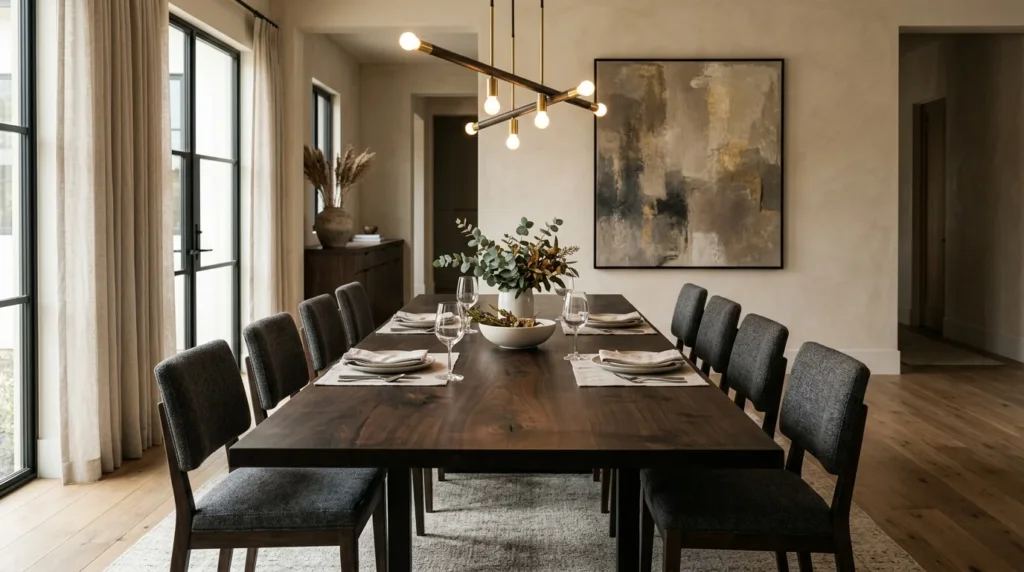
Choosing the right dining room table timber is more important than ever as we approach 2026. Design trends, along with heightened sustainability concerns, are shaping how homeowners select materials for their living spaces.
The type of timber you choose not only defines the look and feel of your dining room, but it also affects the table’s durability and environmental impact. With more families seeking furniture that lasts and supports eco-friendly values, making an informed choice is essential.
A well-selected timber ensures your dining table remains stylish, functional, and valuable for years to come. It is an investment in both your home’s aesthetic and its future.
In this comprehensive guide, you will discover everything you need to know about dining room table timber. From understanding timber types and quality indicators to care tips and future trends, this is your essential resource for 2026.
Understanding Timber: What Sets It Apart for Dining Tables?
Selecting the right dining room table timber is foundational for both style and function in modern interiors. Timber offers a unique blend of beauty, strength, and character that synthetic materials cannot replicate. Understanding what makes timber distinct helps you appreciate its role in crafting elegant, durable dining tables.
The Basics of Timber in Furniture Making
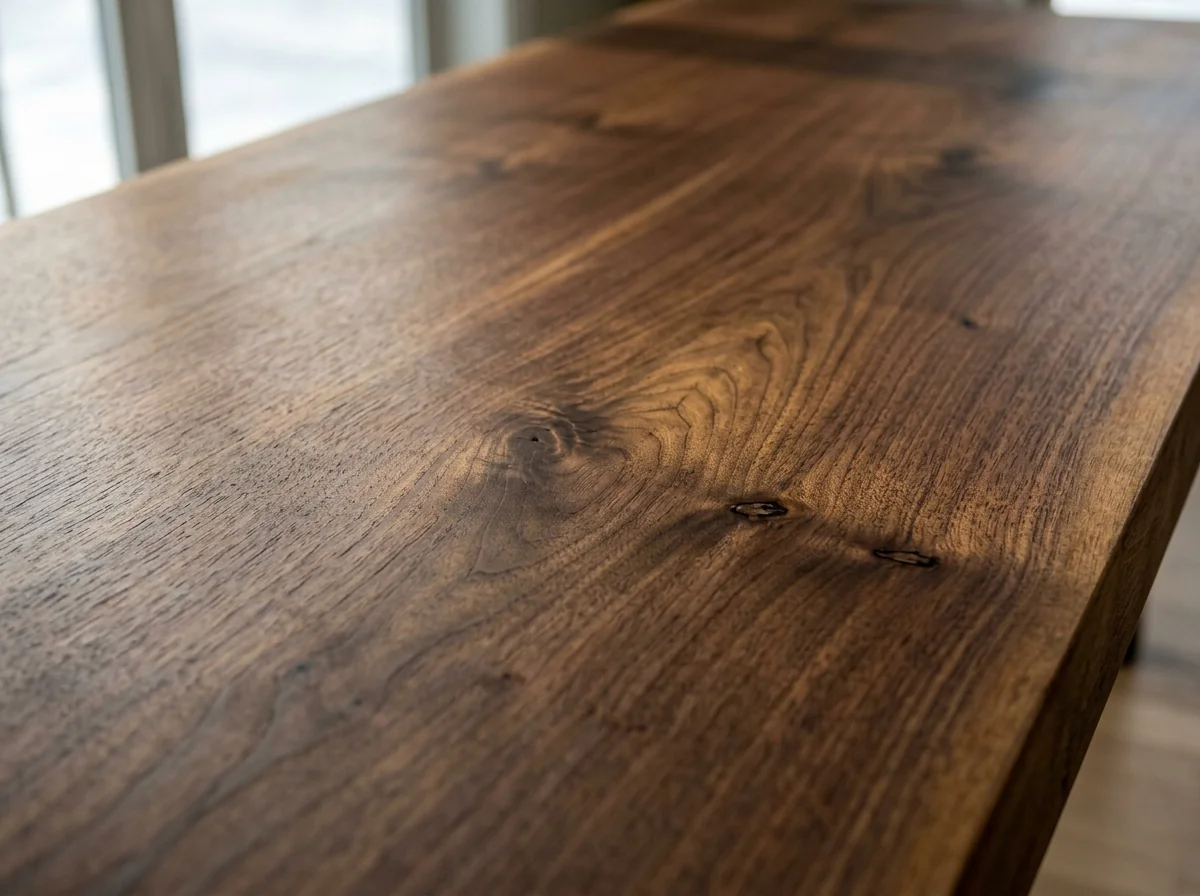
Timber refers to processed wood ready for use in furniture, prized for its natural warmth and structural integrity. In the world of dining room table timber, hardwoods and softwoods are the two main categories.
Hardwoods, like oak and walnut, come from deciduous trees and are known for their density and durability. Softwoods, such as pine and spruce, come from conifers and are generally lighter and easier to work with. Key attributes to consider include grain pattern, density, and overall durability, all of which affect the look and lifespan of a table.
Timber is typically either kiln-dried, which removes moisture quickly and stabilizes the wood, or air-dried, which is slower but gentler on the material. This drying process ensures that dining room table timber resists warping and splitting over time, making it a top choice for quality furniture.
Hardwoods vs. Softwoods: Pros and Cons
When choosing dining room table timber, it's important to compare hardwoods and softwoods side by side.
| Attribute | Hardwoods (Oak, Walnut, Maple, Cherry) | Softwoods (Pine, Fir, Spruce) |
|---|---|---|
| Strength | High | Moderate to Low |
| Weight | Heavier | Lighter |
| Longevity | Excellent | Good, but less than hardwoods |
| Suitability | Ideal for daily use | Best for casual or rustic |
| Cost | Higher | More affordable |
Hardwoods provide superior scratch and impact resistance, making them ideal for busy households. Softwoods, although more budget-friendly, may show wear sooner and are often chosen for their rustic charm. The right dining room table timber depends on your needs for strength, style, and long-term value.
Sustainability and Timber Sourcing in 2026
Sustainability is now a top priority when picking dining room table timber. Look for wood that is certified by organizations such as the FSC, which ensures responsible forestry practices and ethical sourcing. Many manufacturers are moving toward eco-friendly finishes and treatments that reduce environmental impact.
Reclaimed and recycled wood is also gaining popularity, offering a unique aesthetic while minimizing waste. Transparent supply chains and traceability are increasingly demanded by consumers. For more on responsible sourcing, see how FSC certification ensures responsible timber sourcing. The market for sustainable timber furniture is expanding rapidly, reflecting a shift toward greener living.
Timber Grades and Quality Indicators
Not all dining room table timber is created equal. Timber grading systems help classify wood based on visual and structural qualities. Premium grades have minimal knots, consistent color, and attractive grain patterns, contributing to both appearance and performance.
When inspecting timber, look for:
- Even color and grain
- Limited knots or blemishes
- Straightness and stability
Higher-grade timber commands a higher price, but the investment pays off in durability and aesthetic appeal. Identifying quality dining room table timber ensures your table will stand the test of time.
Common Timber Treatments and Finishes
The finish applied to dining room table timber has a big impact on both appearance and protection. Popular treatments include oils, waxes, lacquers, and stains.
Oils and waxes enhance natural grain and offer a subtle sheen, while lacquers provide a harder, more protective layer. Stains allow for a range of color options to suit any décor. In 2026, matte and natural finishes are trending, highlighting the authentic beauty of timber while protecting it from daily wear.
Top Timber Types for Dining Room Tables in 2026
Selecting the right dining room table timber is essential for achieving the perfect blend of style, durability, and sustainability in 2026. Each timber species offers a unique aesthetic and performance profile, making it important to understand their differences before investing in a new table. Below, we explore the most popular and emerging choices shaping dining spaces this year.
Oak: The Timeless Classic
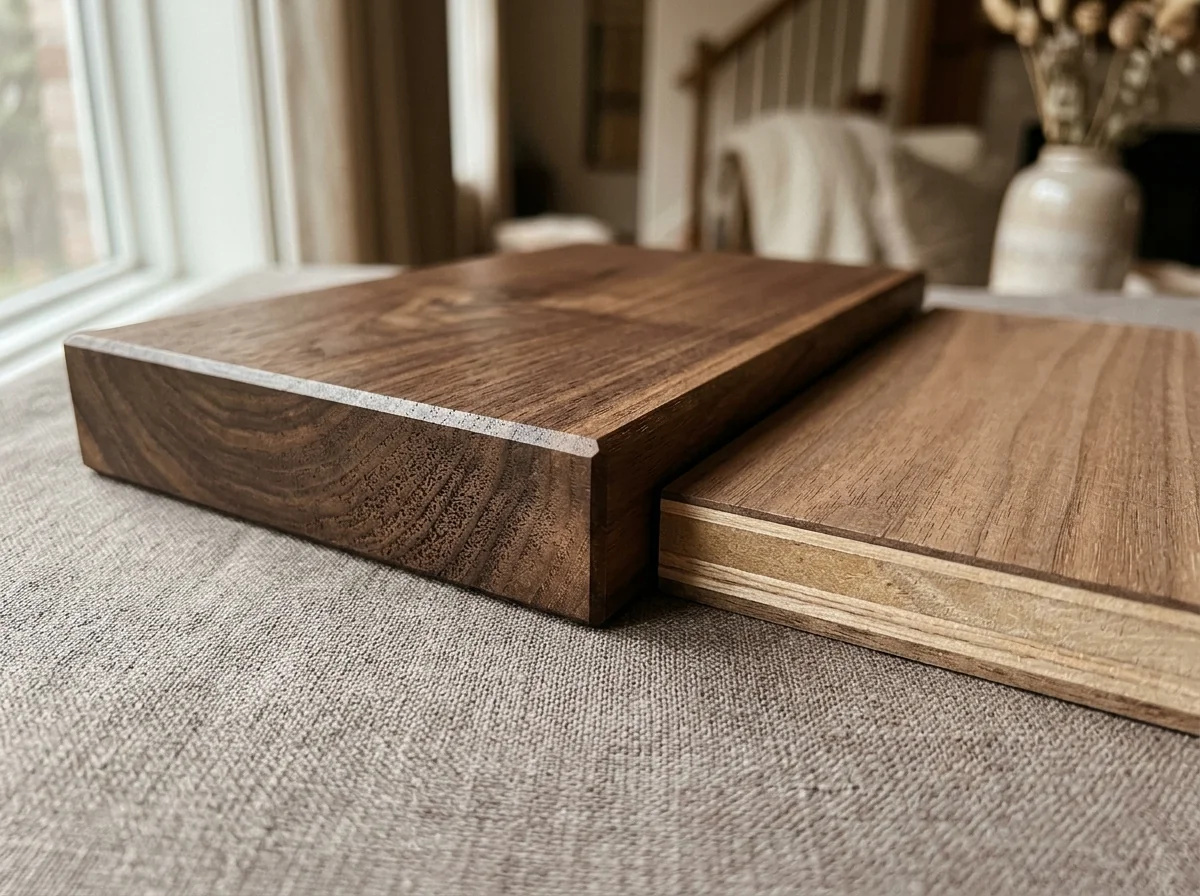
Oak continues to be a leading choice for dining room table timber, prized for its exceptional strength and distinctive grain. Its natural light to medium brown tones complement both traditional and modern interiors, making oak highly versatile.
This timber is renowned for its durability, easily withstanding daily use in busy households. Oak tables resist dents and scratches, ensuring longevity even in high-traffic spaces. Maintenance is straightforward, with regular cleaning and occasional oiling to preserve the finish.
Designers appreciate oak for its ability to adapt to various styles, from farmhouse to minimalist. In the United States, oak’s popularity remains strong, consistently topping the list of best woods for furniture due to its reliability and classic appeal. For more information on timber selection, visit the Top 10 Best Wood for Furniture guide.
Walnut: Luxurious and Modern
Walnut has seen a surge in demand as a premium dining room table timber. Its deep, chocolate-brown hues and silky, straight grain provide an unmistakable sense of luxury. Walnut’s rich color palette allows it to stand out as a statement piece in both contemporary and traditional settings.
One of walnut’s greatest advantages is its natural resistance to warping and scratching, which makes it ideal for custom furniture projects. Its inherent stability ensures that tables retain their shape and beauty over time. Minimal maintenance is required beyond gentle dusting and periodic polishing.
Walnut’s versatility extends to a range of design options, from sleek, mid-century modern tables to ornate, heirloom-quality pieces. As a result, walnut is increasingly selected by homeowners seeking a sophisticated focal point for their dining space.
Maple: Light, Durable, and Versatile
Maple stands out among dining room table timber choices for its pale, creamy tones and subtle, uniform grain. This timber is especially popular in Scandinavian-inspired and contemporary interiors, where lighter wood tones are favored for creating a sense of openness and airiness.
Maple’s density and hardness make it exceptionally resistant to wear, dents, and scratches. These qualities are particularly valuable in homes with children or frequent entertaining. Maple’s smooth surface accepts stains and finishes well, allowing for custom coloration and sheen.
Routine care is simple, involving regular wiping and occasional application of protective finishes. Maple’s adaptability and resilience make it a top pick for those seeking both style and practicality in their dining furniture.
Cherry: Warmth and Elegance
Cherry is celebrated as a premium dining room table timber, known for its rich, reddish-brown hues that develop a deeper patina with age. The wood’s fine, satiny texture and subtle grain create an inviting, elegant atmosphere in any dining room.
One of cherry’s unique features is its ability to mature beautifully over time. Exposure to light gradually darkens the wood, enhancing its natural warmth and depth. This quality makes cherry tables highly sought after for heirloom furniture, where character and history are prized.
Cherry is relatively easy to maintain, requiring only occasional dusting and gentle polishing. Its timeless appeal and graceful aging process ensure that cherry tables remain treasured centerpieces for generations.
Exotic and Emerging Timbers for 2026
Homeowners are increasingly exploring alternative dining room table timber options, such as acacia, mango, teak, and bamboo. These timbers offer distinctive aesthetics, from acacia’s dramatic grain patterns to bamboo’s eco-friendly reputation.
Sustainability is a key factor driving the popularity of these timbers. Many are harvested from fast-growing species or reclaimed sources, reducing environmental impact. Regional trends also influence choices, with mango and teak gaining traction in global markets for their durability and visual appeal.
Here’s a quick comparison of emerging timbers:
| Timber | Appearance | Sustainability | Durability |
|---|---|---|---|
| Acacia | Varied, bold grain | High | High |
| Mango | Warm, golden hues | High | Moderate |
| Teak | Rich, oily finish | Moderate | Very High |
| Bamboo | Light, uniform | Very High | Moderate |
With growing consumer interest in unique and eco-conscious materials, these timbers are expected to become even more prominent in 2026 dining spaces.
Key Factors to Consider When Choosing Dining Table Timber
Selecting the right dining room table timber involves more than just picking a favorite wood. It is a decision that shapes the table’s durability, style, sustainability, and long-term value. By evaluating the factors below, you can make an informed choice that enhances your dining space for years to come.
Durability and Daily Use
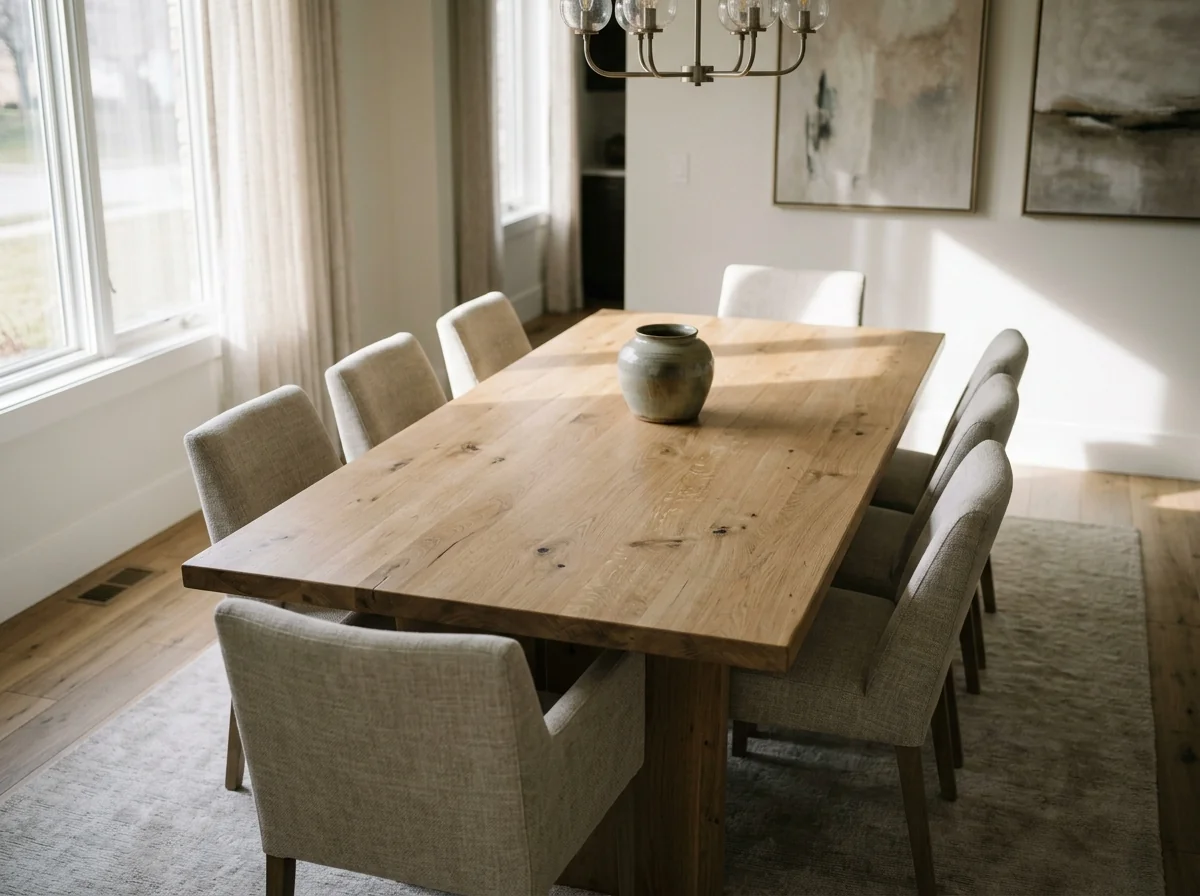
Durability is a top priority when choosing dining room table timber, especially for busy households. The Janka hardness scale measures a timber’s resistance to dents and wear, making it a key reference point. For example, oak and maple score high, offering impressive impact resistance and scratch resilience, perfect for families with children or frequent entertainers.
Softwoods like pine are lighter and more affordable but may show marks sooner. Hardwoods generally last longer and resist daily wear better. When comparing dining room table timber types, consider which will maintain its appearance under frequent use. Oak, for instance, outperforms pine in high-traffic homes, ensuring your investment stands the test of time.
Style and Aesthetic Compatibility
Dining room table timber greatly influences the visual character of your space. Each timber species has a unique grain pattern and color—from the deep richness of walnut to the pale, clean look of maple. These features should complement your existing décor, such as flooring, cabinetry, and wall colors.
Consider how the timber’s tone and texture fit with your preferred design style. In 2026, minimalist, rustic, and industrial tables are in high demand. Pairing a walnut table with matte black accents creates a modern vibe, while an oak table with visible grain suits rustic interiors. Choosing the right dining room table timber ensures a harmonious and stylish dining area.
Size, Shape, and Timber Selection
The species of timber you select can impact the size and shape options for your dining table. Hardwoods like oak and walnut are stable enough for large, single-slab tabletops, while some softwoods may be better suited to smaller or extendable designs. The stability of dining room table timber is crucial for maintaining flatness and structural integrity over time.
Popular shapes include round, rectangular, and custom live edge tables. Live edge options, in particular, showcase the natural beauty of the timber and are trending for their organic look. For more on this unique style, see the Live Edge Dining Room Table Guide. Whether you choose a classic rectangular or a statement live edge table, the right timber makes all the difference.
Maintenance Requirements
Maintenance is another essential consideration for dining room table timber. Some species, like oak, require minimal upkeep, while others may need regular oiling or refinishing to stay looking their best. Cleaning routines depend on the finish—lacquered surfaces are generally easier to wipe down, whereas oiled timbers benefit from periodic reapplication.
Pay attention to each timber’s resistance to stains, heat, and moisture. For example, maple resists everyday spills, while cherry can develop a rich patina with time and careful care. Simple habits like using coasters and placemats help extend the life of your dining room table timber, preserving its beauty for years.
Environmental Impact and Certifications
Sustainability is a growing priority for many homeowners in 2026. When selecting dining room table timber, look for eco-labels such as FSC and PEFC, which certify responsible forestry practices. Choosing locally sourced timber reduces transportation emissions and supports regional economies.
Timber species vary in their carbon footprint, with reclaimed and recycled woods offering the lowest impact. Consumer demand is shifting toward transparent sourcing and environmentally friendly finishes. By prioritizing certified and sustainable dining room table timber, you contribute to a greener future while enjoying a beautiful, lasting piece of furniture.
Budget and Value Over Time
Finally, weigh your budget against the long-term value of your chosen dining room table timber. While premium hardwoods like walnut and cherry command higher prices, they often offer superior durability and resale potential. Softwoods can be more affordable upfront but may require replacement or repairs sooner.
Here is a quick price comparison:
| Timber Type | Approximate Price (2026) | Durability | Resale Value |
|---|---|---|---|
| Oak | $$$ | High | High |
| Walnut | $$$$ | High | Very High |
| Maple | $$ | High | Moderate |
| Pine | $ | Moderate | Low |
Investing in quality dining room table timber means your table will retain its function and appeal, making it a wise choice for your home and your wallet.
The Process: How to Select the Perfect Dining Table Timber in 2026
Selecting the ideal dining room table timber is a thoughtful process that starts with understanding your household's unique needs and ends with a confident purchase. In 2026, buyers have more options and information than ever, making a strategic approach essential. This step-by-step guide will help you navigate each stage and ensure your new table is a beautiful, lasting investment.
Step 1: Define Your Needs and Space
Start by assessing your family's size, daily routines, and entertaining habits. If you host large gatherings or need flexibility, consider extendable tables or those with removable leaves. Measure your dining area to determine the maximum table dimensions, allowing enough space for chairs and comfortable movement.
Think about how your dining room table timber choice will adapt as your family evolves. Prioritizing function now ensures your table remains practical and stylish for years to come.
Step 2: Research Timber Types and Sources
Investigate the characteristics of different timbers, such as oak, walnut, and maple, to find the best fit for your lifestyle. Compare durability, color, and grain patterns, and review sustainability credentials like FSC or PEFC certification.
Explore local showrooms and reputable online retailers. Ask about sourcing transparency and ethical practices. This research phase is vital for narrowing down dining room table timber options that align with your values and design goals.
Step 3: Evaluate Construction Quality
Examine the craftsmanship of candidate tables, focusing on joinery techniques like mortise and tenon or dovetail, which contribute to long-term stability. Assess the thickness of the tabletop and inspect for signs of warping, splitting, or inconsistent finishes.
A well-constructed dining room table timber piece should feel solid and balanced. Look for smooth surfaces, tight joints, and finishes that enhance the wood's natural beauty while providing protection.
Step 4: Consult with Furniture Experts or Craftsmen
Engaging with experienced professionals offers valuable insights. Furniture makers can recommend the most suitable dining room table timber based on your requirements and suggest customizations for unique spaces.
Discuss your expectations clearly, including preferences for size, style, and finish. Expert advice can help you avoid common pitfalls and ensure your table meets both aesthetic and functional standards.
Step 5: Review Samples and Finishes
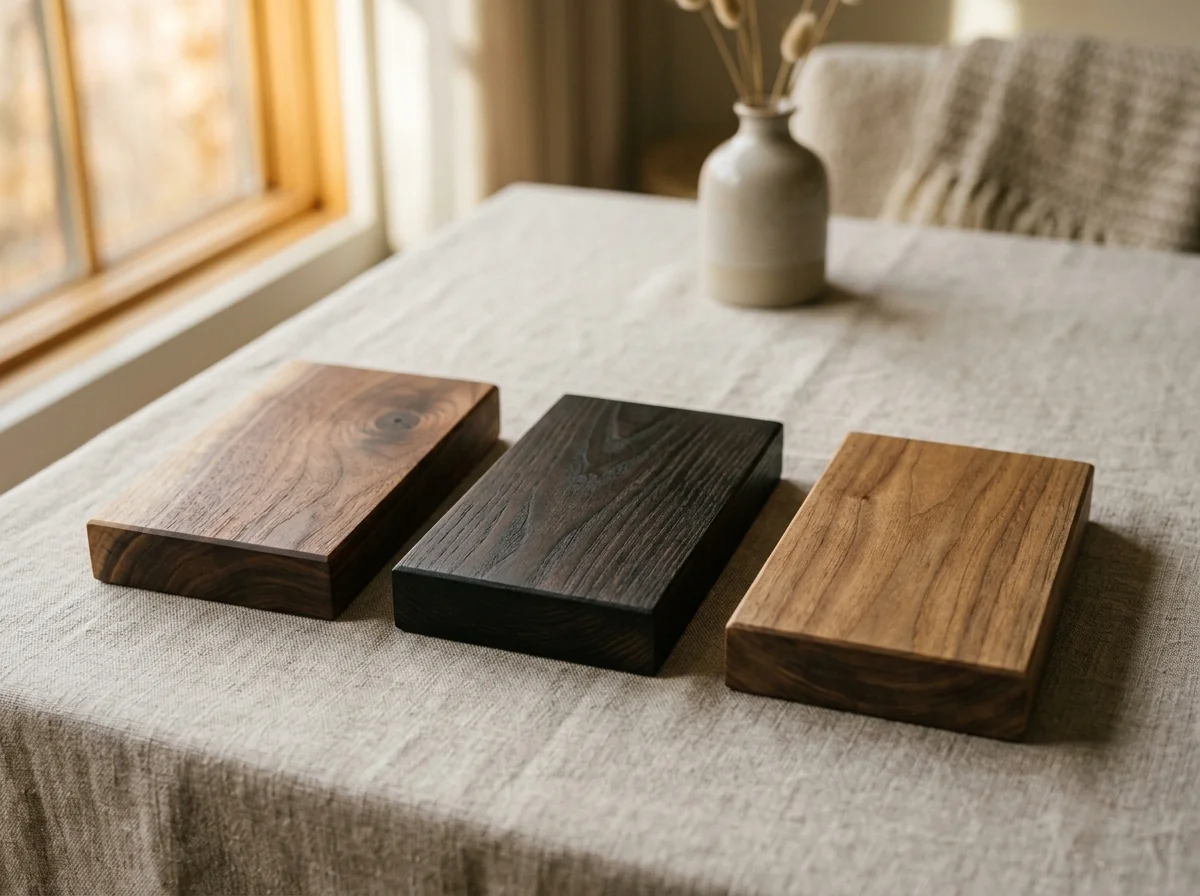
Request timber samples and finish swatches to see how different woods and treatments interact with your home's lighting and décor. Test for color accuracy, texture, and compatibility with flooring or cabinetry.
This hands-on approach helps you visualize the final product and confirm your dining room table timber selection. Many retailers also display their collections online, such as the Solid Wood Dining Tables Collection, which showcases a variety of styles and finishes.
Step 6: Make an Informed Purchase
Before finalizing your order, review all specifications, warranty terms, and aftercare services. Confirm delivery timelines, assembly options, and what is included in the purchase.
Use a simple checklist:
- Table dimensions and seating capacity
- Timber species and finish
- Custom features or modifications
- Warranty coverage
- Delivery and installation details
A careful approach ensures your dining room table timber investment delivers lasting value and satisfaction.
Fargo Woodworks: Handcrafted Timber Dining Tables
Fargo Woodworks specializes in custom dining tables crafted from locally sourced, high-quality timber. Their offerings include oak, walnut, maple, cherry, and live edge designs, all tailored to your specifications.
Each table is made to order by skilled artisans in Fargo, ND, with options for size, finish, and edge profile. Using FSC-certified wood and eco-friendly finishes, Fargo Woodworks prioritizes sustainability and durability. With over 3,000 tables handcrafted since 2020, their expertise ensures every dining room table timber piece is unique and built to last. Comprehensive design consultations and nationwide shipping make them a trusted choice for both residential and commercial clients.
Caring for Your Timber Dining Table: Maintenance and Longevity
Preserving the beauty and durability of your dining room table timber requires thoughtful care. By following a structured maintenance routine, you can extend its lifespan, keep it looking pristine, and protect your investment for years to come.
Daily and Weekly Care Tips
Routine cleaning is essential for maintaining dining room table timber. Always use a soft, damp cloth to wipe the surface, then dry immediately to prevent moisture damage. Avoid harsh chemicals, opting instead for mild soap if needed. For tables with oiled or waxed finishes, a microfiber cloth helps remove dust and debris without scratching.
Prevent stains by using coasters and placemats, especially during meals. Avoid placing hot pots or pans directly on the wood. Regular dusting protects the finish and brings out the natural grain. For comprehensive care advice, consult Caring for Handmade Furniture for expert tips tailored to timber furniture.
Seasonal and Annual Maintenance
Dining room table timber responds to changes in humidity and temperature, which can cause expansion or contraction. Each season, check your table for signs of dryness or warping. Use a humidifier in winter to maintain stable moisture levels and prevent cracking.
Annual maintenance may include re-oiling or refinishing, depending on the timber type and finish. This process restores luster and strengthens surface protection. Inspect joints and hardware for stability, tightening as needed. By following these routines, your dining room table timber remains resilient and visually appealing.
Dealing with Common Issues
Even with regular care, dining room table timber can develop scratches, dents, or watermarks. Address minor scratches by rubbing with a walnut or applying a suitable touch-up marker. For dents, place a damp cloth over the area and apply gentle heat with an iron to lift the wood fibers.
Watermarks should be treated promptly using a soft cloth and a mixture of baking soda and water. Deep damage may require professional restoration. Prevent further issues by using pads under heavy objects and cleaning spills immediately to protect the timber's surface.
Enhancing Longevity and Value
Protecting your dining room table timber goes beyond cleaning. Use felt pads under decorative items and centerpieces to prevent surface scratches. Tablecloths and runners add an extra layer of defense against spills and heat.
When not in use, consider covering your table with a breathable fabric to shield it from dust and sunlight. Store leaves and extensions flat to prevent warping. These simple steps help preserve the timber's color, sheen, and structural integrity, ensuring your table remains a cherished centerpiece for generations.
Eco-Friendly Cleaning and Restoration
Choose green cleaning solutions and natural polishes to maintain your dining room table timber without introducing harmful chemicals. Look for products with plant-based ingredients and minimal fragrances. When refinishing, select water-based or low-VOC finishes for a healthier home environment.
Sustainable restoration practices, such as repairing rather than replacing, reduce waste and support responsible timber use. By prioritizing eco-friendly methods, you contribute to the longevity of your furniture and the well-being of the planet.
Future Trends in Dining Room Table Timber for 2026 and Beyond
The future of dining room table timber is being shaped by rapid innovations in materials, evolving design preferences, and a growing emphasis on sustainability. As we look ahead to 2026 and beyond, homeowners and industry professionals are seeking new ways to blend durability, style, and environmental responsibility in their dining spaces.
Innovations in Timber Technology
Emerging technologies are transforming the way dining room table timber is processed and utilized. Engineered wood products, such as cross-laminated timber and advanced plywoods, are gaining traction for their strength, stability, and efficient use of resources.
Manufacturers are adopting smart finishes that offer antimicrobial properties and self-healing surfaces, making dining table maintenance easier and more hygienic. Integrated technologies, like wireless charging and embedded lighting, are finding their way into modern dining room table timber designs, merging function with form.
These advancements not only extend the lifespan of dining room table timber but also align with the demand for sustainable, high-performance furniture.
Design Trends and Consumer Preferences
Design preferences for dining room table timber are evolving, with a notable rise in mixed-material tables that combine timber with metal or glass. Live edge and organic-shaped tables are popular, offering a natural, artisanal look that stands out in contemporary interiors.
Customization is highly sought after, with buyers requesting unique sizes, finishes, and edge profiles to match their personal style. According to global solid wood furniture market growth statistics, demand for premium, handcrafted dining room table timber products is expected to increase significantly by 2026.
Homeowners are also prioritizing tables that can adapt to different décor trends, ensuring their investment remains relevant for years to come.
Sustainability and Global Timber Markets
Sustainability is a driving force in the future of dining room table timber. Consumers are prioritizing eco-friendly materials and transparent sourcing practices. The use of reclaimed and upcycled wood is surging, reflecting a broader shift toward circular design. In fact, the reclaimed lumber market is projected to reach $68.2 billion by 2030, signaling strong momentum behind sustainable dining room table timber solutions.
Global timber markets are also adapting to changes in forestry regulations and climate impacts, leading to increased use of certified and locally sourced timber. As these trends accelerate, dining room table timber will continue to reflect both environmental values and market innovation.
As you consider your options for a dining room table that truly reflects your taste and stands the test of time, it’s clear there’s a lot to weigh—timber durability, sustainability, design trends, and the unique character only handcrafted wood can offer. If you’re feeling inspired to create a piece that’s tailored to your lifestyle or need expert advice on selecting the right timber, we’re here to help. Let’s work together to bring your vision to life and ensure your investment is both beautiful and lasting.
Get Design Help
Trusted by Industry Leaders