
In 2025, the custom hardwood dining table is quickly becoming the centerpiece of modern homes, capturing attention with its unique blend of timeless beauty and personal flair. Homeowners are seeking more than just furniture—they want a statement piece that reflects their individual taste and values.
Today’s custom hardwood dining table designs balance expert craftsmanship, sustainability, and tailored features that match any lifestyle. Whether your focus is on eco-friendly materials or a one-of-a-kind aesthetic, these tables offer both style and substance.
In this expert guide, discover the latest design trends, wood options, step-by-step customization advice, professional tips, and inspiring ideas for your perfect dining space in 2025.
Understanding Custom Hardwood Dining Table Design
A custom hardwood dining table is more than just a piece of furniture. It is a statement of individuality, craftsmanship, and thoughtful design. As families seek to create inviting spaces in 2025, understanding what sets a custom hardwood dining table apart is essential to making an informed choice.
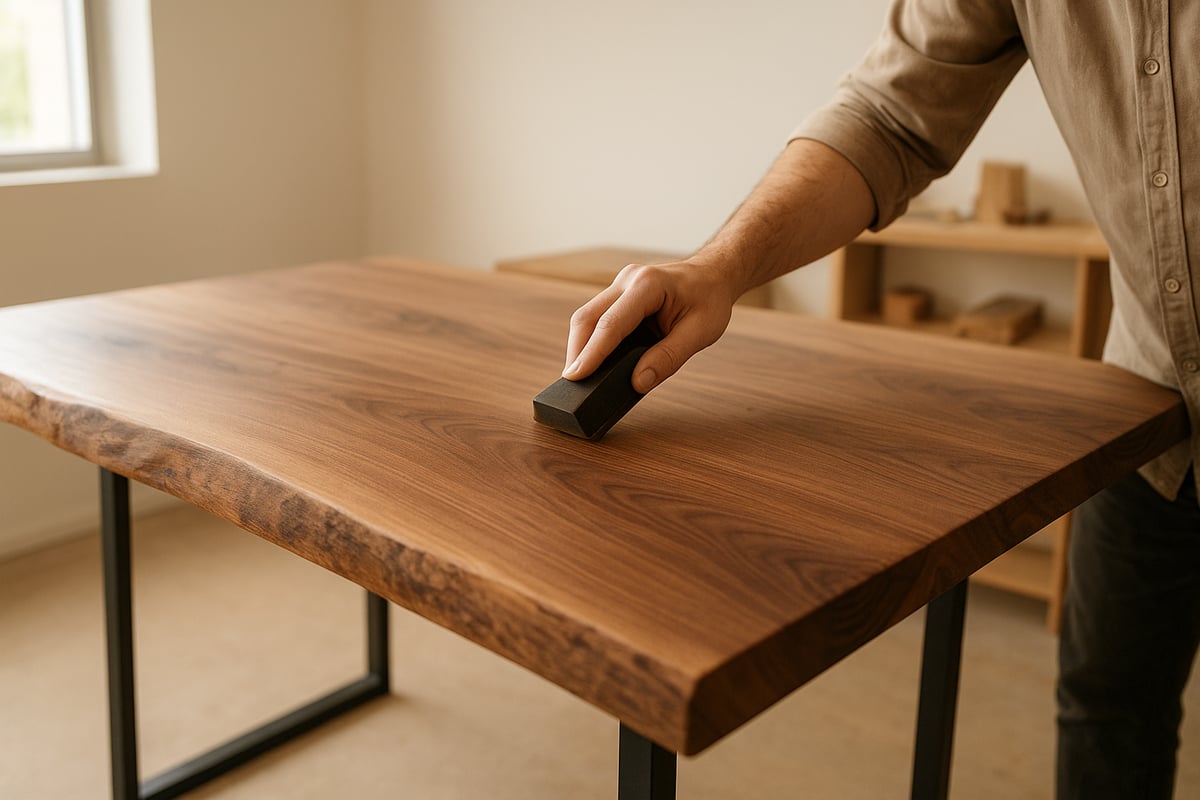
What Makes a Dining Table “Custom”?
A custom hardwood dining table is designed and built specifically for your space, unlike mass-produced tables that come in standard sizes and finishes. Custom tables allow homeowners to tailor every detail, from dimensions to features, ensuring a perfect fit for unique room layouts and family needs.
For example, some families request expandable leaves for entertaining guests, while others prefer integrated storage to keep dining essentials close at hand. The value of a custom hardwood dining table lies in its ability to reflect personal style, accommodate special requests, and transform the dining experience with thoughtful design.
The Enduring Appeal of Hardwood
Selecting hardwood for a dining table is a choice rooted in tradition and performance. Popular species like oak, walnut, maple, cherry, and ash are celebrated for their durability, with many tables lasting generations. Hardwood’s natural grain patterns and rich color variations lend each custom hardwood dining table a distinctive character.
Compared to materials such as MDF, veneer, or glass, hardwood stands out for its resilience and repairability. Responsibly sourced hardwood also offers environmental advantages, supporting sustainable forestry and reducing the need for frequent replacements. Investing in a custom hardwood dining table means choosing longevity and authentic beauty.
| Hardwood Species | Durability | Color/Grain | Sustainability |
|---|---|---|---|
| Oak | High | Prominent, varied | Widely available |
| Walnut | Medium | Dark, rich | Often locally sourced |
| Maple | High | Light, subtle | Renewable resource |
| Cherry | Medium | Warm, deepens | FSC options available |
Trends Shaping 2025 Dining Table Design
Design trends for the 2025 custom hardwood dining table emphasize a blend of minimalism, comfort, and innovation. Scandinavian and Japandi styles influence many new tables, focusing on clean lines and calming palettes. Mixed-material designs—combining wood with metal, stone, or glass accents—are gaining popularity, while organic shapes and live-edge slabs bring a touch of nature indoors.
Recent surveys show a growing consumer preference for tables that balance functionality with artistry. For a deeper look at what’s trending, explore the 2025 Dining Table Trends, which highlights the latest materials, colors, and forms shaping dining spaces this year.
The Role of Craftsmanship and Artisanship
The value of a custom hardwood dining table is elevated by skilled craftsmanship. Artisans rely on techniques like precise joinery, hand-finishing, and attention to subtle details to create pieces that stand the test of time. These methods not only impact the table’s aesthetics but also its structural integrity and resale value.
Regional styles and notable artisan techniques, such as mortise-and-tenon joinery or hand-carved accents, add another layer of uniqueness. Choosing a custom hardwood dining table crafted by an expert ensures your investment is both functional and a true work of art.
Choosing the Right Hardwood for Your Dining Table
Selecting the best wood for your custom hardwood dining table is a decision that impacts style, durability, and daily enjoyment. With so many options available, understanding the key factors makes the process rewarding and ensures your table stands the test of time.
Factors to Consider When Selecting Wood Species
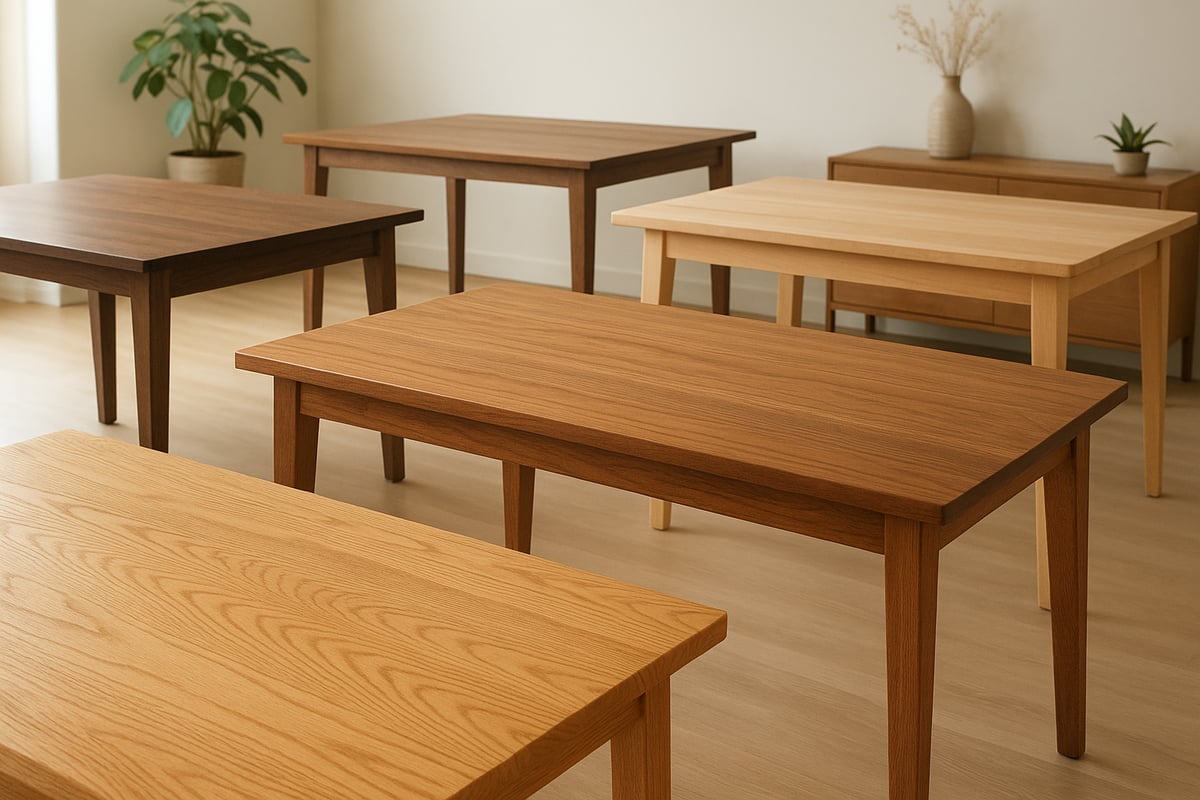
When choosing the wood for a custom hardwood dining table, several attributes deserve careful thought. Hardness determines how well the table resists scratches and dents, an essential factor for busy households. Grain pattern and color variation influence the table’s visual impact, with some woods offering bold, dramatic lines and others a subtle, understated look.
Different species age in unique ways. Oak, for example, develops character over time, while maple maintains a lighter tone. Maintenance varies, too—some hardwoods need regular oiling or refinishing to retain their beauty. Always consider the table’s location, usage frequency, and exposure to sunlight, as these affect how the wood will perform and age.
A custom hardwood dining table should also match your lifestyle. For families, durability and easy care might be top priorities. For entertainers, a showstopping grain or rich color could take center stage. Discuss your needs with your maker to find the right balance for your home.
Popular Hardwood Species for 2025
In 2025, several hardwood species are leading choices for custom hardwood dining table designs. Each brings a unique set of qualities:
| Wood Species | Appearance | Durability | Popularity |
|---|---|---|---|
| Oak | Warm, visible grain | Excellent | Very High |
| Walnut | Rich, dark, smooth | Great | High |
| Maple | Pale, even, subtle | High | Moderate |
| Cherry | Reddish, deepens | Good | Rising |
Oak remains a favorite for its timeless look and robust performance. Walnut is prized for its luxurious, contemporary vibe, and Black Walnut Dining Tables are especially popular among those seeking a statement piece. Maple’s affordability and light, modern look appeal to minimalist interiors, while cherry adds warmth and develops a beautiful patina over time.
Market trends show a growing interest in sustainable woods and unique grain patterns. Consult with your artisan to see samples in person, as lighting and finish can dramatically affect a table’s final appearance.
Sustainability and Ethical Sourcing
Eco-conscious buyers are increasingly prioritizing sustainability when commissioning a custom hardwood dining table. Look for woods certified by organizations like FSC (Forest Stewardship Council) or PEFC, which ensure responsible forest management. These certifications guarantee that your table’s wood comes from sources committed to regeneration and ethical practices.
Local woods often have a smaller carbon footprint and support regional economies. Imported species may offer unique aesthetics but can come with environmental costs. Transparency about sourcing is now a top consumer demand, so reputable makers will gladly share details about their supply chain.
Choosing sustainable woods for your custom hardwood dining table not only benefits the environment but can also enhance the story and value of your piece. Consider reclaimed or salvaged materials for a truly one-of-a-kind result.
Matching Wood to Interior Styles
The wood you select for your custom hardwood dining table should complement your home’s decor. Oak pairs beautifully with rustic or farmhouse interiors, while walnut suits modern and contemporary spaces with its deep, rich tones. Maple’s clean, pale look works well in Scandinavian and minimalist designs, and cherry adds elegance to traditional settings.
Pairing the right wood with your interior style ensures your table feels integrated and intentional. For example, a live-edge walnut table can add organic warmth to an industrial loft, while a sleek maple table can bring lightness to a cozy dining nook. Visualize samples in your space to see how the wood interacts with your flooring, lighting, and other furnishings.
With so many options, a custom hardwood dining table offers endless possibilities to express your taste while meeting the practical needs of your home.
Step-by-Step Guide to Designing Your Custom Hardwood Dining Table
Designing a custom hardwood dining table is a rewarding journey, blending personal vision with expert craftsmanship. Each step brings you closer to a one-of-a-kind piece that embodies your style and meets your family's needs. Let’s walk through the essential stages to ensure your table is both beautiful and functional.
Step 1: Defining Your Needs and Style
Start by assessing your dining area’s size and layout. Measure the available space, considering walkways and other furniture. Think about how many people you usually host and whether you need extra seating for special occasions.
Determine your preferred table shape. Rectangular tables are classic and suit long rooms, while round or oval tables encourage conversation. Evaluate your lifestyle: do you need a child-friendly surface, a table that expands, or a multifunctional piece for work and dining? Clarifying these needs ensures your custom hardwood dining table will suit your daily routines and future gatherings.
Step 2: Selecting the Right Wood and Finish
Choosing the right hardwood species is crucial for durability and aesthetics. Oak offers classic charm and resilience, while walnut brings a rich, modern feel. Maple’s light hue brightens spaces, and cherry develops a warm patina over time.
Explore finish options to customize the look and feel. Matte finishes bring a contemporary vibe, gloss adds sophistication, and oil or natural finishes highlight wood grain. The finish also affects maintenance—consider how easily you can clean and protect your custom hardwood dining table for years to come.
Step 3: Deciding on Table Shape and Edge Profile
The shape of your table impacts how it fits into your space and how you use it. Rectangular shapes maximize seating, round tables create intimacy, oval designs combine both, and square tables are great for compact rooms. Live-edge shapes introduce organic beauty and individuality.
Edge profiles add subtle style. Beveled edges create a sharp, modern look, bullnose edges are soft and family-friendly, waterfall edges give a seamless transition, and chamfered edges offer clean geometry. Choose a combination that enhances usability and complements your overall design vision for a custom hardwood dining table.
Step 4: Customizing Table Base and Leg Design
The base and legs are both structural and stylistic elements. Popular bases include trestle for stability and legroom, pedestal for a sculptural effect, traditional four-leg for versatility, or U-shaped for a contemporary twist.
Mixing materials is on trend—combine wood legs with metal or acrylic accents for visual interest. As you design your custom hardwood dining table, prioritize stability and accessibility, especially if you need wheelchair-friendly accommodations or want to maximize seating without crowding.
Step 5: Integrating Special Features and Personal Touches
Custom features make your table truly yours. Consider built-in extensions for flexibility, hidden storage for linens or serving pieces, or integrated cable management for work-from-home convenience.
Add personality with inlays, carvings, or personalized engravings. Some families incorporate heritage motifs or crests, turning their custom hardwood dining table into a conversation piece that reflects their story and values. These thoughtful extras elevate both function and meaning.
Step 6: Working with Artisans and Furniture Makers
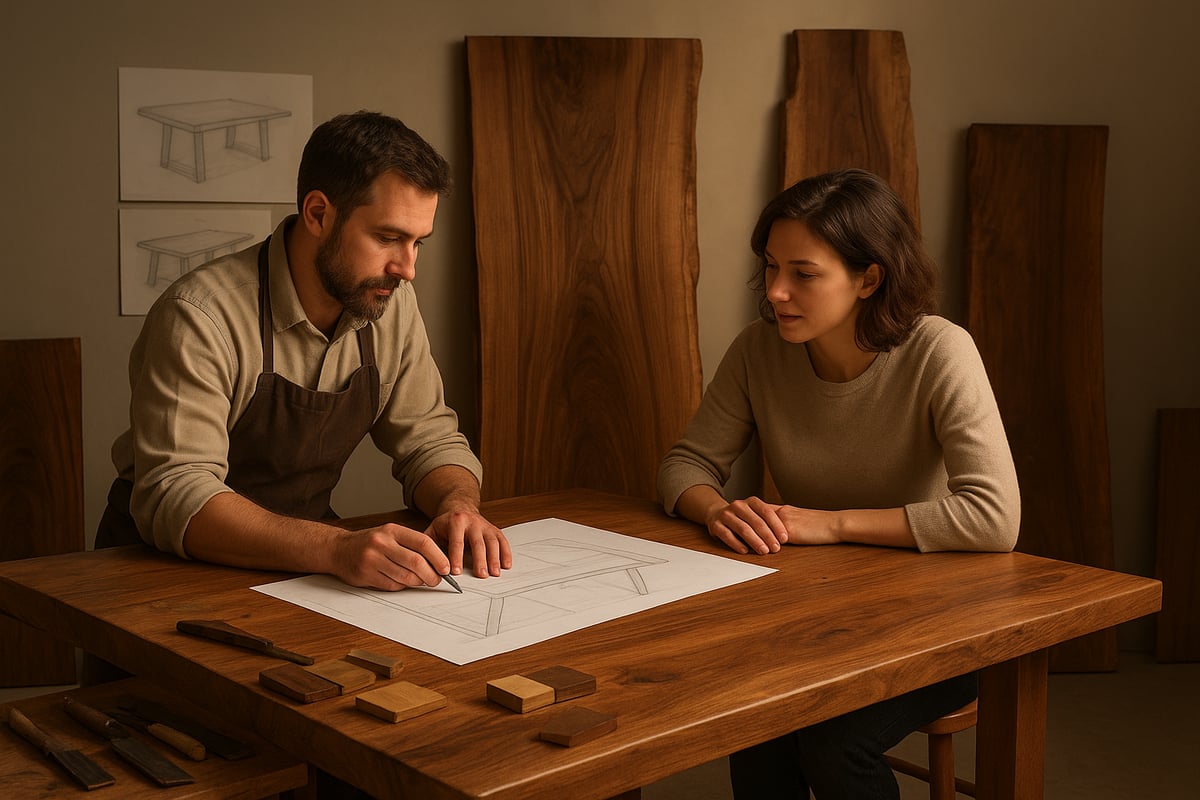
Effective collaboration is key to bringing your vision to life. Start by sharing clear inspiration images, sketches, or mood boards. Discuss your requirements openly and ask for input on practicalities or material choices.
Review detailed renderings and material samples before final approval. Establish a clear timeline and budget, accounting for the custom nature of the project. Explore collections like the Custom Tables Collection to see a range of possibilities and craftsmanship styles. This ensures your custom hardwood dining table will exceed expectations and stand the test of time.
Step 7: Finalizing and Caring for Your Table
Once your table is ready, coordinate delivery and professional installation to protect both your new piece and your home. Inspect the table upon arrival for finish quality and structural integrity.
To maintain your custom hardwood dining table, clean spills promptly with a damp cloth, use coasters and placemats, and apply recommended wood care products. Familiarize yourself with warranty terms and options for repairs or refinishing, so your table remains a cherished centerpiece for years to come.
Expert Tips for Achieving the Perfect Custom Dining Table
Creating the ideal custom hardwood dining table involves more than choosing wood and style. It requires a thoughtful approach balancing beauty, utility, and long-term satisfaction. Here are expert strategies to guide you through the process.
Balancing Aesthetics and Functionality
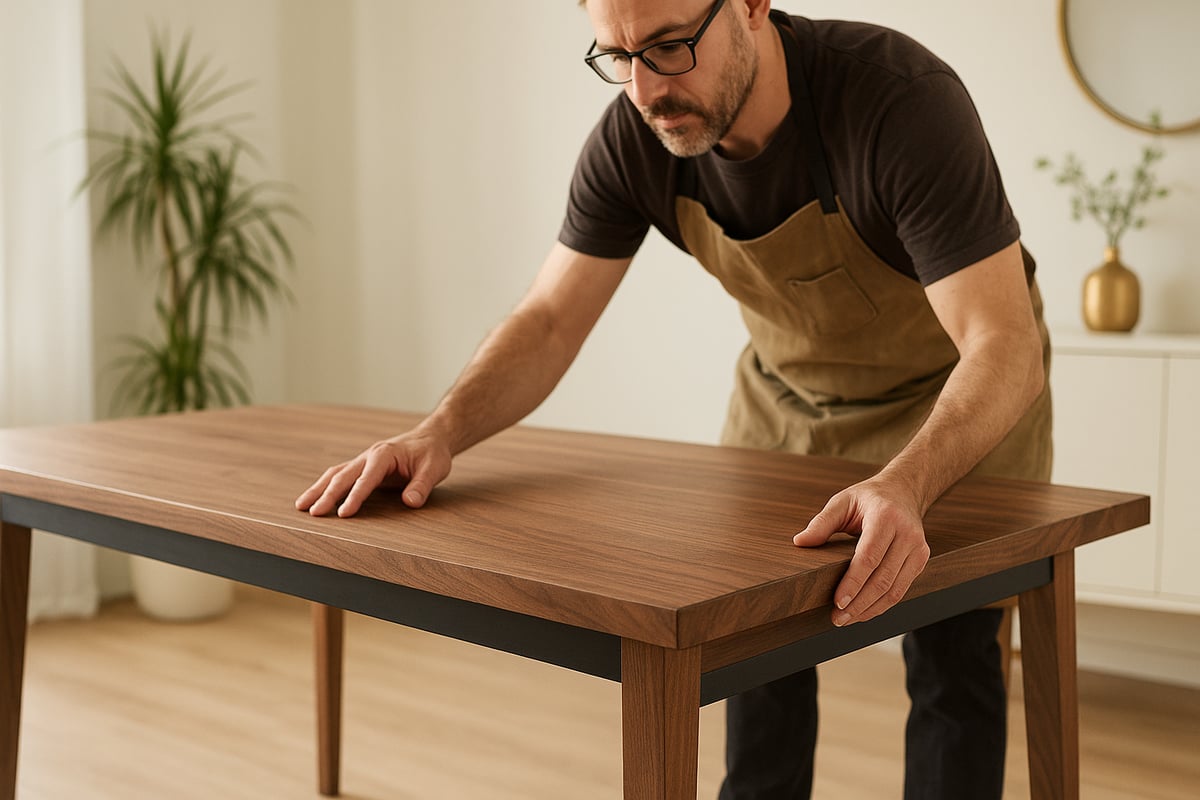
A successful custom hardwood dining table is both striking and practical. Begin by evaluating your lifestyle. Do you host large gatherings, or is your space more intimate? Choose a table size and shape that encourages flow and comfort.
- Rectangular tables suit larger rooms and frequent entertaining.
- Round or oval tables foster conversation in smaller spaces.
- Consider integrated storage or expandable leaves for flexibility.
Prioritize features that align with your daily needs. For example, opt for durable finishes if you have young children or prefer easy maintenance. This ensures your custom hardwood dining table remains a functional centerpiece for years.
Budgeting for Custom Hardwood Tables
Investing in a custom hardwood dining table can range widely, depending on wood species, craftsmanship, and added features. In 2025, expect entry-level custom tables to start around $2,500, with high-end pieces reaching $10,000 or more.
To optimize your budget:
- Select domestic hardwoods, which often cost less than exotic imports.
- Simplify design elements to reduce labor costs.
- Discuss material substitutions with your maker for savings.
Sustainability and personalization are driving modern furniture choices. For more on these trends, explore the Top 5 Custom Furniture Design Trends for 2025.
A well-crafted custom hardwood dining table can increase your home's value and provide lasting enjoyment, making it a smart long-term investment.
Collaborating Effectively with Designers and Makers
Strong communication is vital when commissioning a custom hardwood dining table. Start by reviewing your maker’s portfolio and checking client references. Share inspiration images, sketches, or mood boards to convey your vision clearly.
- Ask for detailed drawings and wood samples before production.
- Set realistic timelines and agree on milestones.
- Confirm understanding of all specifications in writing.
A collaborative approach ensures the finished piece aligns with both your aesthetic goals and practical needs, reducing surprises along the way.
Avoiding Common Pitfalls
Many buyers overlook critical details when ordering a custom hardwood dining table. Measure your dining area precisely, accounting for chair movement and walkways. Select finishes that suit your lifestyle, considering potential for scratches or heat marks.
To future-proof your table:
- Choose timeless shapes and versatile finishes.
- Plan for family growth or changing entertaining habits.
- Learn from testimonials about issues like size misjudgments or impractical features.
By following these expert tips, you will enjoy a custom hardwood dining table that stands the test of time and adapts to your evolving needs.
Inspiration: Stunning Custom Hardwood Dining Table Ideas for 2025
The custom hardwood dining table is more than just a place to gather, it is a statement piece that defines your dining space. In 2025, homeowners are seeking unique designs, advanced functionality, and personal touches that make their dining tables truly one of a kind. Let us explore the latest inspirations and innovations shaping this essential piece of furniture.
Showcasing Innovative Designs and Features
Designers are pushing boundaries with the custom hardwood dining table, blending artistry and function. Expect to see organic live-edge slabs, sculptural pedestal bases, and combinations of wood with metal or stone inlays. Minimalist Scandinavian and Japandi styles favor clean lines, while rustic influences embrace natural imperfections.
Popular features include:
- Live-edge surfaces that showcase wood’s natural contours
- Mixed-material bases for a striking contrast
- Expandable leaves for flexible seating
- Integrated storage or display shelves
For a closer look at these trends, explore Live Edge Furniture Trends, which highlights the creative possibilities of this organic style. These designs often become conversation starters and focal points in the home.
Integrating Technology and Modern Conveniences
As lifestyles evolve, so does the custom hardwood dining table. Tech-savvy features are on the rise, with integrated wireless charging pads, built-in LED lighting, and hidden cable management systems. These additions allow you to power devices, set the mood, or keep clutter at bay without sacrificing elegance.
Some forward-thinking tables even offer touch-sensitive controls or smart storage solutions that blend seamlessly with the design. Multifunctional tables can double as workstations or entertainment hubs, meeting the demands of modern households. Embracing technology enhances both the aesthetic and practical value of your custom hardwood dining table.
Adapting to Small and Large Spaces
Space constraints are no longer a barrier to owning a custom hardwood dining table. Artisans now create extendable and convertible tables that maximize seating while minimizing their footprint. Drop-leaf, butterfly, and nested designs are ideal for apartments or open-plan homes where flexibility is key.
For larger spaces, grand single-slab tables or modular designs make a bold statement and accommodate big gatherings. Custom sizing ensures your table fits perfectly, whether you need an intimate breakfast nook or a dramatic dining hall centerpiece. These adaptations prove the custom hardwood dining table can be tailored to any room.
Personalization and Storytelling Through Design
Personal stories and heritage are increasingly woven into the design of a custom hardwood dining table. Clients often request inlays, engravings, or carvings that reflect family crests, travel memories, or cultural motifs. Some tables incorporate reclaimed wood from meaningful places or feature hand-applied finishes that tell a unique story.
Case Study Example:
| Feature | Description |
|---|---|
| Engraved Family Crest | Custom carving on table edge |
| Heritage Wood | Salvaged barn beams from ancestral home |
| Travel Motif Inlay | Map of favorite city set in tabletop |
These personalized elements create heirlooms that celebrate identity and legacy, making each custom hardwood dining table a treasured centerpiece.
Data-Driven Insights on Consumer Preferences
Recent surveys reveal a growing demand for sustainable materials, mixed-media designs, and versatile features in the custom hardwood dining table market. According to 2025 Dining Room Table Trends, consumers prioritize durability, eco-friendly sourcing, and unique shapes.
Top requested features for 2025 include:
- Live-edge and organic forms
- Integrated tech (charging, lighting)
- Expandable and multifunctional designs
This data reflects a shift toward tables that not only look stunning but also adapt to changing lifestyles. By understanding these trends, you can create a custom hardwood dining table that meets both present and future needs.
The Future of Custom Hardwood Dining Tables
The custom hardwood dining table is set to evolve in exciting ways as homeowners seek furniture that is both beautiful and forward-thinking. From eco-conscious materials to digital craftsmanship, the future promises innovation and lasting value for every dining space.
Sustainability and Eco-Conscious Design
Sustainability has become a defining principle in the evolution of the custom hardwood dining table. Homeowners are increasingly drawn to reclaimed and upcycled woods, which give new life to materials that might otherwise go to waste. This approach not only reduces environmental impact but also adds unique character to each piece.
Many artisans now use non-toxic finishes and adhesives, ensuring that indoor air quality remains uncompromised. Transparency is another growing trend, with buyers seeking detailed information about the source of their wood and the environmental practices of their maker.
A custom hardwood dining table crafted with eco-conscious methods aligns with modern values, offering peace of mind alongside timeless style.
Technological Advances in Craftsmanship
Technology is reshaping how the custom hardwood dining table is designed and built. Digital tools like CNC machining and 3D modeling allow artisans to achieve remarkable precision, from intricate joinery to seamless inlays. These innovations streamline the design process, making it easier to visualize and tweak every detail before production begins.
With digital design, clients can see realistic renderings of their future table, ensuring the final product matches their vision. Technology also enhances efficiency, reducing material waste and shortening lead times.
Despite these advances, the heart of a custom hardwood dining table remains in the skilled hands of craftspeople who bring each digital concept to life.
Evolving Trends in Dining and Social Spaces
The role of the custom hardwood dining table is expanding as homes adapt to modern lifestyles. Dining spaces now blend seamlessly with work, entertaining, and even creative pursuits, making multifunctionality a top priority. Tables that can transition from family meals to remote workstations are in high demand.
According to the Top 6 Dining Room Trends for 2025, flexible layouts, organic shapes, and integrated technology are shaping the way we use dining spaces. Expect to see more tables with built-in charging stations, adjustable heights, and convertible extensions.
A custom hardwood dining table designed with these trends in mind becomes the adaptable centerpiece of a dynamic home.
The Lasting Value of Custom Hardwood Furniture
Investing in a custom hardwood dining table offers far more than immediate visual appeal. These tables are celebrated for their longevity, often becoming cherished family heirlooms passed down through generations. High-quality hardwood and expert craftsmanship ensure that each piece stands the test of time.
Resale value is another advantage, with well-maintained custom hardwood dining tables retaining their worth and sometimes even appreciating. As consumers place greater emphasis on quality and personalization, the desire for bespoke furniture continues to rise.
Ultimately, a custom hardwood dining table is a testament to enduring style, craftsmanship, and the stories shared around it.
Now that you have a deeper understanding of what sets custom hardwood dining table design apart in 2025, you might be inspired to bring your own vision to life. Whether you’re dreaming of a table that fits your exact space, showcases your favorite wood species, or captures your unique style, working with dedicated artisans ensures every detail reflects your personal taste. If you’re ready to start your journey or need expert guidance to turn your ideas into a statement piece, we’re here to help you every step of the way.
Get Design Help