
Imagine walking into a dining area filled with warmth, personality, and timeless style. The right wood dining room furniture can transform any space, creating an inviting atmosphere that welcomes family and friends. As wood makes a strong comeback in modern interiors, this guide will help you navigate the choices ahead.
Here, you will discover how to balance aesthetics, durability, and sustainability when selecting wood dining room furniture. Explore trending wood types, design styles, and the latest features that will define 2026. Whether you seek eco-friendly options or heirloom-quality pieces, you will find expert tips to make confident, stylish decisions for your home.
Understanding Wood Types for Dining Furniture
Selecting the right wood is the foundation of choosing exceptional wood dining room furniture. The type of wood shapes the style, longevity, and overall feel of your dining space. With so many options available, understanding the characteristics, trends, and practicalities of each wood type is key to making a confident, lasting choice.
Hardwood vs. Softwood: What’s Best for Dining Rooms?
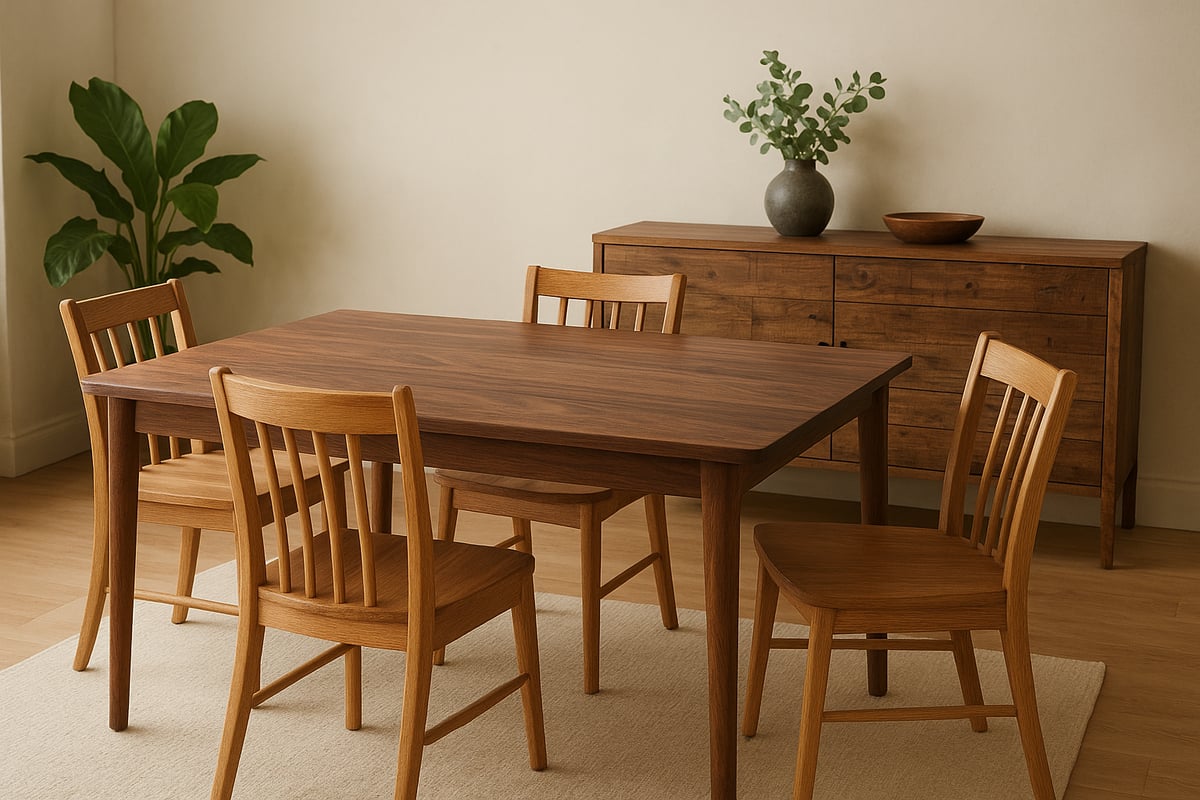
When choosing wood dining room furniture, the first decision often comes down to hardwoods or softwoods. Hardwoods like oak, maple, walnut, and cherry are known for their density, strength, and durability. These qualities make them ideal for tables and chairs that see daily use.
Softwoods, such as pine and cedar, are lighter and less dense. While they may be more affordable and suitable for certain rustic or farmhouse looks, they tend to dent and scratch more easily. For most wood dining room furniture, hardwoods are preferred for their resilience and timeless appearance. However, softwoods can work well in casual or cottage-inspired interiors. Oak remains a classic choice, prized for its ability to withstand years of family meals.
Popular Wood Species in 2026
In 2026, several wood species are dominating the world of wood dining room furniture. Walnut stands out for its rich, chocolate tones and elegant grain—perfect for contemporary and luxury spaces. White oak offers a softer, neutral palette and a subtle grain that fits seamlessly with minimalist or Japandi styles.
Maple’s light color and smooth texture complement Scandinavian-inspired interiors, while cherry’s warm, reddish hues bring depth to traditional settings. Ash, with its pronounced grain, is gaining popularity for bold, modern looks. Regional trends also play a role, with preferences shifting based on local availability and design movements. Walnut remains a top pick for those seeking a statement piece in wood dining room furniture.
Engineered and Sustainable Wood Options
Engineered woods, like plywood, MDF, and veneer, are widely used in wood dining room furniture for their cost-effectiveness and stability. While engineered woods may not offer the same longevity as solid hardwood, they allow for creative designs and budget-friendly options.
Sustainability is increasingly important when selecting wood dining room furniture. Look for pieces made from reclaimed wood or those carrying certifications such as FSC or PEFC, which ensure responsible sourcing. For a deeper understanding of these certifications and their environmental impact, refer to Sustainable Wood Certifications. Eco-friendly trends are driving the use of salvaged barn wood, giving new life to old materials.
How Wood Choice Affects Longevity and Maintenance
The wood you select for your wood dining room furniture directly affects how it ages and how much care it needs. Harder woods, like maple and oak, resist scratches and dents, making them ideal for busy households. The finish applied—oil, lacquer, polyurethane, or wax—impacts both appearance and ease of maintenance.
Some woods, such as cherry, naturally darken over time, adding unique character. It’s important to consider how different species respond to humidity and temperature changes, as some may warp or crack in less stable environments. Choosing the right wood ensures your wood dining room furniture remains beautiful and sturdy for years.
Choosing the Right Wood for Your Lifestyle
Lifestyle plays a crucial role in selecting wood dining room furniture. Families with children or pets often benefit from harder woods like maple, which are easy to clean and resist everyday wear. Those who entertain frequently may prefer a finish that stands up to spills and stains.
Consider the level of upkeep you’re comfortable with—some woods require regular oiling or waxing, while others need only simple dusting. Always test wood samples in your space to see how they look in your lighting. Ultimately, matching the wood type to your daily needs ensures your wood dining room furniture fits seamlessly into your life.
Key Factors to Consider When Choosing Wood Dining Furniture
Selecting the ideal wood dining room furniture involves more than picking a style you like. Several key aspects determine how well your furniture fits your space, lifestyle, and design vision. Let us explore the most important considerations to ensure your dining area feels both beautiful and functional.
Size and Scale: Fitting Your Space
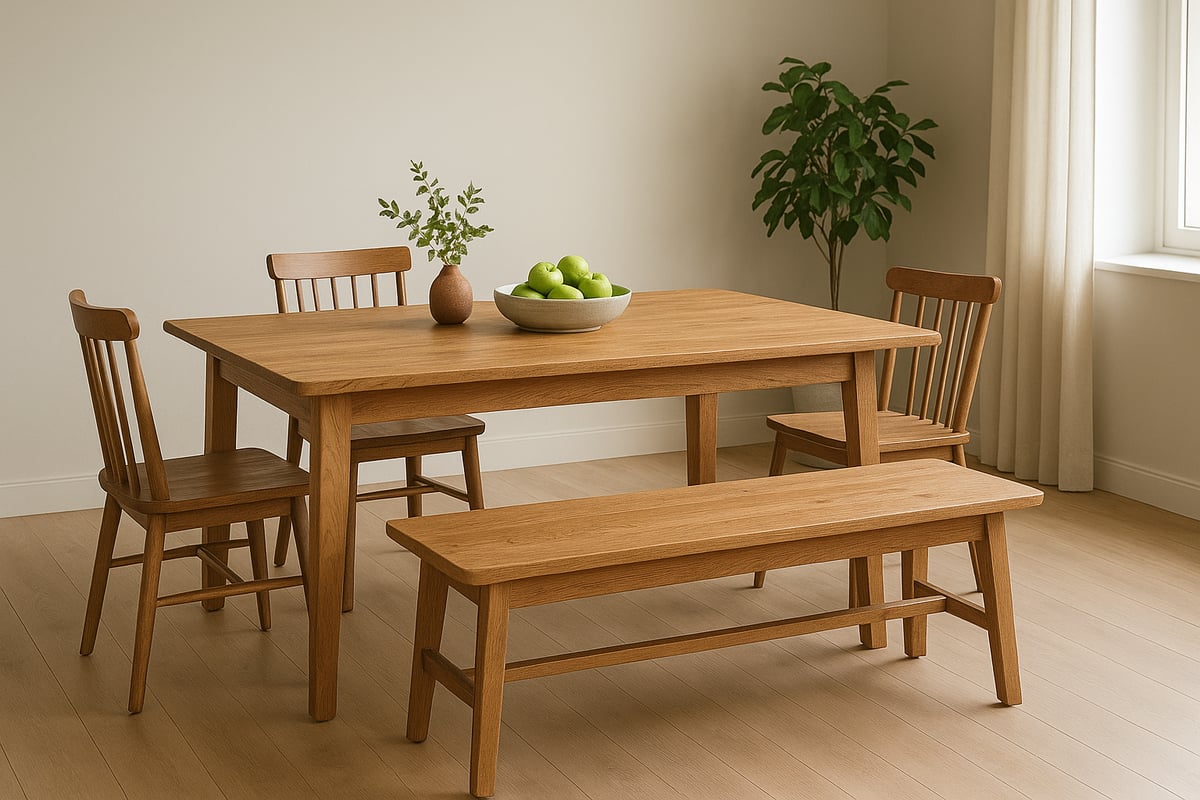
Before choosing wood dining room furniture, measure your dining area carefully. Consider the table's footprint, allowing at least 36 inches between the table edge and walls or other furniture for comfortable movement.
Think about how many people you want to seat daily and for special occasions. Extension tables offer flexibility for gatherings without overwhelming the space. Rectangular tables suit long rooms, while round tables can make smaller spaces feel more open.
Always visualize your furniture in the room, ensuring there is room for chairs to slide out and for guests to move around easily.
Style and Aesthetics: Matching Your Decor
Wood dining room furniture comes in a range of styles, from modern and rustic to mid-century and farmhouse. The finish, grain, and color of the wood play a major role in setting the room's tone.
For a minimalist look, consider shaker-style tables with subtle grains. If you prefer a contemporary vibe, mixing wood with metal or glass creates visual interest. Transitional styles combine traditional shapes with updated finishes, striking a balance between classic and current.
Choose finishes and color tones that complement your flooring, walls, and existing decor for a cohesive look.
Construction Quality and Joinery
Durability is vital when selecting wood dining room furniture. Examine joinery techniques such as mortise and tenon, dovetail, or dowel joints. These methods offer superior stability and longevity compared to basic screws or staples.
Handcrafted tables often showcase exposed joinery as a design feature, reflecting attention to detail and skilled craftsmanship. Quality joinery ensures your furniture remains sturdy through years of use and family gatherings.
Check for solid wood components and smooth, reinforced connections that signal long-lasting construction.
Finish and Protective Coatings
The finish on your wood dining room furniture affects both appearance and maintenance. Common finishes include oil, lacquer, polyurethane, and wax. Each offers different levels of protection and sheen.
Oil finishes highlight natural grain and are easy to refresh, while lacquers and polyurethanes provide stronger barriers against spills and scratches. For families, non-toxic or low-VOC finishes are advisable for a healthier environment.
Choose a finish that matches your aesthetic and maintenance preferences, ensuring your furniture looks good and is easy to care for.
Comfort and Ergonomics
Comfort is essential when selecting wood dining room furniture. Consider seat height, back support, and the space between the table and chairs for ease of use. Benches can maximize seating in smaller spaces, while upholstered chairs offer added comfort for longer meals.
For more ideas on selecting the right chair style and ergonomics, consult this Dining chairs selection guide. Test different options to find what suits your family best and encourages guests to linger at the table.
Budgeting and Value for Money
Budgeting for wood dining room furniture requires balancing quality and affordability. Solid hardwood pieces are often more expensive but offer longevity and value. Engineered wood or veneer options can provide style at lower prices.
| Wood Type | Price Range | Durability | Investment Value |
|---|---|---|---|
| Solid Hardwood | $$$ | High | Heirloom quality |
| Engineered Wood | $-$$ | Moderate | Good short-term |
| Veneer | $ | Lower | Budget-friendly |
Consider your long-term needs, investing more in key pieces like the dining table while saving on chairs or benches if necessary. This approach ensures your wood dining room furniture remains a smart investment for years to come.
Dining Room Furniture Trends in 2026
Staying current with dining room design is essential for those seeking to invest in wood dining room furniture that feels both timeless and fresh. The coming year brings bold new looks, eco-conscious choices, and innovative features, ensuring your space is both stylish and functional.
Design Trends: Shapes, Colors, and Finishes
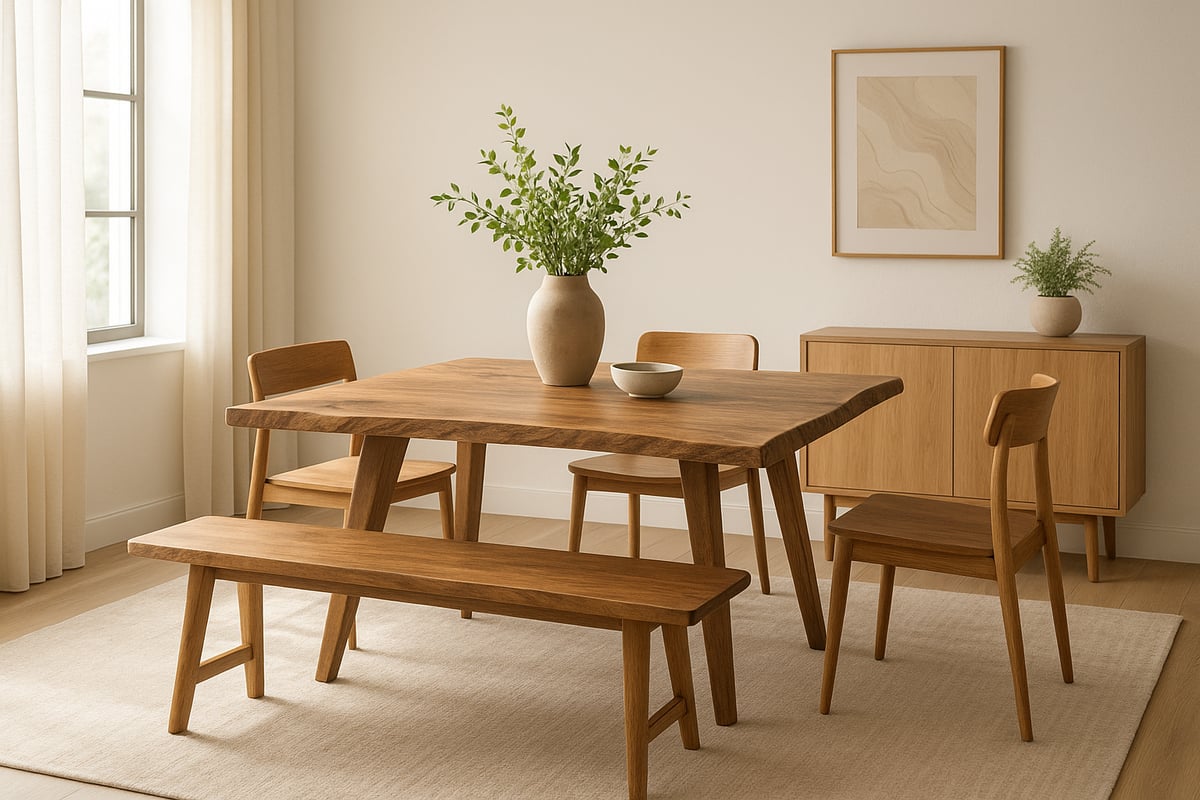
Designers are embracing softer forms, with oval and round tables gaining momentum for their inviting silhouettes. Live edge tables are especially sought after, merging raw beauty with modern appeal. If you want to see the latest in this area, explore Live edge dining furniture trends for inspiration.
Natural wood tones dominate, but bold painted finishes in deep blues or forest greens are making statements. Matte and textured finishes lend a tactile, organic feel to wood dining room furniture. Live edge pieces often serve as statement centerpieces, combining artistry with function.
Sustainability and Ethical Sourcing
Eco-conscious consumers are driving demand for responsibly sourced wood dining room furniture. Look for certifications such as FSC or PEFC, which guarantee sustainable forestry practices. Reclaimed and upcycled wood is gaining ground, offering character and reducing environmental impact.
Dining tables crafted from reclaimed urban lumber or barn wood tell a story while aligning with sustainability goals. As awareness grows, more manufacturers are transparent about sourcing, ensuring your wood dining room furniture supports both style and values.
Multifunctional and Space-Saving Designs
With living spaces becoming more flexible, multifunctional wood dining room furniture is a top trend for 2026. Tables with hidden leaves or convertible features adapt to changing needs, making them perfect for both everyday meals and entertaining.
Benches with built-in storage, nesting chairs, and drop-leaf tables help maximize space. Compact apartments especially benefit from these smart solutions, ensuring that wood dining room furniture remains practical and adaptable in any setting.
Mixing Materials and Hybrid Styles
Hybrid styles are redefining wood dining room furniture, blending wood with metal, glass, or stone for a fresh, eclectic look. Industrial and modern farmhouse styles thrive on these combinations, offering a unique twist on traditional dining spaces.
A solid wood tabletop paired with a sleek metal base is popular in urban lofts, while glass inserts can lighten the visual weight of large tables. These mixed-material pieces allow homeowners to infuse personality and contrast into their dining rooms.
Smart Features and Technology Integration
Technology is reshaping wood dining room furniture, making it more functional than ever. In 2026, expect tables with wireless charging pads, built-in lighting, or integrated power outlets. These innovations cater to the needs of busy families and multitaskers who use their dining room for work or study.
Smart tables are not just about convenience—they elevate the user experience, ensuring your wood dining room furniture keeps pace with modern living. As tech continues to blend seamlessly with design, expect further integration in future collections.
Customization and Personalization
Personalization is key for homeowners wanting unique wood dining room furniture. Made-to-order pieces, custom finishes, and engraved details are increasingly accessible, allowing you to tailor every aspect to your taste and space.
Custom dimensions are ideal for unconventional rooms, while bespoke finishes let you match existing decor. The desire for individuality means more people are seeking wood dining room furniture that reflects their story and lifestyle, ensuring each piece is truly one of a kind.
Step-by-Step Guide to Choosing the Perfect Wood Dining Furniture
Selecting the ideal wood dining room furniture can feel overwhelming with so many choices available. This step-by-step guide simplifies your decision-making process, ensuring each piece you choose perfectly matches your needs, style, and space. Let us walk you through each essential stage for long-lasting satisfaction.
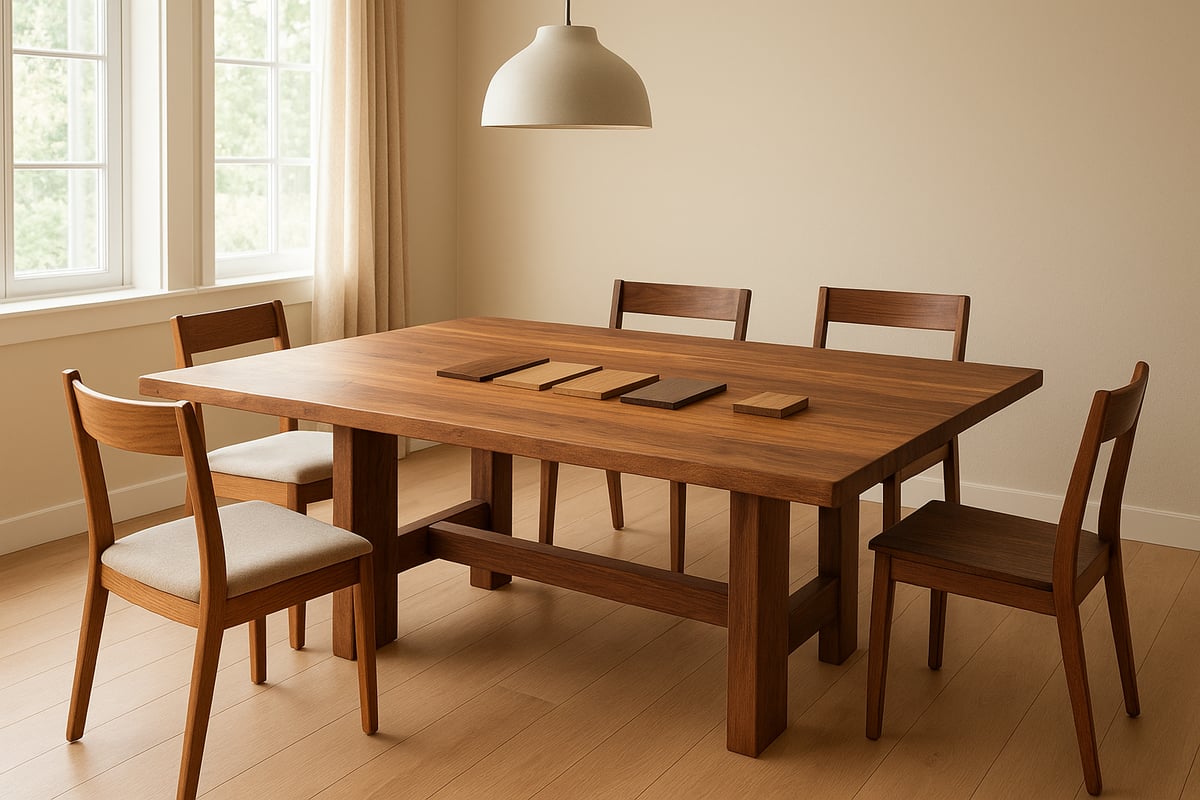
Step 1: Assess Your Dining Room Needs
Start by evaluating your dining area and how you plan to use it. Consider the number of people who will regularly gather around your wood dining room furniture. Will your table serve just for meals, or will it double as a workspace or a spot for social gatherings?
Think about your household members, including children or pets, which can influence the durability requirements. If you often host guests, an expandable table may be essential. Understanding these factors will help you focus on furniture that fits both your lifestyle and the unique demands of your space.
Step 2: Set a Realistic Budget
Before falling in love with a particular piece, research the price ranges for different types of wood dining room furniture. Solid hardwood tables tend to command higher prices due to their durability and craftsmanship, while engineered woods or veneers are often more budget-friendly.
Remember to account for delivery, assembly, and potential long-term maintenance costs. Prioritize your spending based on what matters most, such as investing more in a high-quality table and saving on seating if needed. Setting a clear budget will guide your choices and prevent unexpected expenses.
Step 3: Choose the Right Table Shape and Size
The shape and size of your wood dining room furniture should complement your room’s layout. Rectangular tables work well in elongated spaces, while round or square tables maximize seating in smaller, more intimate areas.
Measure the available space, leaving enough room for chairs to pull out comfortably. Consider extension tables if you need flexibility for larger gatherings. Custom sizing may be necessary for unconventional room dimensions, ensuring the table fits perfectly without overcrowding the room.
Step 4: Select the Best Wood Type and Finish
Choosing the right wood species and finish is crucial for both aesthetics and durability. Popular options for wood dining room furniture include oak, walnut, maple, and cherry, each offering distinct grain patterns and color tones.
Test physical samples in your dining area to see how they interact with your lighting and existing décor. Finishes range from natural oils to protective lacquers, impacting both appearance and maintenance. Opt for finishes that are easy to clean and suit your lifestyle, especially if your table will see frequent use.
Step 5: Evaluate Construction Quality and Features
Inspecting the craftsmanship of your wood dining room furniture is essential for longevity. Look for solid joinery techniques such as mortise and tenon, dovetail, or dowel joints, which provide enhanced strength and stability.
Check for sturdy legs, smooth drawer slides, and quality hardware. Features like self-storing leaves or adjustable feet can add convenience. A well-constructed table not only stands the test of time but also becomes a centerpiece that elevates your dining experience for years to come.
Step 6: Coordinate Seating Options
Seating choices should balance comfort, style, and function. Mix and match chairs and benches to create visual interest and maximize flexibility around your wood dining room furniture. Upholstered chairs offer added comfort for long meals, while benches can save space and accommodate more guests.
For those interested in versatile arrangements, explore dining benches for wood tables to find options that complement a variety of table styles. Always test seating for ergonomic support and durability, ensuring everyone enjoys their time around the table.
Step 7: Plan for Delivery, Assembly, and Placement
Finalize your process by planning the logistics of getting your new wood dining room furniture into your home. Measure doorways, hallways, and staircases to prevent delivery issues. For larger or heavier pieces, consider professional assembly services to ensure safety and structural integrity.
Schedule delivery to align with any ongoing renovations or room updates. Once in place, arrange your furniture thoughtfully to encourage easy movement and conversation, making your dining room both beautiful and functional.
Custom vs. Ready-Made: Which is Right for You?
Selecting wood dining room furniture often comes down to a choice between custom and ready-made pieces. Each path offers distinct advantages, and your decision should reflect your needs, style, and expectations for your dining space.
Benefits of Custom Wood Dining Furniture
Custom wood dining room furniture offers unmatched personalization. You can specify exact dimensions, select your preferred wood species, and choose finishes that complement your decor. This approach ensures each piece fits your space perfectly, even if your dining room layout is unconventional.
Bespoke craftsmanship means you can request unique features, such as special joinery, custom inlays, or personalized engravings. This level of detail transforms your furniture into a true reflection of your style and needs.
Custom pieces are ideal if you want an heirloom-quality table or chairs that stand out. For example, a custom-sized table can make the most of an odd-shaped room, providing both functionality and beauty.
Advantages of Ready-Made Options
Ready-made wood dining room furniture remains a popular choice for many households. These pieces are widely available, covering a range of styles and price points. If you need furniture quickly or want to browse multiple options in person or online, ready-made solutions are ideal.
You can find designs that suit most dining rooms, from traditional to contemporary. For a glimpse of trending styles and high-quality materials, explore this black walnut dining tables collection, which showcases the beauty and versatility of ready-made offerings.
Ready-made furniture also tends to be more budget-friendly and offers predictable delivery times. This makes it an excellent choice for renters or those furnishing a home on a shorter timeline.
How to Decide: Factors to Weigh
Choosing between custom and ready-made wood dining room furniture involves balancing several factors. Consider your timeline—custom pieces require more lead time, while ready-made items are often in stock. Budget is another key aspect, as custom work generally commands a premium.
Think about how important uniqueness is to you. Custom furniture stands out, but ready-made pieces can still reflect your taste, especially if you stay informed about current trends. For inspiration, review the latest Dining Room Trends 2026 to see how popular styles might influence your decision.
Evaluate whether you plan to keep your furniture long-term or anticipate moving. Custom is ideal for forever homes, while ready-made may suit temporary spaces better.
Working with Artisans and Local Makers
If you value craftsmanship and want to support local economies, working with artisans for your wood dining room furniture can be especially rewarding. Local makers often use sustainably sourced materials and offer collaborative design processes, allowing you to co-create a piece that is both functional and meaningful.
Artisan-made furniture frequently features visible joinery and hand-finished details, creating a sense of authenticity and connection. Commissioning a local craftsperson can result in a unique family heirloom that tells a story and adds character to your dining room.
Whether you choose custom, ready-made, or a combination, investing in thoughtfully selected wood dining room furniture ensures your space reflects your style and meets your everyday needs.
Care, Maintenance, and Longevity Tips for Wood Dining Furniture
Caring for your wood dining room furniture is essential for preserving its beauty, structure, and value over time. With proper routines and attention, you can ensure that your investment remains a centerpiece in your home for years to come.
Daily and Weekly Care Routines
Establishing consistent care routines is the foundation for keeping wood dining room furniture looking its best. Dust your surfaces gently with a microfiber cloth to avoid scratching the finish. Wipe up spills promptly using a slightly damp, lint-free cloth, followed by a dry cloth to prevent moisture absorption.
For cleaning, opt for mild, non-abrasive products specifically designed for wood. Avoid harsh chemicals, as they can strip away protective finishes. Use placemats and table runners to minimize direct contact with food and drink, reducing the risk of stains.
A simple weekly checklist includes:
- Dusting all surfaces
- Wiping spills immediately
- Checking for crumbs or debris in joints and corners
By integrating these tasks into your routine, you create a welcoming dining space and extend the life of your wood dining room furniture.
Preventing Damage: Scratches, Heat, and Moisture
Protecting wood dining room furniture from everyday hazards is crucial for longevity. Scratches can occur from sliding dishes, utensils, or decorative items. To minimize risk, use coasters, placemats, and felt pads under accessories.
Heat and moisture are leading causes of damage. Place trivets under hot dishes and avoid placing cold beverages directly on the wood to prevent rings and warping. Maintain stable indoor humidity, ideally between 40% and 55%, to safeguard against cracking or swelling.
Direct sunlight can fade finishes. Position your table away from windows or install sheer curtains to filter UV rays. These preventive measures help maintain the natural luster and strength of your wood dining room furniture.
Seasonal Maintenance and Deep Cleaning
Beyond daily care, seasonal maintenance ensures your wood dining room furniture remains in top condition. Every few months, polish the surfaces with a high-quality wood polish or apply oil, depending on the finish. For oiled or waxed finishes, reapply treatments as recommended by the manufacturer.
Inspect and tighten hardware, such as screws and bolts, to maintain stability. Deep clean by carefully vacuuming crevices and joints. For eco-conscious owners, consider the EU Ecolabel for Wooden Furniture when selecting cleaning products, as it emphasizes durability and environmental responsibility.
Regular seasonal maintenance not only preserves appearance but also supports the longevity of your wood dining room furniture.
When to Refinish or Restore
Even with diligent care, all wood dining room furniture will eventually show signs of wear. Look for dull finishes, deep scratches, or water marks as indicators that refinishing may be needed. Refinishing can restore both beauty and protection, whether you choose to tackle it as a DIY project or hire a professional.
If your furniture holds sentimental value or is a high-quality piece, professional restoration is often worth the investment. For minor updates, applying a fresh coat of finish or wax can revive the surface. When considering restoration, review product certifications for sustainability, such as the EU Ecolabel, to ensure your choices contribute to a healthier home and planet.
Thoughtful restoration can breathe new life into your wood dining room furniture, allowing it to remain a cherished part of your home for generations.
After exploring the essentials of wood types, design trends, and practical selection tips for your dining space, you might feel inspired—but sometimes, turning inspiration into reality is easier with a little expert guidance. If you want your dining room to truly reflect your taste and lifestyle, we’re here to help you navigate custom options, finishes, and layouts that fit your needs perfectly. Let’s take the guesswork out of the process and make your vision a reality together.
Get Design Help