
Discover why furniture live edge is transforming interior design for 2025, capturing attention with its organic forms and striking natural beauty. This essential guide will clarify what makes furniture live edge unique, from its origins and craftsmanship to current trends and practical care. Explore the rich history, trending materials, expert styling tips, and actionable advice to help you confidently select and showcase live edge pieces in your home or office. Ready to bring a touch of nature indoors and make a design statement? Start your journey with our comprehensive guide.
What is Live Edge Furniture? Origins, Craft, and Modern Appeal
Live edge furniture has surged in popularity as more homeowners and designers seek to bring a touch of the outdoors inside. This style celebrates the natural beauty and individuality of wood, making each piece a unique work of art.
Defining Live Edge Furniture
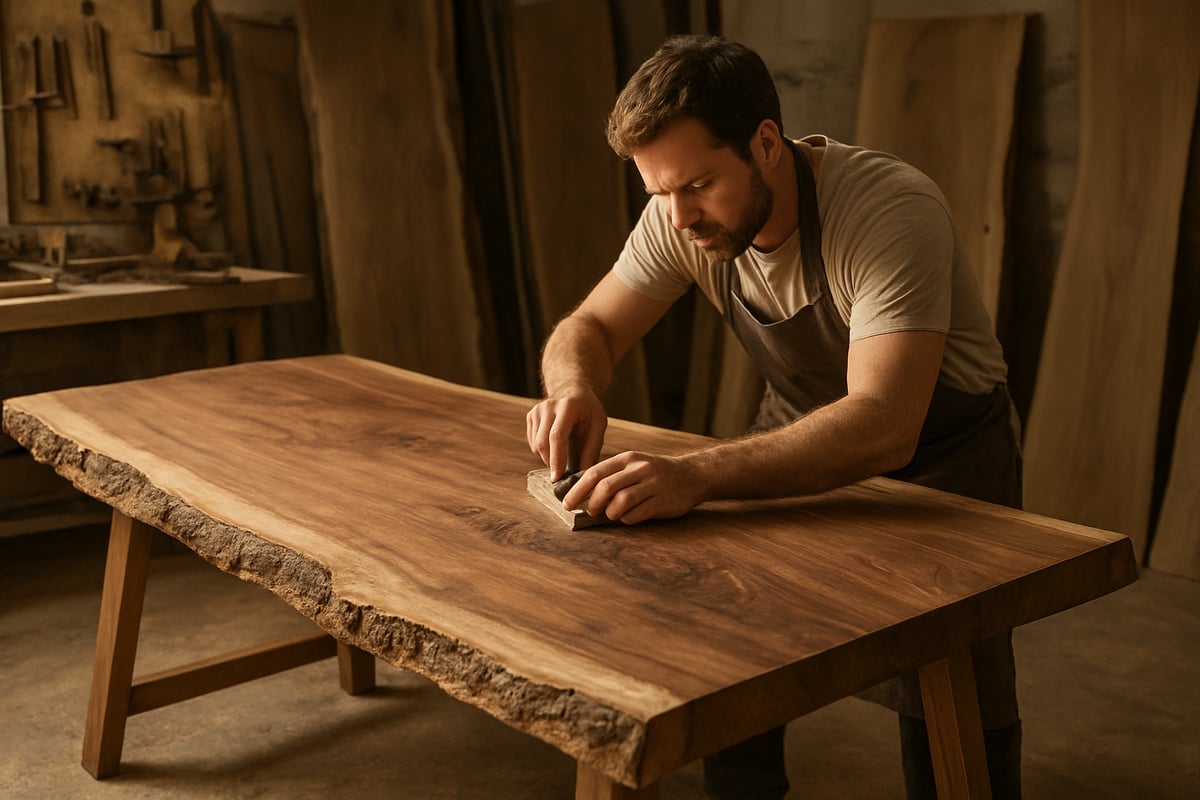
Furniture live edge refers to pieces that maintain the natural edge of the wood slab, rather than being cut into uniform, straight lines. This approach preserves the organic shapes, flowing contours, and visible grain that are unique to each tree. Some pieces retain the bark, while others have it removed for a smoother finish.
Key characteristics of furniture live edge include:
- Irregular, organic edges that follow the wood's natural form
- Prominent wood grain and figure
- Occasional bark inclusion or natural voids
Unlike traditional furniture styles, furniture live edge highlights imperfections and embraces the unpredictable beauty of nature. Each table, shelf, or bench becomes a statement of authenticity.
Historical Roots and Evolution
The origins of furniture live edge can be traced to the mid-20th-century woodworking movement. Designers such as George Nakashima championed this style, believing that wood should be celebrated for its inherent character rather than masked by uniformity.
Nakashima's philosophy influenced a generation of artisans who valued craftsmanship and sustainability. As environmental awareness grew, so did interest in furniture live edge, especially among those drawn to biophilic design—a trend that connects interior spaces with nature.
Over time, furniture live edge evolved from a niche craft to a sought-after design element. Today, its roots in tradition blend seamlessly with modern sensibilities.
The Craftsmanship Behind Each Piece
Crafting furniture live edge requires both technical skill and artistic vision. The process begins with careful slab selection, choosing wood that displays striking grain and a sturdy edge. Craftsmen then stabilize the piece, filling any voids and ensuring structural integrity.
Key steps in creating furniture live edge:
- Selecting unique wood slabs for color and grain
- Preserving the natural edge during shaping
- Applying finishes that protect and enhance the wood
Artisans may use oil, wax, or specialty finishes, always aiming to highlight the wood's character. The result is that every furniture live edge piece is truly one-of-a-kind, reflecting the hands and eyes of its maker.
Modern Appeal and Popularity
Today, furniture live edge resonates with those who appreciate organic aesthetics and a strong connection to nature. Its popularity has soared in both homes and commercial spaces, as people seek authenticity and warmth in their environments.
Recent data shows a 40 percent increase in Google searches for “live edge furniture” from 2023 to 2024, reflecting growing interest. Designers are integrating furniture live edge in open-plan living areas, offices, and boutique spaces. For a visual overview of current and upcoming styles, explore this Live Edge Furniture Trends gallery.
The unique lines and natural textures of furniture live edge make every installation a conversation starter.
Examples in Contemporary Design
Furniture live edge shines in a variety of applications, from grand dining tables and executive desks to floating shelves and coffee tables. Notable installations include luxury homes, modern offices, and upscale restaurants where a single piece can define the entire room.
Common uses for furniture live edge:
- Dining tables as focal points
- Desks and conference tables with organic edges
- Shelving and accent pieces in hospitality settings
The visual impact of furniture live edge is immediate, offering a blend of artistry, function, and timeless appeal.
Live Edge Furniture Trends for 2025: Styles, Finishes, and Applications
The world of furniture live edge design is evolving rapidly as we head into 2025. Homeowners, designers, and businesses are embracing the natural beauty and organic forms that set live edge pieces apart. This year’s trends highlight innovation in shape, material, and application, ensuring that furniture live edge remains a top choice for those seeking both artistry and functionality.
Trending Styles and Forms
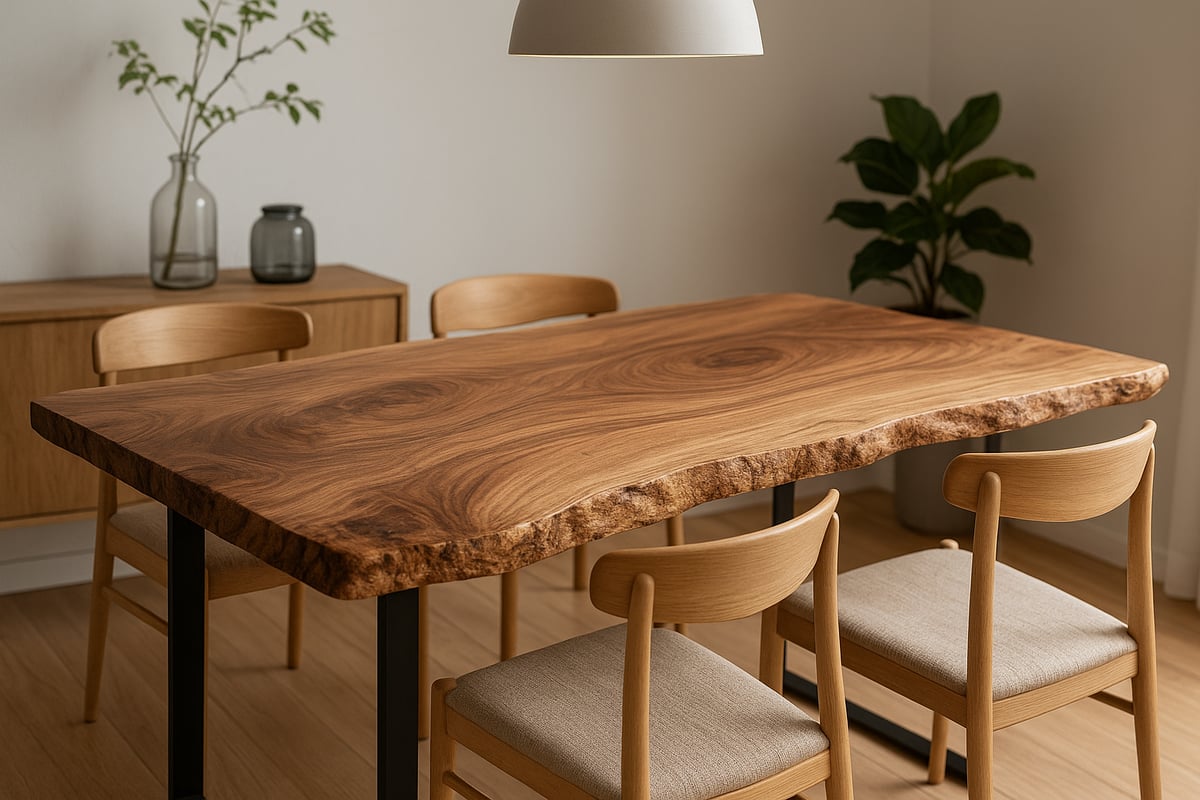
Minimalist and Scandinavian-inspired furniture live edge tables are at the forefront for 2025. Designers are pairing organic wood slabs with clean lines and simple bases, creating a harmonious blend of nature and modernity. Industrial influences are also popular, with metal legs and frames supporting the raw edges.
Custom shapes are gaining traction, from round and oval tables to asymmetrical designs that make each piece a focal point. Epoxy river inlays, where vibrant resin flows between two live edges, continue to captivate buyers. For deeper insights into these evolving styles, see the Live-Edge Design Trends Transforming Interiors in 2025.
Popular Wood Species for 2025
When it comes to material, walnut, maple, oak, and cherry remain the dominant choices for furniture live edge pieces. These woods offer rich grain patterns and durability. Sustainability is a primary concern, driving demand for reclaimed and locally sourced options.
Regional preferences are shaping the market, with certain species more prevalent in specific areas. The emphasis on eco-friendly sourcing ensures that each furniture live edge table is both beautiful and responsible.
Finishes and Surface Treatments
Finishes for furniture live edge in 2025 favor natural oils, which enhance the wood’s character while keeping the process environmentally friendly. Matte finishes are trending, offering a subtle, modern look that appeals to a wide audience.
Glossy surfaces, though less common, are used to amplify dramatic grain patterns. UV-resistant and water-repellent coatings are essential for durability, especially in high-traffic or commercial settings, making maintenance easier and extending the life of each furniture live edge piece.
Applications Across Home and Commercial Spaces
Furniture live edge is making a statement in both residential and commercial environments. Dining tables serve as centerpieces in open-plan homes, while desks and conference tables provide an organic touch to modern offices.
Shelving and accent pieces are popular in boutique retail and hospitality environments, offering function with a sculptural feel. Each application highlights the adaptability of furniture live edge, fitting seamlessly into a variety of design schemes.
Color and Texture Trends
Warm, earthy tones dominate the furniture live edge palette for 2025. Designers are pairing wood with materials like glass, steel, and stone to create visually engaging contrasts.
Texture is key, with smooth, polished tops contrasting against raw, tactile edges. This interplay draws attention to the craftsmanship and uniqueness of each furniture live edge creation, making every piece a conversation starter.
Data and Insights
Industry data underscores the momentum behind furniture live edge trends. Design forecasts from Houzz and Architectural Digest predict continued growth, with 60% of high-end retailers expanding their live edge lines.
Social media is fueling interest, as #LiveEdgeFurniture has surpassed one million posts on Instagram. The rising popularity demonstrates that furniture live edge is not just a fleeting trend but a lasting movement in interior design.
How to Choose the Perfect Live Edge Furniture for Your Space
Selecting the right furniture live edge piece can transform your space, adding character and natural beauty. To make an informed choice, consider your room size, intended function, and design preferences. Follow these practical steps to ensure your investment fits perfectly and stands the test of time.
Assessing Your Space and Needs
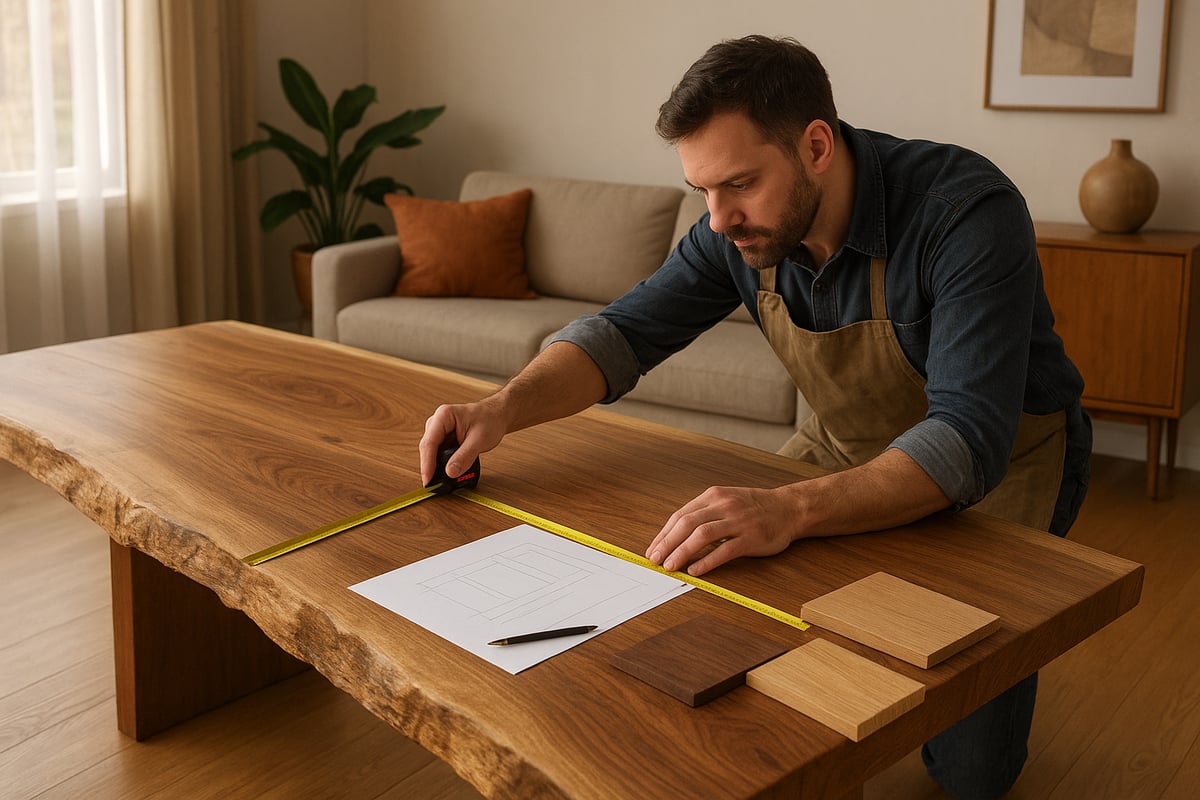
Begin by evaluating the available space. Measure carefully, accounting for the organic shapes that make furniture live edge unique. Unlike rectangular tables, live edge pieces often have irregular outlines, so allow extra room for movement.
Think about how you will use the furniture live edge piece. Is it a dining table for gatherings, a statement desk for your office, or a shelf for display? Consider the traffic flow and make sure chairs or accessories fit comfortably.
For sizing guidance, consult resources like the Table Sizing Guide for Live Edge, which provides expert advice on matching table dimensions to your room and seating needs.
Evaluating Wood Quality and Sourcing
The longevity of your furniture live edge selection depends on wood quality. Prioritize kiln-dried slabs, as these are less prone to warping and cracking compared to air-dried options.
Look for sustainably sourced and certified woods. Ask about the origin and harvesting practices to ensure your furniture live edge piece is environmentally responsible.
Inspect the slab for cracks, voids, and structural soundness. Minor imperfections add character, but avoid pieces with significant weaknesses that could impact durability.
Customization Options and Design Choices
Personalization is a major appeal of furniture live edge designs. Choose the slab thickness and edge style that best suit your taste, whether you prefer a bold, rugged profile or a more refined contour.
Select a base material that complements the wood. Metal, wood, and stone are popular choices for supporting furniture live edge pieces. Consider custom finishes or inlays for added distinction.
Collaborate with skilled artisans or furniture makers to create bespoke pieces. They can guide you through options for hardware, edge treatments, and protective coatings.
Budgeting and Price Factors
Furniture live edge pieces vary widely in price. Expect to pay between $2,000 and $10,000 or more for tables in 2025, depending on several factors.
| Factor | Impact on Price |
|---|---|
| Wood species | Premium species cost more |
| Size | Larger slabs increase price |
| Craftsmanship | Handcrafted is pricier than mass-produced |
| Customization | Unique designs and finishes add cost |
Weigh the long-term value of artisan-crafted furniture live edge items against mass-produced alternatives. Investment in quality often means greater durability and lasting appeal.
Practical Considerations
Consider the weight and logistics of transporting large furniture live edge pieces. Solid wood slabs can be heavy and may require professional delivery or assembly.
Plan for installation. Some pieces arrive fully assembled, while others may need on-site setup. Ask about maintenance requirements, such as periodic oiling or waxing, to keep your furniture live edge item in optimal condition.
Assess the long-term value and practicality for your lifestyle before making a final decision.
Example Scenarios
Imagine transforming a small dining room with a custom furniture live edge table. The organic edge brings warmth and a focal point, while careful sizing ensures it does not overwhelm the space.
Before-and-after photos from interior design projects highlight the dramatic effect of introducing furniture live edge elements. Homeowners frequently share testimonials about how these pieces spark conversations and elevate their rooms.
By following these guidelines, you can confidently select the perfect furniture live edge addition for your home or office, blending artistry, function, and timeless style.
Live Edge Furniture Care and Maintenance: Protecting Your Investment
Caring for your furniture live edge is essential to preserve both its beauty and value over time. With the right approach, you can ensure these unique pieces remain stunning focal points for years to come. Below, we outline proven strategies to keep your furniture live edge in optimal condition, from daily cleaning to long-term preservation.
Cleaning and Routine Maintenance
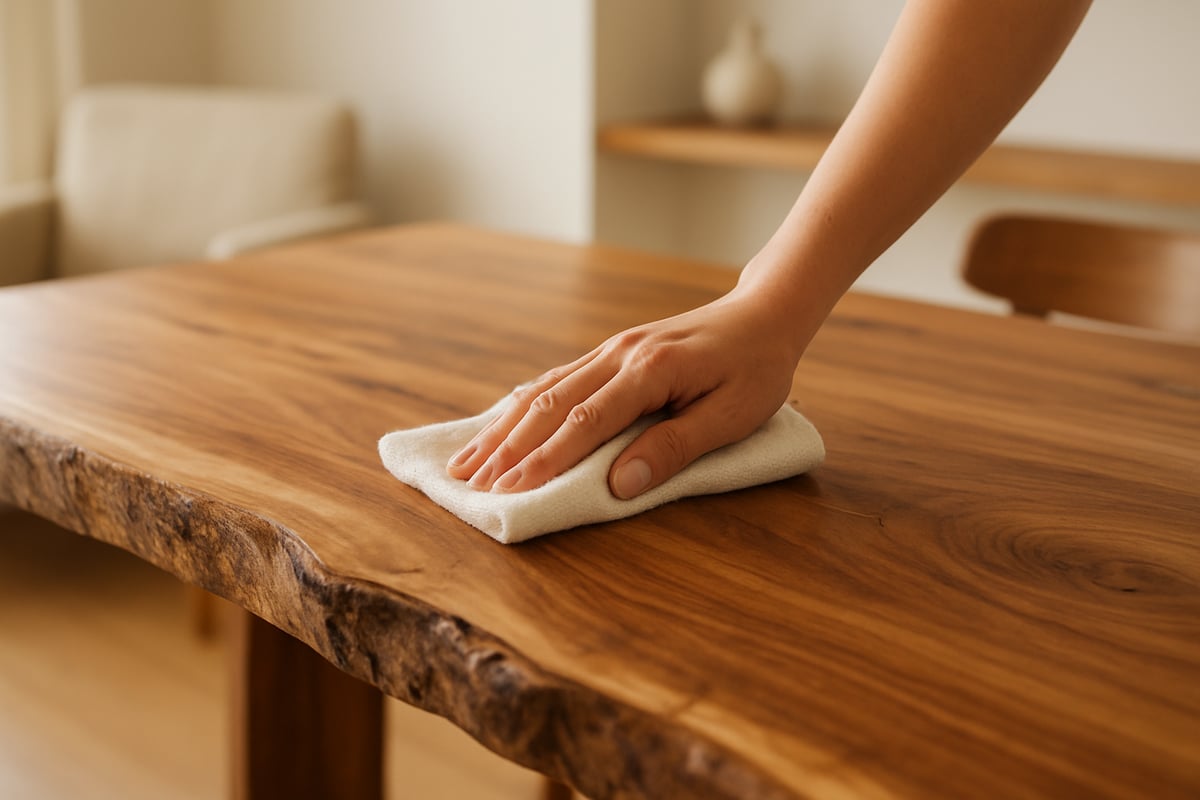
Routine cleaning is the foundation of preserving furniture live edge. Dust surfaces regularly using a soft, lint-free cloth. For deeper cleaning, use mild soap diluted in water and a damp cloth, gently wiping along the wood grain.
Avoid harsh chemicals or abrasive pads, which can damage the finish or wood fibers. Always dry the surface thoroughly after cleaning to prevent moisture buildup. Clean up spills immediately to avoid stains or warping, especially on unfinished or lightly finished tables. For more detailed tips, consult How to Maintain Live Edge Dining Tables for Longevity.
Preventing Damage and Wear
Protect your furniture live edge from everyday wear with a few simple precautions. Use coasters and placemats under glasses, dishes, and hot items to shield the wood from heat, moisture, and scratches. Table pads offer added protection during gatherings or heavy use.
Keep your furniture live edge out of direct sunlight, which can cause fading and cracks over time. Maintain consistent indoor humidity between 35% and 55% to prevent wood movement or splitting. Small adjustments like these can dramatically extend the life of your piece.
Addressing Scratches, Dents, and Repairs
Even with diligent care, your furniture live edge may develop minor scratches or dents. For small blemishes, use a DIY touch-up kit matched to your wood's finish. Apply gently and always test in an inconspicuous spot first.
Significant damage, such as deep scratches, cracks, or edge separation, may require professional refinishing. Skilled artisans can fill voids or stabilize edges without compromising your table’s unique character. Prompt attention to repairs will help maintain structural integrity and appearance.
Long-Term Preservation Tips
Annual oiling or waxing is recommended for furniture live edge finished with natural oils or waxes. This nourishes the wood and enhances its luster. Inspect your piece regularly for signs of movement, separation, or finish wear.
Rotate and reposition your furniture live edge occasionally to ensure even exposure to light and use. Consistent care routines, especially for large or heirloom pieces, can safeguard your investment for decades.
Data and Best Practices
According to user surveys, 80% of owners report that regular maintenance increases the longevity of furniture live edge. Leading manufacturers and care experts recommend:
- Dusting weekly
- Annual deep cleaning and oiling
- Immediate attention to spills and scratches
A maintenance schedule can be a helpful tool:
| Task | Frequency |
|---|---|
| Dusting | Weekly |
| Cleaning with soap | Monthly |
| Oiling/Waxing | Annually |
| Inspection for damage | Biannually |
Real-World Examples
Many homeowners have enjoyed their furniture live edge for generations by following these best practices. For instance, a family dining table, regularly oiled and kept away from direct sunlight, can retain its warmth and character for decades.
Common mistakes include neglecting humidity control or using harsh cleaners, which can lead to premature wear. By learning from these experiences, you can ensure your own furniture live edge remains an enduring centerpiece.
Incorporating Live Edge Furniture in Interior Design: Expert Tips and Inspiration
Integrating furniture live edge into your interior design brings a distinctive, organic touch that transforms any space. Its raw, natural lines invite authenticity and warmth, making it a sought-after choice for designers and homeowners alike. Whether your style is modern, rustic, or eclectic, there are endless ways to make furniture live edge the centerpiece of your room.
Matching Live Edge with Different Decor Styles
Furniture live edge adapts seamlessly to a variety of decor styles. In modern interiors, it offers contrast to sleek surfaces, while in rustic settings, it enhances the earthy ambiance. Industrial designs benefit from pairing live edge wood with metal accents, creating a harmonious blend of raw and refined elements.
- Modern: Sleek bases, minimalist surroundings
- Rustic: Complementary woods, natural textiles
- Industrial: Steel, concrete, exposed beams
Pairing furniture live edge with stone, leather, or wool adds depth and texture. To prevent visual clutter, balance organic forms with clean lines and neutral palettes.
Creating Focal Points and Statement Spaces
Using furniture live edge as a focal point can elevate a room instantly. A live edge dining table draws the eye and encourages conversation, making it ideal for social spaces. In a living room, a coffee table or console with a raw edge becomes functional art.
Position your furniture live edge piece where it can be admired from multiple angles. Accent lighting, such as pendant lamps or spotlights, will highlight the wood grain and natural edge, enhancing its visual impact. The right placement ensures the piece stands out without overwhelming the room.
Mixing and Layering for Visual Interest
Layering textures and materials around furniture live edge boosts visual interest and comfort. Combine a live edge table with upholstered seating or metal-framed chairs for contrast. Glass surfaces and metal accents can modernize the look, while woven rugs and cushions add softness.
To achieve cohesion in open-plan layouts, repeat wood tones in shelving or accessories. For more practical tips and current trends on blending live edge with various elements, visit Styling Live-Edge Furniture in Modern Homes: 5 Trends & Tips for 2025.
Commercial and Office Applications
Furniture live edge is increasingly popular in commercial spaces. Conference tables with live edge surfaces foster creativity and collaboration in modern offices. Reception desks or communal tables in hospitality environments bring a welcoming, organic feel.
Businesses use furniture live edge to reinforce branding and ambiance. Each piece’s uniqueness lends character to restaurants, boutique hotels, and coworking spaces. Consider durability and finish when selecting pieces for high-traffic areas, ensuring the design remains both functional and striking.
Sourcing and Customization for Design Projects
Working with skilled artisans or specialized workshops is key to sourcing the right furniture live edge for your project. Customization options include choosing wood species, edge profiles, and base styles to match your vision. Collaboration between interior designers and makers ensures the final piece fits the space perfectly.
- Local workshops: Personalized service, unique slabs
- Commissioned pieces: Tailored size, shape, and finish
- Design partnerships: Seamless integration into larger projects
This approach guarantees your furniture live edge is both functional and one of a kind.
Data and Trends
The demand for furniture live edge continues to rise, with recent surveys showing 55 percent of designers now recommend live edge for a natural luxury aesthetic. Social media platforms are buzzing with inspiration, as #LiveEdgeFurniture surpasses one million posts on Instagram.
| Trend | 2025 Data Point |
|---|---|
| Designer Adoption | 55% recommend live edge |
| Social Media Posts | 1M+ on Instagram |
| Retailer Expansion | 60% adding live edge lines |
Notable projects in hotels, restaurants, and creative offices underscore the versatility and prestige of furniture live edge.
Visual Inspiration and Examples
For tangible ideas on applying furniture live edge, explore real-world examples and designer insights. Dining tables, desks, and shelving crafted from live edge wood serve as statement pieces in both residential and commercial settings.
Mood boards and photo galleries, such as those featured in Live Edge Dining Table Inspiration, showcase diverse applications. Designer interviews offer tips for first-time buyers, while before-and-after images reveal the transformative power of furniture live edge in a variety of interiors.
As you explore the possibilities that live edge furniture brings to both home and office spaces, it’s clear how much a custom piece can transform the feel and function of any room. Whether you’re envisioning a statement dining table or a functional centerpiece for your workspace, the right guidance makes all the difference. If you’re ready to bring your ideas to life or just need some expert advice on choosing the perfect live edge piece, let’s make the next step easy.
Get Design Help
and start creating furniture that truly reflects your style and needs.