
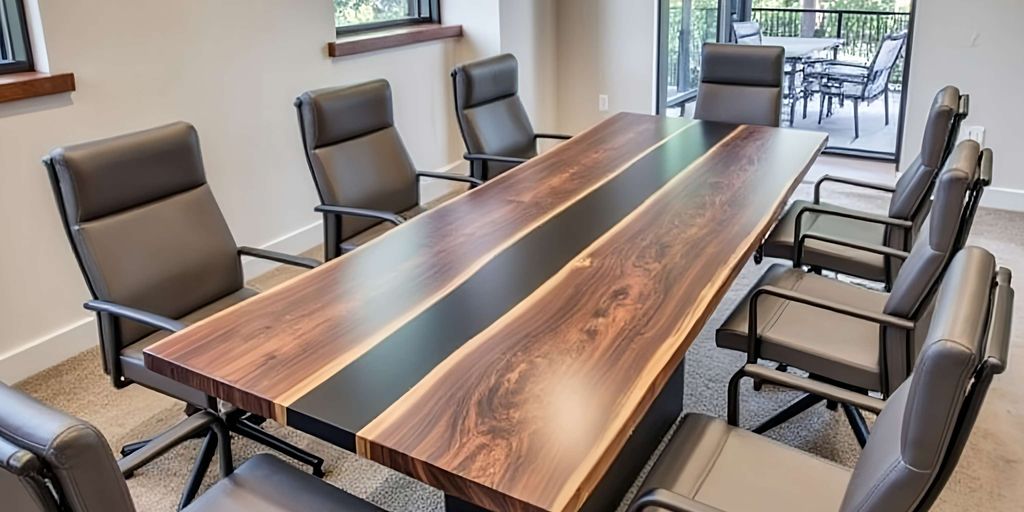
Choosing the right conference table for your financial institution is no small task. It’s not just about finding something that looks good; you need to think about how it will function in your space and support your team’s needs. This guide will help you figure out what to consider when picking a conference table, from size and shape to materials and technology. Let’s dive in and explore how to choose a conference table for a financial institution that fits your unique requirements.
Key Takeaways
- Identify the primary use of the conference table to determine size and shape.
- Measure your room carefully to ensure the table fits comfortably without crowding the space.
- Select materials that reflect your brand and are durable enough for regular use.
- Prioritize comfort with ergonomic seating and features that accommodate all users.
- Establish a budget that balances quality and cost while considering future needs.
Understanding Your Conference Room Needs
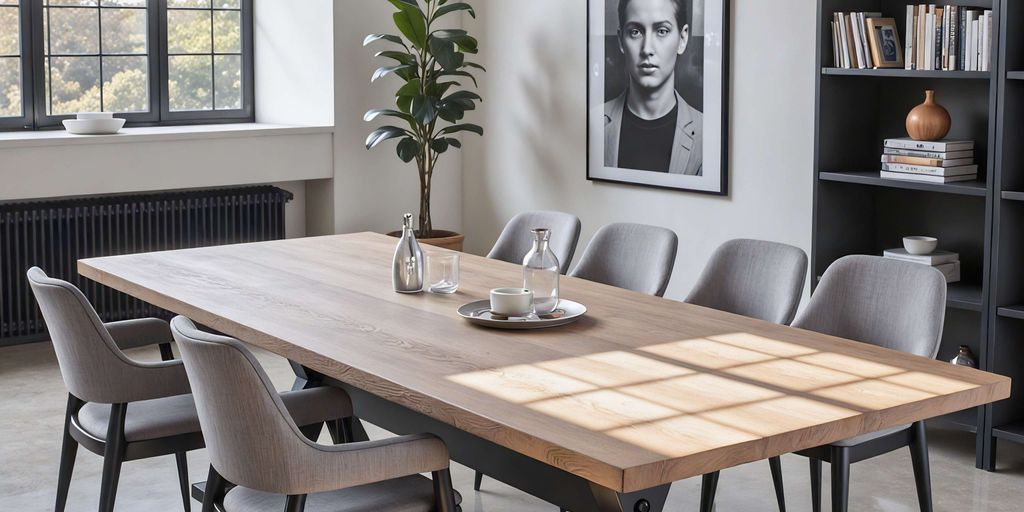
Before you even start browsing for tables, let’s nail down what you really need. It’s easy to get caught up in fancy designs, but the most important thing is that your conference table fits your institution’s specific requirements. Think of it like this: a well-chosen table can boost productivity and collaboration, while a poorly chosen one can be a constant source of frustration. So, let’s get it right!
Identifying the Purpose of the Table
What will this table actually be used for? Is it for formal board meetings, client presentations, team collaborations, or a mix of everything? The primary use will heavily influence the size, shape, and features you need. For example, if it’s mostly for collaborative conversations, a round meeting table might be a good choice to encourage a more casual setting. If it’s for presentations, you’ll want something longer, banquet-style, that can seat a larger group. Consider these points:
- Formal board meetings
- Client presentations
- Team collaborations
- Training sessions
Assessing Room Layout and Dimensions
Measure your space! This seems obvious, but it’s critical. You need to know the exact dimensions of your conference room, taking into account doorways, windows, and any existing furniture. Don’t just think about the table itself; consider the space around it. People need to be able to move around comfortably, pull out chairs, and access outlets without tripping over each other. A modern conference room tables should fit the room, not the other way around.
Considering Future Growth and Flexibility
Think long-term. Is your financial institution expecting to grow in the next few years? If so, you might want to consider a table that can be expanded or reconfigured. Modularity is key here. A modular table allows you to add sections as needed, accommodating more people without having to replace the entire thing. Also, think about the potential need for different layouts. Will you ever need to rearrange the room for training sessions or special events? If so, a lighter table or one with wheels might be a good idea.
Evaluating Size and Shape Options
Choosing the Right Dimensions
Okay, so you’re thinking about size. Makes sense! The size of your conference table is super important. You don’t want people crammed in like sardines, but you also don’t want a table so big it feels like everyone’s shouting across a football field. Think about the usual number of attendees. Is it mostly small team meetings, or do you regularly host larger groups?
Here’s a quick guide:
- Small meetings (4-6 people): 6-8 feet long
- Medium meetings (8-10 people): 8-12 feet long
- Large meetings (12+ people): 12+ feet long
Don’t forget to measure your room! You need enough space around the table for people to move around comfortably. A good rule of thumb is to leave at least 3 feet of space between the table and the walls.
Exploring Different Table Shapes
Shapes matter! A rectangular table is classic and works well for presentations, but it can feel a bit formal. Round tables are great for collaboration and making everyone feel equal. Oval or boat-shaped tables offer a nice compromise, adding a touch of elegance while still promoting conversation. Consider the primary use of the room. Is it for formal board meetings, collaborative brainstorming, or a mix of both?
Balancing Aesthetics and Functionality
It’s tempting to pick a table based purely on looks, but remember it needs to be functional too. A glass table might look amazing, but is it practical for everyday use? Will it show every fingerprint and smudge? A huge, ornate table might impress clients, but will it dominate the room and make it feel cramped? Think about the overall aesthetic you’re going for, but don’t sacrifice usability.
Finding the right balance between looks and practicality is key. You want a table that reflects your brand and creates a positive impression, but it also needs to be comfortable, functional, and easy to maintain.
Selecting Quality Materials
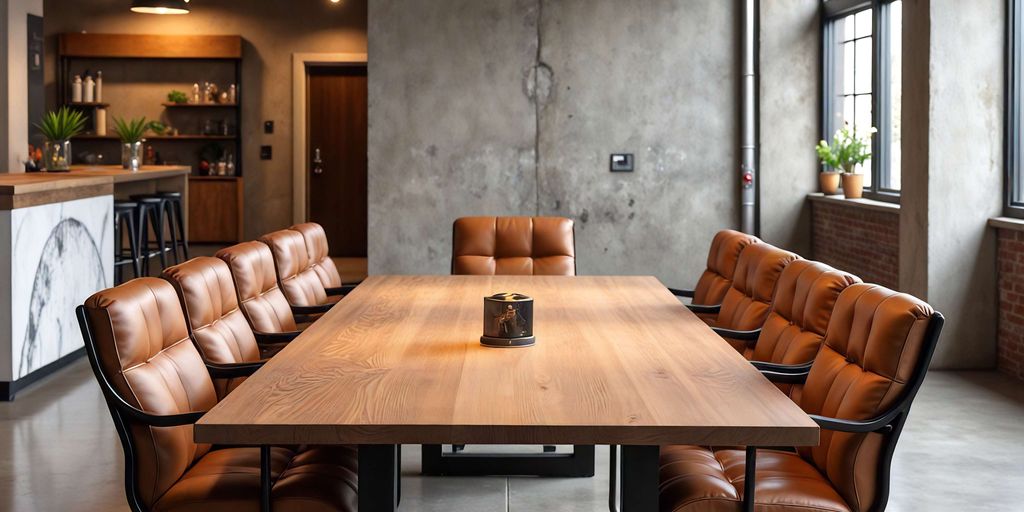
Okay, so you’ve figured out the size and shape, now it’s time to talk materials. This is where you really get to decide what kind of statement you want to make. The material of your conference table impacts its look, feel, durability, and even how easy it is to keep clean. Let’s break down some popular choices.
Comparing Wood, Glass, and Laminate
Each material brings something different to the table (pun intended!). Wood offers a classic, warm feel, while glass screams modern and sleek. Laminate is often the budget-friendly, practical option. Here’s a quick rundown:
- Wood: Think traditional, high-end. Mahogany or walnut can give a really impressive look. But wood needs care; it can scratch and stain.
- Glass: Super contemporary. Easy to clean, but fingerprints are a constant battle. Plus, glass can feel cold and isn’t always the most practical for heavy use.
- Laminate: Durable and affordable. Laminate has come a long way in terms of looks. You can find some really nice options that mimic wood or stone, but it won’t have the same feel as the real thing.
Understanding Durability and Maintenance
Think about how much use this table will get. A conference room that’s constantly booked needs a more durable surface than one that’s only used occasionally.
- Durability: Laminates are scratch-resistant. Wood can be refinished, but glass? Once it’s scratched, it’s scratched.
- Maintenance: Glass and laminate win here. A quick wipe down and you’re good to go. Wood needs regular polishing and care to prevent damage.
Consider the long-term costs. A cheaper material might save you money upfront, but if it needs replacing sooner, you’ll end up spending more in the long run.
Choosing Materials That Reflect Your Brand
The conference table is a reflection of your institution. A financial institution aiming for a modern, tech-forward image might choose glass or a sleek laminate. A more traditional firm might opt for a beautiful wood table. Think about the message you want to send to clients and employees. The material you choose plays a big part in that.
Prioritizing Ergonomics and Comfort
Let’s be real, no one wants to sit through a long meeting in a conference room that feels like a medieval torture chamber. Making sure your conference table setup is comfy and ergonomic is super important, not just for employee well-being, but also for productivity. A comfortable team is a happy and productive team!
Ensuring Comfortable Seating Arrangements
Think about the space each person needs. Cramming everyone in like sardines isn’t going to cut it. Make sure there’s enough elbow room so people aren’t bumping into each other while taking notes or using their laptops. Consider the following:
- Adequate space between chairs.
- Sufficient legroom under the table.
- Easy access to the table surface.
Incorporating Adjustable Features
Adjustability is key. Not everyone is the same size, so having features that can be tweaked to fit different body types is a big plus. Adjustable height tables are awesome, but even adjustable chairs can make a huge difference. Here’s a quick rundown:
- Adjustable chair height.
- Adjustable armrests.
- Adjustable lumbar support.
Selecting Chairs That Complement the Table
The chairs you choose should not only be comfortable but also complement the table’s height and style. A chair that’s too low or too high can throw off the whole ergonomic setup.
It’s a good idea to test out different chair and table combinations to see what works best. Consider things like back support, seat cushioning, and overall design. You want chairs that encourage good posture and don’t cause discomfort after extended periods of sitting.
Incorporating Technology and Power Solutions
It’s 2025, and a conference table isn’t just a surface anymore; it’s a tech hub. Think about how often laptops, tablets, and phones are used in meetings. Making sure your conference table is ready for all that tech is super important. Let’s look at how to make it happen.
Planning for Cable Management
Ugh, cables. Nobody likes a tangled mess of cords. Good cable management is key to a clean and professional look. Think about where people will be sitting and where their devices will need to plug in. Consider these options:
- Cable trays under the table to keep cords off the floor.
- Grommets or cable ports built into the table surface.
- Cable ties or sleeves to bundle cords together.
A well-organized cable setup not only looks better but also prevents tripping hazards and makes it easier to troubleshoot any tech issues during a meeting.
Integrating Power Outlets
Running out of battery in the middle of a presentation? No thanks! Built-in power outlets are a must. Here’s what to consider:
- Number of Outlets: How many people will typically be using the table at once? Make sure there are enough outlets for everyone.
- Placement: Strategically place outlets so they’re easily accessible but not in the way. Pop-up outlets or those integrated into the table’s edge are great options. You might want to consider desk power boards for additional flexibility.
- Types of Outlets: Don’t forget USB ports for charging phones and tablets!
Ensuring Accessibility for All Users
Accessibility is more than just a nice-to-have; it’s a necessity. Make sure everyone can comfortably use the table, regardless of their needs. Here are some things to keep in mind:
- Sufficient Legroom: Ensure there’s enough space under the table for people using wheelchairs or those who need extra legroom.
- Easy Access to Outlets: Outlets should be within easy reach for everyone.
- Adjustable Height (Optional): If possible, consider a table with adjustable height to accommodate different needs. This can be a great feature for promoting comfort and inclusivity. Also, consider exploring options for cable management to keep the area tidy and safe for everyone.
Aligning with Your Brand’s Aesthetic
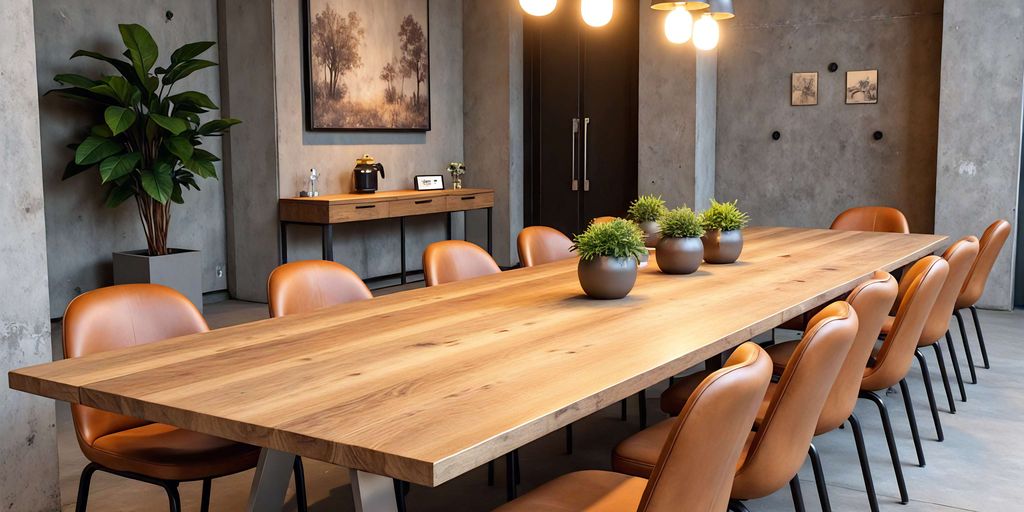
It’s easy to overlook the importance of how your conference table looks, but it really does matter. The conference room is often where important decisions are made and where you meet with clients. You want it to reflect well on your financial institution. Let’s explore how to make sure your conference table fits your brand.
Choosing a Style That Represents Your Institution
Think about what kind of message you want to send. Is your institution modern and innovative, or more traditional and stable? The style of your conference table should match that image. A sleek, minimalist table might be perfect for a tech-forward company, while a large, wooden table could suit a more established firm. Consider the overall design of your office space. Does the table fit in, or does it stick out like a sore thumb? You want a cohesive look that reinforces your brand identity. If you need help deciding, you can discover conference table sets that are designed to fit any office.
Considering Color and Finish Options
Color and finish play a big role in the overall aesthetic. Dark wood finishes often convey a sense of authority and tradition, while lighter colors can make the room feel more open and modern. Metal accents can add a touch of sophistication.
- Consider the existing color palette of your office.
- Think about how the color will affect the mood of the room.
- Don’t be afraid to use color to make a statement, but make sure it’s in line with your brand.
Creating a Cohesive Look with Other Furniture
Your conference table shouldn’t be the only piece of furniture in the room. Make sure the chairs, cabinets, and other items complement the table’s style and finish. Consistency is key to creating a professional and polished look. If you have a modern table, choose chairs with clean lines and simple designs. If your table is more traditional, opt for chairs with more ornate details. The goal is to create a space where everything works together to reinforce your brand’s message. You can also consider the right dimensions for your conference room to ensure a cohesive look.
Budgeting for Your Conference Table
Determining Your Price Range
Okay, let’s talk money. Before you even start browsing, figure out how much you can realistically spend. It’s easy to get carried away when you see those fancy executive tables, but sticking to a budget will save you headaches later. Consider what’s a need versus a want. Do you absolutely need that exotic wood finish, or can you get away with a more budget-friendly laminate? Think about the long-term value too. A cheaper table might need replacing sooner, costing you more in the long run.
Balancing Cost with Quality
Finding that sweet spot between price and quality is key. You don’t want to go for the absolute cheapest option and end up with a wobbly table that looks like it’s about to fall apart. But you also don’t need to break the bank for a table that’s overkill for your needs. Read reviews, compare materials, and don’t be afraid to ask questions about the construction and warranty. A good quality table should last for years, making it a worthwhile investment. Think about the conference table size you need, as this will impact the price.
Exploring Financing Options
If you’re looking at a higher-end table or outfitting multiple conference rooms, don’t forget to explore financing options. Some furniture suppliers offer payment plans or leasing options that can make it easier to manage the upfront cost.
Consider whether leasing or financing makes sense for your institution. Sometimes, spreading the cost over time can be easier on your budget, especially if you’re a growing company with other immediate investment needs.
Also, check if there are any tax benefits or incentives for purchasing office furniture. Every little bit helps!
When planning your budget for a conference table, it’s important to think about what you need and how much you can spend. Start by deciding on the size and style of the table that fits your space and purpose. Don’t forget to include costs for delivery and setup. For more tips on choosing the right conference table for your needs, visit our website today!
Wrapping It Up
Choosing the right conference table for your financial institution doesn’t have to be a headache. Just remember to think about your space, how many people will use it, and what kind of vibe you want to create. Take your time to weigh your options on size, shape, and materials. And hey, if you’re looking for something that really stands out, check out what Fargo Woodworks has to offer. Their handcrafted tables are not just functional but also add a touch of elegance to any room. So, whether you’re hosting big meetings or casual brainstorming sessions, you’ll want a table that fits your needs perfectly. Happy table hunting!
Frequently Asked Questions
What should I consider when choosing a conference table for my financial institution?
Think about the purpose of the table, how many people will use it, and the size of your conference room. Also, consider what your future needs might be.
What size and shape of conference table is best for my space?
The right size depends on your room’s dimensions and how many people you want to seat. Rectangular tables are common, but round or oval shapes can help with communication.
What materials are best for a conference table?
You can choose from wood, glass, or laminate. Each material has its own look and feel, so pick one that fits your style and is easy to maintain.
How can I ensure comfort at my conference table?
Make sure to have comfortable chairs and consider tables that can adjust in height. This helps everyone feel good during long meetings.
What technology features should I include with my conference table?
Look for tables that have built-in power outlets and good cable management. This keeps everything organized and allows everyone to easily connect their devices.
How can I stay within my budget when buying a conference table?
Set a clear price range before you shop. Remember to balance cost with quality to get a table that lasts without overspending.