
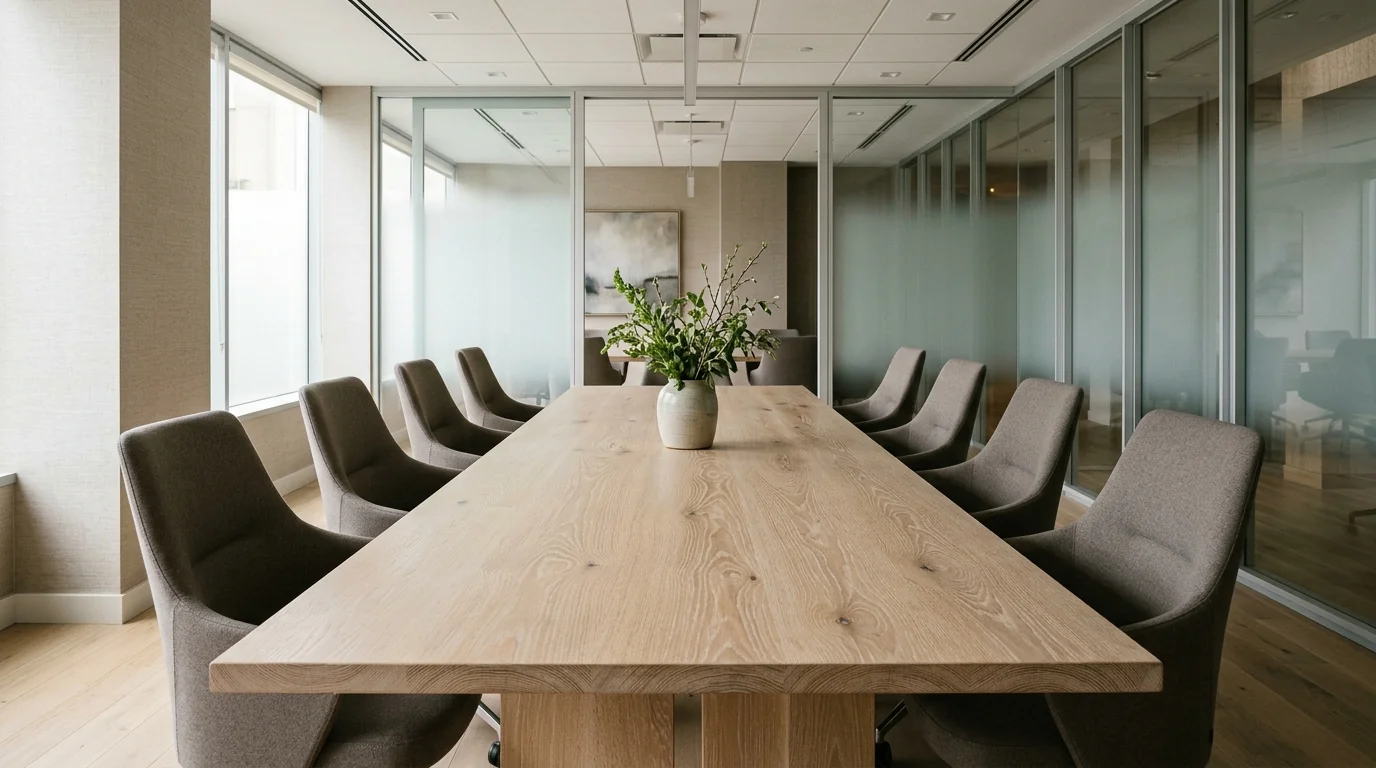
Selecting the right conference table for a healthcare facility requires careful consideration of both functionality and design. We understand that healthcare environments demand furniture solutions that support collaboration while adhering to strict cleanliness standards and space constraints.
When choosing a conference table for medical settings, we need to evaluate several key factors: material durability, ease of disinfection, size appropriateness, and how it integrates with your facility’s existing aesthetic. A thoughtfully selected conference table won’t just serve as a meeting place—it’ll enhance communication among healthcare professionals and ultimately contribute to improved patient care outcomes.
Understanding Healthcare Facility Conference Room Needs
Healthcare facilities require conference rooms that address unique operational requirements while supporting professional collaboration. These specialized environments demand careful consideration of both practical functionality and appropriate design elements to ensure effective meetings and discussions among healthcare professionals.
Balancing Function and Aesthetics in Medical Settings
Healthcare conference rooms strike a delicate balance between clinical functionality and professional aesthetics. The space must incorporate antimicrobial surfaces that withstand rigorous cleaning protocols without sacrificing visual appeal. Materials like solid surface, high-pressure laminate, and metal-infused composites offer both infection control benefits and design flexibility. Color schemes typically align with the facility’s branding while maintaining a calming, professional atmosphere that reduces visual fatigue during lengthy meetings. Facilities often integrate technology within the table design, including flush-mounted charging stations, cable management systems, and connectivity ports that don’t interfere with cleaning protocols.
Accommodating Various Meeting Types
Healthcare facilities host diverse meeting formats requiring adaptable conference spaces. Clinical team huddles benefit from round or semi-circular tables that promote equality in communication, while administrative board meetings typically utilize rectangular or boat-shaped tables with clear sightlines. Training sessions and educational meetings work best with modular table systems that can be reconfigured as needed. Patient care conferences, where sensitive information is discussed, require tables positioned to maximize privacy and minimize visual exposure to doorways or windows. The table configuration must also accommodate interdisciplinary collaborations, with sufficient space for various specialists, support staff, and occasionally patient family members to gather comfortably around visual aids or digital displays.
Essential Features for Healthcare Conference Tables

Healthcare conference tables require specialized features that support both clinical functionality and professional collaboration. These tables serve as the centerpiece for critical discussions about patient care, administrative decisions, and interdisciplinary teamwork.
Infection Control and Cleanability
Infection control represents the most critical feature for healthcare conference tables. Tables must have non-porous surfaces that prevent bacteria harboring and withstand frequent disinfection with hospital-grade cleaners. Smooth, seamless construction eliminates joints where pathogens might accumulate, while antimicrobial properties in materials like copper-infused laminates or specialized coatings provide an additional layer of protection. Tables with minimal texture and rounded edges are easier to clean thoroughly, supporting the facility’s infection prevention protocols.
Durability and Material Considerations
Healthcare conference tables face intense daily use and must maintain their appearance despite exposure to harsh cleaning chemicals. High-pressure laminates offer excellent chemical resistance and dimensional stability, while solid surfaces like Corian provide exceptional durability without visible seams. Edge banding techniques create smooth, impervious borders that won’t peel or deteriorate with repeated cleaning. Materials that resist scratching, staining, and impact damage ensure the table remains professional-looking throughout its extended lifecycle, delivering greater value and reduced replacement frequency.
Technology Integration Options
Modern healthcare discussions rely heavily on technology for data sharing and remote collaboration. Conference tables designed for healthcare settings include integrated power outlets, data ports, and cable management systems that keep connections accessible yet organized. Embedded charging stations support mobile devices while maintaining a clean aesthetic. Tables with built-in media sharing capabilities facilitate seamless presentations of patient information, research findings, and administrative data. Effective technology integration supports HIPAA compliance by enabling secure information sharing while eliminating the clutter of temporary power solutions and exposed cables.
Size and Shape Considerations

Selecting the appropriate size and shape for a healthcare facility conference table directly impacts collaboration efficiency and space utilization. The dimensions and configuration of your table must accommodate both the physical constraints of your space and the functional needs of healthcare teams.
Space Planning for Healthcare Settings
Healthcare facilities require careful space planning when selecting conference tables. A standard rule is to allocate 30-36 inches of table edge per person to ensure comfortable seating without overcrowding. For example, a 12-foot rectangular table comfortably seats 10-12 healthcare professionals. Always measure your room dimensions and leave at least 42 inches of clearance between the table edge and walls or other furniture to allow for chair movement and accessibility compliance. U-shaped and V-shaped configurations work well in educational settings where presenters need to interact with clinical staff, while round tables (48-60 inches in diameter) create more egalitarian environments for interdisciplinary team discussions of 4-6 people.
Promoting Effective Communication
The shape of your conference table significantly influences communication dynamics in healthcare settings. Rectangular tables create clear hierarchies, making them ideal for board meetings or administrative discussions where leadership positions are defined. Circular or oval tables eliminate “head of table” positions, encouraging equal participation from all medical team members during treatment planning or case reviews. Boat-shaped tables represent an excellent compromise, combining the space efficiency of rectangular designs with improved visibility across the table. For larger healthcare facilities with variable needs, modular table systems offer the flexibility to reconfigure from boardroom setups to classroom-style arrangements, adapting to different collaborative requirements from morning rounds to department meetings.
Accessibility and Compliance Requirements
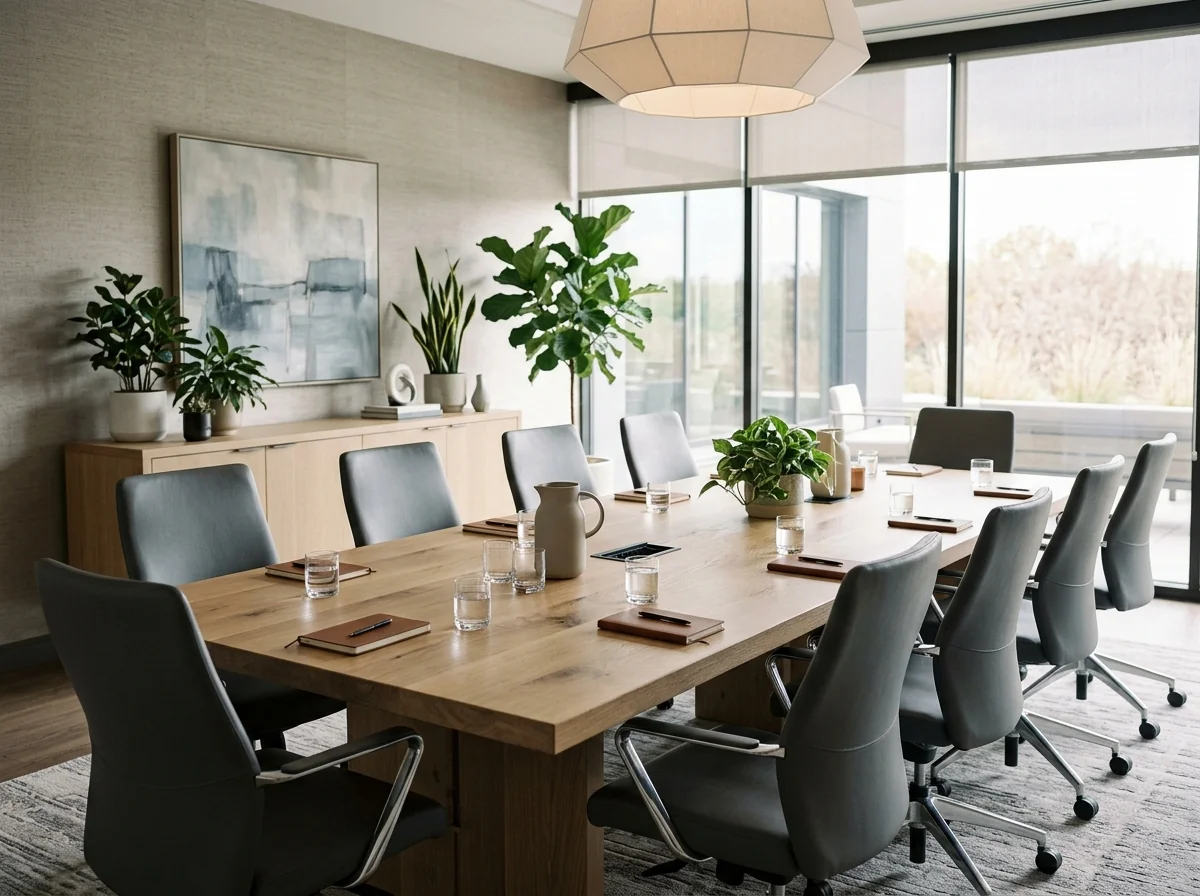
Implementing accessibility standards in healthcare conference spaces isn’t just good practice—it’s a legal requirement. Healthcare facilities must ensure their meeting environments accommodate all users while adhering to specific regulations that govern medical settings.
ADA Guidelines for Conference Furniture
ADA compliance shapes every aspect of conference table selection for healthcare facilities. Tables must provide a minimum 27-inch knee clearance height and 30-inch width per wheelchair user, with table surfaces positioned between 28-34 inches from the floor. Edge treatments require smooth, rounded profiles to prevent injury, while table legs or bases must be positioned to avoid creating obstacles. Materials need appropriate color contrast to assist users with visual impairments, and all tables must allow for a 60-inch turning radius for wheelchairs. These requirements aren’t optional—healthcare facilities face potential legal ramifications and financial penalties for non-compliance with these accessibility standards.
Supporting Diverse User Needs
Healthcare conference tables must accommodate the diverse needs of all facility users, including staff, patients, and visitors with varying abilities. Tables with adjustable height mechanisms support users of different statures and those using mobility devices. Contrasting edge banding on tabletops helps individuals with visual impairments identify boundaries, while tables with recessed bases prevent tripping hazards. Consider tables with smooth-operating extensions that accommodate fluctuating group sizes without creating accessibility barriers. For healthcare settings serving specialized populations, such as geriatric or rehabilitation facilities, additional adaptations might include surfaces with reduced glare and enhanced stability features. These inclusive design considerations create environments where all stakeholders can participate fully in healthcare discussions and decision-making processes.
Budget Planning and Long-Term Value
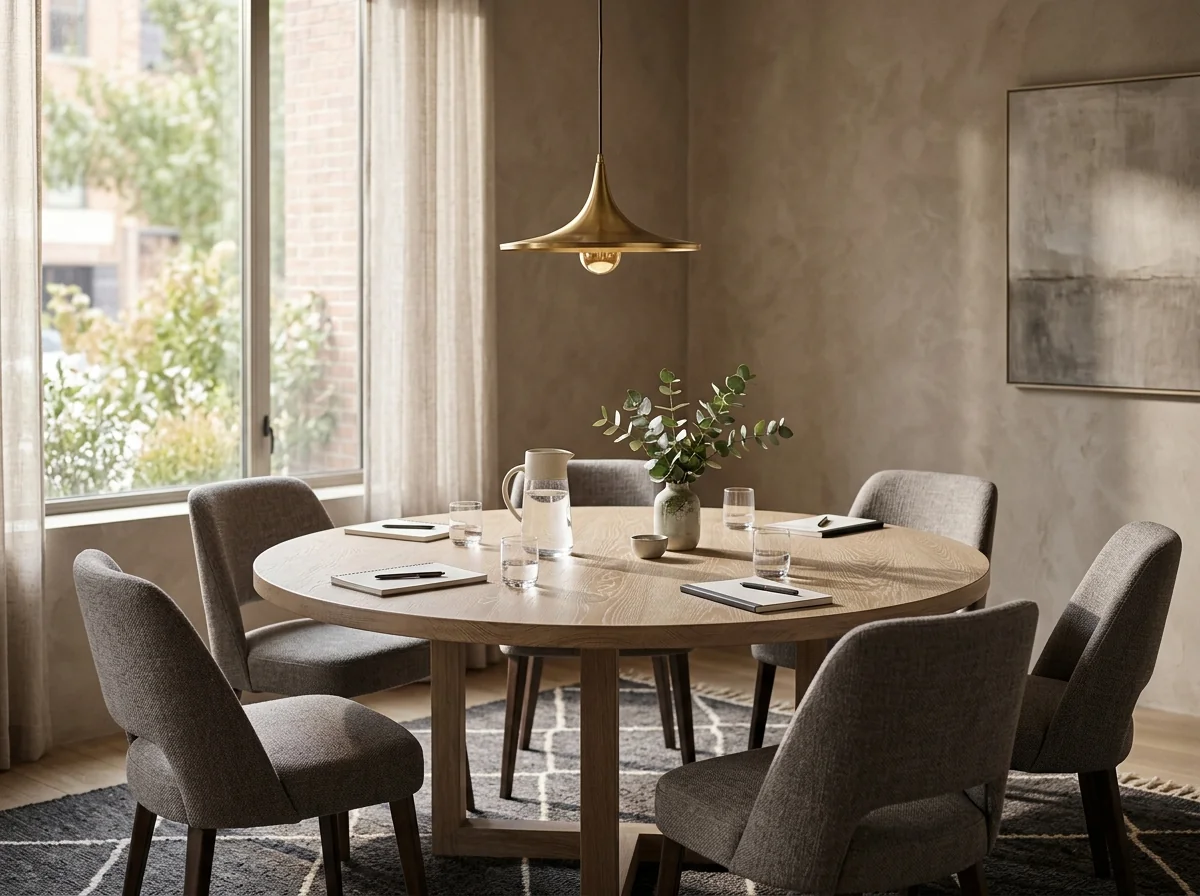
Healthcare facility budgets require strategic allocation when investing in conference tables that balance immediate costs with long-term value. Making informed financial decisions involves understanding both upfront expenses and the extended lifecycle costs of different table options.
Initial Investment vs. Lifecycle Costs
Conference tables for healthcare settings represent a significant capital investment that extends beyond the purchase price. Premium antimicrobial surfaces and healthcare-grade materials typically command higher initial costs but deliver substantial savings over time. For example, a $5,000 high-quality laminate table with antimicrobial properties may last 15+ years in a healthcare environment, while a $2,000 standard commercial table might require replacement within 5 years due to material degradation from rigorous cleaning protocols.
The true cost equation includes factors like:
- Replacement frequency based on material durability
- Cleaning supply compatibility and potential surface damage
- Staff time required for maintenance and sanitization
- Downtime costs during replacement or repairs
- Infection control effectiveness and potential healthcare-associated infection reduction
Healthcare-specific tables with seamless construction, specialized edge treatments, and cable management systems prevent contamination in ways that standard office furniture cannot, justifying their premium pricing through extended usability and reduced infection risk.
Warranty and Maintenance Considerations
Warranty coverage varies significantly among conference table manufacturers, with healthcare-specific providers typically offering more comprehensive protection. Leading healthcare furniture companies provide warranties ranging from 10-15 years on structural components and 5-7 years on surfaces and mechanisms, compared to standard 1-3 year warranties from general office suppliers.
Critical warranty features to evaluate include:
- Coverage for damage from healthcare-grade disinfectants
- Policy on seam failure or delamination
- Replacement parts availability timeframe
- On-site service options to minimize disruption
- Transfer rights if facility ownership changes
Maintenance requirements directly impact operational costs, making low-maintenance options more economical despite higher acquisition costs. Tables designed specifically for healthcare environments typically feature materials that withstand thousands of cleaning cycles without degradation. This resilience translates to fewer maintenance requests, reduced replacement parts, and lower overall lifecycle expenses.
When comparing options, request documentation of testing cycles with healthcare-approved disinfectants to verify long-term performance claims. Manufacturers with healthcare expertise often provide detailed maintenance protocols that align with infection control requirements while preserving warranty coverage.
Key Takeaways
- Healthcare conference tables require non-porous, antimicrobial surfaces that can withstand frequent disinfection with hospital-grade cleaners while maintaining a professional appearance.
- The right table shape influences communication dynamics – rectangular tables establish hierarchy for administrative meetings, while round tables promote equal participation for collaborative clinical discussions.
- ADA compliance is mandatory, requiring 27-inch knee clearance, 28-34 inch table height, and sufficient space for wheelchair accessibility to avoid legal penalties.
- Technology integration features like built-in power outlets, cable management, and media sharing capabilities support HIPAA-compliant information sharing in healthcare settings.
- When budgeting, consider lifecycle costs over initial investment – healthcare-specific tables command higher upfront costs but offer 15+ year lifespans compared to 5 years for standard commercial options.
Conclusion
Selecting the right conference table for your healthcare facility demands careful consideration of several critical factors. By prioritizing antimicrobial materials ease of disinfection and durability you’ll create a space that supports both clinical excellence and professional collaboration.
Don’t overlook the importance of ADA compliance technology integration and appropriate sizing to ensure your conference space serves all stakeholders effectively. Remember that the right table isn’t just furniture—it’s an investment in your facility’s operational efficiency and team communication.
We recommend balancing upfront costs with long-term value when making your selection. A quality healthcare-specific conference table will continue to deliver returns through years of intensive use while supporting your facility’s mission of exceptional patient care.
Trusted by Industry Leaders