
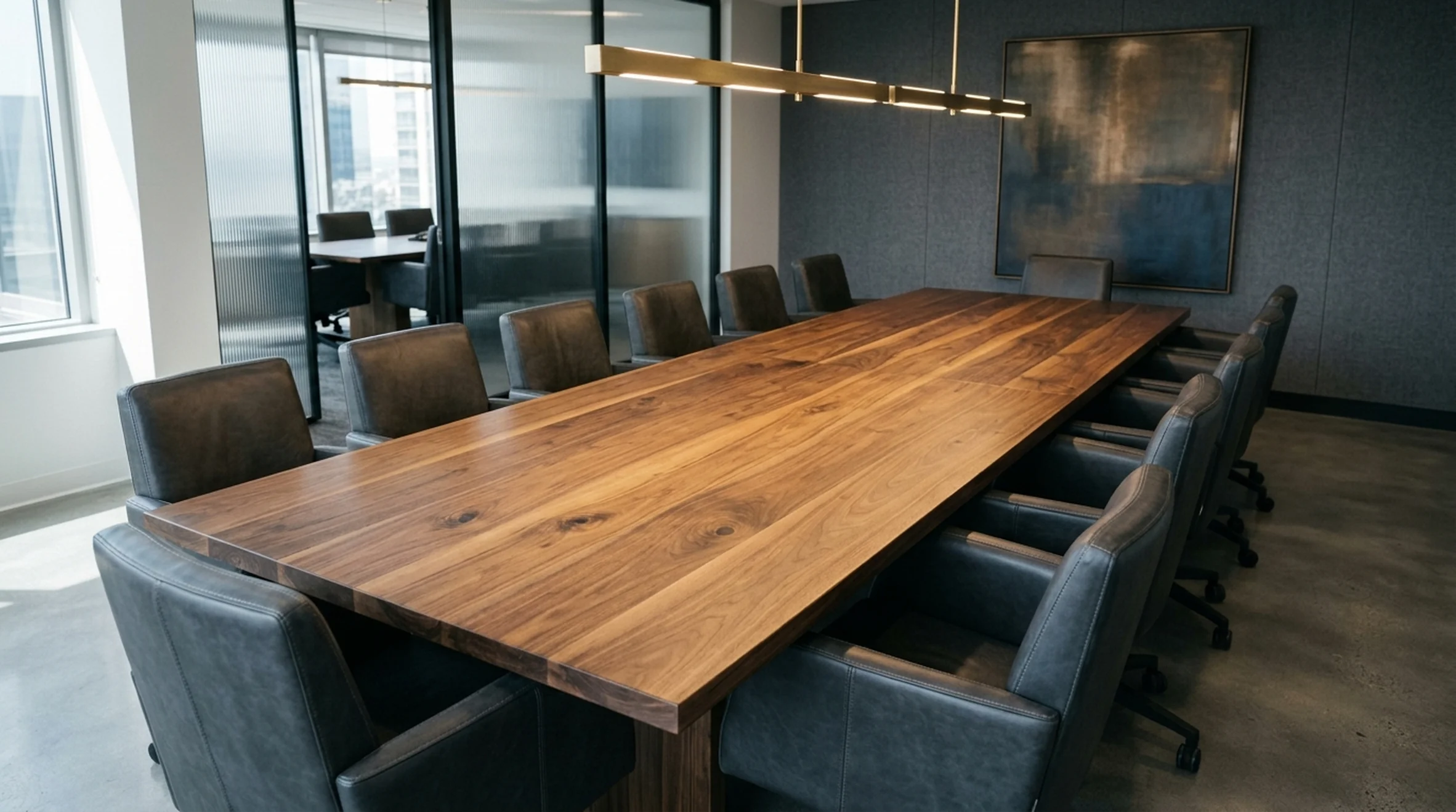
Choosing the right conference table for your law firm is more than just picking a piece of furniture. It’s about finding something that fits your specific needs, reflects your firm’s professionalism, and makes clients feel comfortable. With so many options available, it can be a bit overwhelming. This guide will break down everything you need to consider when asking, “What are the best conference tables for law firms?”
Key Takeaways
- Assess your firm’s meeting frequency and space limitations before choosing a table.
- Consider different shapes like rectangular, round, or U-shaped for various meeting styles.
- Choose materials that balance durability with aesthetic appeal, like solid wood or veneer.
- Incorporate technology features for modern functionality, such as power outlets and cable management.
- Set a budget that allows for quality without compromising on style or comfort.
Understanding Your Law Firm’s Needs
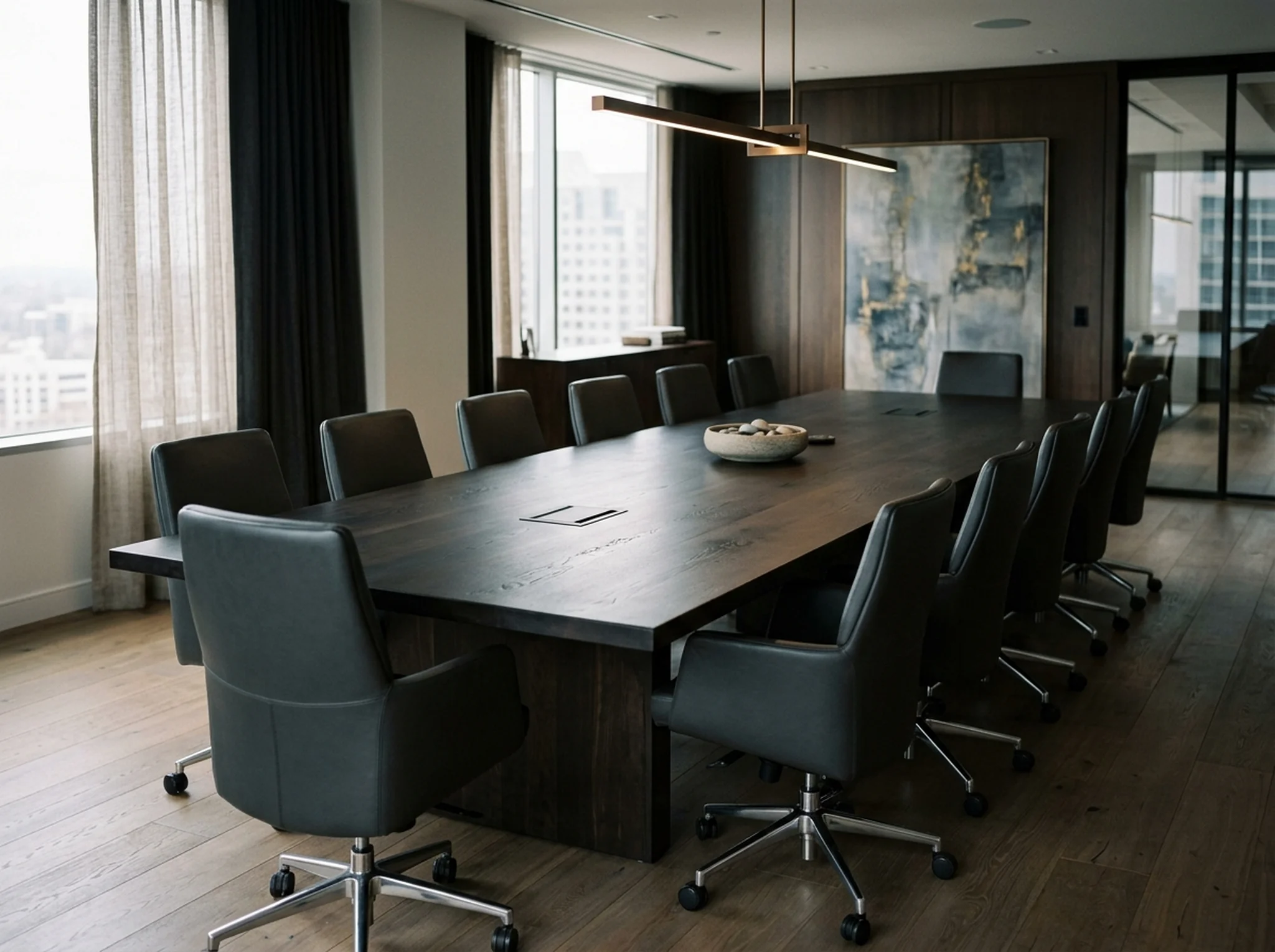
Before you even start browsing conference tables, it’s really important to take a step back and think about what your law firm actually needs. It’s easy to get caught up in fancy designs, but the best table is one that fits your specific situation. Let’s break down some key things to consider.
Assessing Meeting Frequency
How often do you use your conference room? Is it a daily hub for internal team meetings, or is it primarily used for client meetings a few times a month? The frequency of use will heavily influence the durability and features you need. A table used daily needs to be extra sturdy and easy to clean. If it’s only occasional, you might be able to prioritize aesthetics a bit more.
Identifying Space Limitations
This one seems obvious, but it’s super important to measure your conference room carefully! Don’t just eyeball it. Consider the following:
- The actual dimensions of the room. Account for doors, windows, and any permanent fixtures.
- How much space you need around the table for chairs and movement. People need to be able to get in and out comfortably.
- Whether you need additional space for things like a credenza, whiteboard, or presentation equipment.
A too-large table will make the room feel cramped and uncomfortable, while a too-small table might not accommodate all your attendees. It’s a balancing act!
Considering Client Comfort
Think about the experience you want your clients to have. A comfortable and professional environment can make a big difference in building trust and rapport. Consider these factors:
- Seating: Are the chairs comfortable for long meetings? Do they provide adequate back support?
- Table Height: Is the table height appropriate for both working and conversation?
- Aesthetics: Does the table’s style and finish create a professional and welcoming atmosphere? Is it consistent with the rest of your office decor?
Exploring Different Table Shapes
Choosing the right table shape is more than just aesthetics; it’s about optimizing your meeting space and fostering the kind of interactions you want. Let’s explore some popular options:
Rectangle Tables for Maximum Seating
Rectangle tables are probably the most common choice, and for good reason. They offer the most seating capacity for a given area, making them ideal for larger law firms or those who frequently host big meetings. They’re also great for formal settings. Think depositions or contract negotiations. However, they can sometimes feel a bit impersonal, with people at the far ends feeling disconnected. Consider the room size when choosing a rectangle table, as overly long tables can hinder communication.
Round Tables for Collaboration
Round tables are all about encouraging collaboration. With no head of the table, everyone feels like an equal participant. This shape is fantastic for brainstorming sessions or mediations where open communication is key. The downside? Round tables typically accommodate fewer people than rectangular ones, and they might not be the best choice for presentations where a clear focal point is needed. They also take up a surprising amount of space, so measure carefully!
U-Shaped Tables for Presentations
U-shaped tables are a solid pick when presentations or video conferencing are frequent. This setup allows everyone to easily see the presenter or screen, promoting engagement. They’re also useful for committee meetings where visual aids are important. However, U-shaped tables can be space-intensive and might not be ideal for everyday meetings. Plus, the open end of the "U" can sometimes feel a bit awkward if not properly utilized. It’s important to consider the viewing angles and screen size to ensure everyone has a clear view.
Selecting the right table shape involves balancing space constraints, meeting styles, and the desired atmosphere. Think about how your firm uses its conference room most often and choose a shape that supports those activities.
Material Matters: Choosing the Right Finish
Selecting the right material and finish for your law firm’s conference table is more than just an aesthetic choice; it’s about creating a functional and professional space. The finish impacts the table’s durability, maintenance, and overall impression. Let’s explore the options.
Solid Wood vs. Veneer
Solid wood offers a premium look and feel, conveying quality and permanence. Tables made from solid wood can last for generations with proper care. However, they are more susceptible to changes in humidity and temperature, which can cause warping or cracking. Veneer, on the other hand, consists of a thin layer of real wood adhered to a substrate like plywood or MDF. This makes veneer tables more stable and less prone to warping, and often more affordable. The choice depends on your budget and the desired level of luxury.
Durability and Maintenance
Consider how much use the conference table will get. A high-traffic conference room requires a more durable finish. Laminates are scratch-resistant and easy to clean, making them a practical choice for busy firms. Wood finishes can be protected with sealants, but they may require more careful maintenance to prevent scratches and water damage. Think about the long-term upkeep when making your decision. For quality seminar tables, durability is key to withstanding frequent use.
Here’s a quick comparison:
- Laminate: Easy to clean, scratch-resistant, budget-friendly. Great for high-use areas.
- Wood (with sealant): Requires more care, can be scratched or stained, but offers a classic look.
- Veneer: Offers a balance of aesthetics and durability, more stable than solid wood.
Aesthetic Appeal
The finish of your conference table should complement your firm’s overall decor and create the right atmosphere. A dark wood finish can convey tradition and authority, while a lighter finish can create a more modern and open feel. Consider the color palette of your office and choose a finish that harmonizes with the existing design. Don’t underestimate the power of a well-chosen finish to enhance the professionalism of your space.
Choosing the right finish involves balancing aesthetics, durability, and budget. Consider the long-term implications of your choice, including maintenance requirements and the overall impact on your firm’s image. A well-chosen finish can elevate the conference room and create a positive impression on clients and staff alike.
Incorporating Technology into Conference Tables
Let’s face it, meetings can be a drag. But a well-equipped conference table can make them way more productive and even, dare I say, enjoyable. It’s not just about having a surface to put your laptop on anymore. It’s about integrating technology seamlessly into the table itself. Think about it: no more scrambling for outlets, tangled cords, or awkward pauses while someone tries to connect to the projector. A tech-savvy conference table is a game-changer.
Built-in Power Outlets
Okay, this one seems obvious, but it’s amazing how many conference rooms still lack sufficient power outlets. Having power outlets directly in the table is a must. Consider how many devices people bring to meetings these days – laptops, tablets, phones. Make sure there are enough outlets, and maybe even some USB charging ports, to keep everyone powered up and focused. Think about placement, too. You don’t want cords running all over the place. Strategically placed outlets can keep things tidy and professional. This is especially important for team gatherings.
AV Equipment Integration
This is where things get really interesting. Think about integrating your AV equipment directly into the table. This could include:
- A built-in display screen that rises from the center of the table.
- Microphones embedded in the table for crystal-clear audio during video conferences.
- Speakers that are discreetly integrated into the table’s design.
Having all of this equipment built-in not only looks sleek but also makes it much easier to conduct presentations and video conferences. No more fumbling with cables or worrying about whether the projector is going to work. It’s all right there, ready to go. You can even look into custom conference tables that fit your exact needs.
Cable Management Solutions
Ah, the dreaded cable clutter. It’s the bane of every conference room. But fear not, there are solutions! Good cable management is key to a clean and professional-looking conference table. Here are a few ideas:
- Cable trays or baskets underneath the table to keep cords organized.
- Grommets or cable ports on the tabletop to route cables neatly.
- Retractable cable reels that keep cables out of sight when not in use.
A well-designed cable management system not only looks better but also prevents tripping hazards and makes it easier to access the cables you need. It’s a small detail that can make a big difference in the overall functionality and appearance of your conference room.
By investing in these features, you can create a conference room that is both functional and stylish. It’s an investment that will pay off in increased productivity and a more professional image for your law firm.
Balancing Style and Functionality
Finding the sweet spot where your conference table looks great and works well is key. It’s not just about picking the prettiest table; it’s about choosing one that enhances productivity and reflects your firm’s image. Let’s explore how to strike that balance.
Matching Office Decor
Think about the existing style of your office. Is it modern, traditional, or somewhere in between? Your conference table should complement, not clash with, the overall aesthetic. A sleek, glass-topped table might fit perfectly in a contemporary office, while a solid wood table could be ideal for a more traditional setting. Consider the colors, materials, and overall vibe of your space when making your selection. Don’t forget about the chairs! They should match the table in both style and comfort. It’s all about creating a cohesive and professional look.
Creating a Professional Atmosphere
The conference table is often the focal point of your meeting room, so it plays a big role in shaping the atmosphere. A well-chosen table can convey professionalism, competence, and attention to detail. Avoid anything too trendy or flashy; instead, opt for a timeless design that will stand the test of time. The table should also be clean, well-maintained, and free of clutter. First impressions matter, and your conference table can help you make a good one. Think of it as an investment in your firm’s image. A large conference table can be a great way to show off your firm’s success.
Ensuring Comfort for Long Meetings
Comfort is often overlooked, but it’s crucial, especially for long meetings. Consider the height of the table, the legroom available, and the material of the tabletop. A table that’s too low or too high can cause discomfort and distraction. Make sure there’s enough space for everyone to sit comfortably and move around as needed. The tabletop should be smooth and easy to write on. And don’t forget about the chairs! Invest in comfortable, ergonomic chairs that will support your clients and staff during those marathon meetings. Ergonomics are key here.
Choosing the right conference table is more than just picking something that looks nice. It’s about creating a space that is both functional and aesthetically pleasing, a place where people can collaborate effectively and feel comfortable doing so. It’s about finding that perfect balance between style and practicality.
Here are some things to consider:
- Table height and legroom
- Chair comfort and ergonomics
- Tabletop material and finish
Budgeting for Your Conference Table
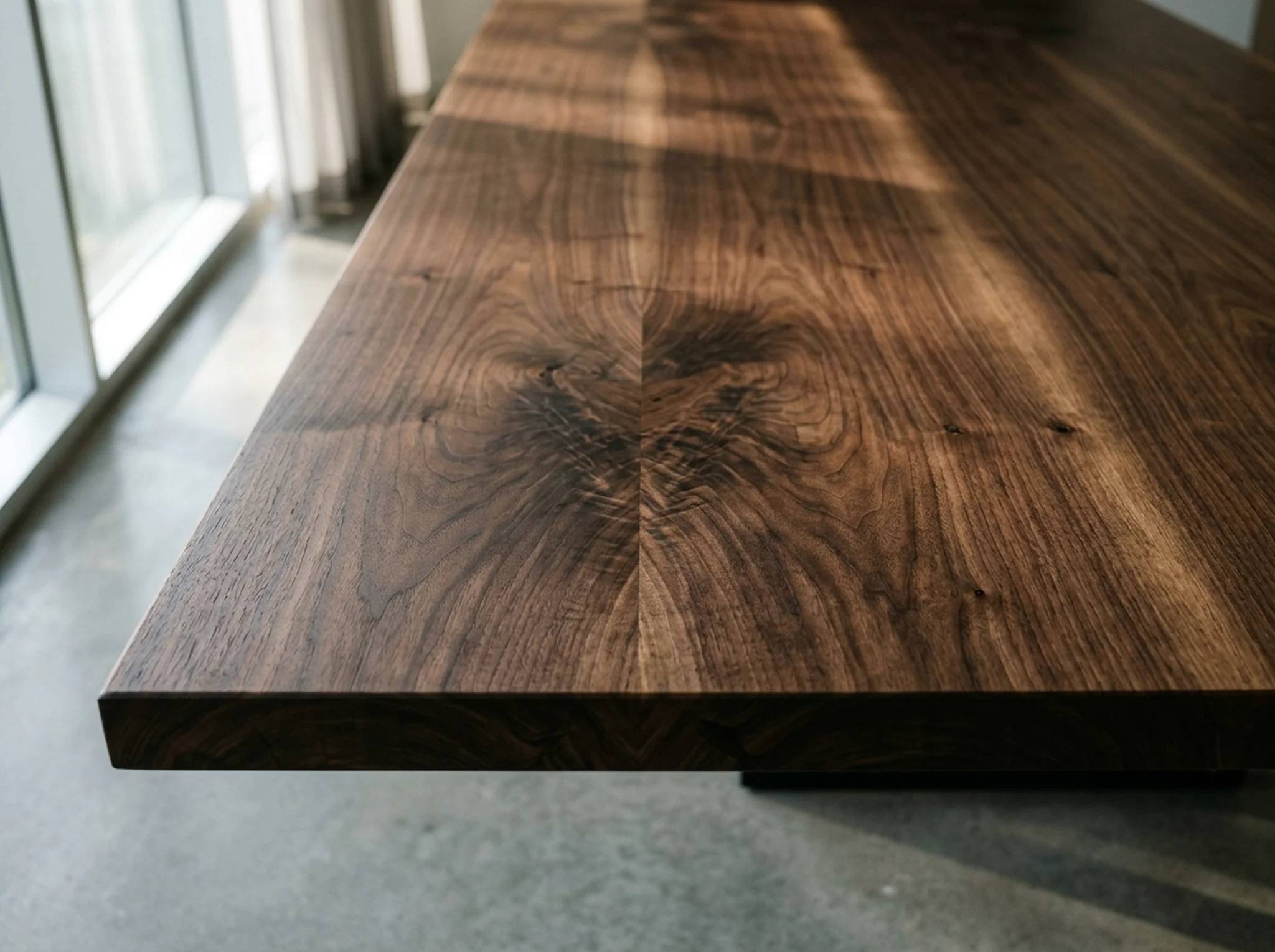
Understanding Price Ranges
Okay, let’s talk money. Conference tables? They can cost a little or a lot. It really depends on what you’re after. A basic, no-frills table might not break the bank, but if you’re dreaming of a huge, custom-made piece with all the bells and whistles, be prepared to spend more. Think about it like this: are you buying a reliable sedan or a luxury sports car? Both will get you where you need to go, but the experience is vastly different. For example, a simple rectangular table might start around $500, while a large, custom round conference table with integrated tech could easily run upwards of $5,000 or even $10,000.
Investing in Quality
Sometimes, spending a bit more upfront can save you money in the long run. A cheap table might look good initially, but if it falls apart after a year or two, you’ll be replacing it sooner than you think. Quality materials and solid construction are key. Think about the long-term value. A well-made table will not only last longer but also project a more professional image to your clients. It’s an investment in your firm’s reputation, not just a piece of furniture. Consider these points:
- Higher quality materials often mean increased durability.
- Better construction leads to a longer lifespan.
- A more professional look can impress clients.
Finding Custom Solutions
If you have specific needs or a unique vision, custom conference tables might be the way to go. Yes, they often cost more than pre-made options, but you get exactly what you want. You can choose the size, shape, materials, and even add special features like built-in power outlets or AV equipment. It’s all about tailoring the table to your firm’s specific requirements. Plus, you can often work directly with a manufacturer to get the best possible price. Don’t be afraid to shop around and get quotes from different vendors. You might be surprised at what you can find within your budget. Remember to ask about legal office supplies and warranties too!
Think of a custom table as a long-term investment. It’s not just about having a place to meet; it’s about creating a space that reflects your firm’s values and meets its specific needs. It’s about functionality, style, and lasting quality.
Sourcing Your Conference Table
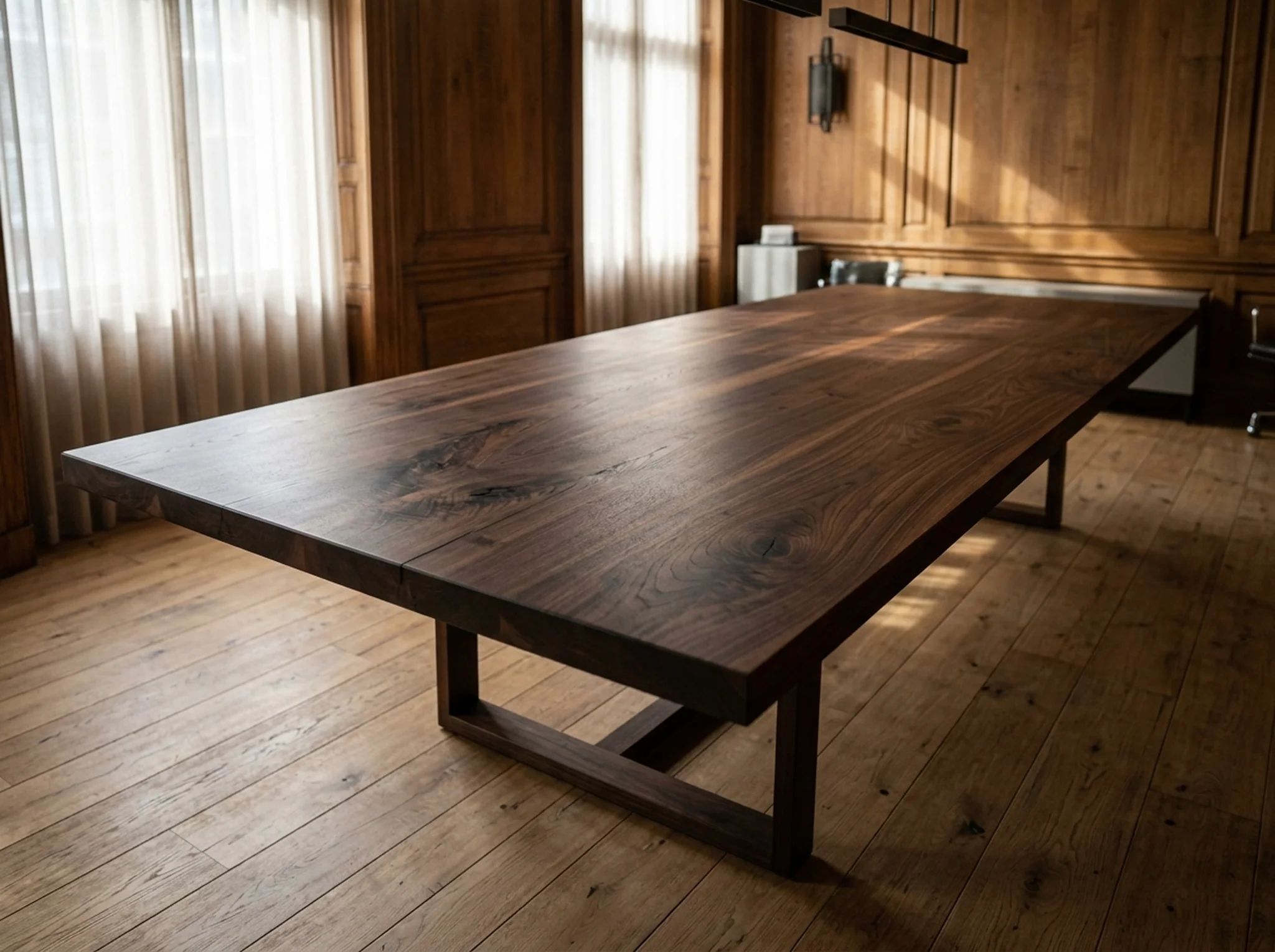
Local vs. Online Retailers
Okay, so you’ve figured out what kind of conference table you need. Now, where do you actually get one? You’ve basically got two main options: local stores or online retailers. Local shops let you see and touch the tables, which is a big plus. You can really get a feel for the quality and see if it matches your office decor. Plus, you’re supporting local businesses! On the other hand, online retailers usually have a much wider selection and often lower prices. It’s all about weighing the convenience and potential cost savings against the ability to physically inspect the table before you buy. Don’t forget to check reviews and return policies before committing to an online purchase. For a design studio, the ability to see and feel the materials might be more important, so consider that when choosing the right conference table.
Custom vs. Pre-Made Options
Next up: custom or pre-made? Pre-made tables are, well, ready to go. You pick one out, and it’s delivered. Easy peasy. They’re generally cheaper and faster to get. But, if you have very specific needs or a particular vision, custom is the way to go. With a custom table, you can choose the exact size, shape, materials, and finish. This is great if you need a table to fit a weirdly shaped room or want to match existing furniture perfectly. The downside? It’ll cost more and take longer. Think about your budget and timeline. If you’re not in a rush and want something truly unique, custom is worth considering.
Evaluating Craftsmanship
No matter where you buy your table, take a good look at the craftsmanship. Check for things like:
- Solid construction: Are the joints sturdy? Does anything wobble?
- Finish quality: Is the finish smooth and even? Are there any scratches or imperfections?
- Material quality: Does the wood look high-quality? Is the veneer properly applied?
Don’t be afraid to ask questions about the materials and construction methods. A reputable seller should be happy to provide details and answer your concerns. A well-crafted table will not only look better but also last longer, making it a worthwhile investment for your law firm. It’s important to consider the longevity of the table.
Also, consider these points:
- Look at the edges. Are they smooth and well-finished?
- Check the underside of the table. Is it as well-finished as the top?
- If the table has any moving parts (like leaves or extensions), make sure they operate smoothly and easily.
When you’re looking for the perfect conference table, it’s important to think about what fits your space and style. A good table can make meetings more productive and comfortable. Check out our wide selection of handcrafted conference tables at Fargo Woodworks. Visit our website today to find the right table for your needs!
Wrapping It Up
So, there you have it! Picking the right conference table for your law firm doesn’t have to be a headache. Just remember to think about your space, how many people you’ll need to seat, and what kind of vibe you want to create. Whether you go for a classic wooden table or something more modern, make sure it fits your style and needs. And hey, if you’re looking for high-quality options, check out Fargo Woodworks. They craft beautiful, solid hardwood tables that can be customized just for you. Happy table hunting!
Frequently Asked Questions
What should I consider when choosing a conference table for my law firm?
You should think about how often you’ll have meetings, how much space you have, and how comfortable your clients will be.
What are the best shapes for conference tables?
Rectangle tables are great for seating many people, round tables are good for discussion, and U-shaped tables work well for presentations.
What materials are best for conference tables?
Solid wood is strong and looks nice, while veneer is cheaper but may not last as long. It’s important to find a balance between looks and durability.
How can I include technology in my conference table?
Look for tables that have built-in power outlets, space for AV equipment, and ways to hide cables for a neat look.
How do I balance style with practicality in a conference table?
Choose a table that fits your office style, helps create a professional vibe, and is comfortable for long meetings.
What should I budget for a conference table?
Prices can vary, so it’s good to know the range you’re looking at. Investing in a quality table is wise, and custom options can fit your needs.
Trusted by Industry Leaders