
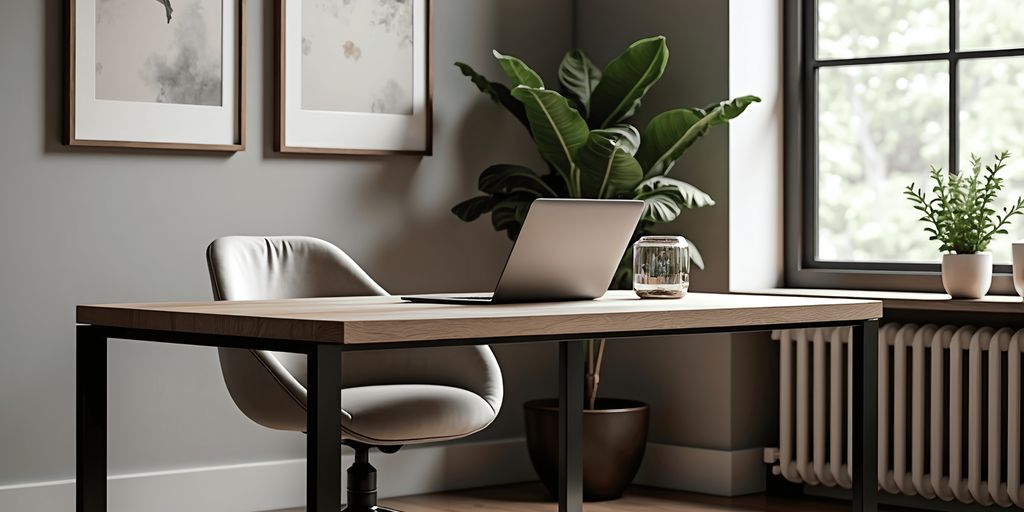
Finding the right office furniture can be a bit overwhelming, but it doesn’t have to be. Whether you’re setting up a new office or refreshing your current space, choosing the right pieces is key. You want furniture that not only looks good but also feels comfortable and meets your needs. This guide will help you navigate through the essentials of office furniture shopping, so you can create a workspace that inspires productivity and creativity.
Key Takeaways
-
Assess your office space to determine what furniture you truly need.
-
Consider the types of desks and chairs that fit your style and comfort requirements.
-
Set a realistic budget to avoid overspending on office furniture.
-
Explore both online and local stores to find the best deals.
-
Prioritize both aesthetics and functionality when selecting your office furniture.
Understanding Your Office Space Needs
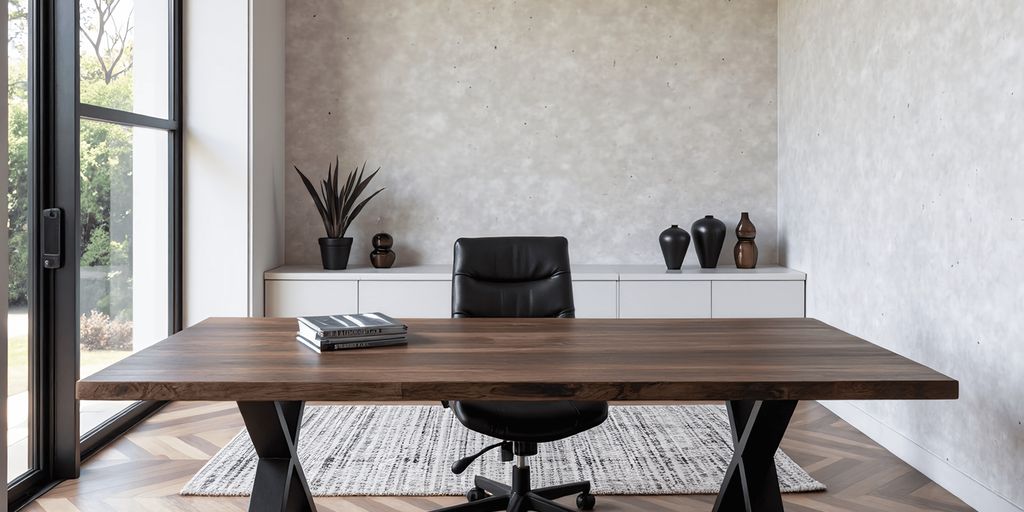
Okay, so you’re thinking about new office furniture? Awesome! But before you start browsing those fancy catalogs, let’s take a sec to really think about your space. I mean, you wouldn’t buy a car without knowing how many seats you need, right? Same deal here.
First things first, how much room are we talking about? Is it a cozy home office, a bustling startup hub, or something in between? Knowing the square footage is key.
Think about how your team works. Do you need quiet zones for focused work, collaborative areas for brainstorming, or a mix of both? Maybe even a chill-out zone with comfy couches? Modern offices are all about flexibility, so think about furniture that can adapt to different needs.
Here are some things to consider:
-
Number of Employees: This is a no-brainer. You need enough desks and chairs for everyone, plus some extra seating for visitors.
-
Work Style: Do your employees need privacy, or do they thrive in an open environment?
-
Storage Needs: Paperwork, supplies, personal items… where’s it all going to go?
-
Tech Requirements: Computers, monitors, printers… make sure your furniture can handle all the gadgets.
Don’t forget to think about the future! Will your team be growing? Will your needs be changing? It’s always a good idea to plan ahead so you don’t have to replace everything in a year or two.
Types of Office Furniture to Consider
Okay, so you’re ready to start thinking about the actual stuff that’s going to fill your office. Awesome! This is where it gets fun. Let’s break down some key pieces you’ll want to consider. It’s not just about having a place to sit and work; it’s about creating a space that supports productivity and well-being.
Desks: Choosing the Right Style and Size
The desk is the heart of your workspace. Seriously, it’s where you’ll spend a huge chunk of your day, so picking the right one is important. You’ve got a bunch of options, from standing desks (which I’m personally a big fan of – keeps you from getting that afternoon slump) to traditional executive desks. Consider the size of your space, what kind of work you do, and how much storage you need. A sprawling desk might look impressive, but if it overwhelms your office, it’s not the best choice. On the other hand, a tiny desk might leave you feeling cramped and disorganized. Don’t forget to think about cable management! Nobody wants a rat’s nest of cords under their feet. If you are looking for customizable solid wood tables, there are many options available.
Chairs: Ergonomics and Comfort
Let’s be real, you need a good chair. I cannot stress this enough. A bad chair can lead to back pain, neck strain, and all sorts of other unpleasantness. Ergonomics is key here. Look for chairs with adjustable height, lumbar support, and armrests.
Think about it this way: you’re going to be spending hours in this chair. It’s an investment in your health and productivity. Don’t skimp on quality.
Here’s a quick rundown of chair types:
-
Task Chairs: These are your standard office chairs, designed for all-day use.
-
Executive Chairs: Usually larger and more luxurious, often with extra padding and features.
-
Guest Chairs: Simpler chairs for visitors, focusing on short-term comfort.
Setting a Budget for Your Office Furniture
Okay, so you’re ready to upgrade your office furniture. Awesome! But before you start drooling over those fancy ergonomic chairs and sleek desks, let’s talk about something super important: setting a budget. It’s not the most exciting part, I know, but trust me, it’ll save you from a lot of headaches (and potential overspending) down the road.
First things first, figure out how much you can realistically spend. This involves looking at your current financial situation and determining what you can allocate to this project without breaking the bank. Consider these points:
-
What are your current revenue streams?
-
What are your unavoidable expenses?
-
How much can you set aside each month?
Once you have a number in mind, it’s time to break it down. Think about what furniture pieces are essential versus what’s just nice to have. Prioritize the essentials first – a good desk and chair are usually top of the list, especially if you’re spending a lot of time working. You can always add those cool live edge conference tables later.
Don’t forget to factor in extra costs like shipping, assembly (if you’re not the DIY type), and taxes. These can add up quickly and throw your budget off if you’re not careful.
Also, don’t be afraid to shop around and compare prices. You might be surprised at how much prices can vary between different retailers. And keep an eye out for sales and discounts – you can often snag some great deals if you’re patient. Remember, the goal is to create a functional and comfortable workspace without emptying your wallet. Good luck!
Tips for Choosing the Right Office Furniture
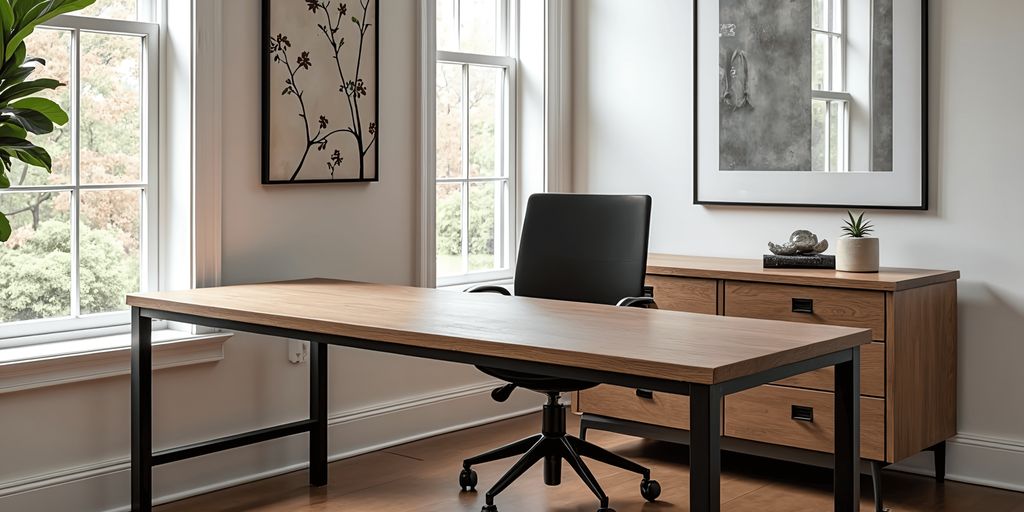
Choosing the right office furniture can feel like a big task, but it doesn’t have to be overwhelming. Let’s break down some key considerations to help you make the best choices for your workspace. After all, a well-furnished office can boost productivity and create a more enjoyable work environment.
Prioritize Ergonomics
Ergonomics should be at the top of your list. It’s not just about comfort; it’s about preventing long-term health issues. Think about adjustable chairs, desks at the right height, and monitor stands that prevent you from hunching over.
Consider Future Needs
Think about where your company is headed. Will you be hiring more people? Will you need more collaborative spaces? Choosing furniture that can adapt to these changes will save you money and hassle in the long run. Modular desks and chairs are a great option here.
Don’t Neglect Aesthetics
While functionality is key, don’t forget about how your office looks. The right furniture can create a welcoming and inspiring atmosphere. Consider the overall style and color scheme of your office. A cohesive look can really boost morale. For example, you can find modern office shelving that fits your style.
Test Before You Invest
Whenever possible, try out furniture before you buy it. Sit in the chairs, test the desk height, and make sure everything feels right. If you’re buying online, check the return policy to ensure you can send it back if it doesn’t meet your needs.
Read Reviews and Ask for Recommendations
Before making a purchase, take some time to read reviews from other customers. See what they have to say about the quality, comfort, and durability of the furniture. Also, don’t hesitate to ask for recommendations from colleagues or friends who have recently furnished their offices.
Choosing the right office furniture is an investment in your company’s future. By prioritizing ergonomics, considering future needs, and paying attention to aesthetics, you can create a workspace that is both functional and inspiring. Take your time, do your research, and don’t be afraid to ask for help. Your employees will thank you for it!
Think About Maintenance
Consider how easy the furniture is to clean and maintain. Some materials are more durable and easier to care for than others. Choosing furniture that is easy to maintain will help keep your office looking its best for years to come.
Here’s a quick guide:
-
Fabric: Vacuum regularly, spot clean stains promptly.
-
Wood: Dust regularly, use appropriate cleaning products.
-
Metal: Wipe down with a damp cloth, avoid harsh chemicals.
The Importance of Aesthetic and Functionality
Okay, so you’re probably thinking, “Yeah, yeah, it has to look good AND work well. Duh!” But seriously, it’s easy to lean too far one way or the other. You might find a super stylish chair that looks amazing but leaves you with a backache after an hour. Or, you could end up with the most ergonomic desk ever that’s about as exciting as watching paint dry. Finding that sweet spot is key.
The goal is to create a workspace that boosts productivity and makes you (and your employees) actually want to be there. It’s about more than just filling a room with stuff; it’s about crafting an environment.
Here’s the thing: when your office looks good, it feels good. And when it feels good, you work better. It’s a simple equation, really. Think about it – a well-designed space can:
-
Improve morale and reduce stress.
-
Boost creativity and collaboration.
-
Make a great impression on clients and visitors.
And functionality? Well, that’s non-negotiable. If your furniture isn’t working for you, it’s working against you. You need pieces that support your tasks, promote good posture, and help you stay organized. Speaking of staying organized, consider adding shelving to your office.
Don’t underestimate the power of a well-thought-out office. It’s an investment in your business and your well-being. It’s about creating a space where you can thrive, not just survive.
So, how do you strike that perfect balance? Here are a few things to keep in mind:
-
Consider your brand and company culture. Does your furniture reflect who you are?
-
Think about the specific needs of your team. What kind of work do they do, and what kind of furniture will support them best?
-
Don’t be afraid to mix and match styles. A little bit of personality can go a long way.
Maintaining Your Office Furniture for Longevity
Okay, so you’ve invested in some awesome office furniture. Now what? You want it to last, right? Proper maintenance is key to keeping your furniture looking good and functioning well for years to come. It’s not just about aesthetics; it’s about protecting your investment and ensuring a comfortable and productive workspace. Think of it like taking care of your car – a little effort goes a long way.
Regular Cleaning Routines
First things first: cleaning. Regular cleaning prevents buildup of dust, grime, and spills that can damage surfaces over time. For desks and tables, a simple wipe-down with a damp cloth and mild soap is usually enough. Avoid harsh chemicals or abrasive cleaners, as these can strip finishes and damage materials. For chairs, vacuum regularly to remove dust and debris, and spot-clean any spills immediately. Different materials require different approaches, so always check the manufacturer’s instructions.
Addressing Wear and Tear
Even with the best care, wear and tear is inevitable. Scratches, dents, and stains happen. The good news is that many of these issues can be addressed with a little DIY or professional help. For minor scratches on wood furniture, try using a touch-up marker or furniture polish. For deeper scratches or dents, you might need to sand and refinish the area. Upholstery stains can often be removed with a good fabric cleaner, but always test in an inconspicuous area first. If you’re not comfortable tackling these repairs yourself, consider hiring a professional furniture repair service. For example, if you have a walnut butcher block desk, you’ll want to use a wood cleaner specifically designed for butcher blocks.
Protecting Against Environmental Factors
Your office environment can also impact the longevity of your furniture. Sunlight, humidity, and temperature fluctuations can all cause damage over time. To protect your furniture, avoid placing it in direct sunlight, which can fade colors and warp wood. Use blinds or curtains to filter sunlight. Maintain a consistent humidity level in your office to prevent wood from drying out or swelling. And be mindful of temperature fluctuations, especially if you have furniture made of sensitive materials like leather or fabric.
Investing in furniture covers or protectors can also be a good idea, especially for chairs and sofas. These covers can shield your furniture from spills, stains, and wear and tear, extending its lifespan and keeping it looking its best.
Proper Usage and Weight Limits
This might seem obvious, but using your furniture properly is crucial for its longevity. Avoid overloading shelves or desks beyond their weight limits. Don’t sit on the arms of chairs or lean back too far. And be careful when moving furniture to avoid scratches and dents. Treat your furniture with respect, and it will last longer.
Here’s a quick guide on weight limits for different types of office furniture:
|
Furniture Type |
Average Weight Limit |
|---|---|
|
Office Chair |
250-300 lbs |
|
Desk |
50-100 lbs |
|
Shelf |
25-50 lbs per shelf |
|
Filing Cabinet |
50-100 lbs per drawer |
Routine Inspections and Maintenance Checks
Finally, make it a habit to inspect your furniture regularly for any signs of damage or wear. Check for loose screws, wobbly legs, or frayed fabric. Address these issues promptly to prevent them from becoming bigger problems down the road. Tighten screws, replace worn parts, and repair any damage as soon as you notice it. A little preventative maintenance can save you a lot of time and money in the long run.
Here are some things to check during your routine inspections:
-
Screws and Bolts: Make sure they are tight.
-
Upholstery: Look for tears, stains, or loose threads.
-
Wheels and Casters: Ensure they roll smoothly and are free of debris.
-
Drawers and Slides: Check for smooth operation and proper alignment.
Conclusion: Making the Best Choice for Your Workspace
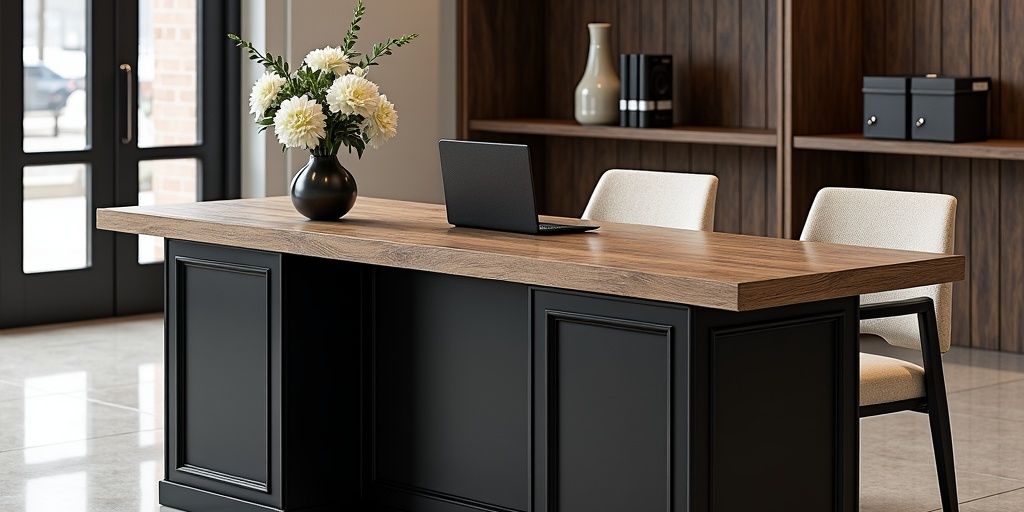
Alright, you’ve made it to the end! Hopefully, you’re feeling a bit more confident about picking out the perfect office furniture. It can feel like a big decision, but breaking it down into smaller steps really helps. Think about what you need, what you like, and what fits your budget. Don’t rush the process, and remember that the right furniture can make a huge difference in your daily work life.
Ultimately, the best office furniture is what works best for you. Consider your specific needs, preferences, and budget to create a workspace that supports your productivity and well-being. Don’t be afraid to mix and match styles, and always prioritize comfort and functionality.
Here’s a quick recap of things to keep in mind:
-
Ergonomics are key: Invest in a good chair and desk setup to avoid aches and pains.
-
Consider your space: Measure your office and plan your layout before buying anything.
-
Don’t forget storage: Keep your workspace tidy with shelves, cabinets, and drawers. shelving options
And hey, don’t be afraid to add a little personality! A bright color, a cool desk accessory, or even just a plant can make your office feel more like your space. Happy furniture hunting!
In conclusion, choosing the right furniture for your workspace is important. It can make a big difference in how you feel and work every day. Take your time to think about what you need and what fits your style. If you want to see some great options, visit our website for more information and ideas!
Wrapping It Up
So there you have it! Finding the right office furniture doesn’t have to be a headache. Just keep in mind what you need, what fits your style, and your budget. Whether you’re going for sleek and modern or cozy and inviting, there’s something out there for everyone. Don’t rush the process—take your time to explore options and think about how each piece will work in your space. Remember, a well-furnished office can boost productivity and make your work life a whole lot better. Happy shopping!
Frequently Asked Questions
What should I consider when choosing office furniture?
Think about how much space you have, what type of work you’ll do, and how many people will use the furniture.
What types of desks are available for offices?
You can find many styles, like traditional desks, standing desks, and corner desks to fit your needs.
How can I make sure my office chair is comfortable?
Look for chairs with good back support and adjustable features to fit your body well.
Is it better to shop for office furniture online or in local stores?
Both have their pros and cons. Online shopping offers more options, while local stores let you test the furniture.
How much should I budget for office furniture?
It depends on your needs, but it’s good to set a budget that includes all necessary items like desks, chairs, and storage.
How can I keep my office furniture looking new?
Regular cleaning and avoiding harsh chemicals can help. Also, be careful with spills and scratches.