
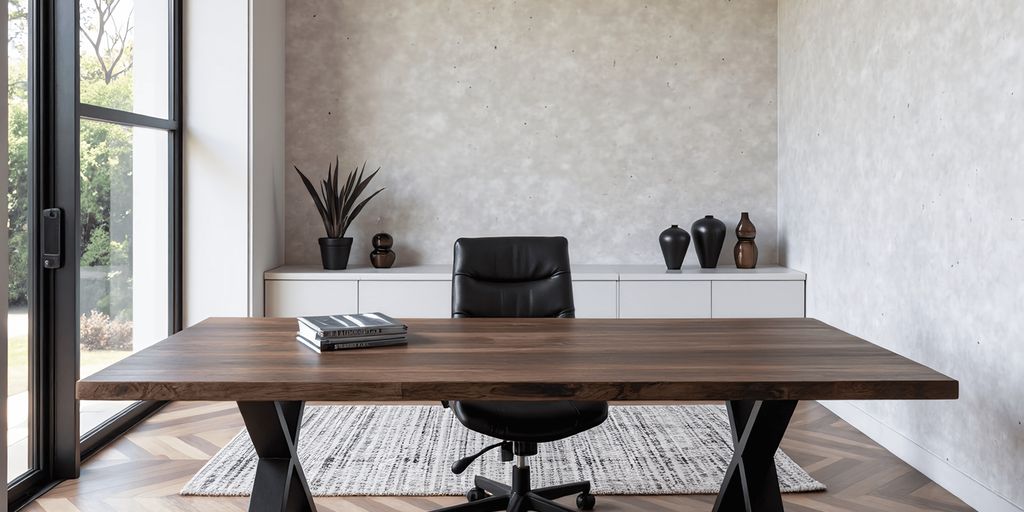
When it comes to setting up a business, choosing the right commercial furniture can make a huge difference. With so many options available, it’s important to find pieces that not only fit your space but also reflect your brand and meet your functional needs. This guide will help you navigate the essentials of commercial furniture selection, from understanding the different types to considering your budget and maintenance needs.
Key Takeaways
- Consider the type of commercial furniture that fits your business needs, like office, restaurant, or retail.
- Focus on durability and quality to ensure your furniture lasts through heavy use.
- Choose a style that aligns with your brand and creates a welcoming atmosphere.
- Budget wisely, taking into account both initial costs and long-term maintenance.
- Find reliable suppliers who can provide quality commercial furniture tailored to your specifications.
Understanding Commercial Furniture
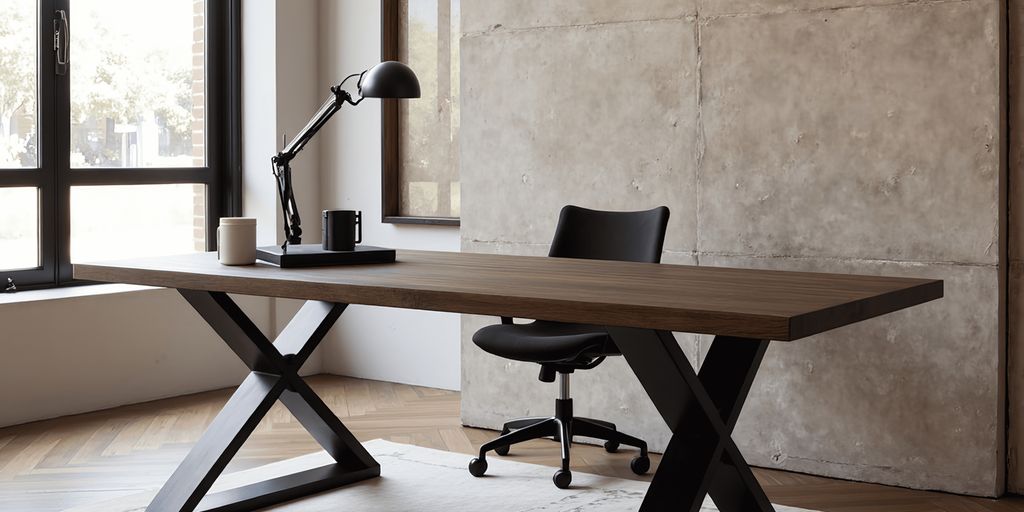
So, you’re diving into the world of commercial furniture? Awesome! It’s more than just desks and chairs; it’s about creating spaces that work for your business, your employees, and your customers. Let’s break down what you need to know.
First off, commercial furniture is designed to withstand heavy use. Think about it: office chairs getting sat in for 8 hours a day, restaurant tables being wiped down constantly, and retail displays holding up under the weight of products and customer traffic. It’s gotta be tough stuff.
When we talk about furniture for commercial spaces, we’re really talking about an investment. It’s not like buying a cheap sofa that’ll fall apart in a year. You’re looking for pieces that will last, look good, and support your business goals. Whether it’s modern commercial furniture to impress clients or ergonomic chairs to keep your team comfy, it all matters.
Choosing the right commercial furniture can seriously impact your business. It affects everything from employee productivity to customer experience. Think of it as building the foundation for your daily operations. Get it right, and you’re setting yourself up for success.
And don’t forget about the different types of commercial spaces. What works for a trendy tech startup won’t necessarily work for a law firm. Consider your brand, your company culture, and the specific needs of your industry. Are you looking for commercial desk furniture or something more specialized? It’s all part of the puzzle.
Types of Commercial Furniture
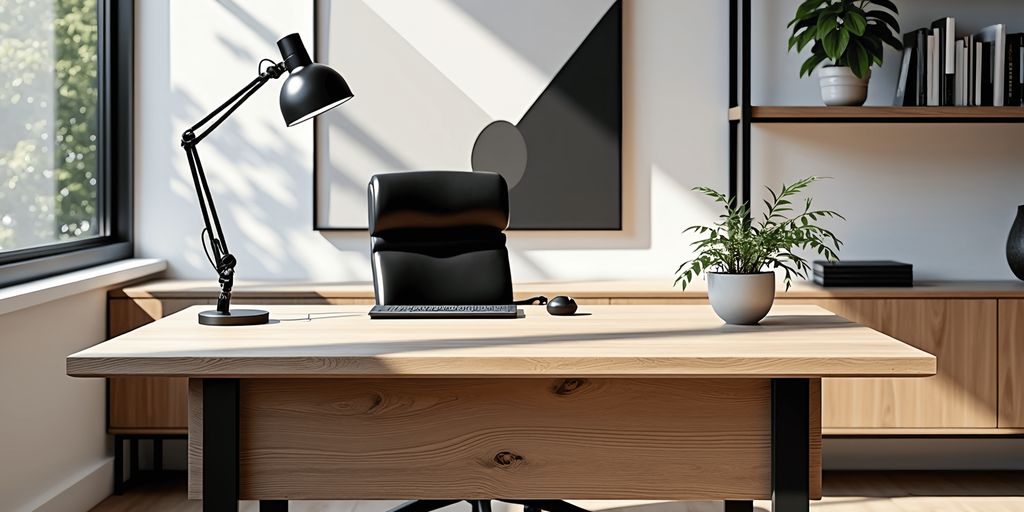
Okay, so you’re ready to dive into the different types of commercial furniture? Awesome! It’s not just about desks and chairs, though those are definitely part of it. Depending on your business, you’ll need to think about furniture that fits the specific needs of your space. Let’s break it down:
Office Furniture
Office furniture is probably what first comes to mind. This includes everything from ergonomic chairs and desks to filing cabinets and reception area seating. Think about the different zones in your office. Do you need standing desks? What about collaborative spaces with comfy sofas? Don’t forget about conference tables for those all-important meetings. It’s all about creating a productive and comfortable environment for your team.
Restaurant Furniture
Restaurant furniture is a whole different ball game. You’re not just thinking about comfort, but also durability and style. You’ll need tables and chairs, of course, but also bar stools, booths, and outdoor seating if you have a patio. The furniture needs to withstand heavy use and spills, and it should also match the vibe of your restaurant. Is it a fancy bistro or a casual diner? The furniture should reflect that.
Retail Furniture
Retail furniture is all about showcasing your products and creating a great shopping experience. This includes display cases, shelving units, mannequins, and checkout counters. You also need to think about seating for customers who might want to take a break while shopping. The furniture should be functional, stylish, and help to highlight your merchandise. Think about how the layout and furniture can guide customers through your store and encourage them to make a purchase.
Choosing the right furniture for your business is a big decision. It’s an investment in your employees, your customers, and your brand. Take the time to research your options and find furniture that meets your specific needs and budget.
Factors to Consider When Choosing Commercial Furniture
Alright, so you’re diving into the world of commercial furniture. It’s more than just picking out some chairs and desks; it’s about making smart choices that impact your business. Let’s break down the key things to keep in mind.
Durability and Quality
Durability is super important. Think about it: commercial furniture gets used a lot. You want stuff that can handle daily wear and tear without falling apart in a year. I mean, who wants to replace furniture all the time? Not me, and probably not you either.
Here’s a quick rundown:
- Material Matters: Solid wood, metal frames, and high-quality fabrics are your friends.
- Construction Counts: Look for reinforced joints and sturdy builds.
- Warranty Check: A good warranty shows the manufacturer believes in their product.
Investing in durable furniture might cost a bit more upfront, but it saves you money in the long run. Less frequent replacements mean less hassle and more cash in your pocket. Plus, it’s better for the environment – less waste is always a win.
Style and Aesthetics
Okay, let’s talk looks. Your furniture says something about your brand. A sleek, modern office can impress clients and make employees feel good. On the other hand, mismatched, outdated stuff can give the wrong impression.
Consider these points:
- Brand Alignment: Does the furniture match your company’s vibe? A tech startup might go for minimalist designs, while a law firm might prefer classic, professional pieces.
- Color Palette: Colors affect mood. Blues and greens can be calming, while bright colors can boost energy. Choose what works for your space and brand.
- First Impressions: The reception area is key. Make it welcoming and stylish to wow visitors.
Functionality and Space Utilization
Functionality is where it’s at. Your furniture needs to work for you, not against you. Think about how your team works and what they need to be productive. And don’t forget about making the most of your space.
Here’s what to consider:
- Ergonomics: Comfy chairs and adjustable desks are a must. Happy employees are productive employees.
- Storage Solutions: Keep clutter at bay with smart storage. Filing cabinets, shelves, and drawers can make a big difference.
- Layout: Plan your space carefully. Consider traffic flow and how people interact. Open-plan or individual workstations? Meeting rooms or collaboration zones? It all depends on your needs.
Budgeting for Commercial Furniture
Okay, so you’re ready to deck out your commercial space with some sweet new furniture. Awesome! But before you go wild adding everything to your cart, let’s talk about the moolah. Budgeting is, like, super important. It’s not just about picking the cheapest stuff; it’s about getting the best value for your money. Think of it as an investment, not just an expense. You want furniture that looks good, feels good, and lasts, without totally emptying your bank account.
Here’s the deal:
- Set a Realistic Budget: Figure out how much you can actually spend. Don’t just pull a number out of thin air. Look at your finances, consider your priorities, and be honest about what you can afford.
- Prioritize Needs vs. Wants: Do you need ergonomic chairs for your employees, or do you want that fancy reception desk that looks like it belongs in a museum? Focus on the essentials first, then see if you have room for the extras.
- Factor in Hidden Costs: Don’t forget about things like shipping, assembly, and maybe even disposal of your old furniture. These costs can add up quickly, so it’s good to be prepared.
It’s always a good idea to get multiple quotes from different suppliers. This way, you can compare prices and make sure you’re getting a fair deal. Plus, sometimes you can negotiate a better price if you have competing offers.
Sourcing and Suppliers
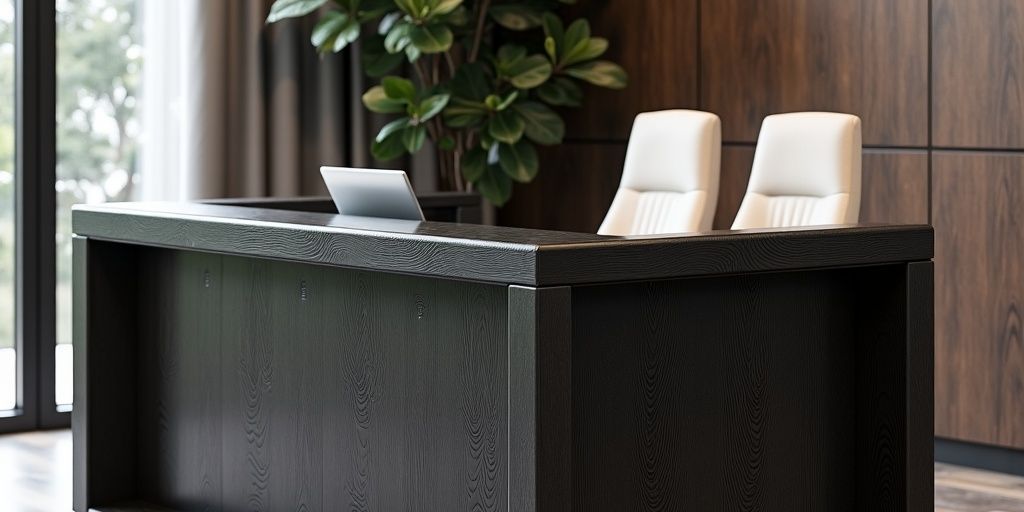
Okay, so you’ve figured out what kind of commercial furniture you need. Now comes the fun part: actually getting it! There are a bunch of ways to go about this, and it really depends on your budget, timeline, and how picky you are.
Finding the Right Suppliers
First off, think about what kind of supplier you want to work with. Are you looking for a big-name manufacturer, a smaller local shop, or maybe even going the online route? Each has its pros and cons.
- Manufacturers: These guys usually have a huge selection and can offer pretty good prices, especially if you’re buying in bulk. But, you might not get a ton of personalized service, and lead times can be longer. Plus, you might need to handle the assembly yourself.
- Local Shops: Going local can be awesome. You’re supporting your community, and you often get better customer service. They might be more willing to work with you on custom stuff, too. The downside? Prices might be a bit higher, and their selection might not be as broad as a big manufacturer. Don’t forget to check out their dealer resources!
- Online Retailers: The internet is full of furniture suppliers. You can find some great deals and a massive selection. Just be careful about quality – read reviews, check return policies, and maybe even order a sample if you can.
Don’t be afraid to shop around and compare prices. Get quotes from a few different suppliers before making a decision. And always, always read the fine print!
Questions to Ask Potential Suppliers
Before you commit to anything, make sure you ask these questions:
- What’s your lead time? This is super important, especially if you have a tight deadline.
- What’s your warranty policy? You want to make sure you’re covered if something goes wrong.
- Do you offer installation services? If not, you’ll need to factor that into your budget and timeline.
- What are your payment terms? Get clear on when you need to pay and what forms of payment they accept.
- Can I see some references or case studies? It’s always good to see what other customers have to say about their experience.
Negotiating Prices
Don’t be shy about negotiating! Especially if you’re buying a lot of furniture, you might be able to get a discount. Here are a few tips:
- Ask for a volume discount: If you’re buying in bulk, most suppliers will be willing to give you a better price.
- Compare quotes: Show the supplier quotes from their competitors. This can give you some leverage.
- Be willing to walk away: Sometimes, the best way to get a good deal is to be willing to walk away. If the supplier knows you’re serious about going elsewhere, they might be more willing to negotiate.
Finding the right supplier takes a bit of work, but it’s worth it to get quality furniture at a price you can afford. Good luck!
Maintenance and Care for Commercial Furniture
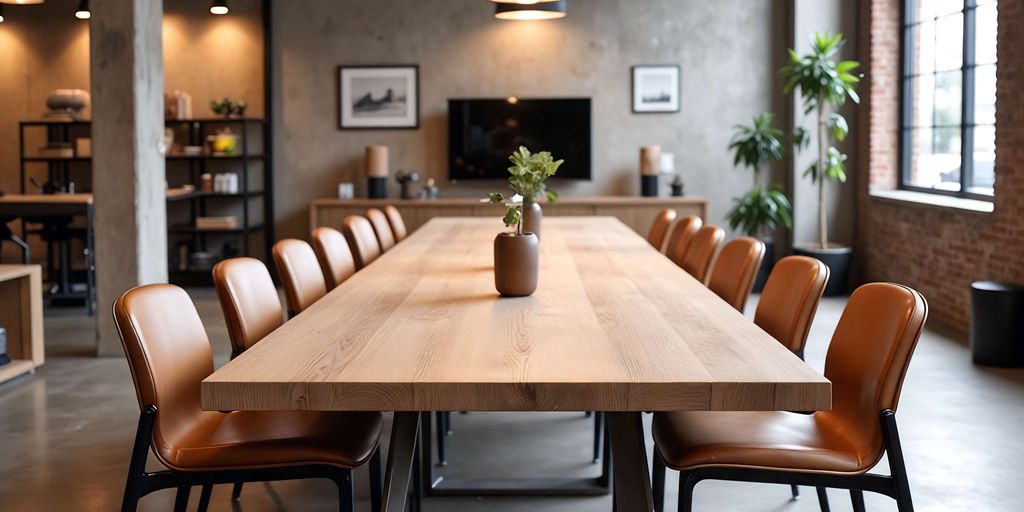
Okay, so you’ve got your commercial furniture all picked out and set up. Awesome! But here’s the thing: it’s not a ‘set it and forget it’ kind of deal. You gotta take care of it if you want it to last, especially since it’s getting used a lot. Think of it like this: a little bit of upkeep now can save you a ton of money (and hassle) down the road. Plus, clean and well-maintained furniture just looks better, right? It gives off a good impression to clients and keeps your employees happy. So, let’s talk about how to keep your stuff in tip-top shape.
General Cleaning Tips
First things first, let’s talk about the basics. Regular cleaning is key. I’m talking about wiping down surfaces, vacuuming upholstery, and just generally keeping things tidy. It doesn’t have to be a huge production, but a little bit of effort on a regular basis makes a big difference.
Here’s a quick rundown:
- Dust Regularly: Use a microfiber cloth to dust desks, tables, and shelves at least once a week. This prevents buildup that can scratch surfaces.
- Wipe Spills Immediately: Don’t let spills sit! Use a clean, damp cloth to wipe up any spills as soon as they happen. For tougher stains, use a mild soap solution.
- Vacuum Upholstery: Vacuum chairs and sofas regularly to remove dirt and debris. Use the upholstery attachment to get into those hard-to-reach spots.
Specific Material Care
Okay, so general cleaning is great, but different materials need different kinds of love. You wouldn’t use the same cleaner on a wood table as you would on a fabric chair, right? So, let’s break it down by material.
- Wood: For wood furniture, use a wood cleaner or polish specifically designed for commercial use. Avoid using harsh chemicals or abrasive cleaners, as these can damage the finish. Every few months, consider applying a wood conditioner to keep the wood from drying out.
- Metal: Metal furniture is pretty durable, but it can still get dirty or rusty. Use a metal cleaner to remove dirt and grime. For rust, use a rust remover and then protect the surface with a sealant.
- Upholstery: For fabric upholstery, check the manufacturer’s instructions for cleaning. Some fabrics can be spot-cleaned with a mild soap solution, while others may require professional cleaning. For leather upholstery, use a leather cleaner and conditioner to keep it soft and supple.
- Glass: Glass surfaces are easy to clean with a glass cleaner and a microfiber cloth. Avoid using paper towels, as these can leave streaks.
Preventative Measures
Okay, so cleaning is important, but preventing damage in the first place is even better. Think of it as an investment in the long-term health of your furniture. Here are a few things you can do to keep your furniture looking its best:
- Use Coasters and Placemats: Protect surfaces from scratches and spills by using coasters and placemats.
- Avoid Direct Sunlight: Direct sunlight can fade and damage furniture over time. Use curtains or blinds to protect your furniture from the sun’s rays.
- Regular Inspections: Take some time every few months to inspect your furniture for any signs of damage. Catching problems early can prevent them from becoming bigger (and more expensive) issues.
Taking care of your commercial furniture doesn’t have to be a huge chore. A little bit of regular maintenance can go a long way in keeping your furniture looking great and lasting for years to come. Plus, it shows that you care about your business and your employees, which is always a good thing.
Repairing Damage
Even with the best care, accidents happen. Scratches, dents, and tears are just a part of life, especially in a busy commercial space. But don’t panic! Most minor damage can be repaired without having to replace the entire piece of furniture.
- Scratches: For minor scratches on wood furniture, you can use a scratch repair pen or a furniture marker to conceal the damage. For deeper scratches, you may need to sand the area and apply a new finish.
- Dents: For dents in wood furniture, you can try using a damp cloth and an iron to steam the dent out. Place the damp cloth over the dent and then gently iron the area. The steam will help to raise the wood back to its original shape.
- Tears: For small tears in upholstery, you can use a fabric repair kit to patch the tear. For larger tears, you may need to take the furniture to an upholstery shop for professional repair.
When to Call a Professional
Okay, so sometimes, you just gotta admit defeat and call in the pros. If you’re dealing with major damage, or if you’re just not comfortable doing the repairs yourself, it’s always best to call a professional furniture repair service. They have the tools and expertise to get the job done right, and they can often save you money in the long run by preventing further damage.
- Extensive Damage: If your furniture has suffered extensive damage, such as broken frames or severe water damage, it’s best to call a professional.
- Valuable Pieces: If you have valuable or antique furniture, it’s always best to have it repaired by a professional to avoid damaging it further.
- Warranty Concerns: If your furniture is still under warranty, be sure to check the terms of the warranty before attempting any repairs yourself. DIY repairs may void the warranty.
Remember, taking good care of your commercial furniture is an investment in your business. It keeps your space looking professional, extends the life of your furniture, and saves you money in the long run. So, take a little time to develop a maintenance plan and stick to it. Your furniture (and your wallet) will thank you!
Wrapping It Up
So, there you have it! Picking the right commercial furniture doesn’t have to be a headache. Just keep your space, style, and budget in mind, and you’ll be golden. Remember, it’s all about creating a vibe that makes your team feel good and gets the work done. Don’t rush it—take your time to find pieces that really fit your needs. And hey, if you ever feel stuck, just ask for help! Happy furniture hunting!
Frequently Asked Questions
What is commercial furniture?
Commercial furniture is furniture designed for use in businesses like offices, restaurants, and stores. It is built to be strong and last a long time.
What are the main types of commercial furniture?
The main types of commercial furniture include office furniture, restaurant furniture, and retail furniture. Each type is made to fit specific needs.
How do I choose durable furniture?
Look for furniture made from strong materials that can handle a lot of use. Check for warranties or guarantees that show it is built to last.
Why is style important in commercial furniture?
The style of your furniture can affect how people feel in your space. Good-looking furniture can make a positive impression on customers and employees.
How can I stick to my budget when buying furniture?
Set a clear budget before shopping. Look for sales or discounts and consider buying in bulk to save money.
What care does commercial furniture need?
Regular cleaning and occasional maintenance are important. Follow the manufacturer’s instructions to keep your furniture looking good and lasting longer.