
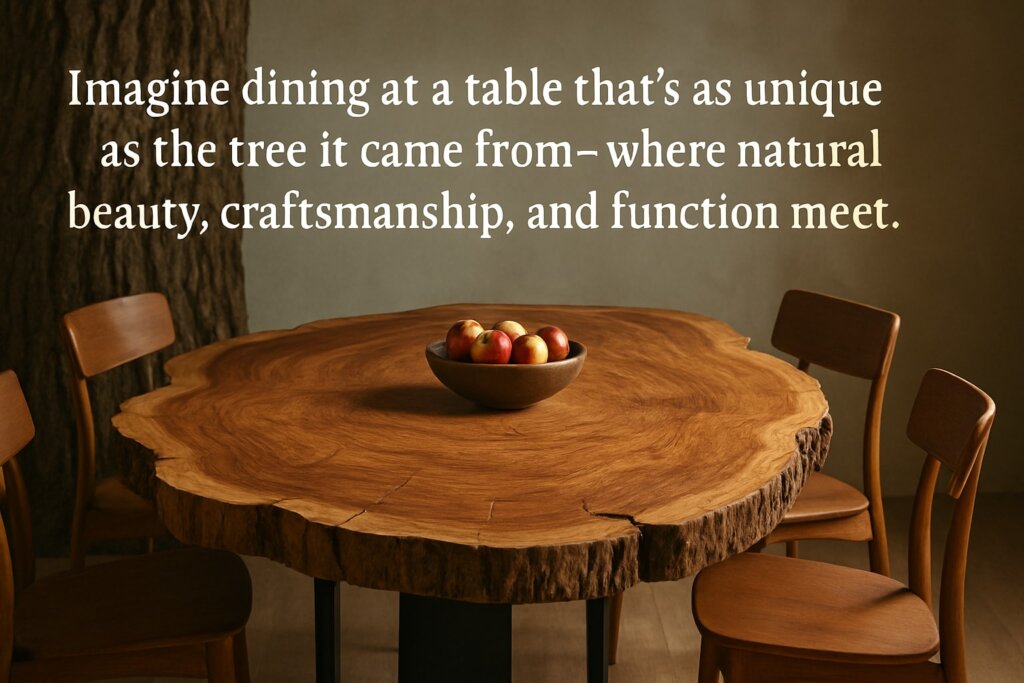
Imagine dining at a table that is as unique as the tree it came from, where natural beauty, skilled craftsmanship, and everyday function all come together. The tree slab dining table has become a sought-after centerpiece, blending organic style with modern needs in homes and businesses alike.
This essential 2026 handbook is your trusted guide, designed to demystify every step of the journey. From choosing the right wood and understanding design options, to navigating the buying process and mastering care, you will gain the confidence to select or commission the perfect table.
Discover what sets each tree slab dining table apart, and see how customization and artistry transform wood into a statement piece. Explore inspiring examples and follow our clear, step-by-step advice to bring timeless natural elegance into your space.
What is a Tree Slab Dining Table?
Imagine walking into a dining room and seeing a table with edges that curve and flow just like the tree it came from. A tree slab dining table instantly stands out, drawing the eye with its natural beauty and organic charm. These tables are more than just furniture—they are a statement of craftsmanship, authenticity, and a deep connection to nature.
Defining Tree Slab Tables
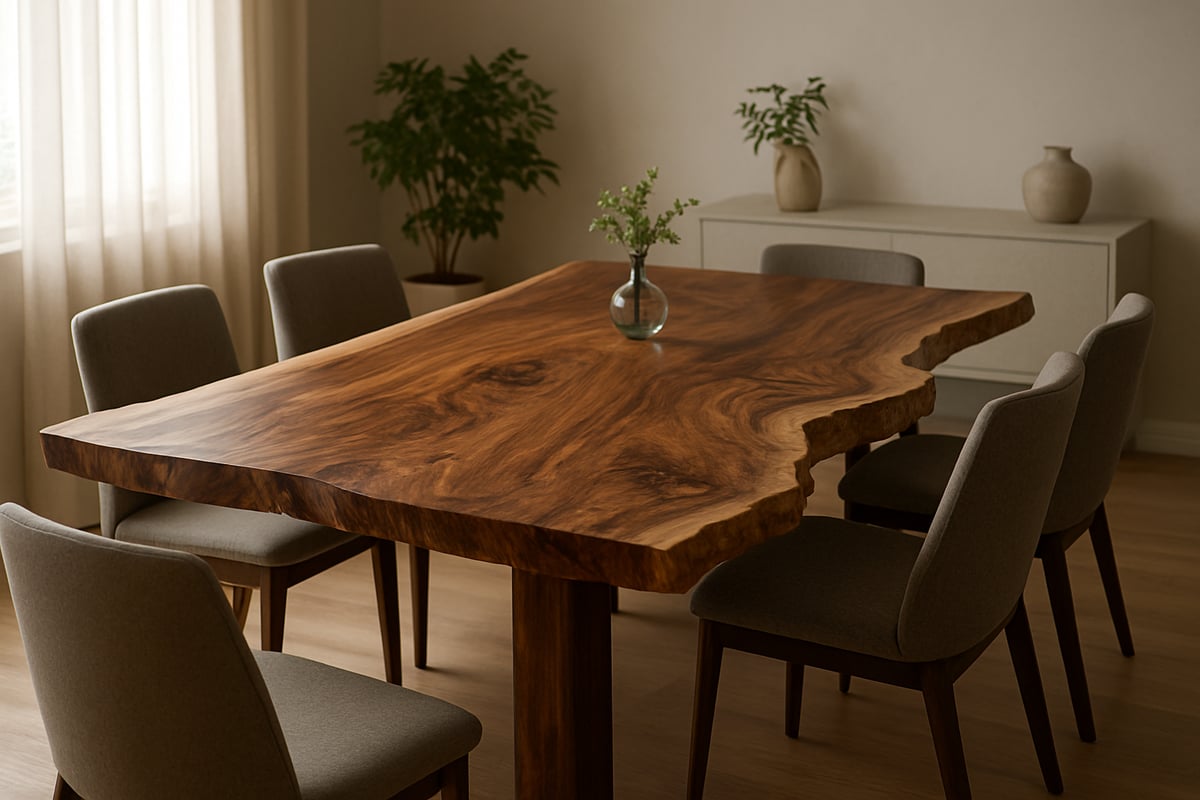
A tree slab dining table is crafted from a single, large cut of wood, typically showcasing the full width of the tree. This approach preserves the natural grain, knots, and unique contours. The most recognizable feature is the edge—either a live edge, which follows the original lines and curves of the trunk, or a straight edge, which is cut cleanly for a more refined look.
Comparison Table:
| Feature | Live Edge | Straight Edge |
|---|---|---|
| Edge Shape | Natural, organic | Clean, uniform |
| Visual Impact | Rustic, unique | Modern, classic |
| Touch of Nature | High | Moderate |
Natural slab tables are made from solid, unjoined pieces of wood, while manufactured versions may use multiple boards glued together or veneers for a similar effect. Authentic tree slab dining tables are valued for their individuality—no two are alike.
Some common misconceptions include the belief that all slab tables are fragile or difficult to care for. In reality, a well-built tree slab dining table is sturdy and designed to last. For those curious about the unique appeal of live edges, the Live edge dining table guide offers a deeper look at this popular style.
Unique Appeal and Benefits
The magic of a tree slab dining table lies in its one-of-a-kind wood grain patterns and natural shapes. Each table tells a story, with rings, color variations, and organic details that add character. This direct connection to nature brings warmth and authenticity to any space, making each meal feel special.
Beyond aesthetics, these tables offer impressive durability. Unlike mass-produced furniture, a tree slab dining table is built from thick, solid wood, providing strength and longevity. Many makers use salvaged or sustainably sourced wood, reducing environmental impact and supporting responsible forestry.
Tree slab dining tables have surged in popularity for custom homes and commercial spaces. In fact, searches for live edge tables have climbed by 40% since 2022, reflecting a growing desire for distinctive, handcrafted pieces. Choosing a tree slab dining table means investing in a centerpiece that blends artistry, function, and eco-conscious values.
Types and Styles
A tree slab dining table can match almost any design vision. Styles range from rustic, with natural finishes and chunky bases, to sleek modern interpretations with minimalist lines. Industrial versions might pair wood slabs with metal bases, while farmhouse styles celebrate simple, handcrafted details.
Customization is key. Owners can select the size, thickness, finish, and base style to fit their space and taste. Some tables feature engraved designs or inlays, while others keep the focus on the wood’s natural beauty.
Real-world examples abound. Picture a cozy family kitchen with a walnut slab table, or a trendy restaurant where guests gather around a dramatic, oversized oak slab. Whether in homes or businesses, these tables transform ordinary dining rooms into extraordinary spaces.
Choosing the Right Wood and Design
Selecting the ideal wood and design for your tree slab dining table is crucial for creating a piece that captures both beauty and function. The right choices will ensure your table becomes a lasting centerpiece, blending seamlessly with your space and lifestyle.
Popular Wood Species for Tree Slab Tables
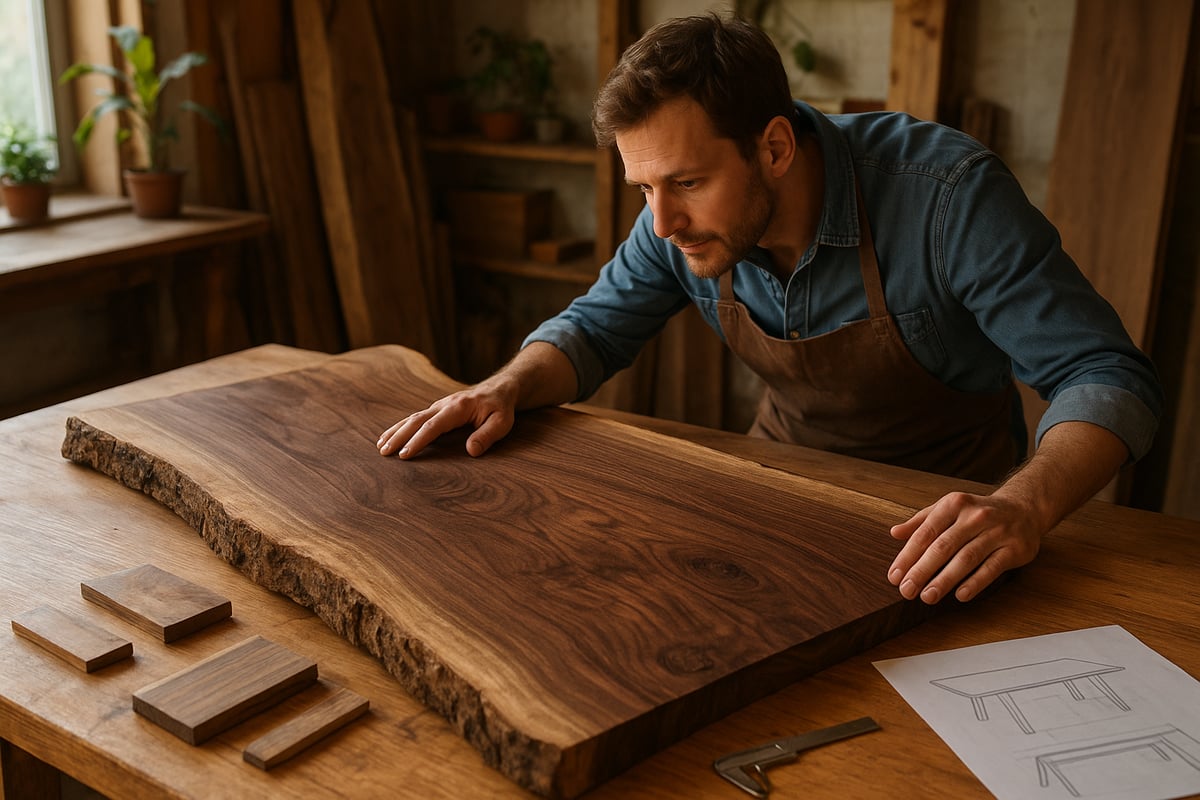
The foundation of every tree slab dining table is the wood itself. Walnut is a top choice for its deep color, striking grain, and premium feel. Maple offers lighter tones that suit both rustic and modern interiors. Oak stands out for its classic appeal and impressive durability. Cherry and ash provide distinct looks, while exotic woods can add rare character.
Responsible sourcing matters as much as appearance. Many buyers now seek slabs from locally harvested or reclaimed trees. When evaluating wood, consider certifications like FSC-certified wood products, which ensure sustainable forestry practices. This commitment not only supports environmental stewardship but also enhances the story behind your table.
| Wood Species | Color/Grain | Durability | Typical Cost |
|---|---|---|---|
| Walnut | Rich, dark, bold | High | $$$$ |
| Maple | Pale, even, subtle | High | $$$ |
| Oak | Warm, textured | Very High | $$$ |
| Cherry | Reddish, smooth | Medium | $$$$ |
| Ash | Light, pronounced | Medium | $$ |
| Exotics | Varied and unique | Varies | $$$$+ |
No matter the species, the wood you choose shapes the personality, resilience, and legacy of your tree slab dining table.
Sizing and Shape Considerations
Sizing your tree slab dining table starts with careful measurement. Assess your room’s dimensions and desired seating capacity. Common slab thicknesses range from 2 to 3 inches, balancing strength and elegance. For most dining rooms, rectangular or oval shapes offer versatile seating, while round and irregular silhouettes create a bold, organic statement.
To ensure the table fits comfortably, leave at least 36 inches of clearance around its perimeter. This allows guests to move chairs and navigate the space easily. Consider the number of diners you regularly host, and whether you want the table to anchor family dinners or accommodate larger gatherings.
Each tree slab dining table is unique, so you may need to adjust expectations based on the available slab size and shape. Custom makers can help you maximize both utility and visual impact.
Edge Styles and Finishes
Edge style is a defining detail on any tree slab dining table. A live edge preserves the natural contours of the tree, highlighting organic lines and texture. Straight edges, on the other hand, provide a cleaner, more formal look. Both options have their place, depending on your preferred aesthetic.
Finishes play an equally vital role. Oil finishes offer a matte, tactile appeal and are easy to refresh but require periodic maintenance. Lacquer and epoxy finishes provide extra protection and a glossier sheen. The finish you select will influence durability, resistance to spills, and how the wood’s color matures over time.
Choose a finish that complements your lifestyle and maintenance preferences. The right combination of edge and finish ensures your tree slab dining table remains both practical and visually stunning.
Table Base Options
The base of your tree slab dining table impacts stability, style, and overall presence. Metal bases, like hairpin or industrial trestle designs, introduce contrast and modern flair. Wood bases can be crafted to match or complement the tabletop, resulting in a harmonious, cohesive look.
Prefabricated bases offer convenience, while custom bases can be tailored to fit unique slab shapes and sizes. Popular styles include waterfall, pedestal, and classic trestle configurations. When selecting a base, consider how it will support the slab’s weight and blend with your existing décor.
A thoughtfully chosen base not only anchors your tree slab dining table but also elevates its design, ensuring it stands the test of time in both form and function.
Customization and Personalization
Personalizing your tree slab dining table transforms it into a true statement piece. Engravings, inlays, and artistic enhancements like epoxy rivers can highlight the slab’s natural features or add a burst of color. Customization options also include selecting unique finishes, specifying dimensions, or choosing bases that fit your space and needs.
For businesses, branding or logo inlays can reinforce identity, while homeowners might opt for family initials or meaningful motifs. The versatility of tree slab dining tables enables them to adapt to both residential and commercial environments, reflecting the personality of the owner.
From subtle details to bold artistic statements, customization ensures your tree slab dining table is one of a kind, perfectly tailored to your vision.
The Buying Process: From Sourcing to Delivery
Choosing a tree slab dining table is a journey that combines artistry, practicality, and personal vision. Understanding each step in the buying process ensures you end up with a centerpiece that reflects your style and stands the test of time.
Where to Buy Tree Slab Dining Tables
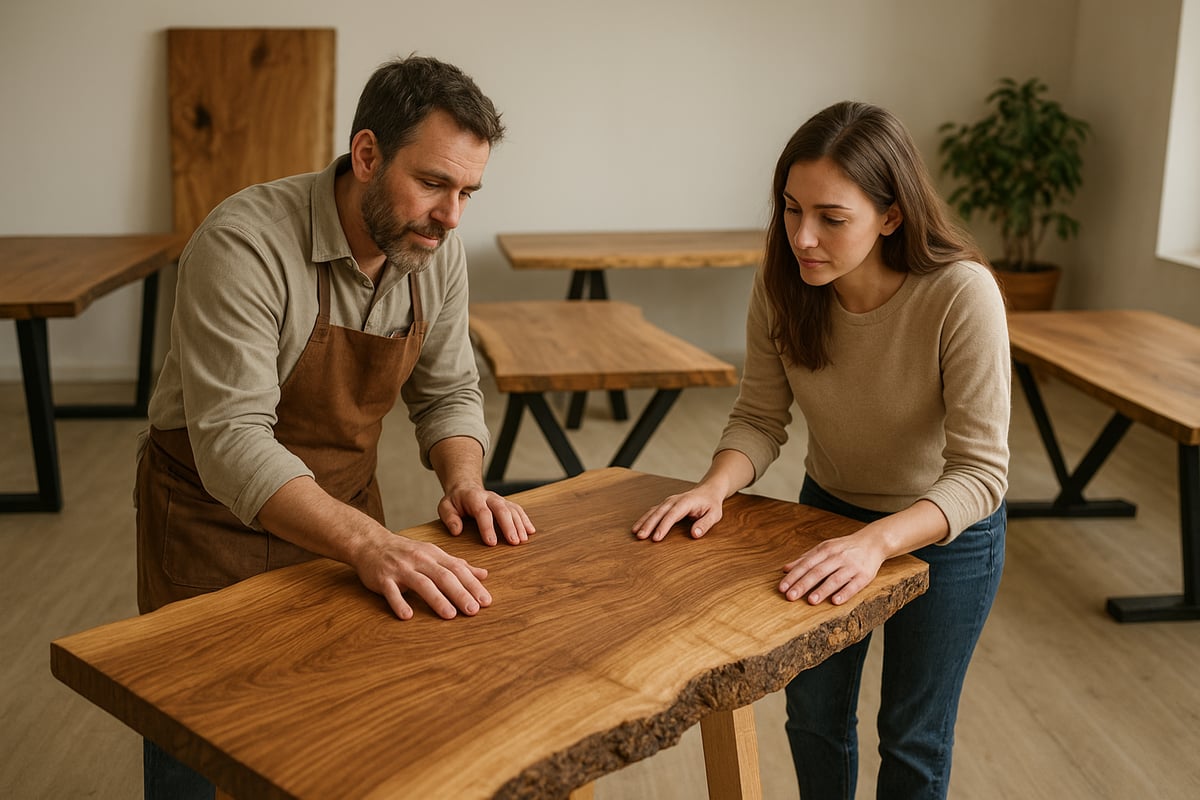
You have several options when sourcing a tree slab dining table. Local artisans and woodworking studios offer personalized service and the chance to handpick your slab. Specialty furniture stores often feature curated selections, while online marketplaces provide broad access to makers nationwide.
Each method has trade-offs. Local artisans allow you to see wood quality firsthand and discuss custom features. Specialty stores balance convenience with expertise, but may have limited inventory. Online retailers offer variety and convenience, yet seeing the table in person before purchase is rare. Whenever possible, visit showrooms or workshops to inspect slabs up close and appreciate the wood’s character.
Evaluating Quality and Craftsmanship
Assessing craftsmanship is vital when investing in a tree slab dining table. Look for solid joinery, smooth finishing, and a stable, flat slab. Confirm that moisture content is properly managed to prevent future warping or cracking.
Ask sellers about wood origin, drying processes, and finishing techniques. Red flags include visible cracks, uneven surfaces, and a lack of clear provenance. For those prioritizing sustainability, explore PEFC certification in furniture to ensure responsible sourcing and environmental stewardship.
Custom Ordering and Working with Makers
Commissioning a custom tree slab dining table involves several steps. Begin with a consultation to discuss your vision, space, and functional needs. The maker will present design options, including slab selection, base style, and finishes.
Once you approve the design, the build process starts. Custom projects typically take 8 to 16 weeks from order to delivery. Throughout, stay in communication to review progress and address any questions. Collaborating with a local craftsman allows for a tailored experience and creative input at every stage.
Pricing and Budget Considerations
The cost of a tree slab dining table varies based on wood species, slab size, base design, and custom features. In 2026, prices range from $2,500 for smaller, standard tables to $8,000 or more for premium live edge pieces.
| Feature | Entry Level ($2,500–$4,000) | Mid-Range ($4,000–$6,000) | Premium ($6,000+) |
|---|---|---|---|
| Size | 6–7 ft | 7–9 ft | 9+ ft |
| Wood Species | Maple, Oak | Walnut, Cherry | Exotic, Rare |
| Base | Simple, Prefab | Custom Metal/Wood | Designer, Artistic |
| Finish | Oil/Matte | Lacquer/Epoxy | Artistic Inlays |
Budget for deposits (often 50%) and review all contract terms before proceeding.
Delivery, Installation, and Nationwide Shipping
Preparing for delivery is key with a tree slab dining table due to its weight and size. Measure doorways and clear pathways to ensure smooth installation. Decide between white glove delivery, which includes in-home setup, or standard freight, which is less costly but requires more effort on your part.
Protect your investment by reviewing insurance and damage policies. If your home is not ready, arrange for temporary storage with the seller. Nationwide shipping is common, but always verify handling procedures for large, delicate items.
Fargo Woodworks: Custom Handcrafted Tree Slab Tables
Fargo Woodworks specializes in handcrafted, made-to-order tree slab dining tables, using locally sourced wood and offering extensive customization for both residential and commercial clients. Their process begins with a design consultation, where you can select dimensions, finishes, and base styles tailored to your needs.
With over 3,000 tables delivered since 2020, Fargo Woodworks is known for quality and reliability. Standard tables start at $2,800, while live edge slabs with artistic enhancements may exceed $7,000. The company’s commitment to sustainable practices and support for local artisans ensures your investment is both beautiful and responsible.
Styling and Integrating Your Tree Slab Table
Imagine the impact a tree slab dining table can have when styled to complement your space. This section explores how to harmonize your table with interior design, optimize placement, and infuse personality with accessories and real-life inspiration.
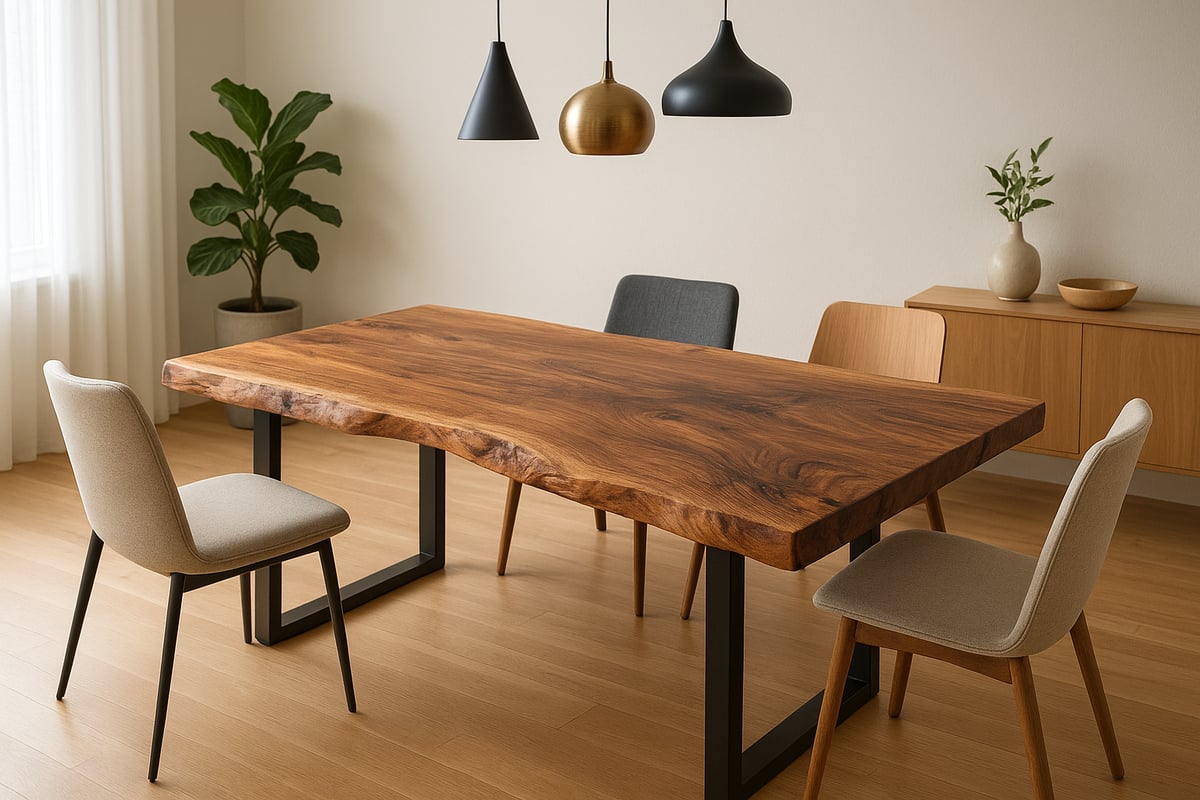
Matching Table Style with Interior Decor
Blending a tree slab dining table with your existing decor requires thoughtful selection of finishes, colors, and furnishings. For a rustic or farmhouse look, pair your table with weathered wood chairs, wrought iron accents, and earthy textiles. In modern or industrial settings, opt for sleek metal bases, minimalist seating, and bold lighting to highlight the table’s organic lines.
Consider the wood grain and tone of your tree slab dining table when choosing complementary materials. Warm woods pair beautifully with neutral palettes, while lighter slabs pop against darker walls or contrasting flooring. Mixing textures like leather, linen, or glass can further elevate the overall aesthetic.
Table Placement and Room Flow
Placement is key to ensuring your tree slab dining table becomes a functional centerpiece. Position the table where it maximizes light—natural or artificial—to accentuate the unique wood grain. In open concept spaces, use the table to define the dining area without restricting movement.
Allow at least 36 inches of clearance around the table for comfortable seating and traffic flow. For commercial spaces, cluster tables strategically to create inviting zones. Round or oval slab tables can soften angular rooms, while rectangular slabs anchor elongated spaces. This approach ensures your tree slab dining table enhances both the style and usability of your room.
Accessorizing and Seasonal Styling
Accessorizing your tree slab dining table lets you showcase its natural beauty year-round. Choose centerpieces that echo the table’s organic feel, like hand-thrown pottery, candles, or fresh greenery. Simple linen runners or placemats frame the grain without overpowering it.
Rotate accessories to reflect seasons and occasions. In spring, use pastel florals and light ceramics. For autumn, incorporate wooden bowls, gourds, or copper accents. Holiday gatherings call for elegant candleholders or festive garlands. These small changes keep your tree slab dining table fresh and inviting for every event.
Real-World Inspiration
Designers and homeowners increasingly feature tree slab dining tables in standout spaces. In a downtown loft, a live edge walnut slab paired with industrial lighting creates a striking modern statement. Farmhouse kitchens come alive with oak slabs and vintage-inspired chairs.
Restaurants and offices use tree slab dining tables to foster warmth and connection, supporting the growing trend for statement wood furniture. According to a 2025 interior design trend survey, 70 percent of designers report more client requests for custom slab tables. Whether in a contemporary condo or a bustling café, these tables bring lasting character and a sense of nature indoors.
Care, Maintenance, and Longevity
A tree slab dining table is more than just a functional surface; it is a living work of art that can last for generations if properly cared for. Attention to routine maintenance and thoughtful placement will help preserve its natural beauty and structural integrity for years to come.
Routine Cleaning and Protection
Daily care for your tree slab dining table is straightforward but essential. Use a soft, damp cloth to remove crumbs and spills. Avoid harsh chemicals or abrasive pads, which can damage the finish.
Place coasters under drinks and use trivets for hot dishes to prevent heat marks or stains. Felt pads beneath decorative items help protect the wood from scratches. For comprehensive guidance, see this detailed guide on caring for handmade furniture.
Long-Term Maintenance
Over time, a tree slab dining table may require re-oiling or refinishing, depending on its surface treatment. Oil finishes should be refreshed every 6 to 12 months, while lacquer or epoxy finishes may need less frequent attention.
Inspect your table regularly for dullness or dryness. If the wood appears thirsty or loses its sheen, apply a suitable wood oil or finish, following the maker’s recommendations. Consistent maintenance preserves the table’s luster and resilience.
Preventing and Repairing Damage
Cracks, splits, or warping can occur if a tree slab dining table is exposed to rapid changes in temperature or humidity. To prevent these issues, keep the table away from direct heat sources and maintain stable indoor conditions.
For minor scratches or dents, you can often buff them out with fine steel wool or touch-up kits. Significant damage, such as deep splits or structural issues, should be addressed by a professional woodworker to ensure longevity.
Environmental Considerations
Proper placement of your tree slab dining table is crucial for its preservation. Avoid positioning it in direct sunlight, as UV rays can fade the wood and finish over time.
Maintain consistent indoor humidity—ideally between 40% and 55%—to prevent the wood from expanding or contracting excessively. Using a humidifier or dehumidifier can help protect the table during seasonal changes.
Ensuring Generational Longevity
With attentive care, a tree slab dining table can become a cherished heirloom, lasting for decades or even centuries. Encourage family members to respect its natural surface, and educate them on simple maintenance routines.
Tables that have been well cared for often remain in use for 50 years or more, retaining both beauty and value. By following these guidelines, you ensure your table stands the test of time and continues to be the centerpiece of your home for generations.
Trends and Innovations in Tree Slab Tables for 2026
The world of the tree slab dining table is evolving rapidly as we approach 2026. This year brings a wave of fresh design ideas, technological breakthroughs, and a continued focus on sustainability. Whether you are seeking inspiration for your next centerpiece or want to stay ahead of the curve, understanding these trends will help you make a confident, informed choice.
Emerging Design Trends
Designers are embracing bold contrasts and rich textures for the tree slab dining table in 2026. Mixed materials take center stage, with metal, glass, and resin being paired alongside traditional wood for dramatic, eye-catching effects. For those drawn to statement pieces, vibrant color treatments and glossy or matte finishes are becoming increasingly popular.
Both minimalist and maximalist styles are thriving. Minimalist tables often highlight the natural edge and grain, while maximalist designs incorporate inlays, epoxy rivers, and striking bases. These trends allow the tree slab dining table to fit seamlessly into a variety of interiors, from modern city lofts to rustic retreats.
Technological Advances
Advancements in woodworking technology are transforming the possibilities for the tree slab dining table. CNC milling machines offer unparalleled precision, allowing for crisp edges, intricate inlays, and innovative shapes that were once impossible by hand. This technology also supports the creation of custom features, such as seamless joinery and artistic motifs.
Sustainable harvesting techniques are progressing as well. New tracking systems ensure that each tree slab dining table can be traced back to its source, providing added confidence for eco-conscious buyers. Certification processes are streamlined, making it easier to verify responsible sourcing and authenticity.
Eco-Friendly and Ethical Sourcing
Sustainability is at the forefront of the 2026 tree slab dining table market. Makers are prioritizing reclaimed and salvaged wood, reducing waste and minimizing environmental impact. Certifications like FSC and local green initiatives are becoming standard, ensuring each table tells a story of responsibility and stewardship.
For a deeper look at how the industry is advancing in this area, the 2024 Wood Furniture Scorecard highlights the progress of leading retailers in sustainable wood sourcing. Choosing a tree slab dining table crafted from ethically sourced material not only protects forests but also adds a layer of meaningful value to your home or business.
Customization and Personalization
Personalization remains a defining trend for the tree slab dining table in 2026. Customers now expect a bespoke experience, from selecting the exact slab to choosing custom finishes, bases, and artistic enhancements. Digital visualization tools allow buyers to preview their table before it is built, streamlining the design process.
Artistic features, such as engraving, inlays, and epoxy rivers, are more accessible than ever. For inspiration, explore epoxy river table creations to see how artisans transform slabs into functional works of art. This level of customization ensures every tree slab dining table is truly one of a kind.
Market Insights and Consumer Preferences
The tree slab dining table sector is experiencing robust growth, with industry reports projecting a 12 percent compound annual growth rate through 2026. Surveys reveal that buyers are drawn to the uniqueness, sustainability, and craftsmanship these tables offer.
Design showcases increasingly feature standout slab tables, reflecting strong demand in both residential and commercial markets. Interior designers note that clients are requesting statement wood tables more than ever before. This surge in popularity cements the tree slab dining table as a lasting trend, blending artistry and function for years to come.
As you explore the world of tree slab dining tables, it becomes clear that the right guidance can make all the difference in finding a piece that truly reflects your style and needs. Whether you are drawn to the natural beauty of local wood, the artistry of live edges, or the opportunity to customize every detail, having an expert by your side is invaluable. If you are ready to bring your vision to life or simply want help navigating options, I encourage you to Get Design Help. Together, we can create a table that is uniquely yours and built to last.