
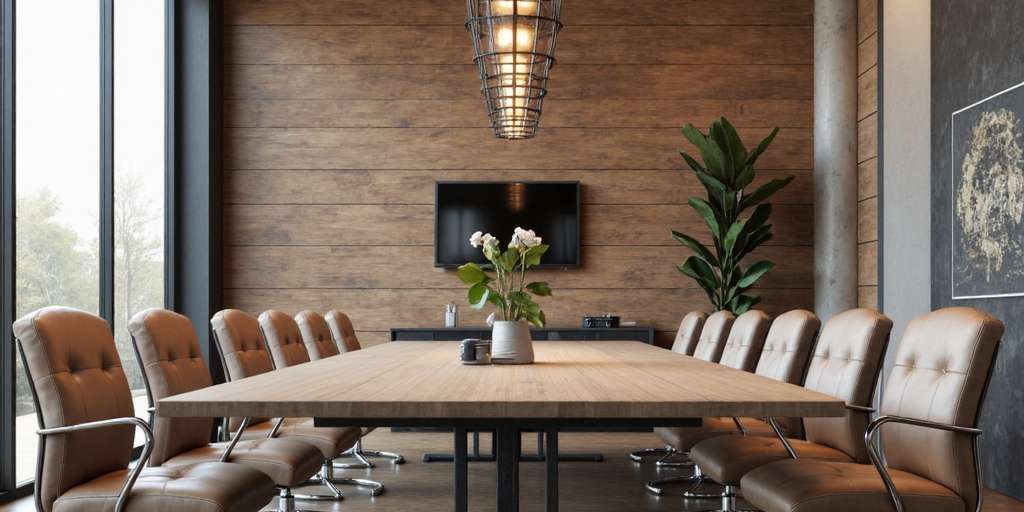
When it comes to setting up a training room, the furniture you choose plays a big role in how effective your sessions will be. It’s not just about filling the space; it’s about creating an environment that promotes learning, collaboration, and productivity. The right training room furniture can make all the difference, helping participants feel comfortable and engaged while they absorb new information. Let’s explore some essential pieces that can transform your training room into a dynamic learning environment.
Key Takeaways
- Invest in ergonomic chairs for comfort during long sessions.
- Use adjustable tables to accommodate different activities and group sizes.
- Incorporate collaborative workstations to encourage teamwork.
- Don’t overlook storage solutions for keeping materials organized.
- Integrate technology effectively to support modern learning styles.
Introduction to Training Room Furniture
So, you’re setting up a training room? Awesome! It’s more than just throwing some chairs and tables into a space. It’s about creating an environment where people can actually learn and collaborate effectively. The right furniture plays a huge role in this. Think of it as setting the stage for productive learning.
When we talk about training room furniture, we’re talking about pieces designed with learning and development in mind. This includes everything from the tables where participants will work to the chairs they’ll be sitting in for hours. And let’s not forget the importance of presentation tools and storage solutions. It’s all connected!
The goal is to transform an ordinary room into a dynamic and engaging learning environment. A well-furnished training room shows that you value your employees’ development and are willing to invest in their success. Plus, a comfortable and functional space can make a big difference in how well participants engage with the material. Let’s get into the essentials you’ll need to consider, starting with flip-top meeting tables for flexible configurations.
Importance of Choosing the Right Furniture
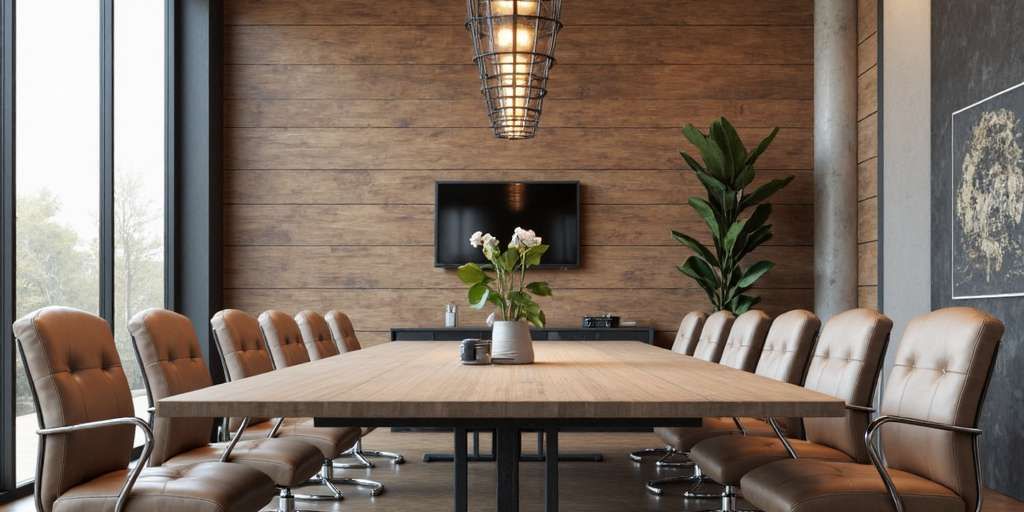
Okay, so you’re setting up a training room. Awesome! But before you just grab any old chairs and tables, let’s talk about why choosing the right furniture actually matters. It’s not just about aesthetics, it’s about creating a space where people can learn, collaborate, and, yeah, even enjoy themselves a little bit. Think of it as setting the stage for success.
1. Ergonomic Training Chairs
Let’s be real, no one wants to sit in an uncomfortable chair for hours on end. It’s distracting, it’s bad for your back, and it just makes people grumpy. Ergonomic chairs are a game-changer. They support good posture, reduce strain, and keep people focused on the training, not on their aching backs. I remember this one time I was at a conference, and the chairs were so awful that half the room was fidgeting the whole time. Don’t let that be your training room!
2. Adjustable Training Tables
One size doesn’t fit all, especially when it comes to tables. Adjustable tables are super versatile because you can change the height to suit different activities and different people. Need a standing desk setup for a brainstorming session? No problem. Prefer a lower table for group work? Easy peasy. Plus, adjustable tables are great for accessibility, ensuring everyone can participate comfortably.
3. Collaborative Workstations
Training isn’t just about listening to someone talk; it’s about getting hands-on and working together. Collaborative workstations are designed to encourage teamwork and communication. Think tables that can be easily reconfigured, with enough space for everyone to spread out their materials and work together without feeling cramped. I’ve seen some really cool setups with built-in power outlets and monitor mounts, which are a huge plus.
4. Whiteboards and Presentation Boards
Okay, this might seem obvious, but you’d be surprised how many training rooms skimp on good whiteboards. A big, clear whiteboard is essential for brainstorming, outlining ideas, and visually explaining concepts. And don’t forget a presentation board for displaying charts, graphs, and other important info. Seriously, a good whiteboard can make or break a training session.
Essential Furniture Pieces for Training Rooms
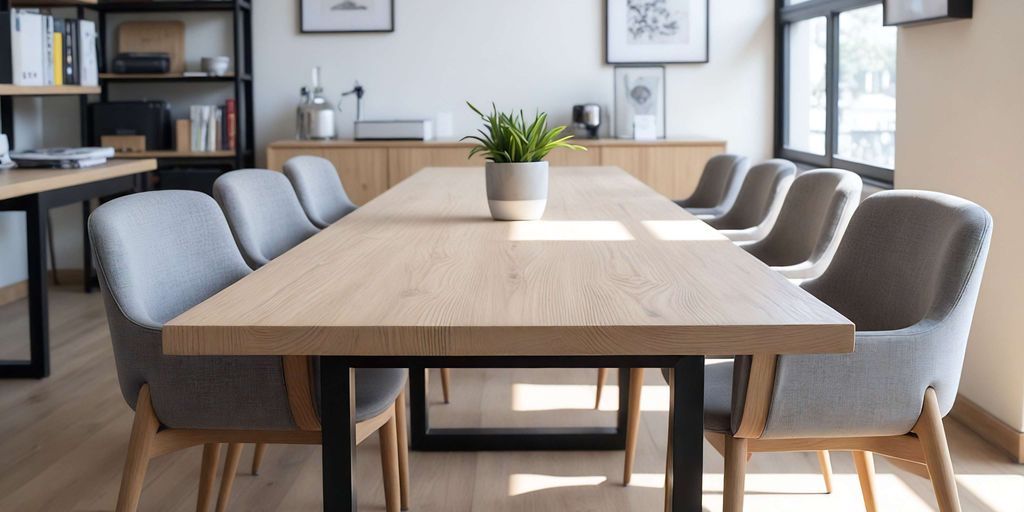
Alright, let’s talk about the real MVPs of any training room – the furniture! You can’t just throw some folding chairs in a room and expect people to soak up knowledge. You need the right tools to create a space that’s both comfortable and conducive to learning. So, what are the must-haves? Let’s break it down.
1. Ergonomic Training Chairs
Comfort is key, people! If your trainees are fidgeting and uncomfortable, they’re not paying attention. Look for chairs with adjustable height, lumbar support, and breathable fabric. Bonus points if they have wheels for easy movement. You want people focused on the training, not on their aching backs. Ergonomic chairs are a must for any office training furniture setup.
2. Adjustable Training Tables
Versatility is the name of the game. You need tables that can adapt to different training formats. Think individual work, group projects, or even a quick snack break. Adjustable height tables are fantastic because they allow people to stand or sit, promoting better posture and engagement. Consider training tables for conference rooms that can be easily reconfigured.
3. Collaborative Workstations
Training isn’t just about lectures; it’s about interaction. Set up areas that encourage teamwork and brainstorming. Think round tables, modular desks, or even comfy lounge areas. The goal is to create a space where people feel comfortable sharing ideas and working together. These are great for collaborative workspace furniture.
4. Whiteboards and Presentation Boards
Old school? Maybe. Effective? Absolutely! Whiteboards are perfect for brainstorming, outlining ideas, and visual explanations. Presentation boards are great for displaying charts, graphs, and other visual aids. Don’t underestimate the power of a good visual aid! Make sure you have enough for everyone to see clearly. These are a must for versatile meeting room tables.
Additional Accessories for Enhanced Productivity
Alright, so you’ve got the basics covered – chairs, tables, and maybe even some snazzy workstations. But what about those extras that can really take your training room from "meh" to "wow"? Let’s talk about some accessories that can seriously boost productivity.
1. Storage Solutions
Okay, nobody likes a cluttered training room. It’s distracting, and it just feels… messy. That’s where smart storage solutions come in. Think about it: filing cabinets, shelves, mobile carts – anything that can keep your materials organized and out of the way. A clean space is a clear mind, right? Plus, having everything within reach means less time wasted searching for that one handout you know you printed. Consider adding some office shelving to keep things tidy.
2. Technology Integration
In today’s world, tech is king (or queen!). Integrating technology seamlessly into your training room is a must. We’re talking about things like:
- High-quality projectors or interactive displays.
- Wireless presentation systems (no more tangled cords!).
- Charging stations for everyone’s devices.
- Good audio systems so everyone can hear clearly.
Having the right tech can make all the difference in keeping your trainees engaged and making sure the information sticks. It’s not just about having the latest gadgets; it’s about using technology to create a more interactive and effective learning experience.
Tips for Arranging Your Training Room
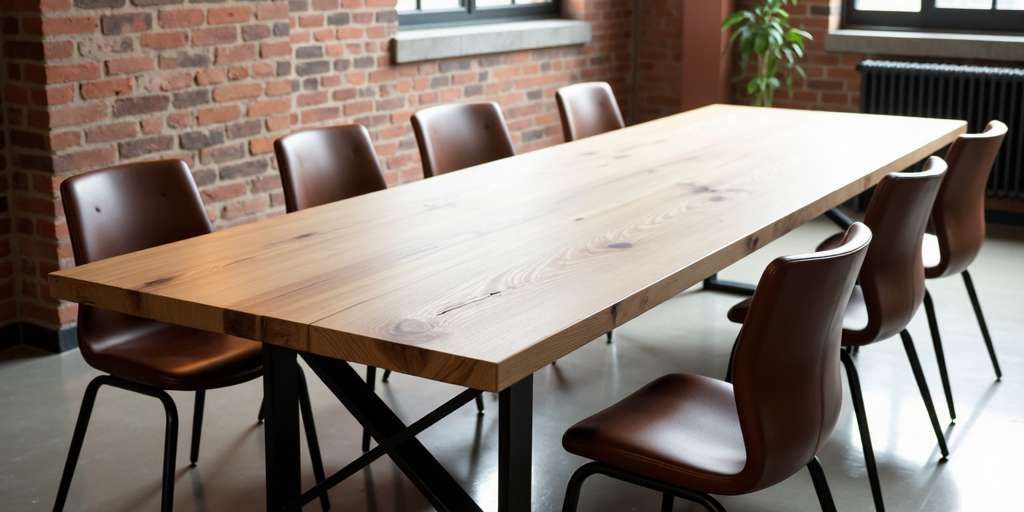
So, you’ve got all the right furniture – awesome! But how do you put it all together? Arranging your training room is more than just shoving tables and chairs in a space. It’s about creating an environment that promotes learning and engagement. Let’s look at some ways to make the most of your training space.
1. Match the Layout to Your Purpose
Different training styles call for different setups. Think about what you’ll be doing most often in the room. Is it lectures? Group work? A mix of both? Here are a few common layouts to consider:
- Classroom Style: Rows of tables and chairs facing the front. Great for lectures and presentations.
- U-Shape: Tables arranged in a U-shape, open in the middle. Good for discussions and presentations where you want interaction.
- Theater Style: Just chairs, no tables. Best for large presentations or events where note-taking isn’t the main focus.
2. Design for a Varied Number of Occupants
Think about the biggest and smallest groups you’ll have in the room. You want to be able to accommodate everyone comfortably without the space feeling too empty when it’s just a few people.
- Consider foldable or stackable chairs for easy storage when you need more space.
- Modular tables can be reconfigured to suit different group sizes.
- Make sure there’s enough room for people to move around comfortably, even when the room is full.
3. Make Sure Occupants Can See and Hear
This one seems obvious, but it’s super important! No one wants to strain their neck or squint to see the presentation. And mumbling speakers are a surefire way to lose everyone’s attention.
- Position the screen or whiteboard so everyone has a clear view.
- Check the acoustics of the room. Add soft materials like curtains or rugs to absorb sound and reduce echoes.
- If you’re using a projector, make sure the room can be darkened enough to see the image clearly. Think about investing in commercial furniture that supports technology integration.
Don’t forget about accessibility! Make sure there’s enough space for people using wheelchairs or other mobility devices to move around easily. Consider adjustable-height tables to accommodate different needs.
Conclusion: Creating an Effective Training Environment
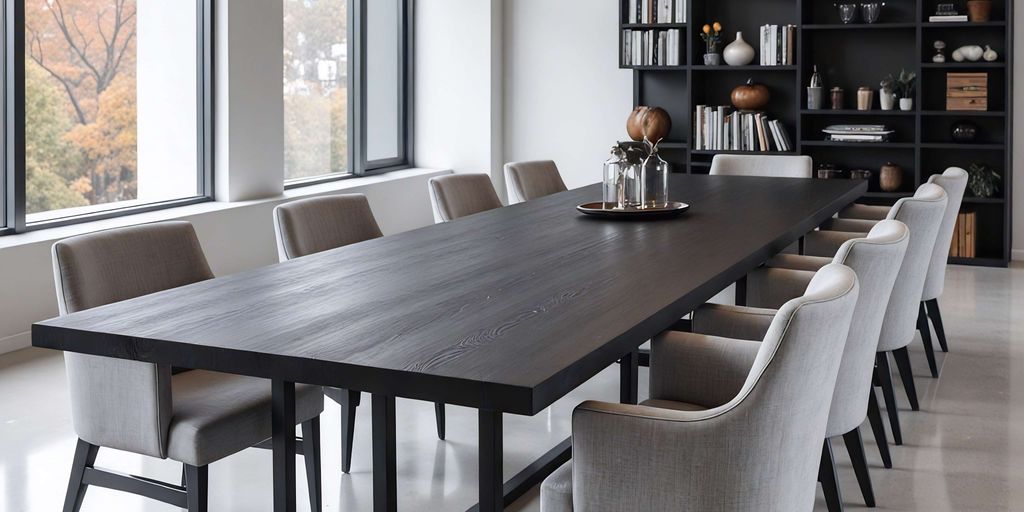
So, we’ve journeyed through the world of training room furniture, from the importance of ergonomic chairs to the necessity of adaptable tables. It’s more than just throwing some desks and chairs into a room; it’s about crafting a space that inspires and supports learning. Think of it as setting the stage for a performance – the furniture is your set design, and the learners are your actors.
The ultimate goal is to create a training environment where participants feel comfortable, engaged, and ready to absorb new information. A well-designed room minimizes distractions and maximizes focus, leading to better learning outcomes.
Consider these points when finalizing your training room setup:
- Flexibility is key: Can the room adapt to different training styles and group sizes?
- Comfort matters: Are the chairs comfortable enough for extended periods of sitting?
- Technology integration: Is the room equipped to handle presentations and interactive sessions?
By carefully considering these factors, you can transform your training room into a hub of productivity and growth. Don’t forget to explore board room table options to enhance your meeting spaces as well!
Wrapping It Up
So there you have it! Setting up a training room isn’t just about throwing in some tables and chairs. It’s about creating a space that really works for everyone involved. Think about comfort, flexibility, and how to keep things organized. The right furniture can make all the difference in how well your team learns and collaborates. Whether you’re going for a sleek modern look or something more cozy, just remember to keep your goals in mind. With the right pieces, you can turn any room into a productive hub for learning. Ready to get started? Let’s make your training room the best it can be!
Frequently Asked Questions
What type of furniture is best for a training room?
The best furniture for a training room includes ergonomic chairs, adjustable tables, and collaborative workstations that support group activities.
Why is ergonomic furniture important in training rooms?
Ergonomic furniture helps keep participants comfortable and focused, reducing the risk of strain during long training sessions.
How can I arrange my training room for maximum productivity?
Arrange your training room to encourage collaboration, with tables in U-shapes or clusters, and make sure there’s enough space for movement and access to technology.
What are some essential accessories for a training room?
Essential accessories include storage solutions for materials and technology integration like power outlets and AV equipment.
How can I improve the aesthetics of my training room?
Choose furniture that matches your brand and creates a positive atmosphere. Use colors and styles that inspire creativity and engagement.
What should I consider when selecting technology for my training room?
Consider equipment like projectors, speakers, and interactive displays that enhance presentations and make learning more engaging.