
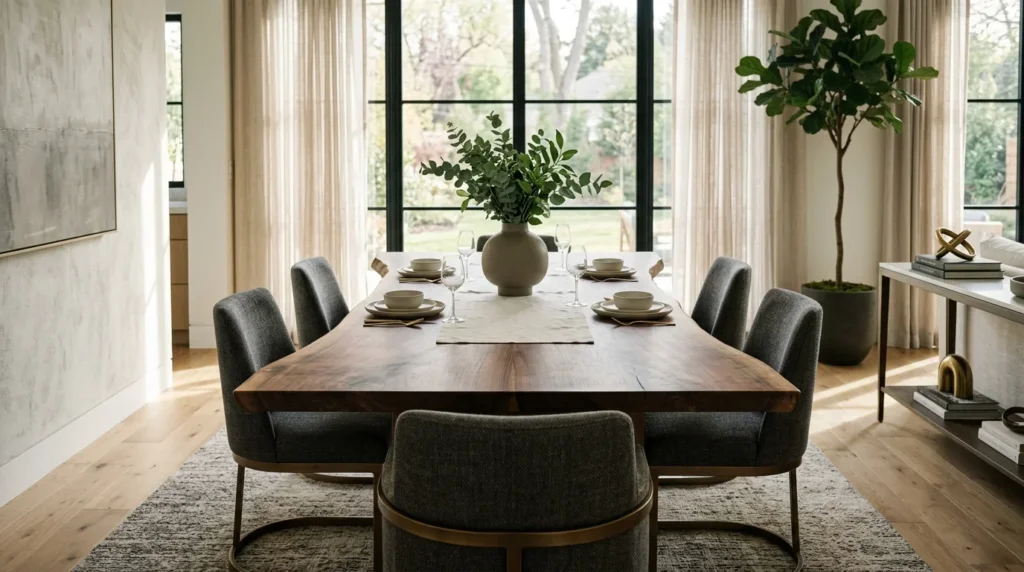
Edge tables are capturing attention as must-have statement pieces in both modern and classic interiors for 2026. The right edge table can instantly transform a room, offering a perfect blend of style and practicality.
This expert guide will equip you with actionable insights to confidently select the ideal edge table for your space. Discover how edge profiles influence not only aesthetics but also safety and comfort for everyday use.
Explore the latest edge styles, innovative materials, and customization options, along with practical criteria for making the best choice. Ready to elevate your home or office? Use this comprehensive guide to find the edge table that truly fits your needs.
Understanding Edge Table Styles: Types and Terminology
Edge tables have become a focal point in both modern and classic interiors, with edge styles playing a defining role in their appeal. An edge table is more than just a surface; its edge profile influences the table's personality, safety, and functionality. Understanding these profiles is essential for selecting the right edge table for your space.
Overview of Edge Profiles
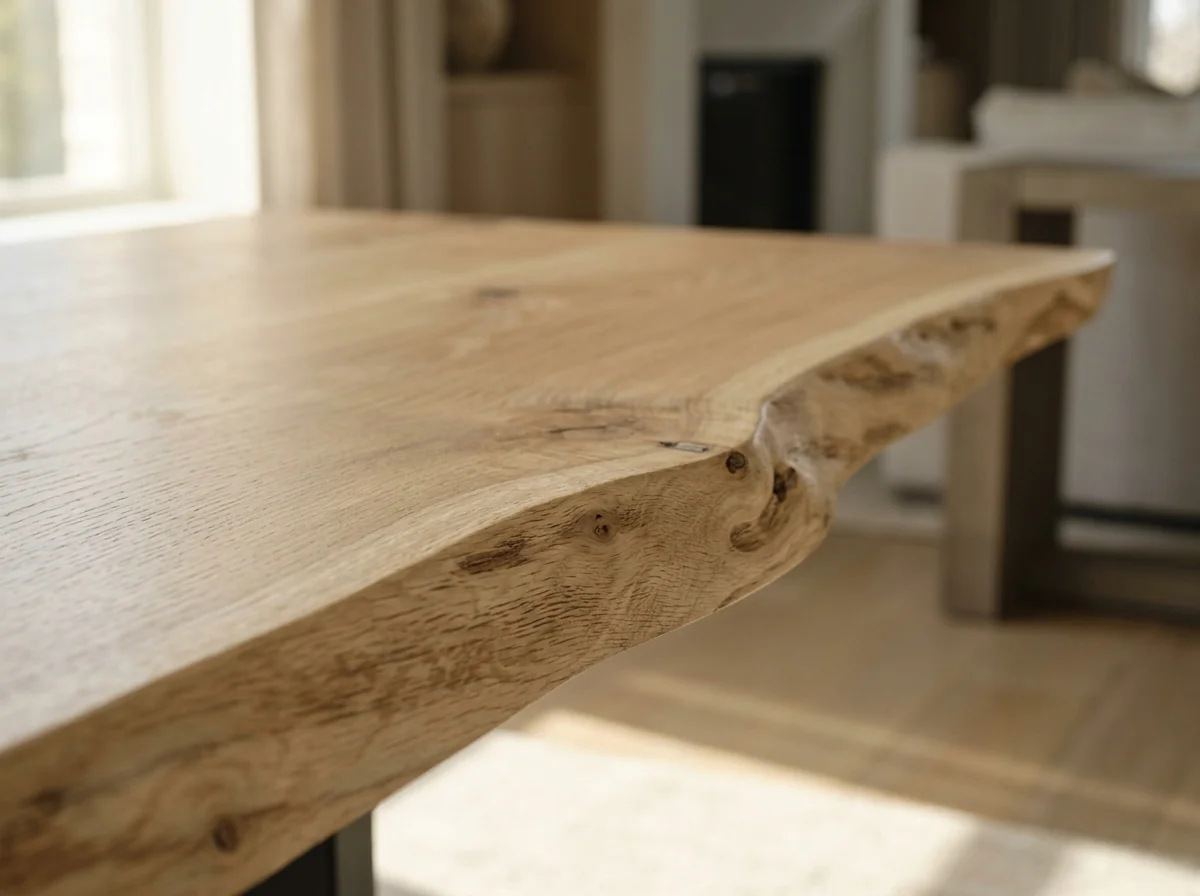
Edge tables are distinguished by their unique edge treatments, which shape the table's character and usability. The most common edge profiles include:
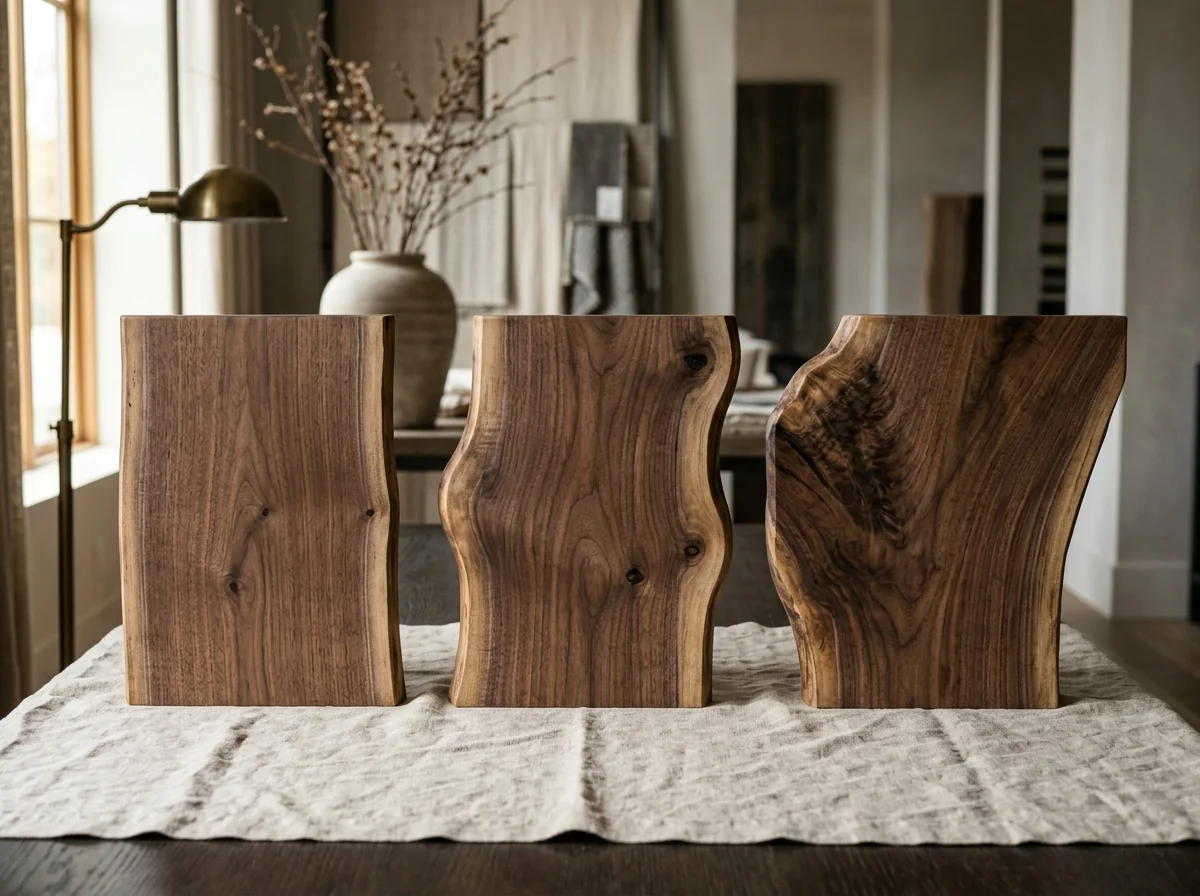
- Live edge: Preserves the natural contour of the wood, offering a raw, organic look.
- Straight (Mission): Features a crisp, angular edge for a clean, minimalist appearance.
- Beveled: Angled cut beneath the tabletop, adding sophistication and visual lightness.
- Bullnose: Fully rounded edge, ideal for safe and comfortable use.
- Roundover: Slightly curved edge, blending softness with structure.
- Ogee: Elegant, S-shaped profile, often found in traditional settings.
- Chamfer: Subtle, angled cut along the edge for a modern touch.
- Inverted: Edge angles inward, creating a floating effect.
- Waterfall: Edge continues seamlessly down the side, forming a continuous slab.
- Hand-hewn: Crafted by hand for a rustic, artisanal finish.
Each edge table style brings distinct visual and functional qualities, shaping both the feel and safety of the piece.
Edge Profile Comparison Table
Below is a comparison of popular edge profiles, highlighting their core attributes:
| Edge Profile | Visual Style | Best For | Safety | Comfort |
|---|---|---|---|---|
| Live Edge | Organic, rustic | Statement pieces | Moderate | Unique |
| Straight | Minimalist, clean | Modern settings | Low | Firm |
| Beveled | Sleek, refined | Elegant dining tables | Moderate | Comfortable |
| Bullnose | Soft, rounded | Family, high-traffic | High | High |
| Roundover | Subtle, smooth | Versatile, classic | High | High |
| Ogee | Ornate, classic | Traditional interiors | Moderate | Comfortable |
| Chamfer | Contemporary, crisp | Modern, office | Moderate | Comfortable |
| Inverted | Floating, modern | Contemporary spaces | Moderate | Unique |
| Waterfall | Seamless, bold | Large tables | Moderate | Unique |
| Hand-hewn | Rustic, artisanal | Farmhouse, vintage | Moderate | Textured |
This table helps you quickly assess which edge table profile aligns with your needs.
The Role of Edge Style in Safety, Functionality, and Comfort
The edge table profile you choose significantly impacts everyday usability. For families or spaces with children, bullnose and roundover edges are safest, minimizing sharp corners. Straight or chamfered edges are preferred in adult or professional environments for their sleek appearance.
Comfort is another factor. Edges like roundover or bullnose make leaning or resting arms pleasant, while live edge profiles provide a unique tactile experience. Durability also varies: rounded and beveled edges resist chipping, while intricate styles like ogee require attentive care.
Maintenance is simpler for straight and inverted edges, which are easy to wipe clean. This makes them ideal for high-use areas, such as kitchens or conference rooms.
Trends and Aesthetic Impact
Edge table styles are evolving, with live edge and waterfall profiles gaining significant popularity for 2026. Live edge tables, in particular, are celebrated for their one-of-a-kind natural beauty and ability to bring organic warmth to interiors. Designers often pair these with metal or epoxy accents for a custom look. For inspiration, you can explore live edge table inspiration and see how these profiles transform spaces.
Traditional styles like ogee and beveled edges remain popular for classic interiors, while minimalist spaces increasingly favor straight or chamfered edges. The choice of edge table not only defines the room’s style but also reflects the user's lifestyle and priorities.
Key Factors to Consider When Choosing an Edge Table
Selecting the right edge table involves more than simply picking a style that looks appealing. To ensure your table enhances your space and meets your daily needs, it is essential to weigh several practical considerations before making a decision.
Room Function and User Needs
The function of the room where your edge table will be placed is a critical starting point. Consider how the table will be used, who will use it, and what demands will be placed on its surface and edges.
For family dining rooms, safety and comfort often take priority. Rounded edge profiles such as bullnose or roundover minimize sharp corners, making them ideal for homes with children. These profiles are also comfortable to lean against during meals or gatherings, which adds to the table’s everyday usability.
In contrast, adult spaces like home offices or formal dining rooms can accommodate more angular or decorative profiles, such as beveled, chamfered, or ogee edges. These styles impart a refined look and can complement sophisticated interiors. However, some profiles may be more susceptible to chipping or denting, especially in high-traffic areas or commercial settings.
Durability is another key factor. Tables in busy environments benefit from edge profiles that resist damage, such as straight or chamfered edges. Maintenance should also be considered, as some edge styles, like inverted or straight edges, are easier to clean and less likely to collect dust or debris.
To make these considerations more practical, here is a comparison table:
| Edge Profile | Best For | Safety Rating | Comfort Level | Maintenance |
|---|---|---|---|---|
| Bullnose | Family Dining | High | High | Easy |
| Beveled | Adult Spaces | Medium | Medium | Easy |
| Live Edge | Rustic Settings | Medium | Medium | Moderate |
| Straight | Minimalist/Office | Low | Medium | Easy |
| Ogee | Formal Dining | Low | Medium | Moderate |
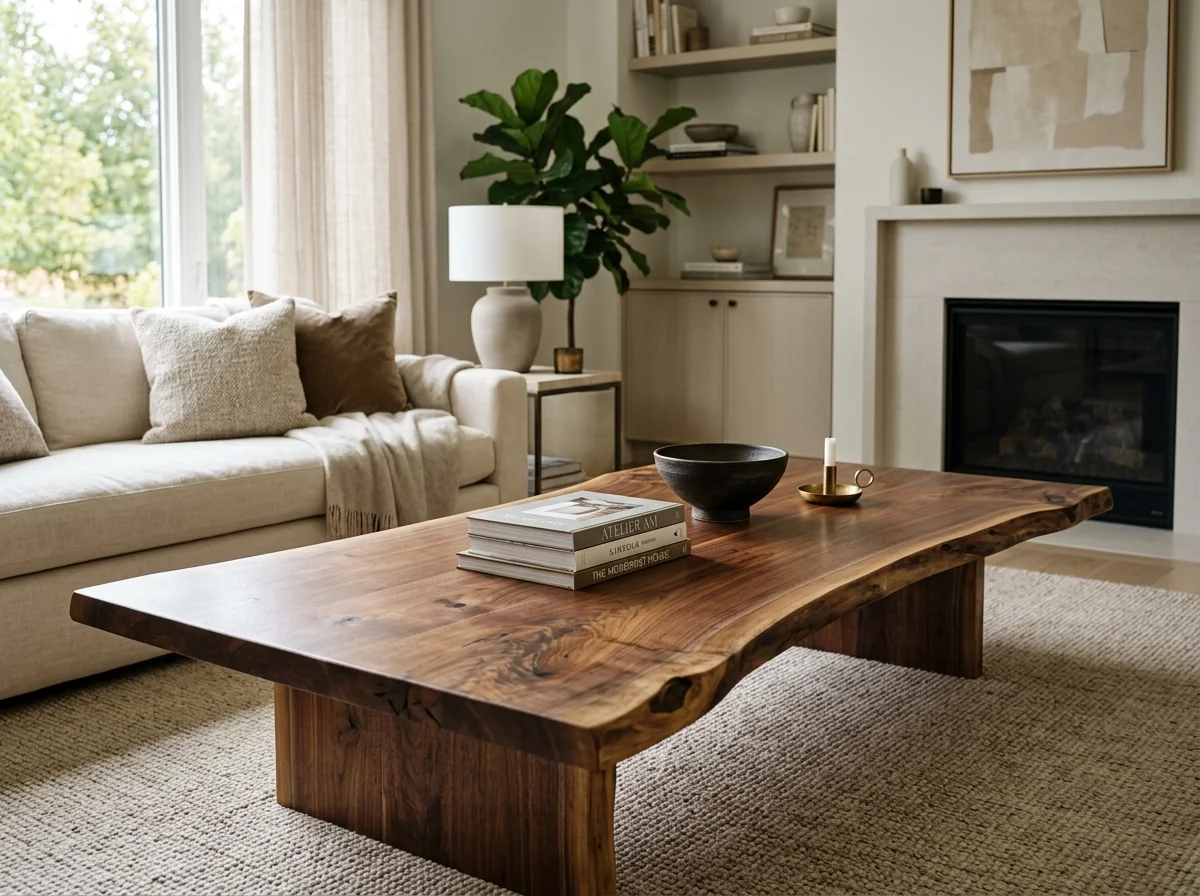
For example, a live edge table brings organic beauty to a rustic dining room, while a bullnose edge table is a top choice for conference rooms where comfort and safety matter. According to competitor data, bullnose and roundover edges consistently receive high safety and functionality ratings for family and public spaces.
When evaluating your needs, balance aesthetics with practical concerns. The ideal edge table will blend style, comfort, and durability for your specific environment. If you are considering a dining table, explore Dining tables with custom edges to see a range of profiles suited for diverse needs.
Table Size, Shape, and Proportions
The size and shape of your edge table play a significant role in determining the most suitable edge profile. Thick slabs, often used for live edge tables, create a sense of solidity and showcase dramatic wood grains. These are especially striking in communal or statement pieces where the edge becomes a focal point.
For thinner table tops, beveled or chamfered edges provide a sleek, contemporary appearance without overwhelming the design. The table’s shape—whether round, rectangular, or oval—should also guide your choice. Rounded tables often pair well with bullnose or roundover edges, enhancing both comfort and visual flow.
Maximizing usable surface area is another important consideration. Straight or chamfered edges allow for more efficient use of the tabletop, especially in tight spaces or work environments. Visual harmony is achieved by matching the thickness and shape of the edge to the scale of the room and other furnishings.
For example, a waterfall edge on a wide, communal table creates a seamless, modern look that draws the eye and anchors an open-plan space. In contrast, a beveled edge on a slender console table adds refinement without bulk.
When choosing an edge table, consider how the edge profile will interact with the table’s dimensions and its placement in your room. Strive for a balance between boldness and subtlety, ensuring the final piece feels integrated and proportionate.
Materials and Craftsmanship: How They Shape Edge Table Styles
Selecting the right materials and craftsmanship is the foundation of any distinctive edge table. The choice of wood or alternative material, combined with skilled execution, determines not only the table’s resilience but also its visual and tactile appeal. As the demand for personalized, statement-making furniture grows in 2026, these factors are more crucial than ever.
Wood Species and Material Choices
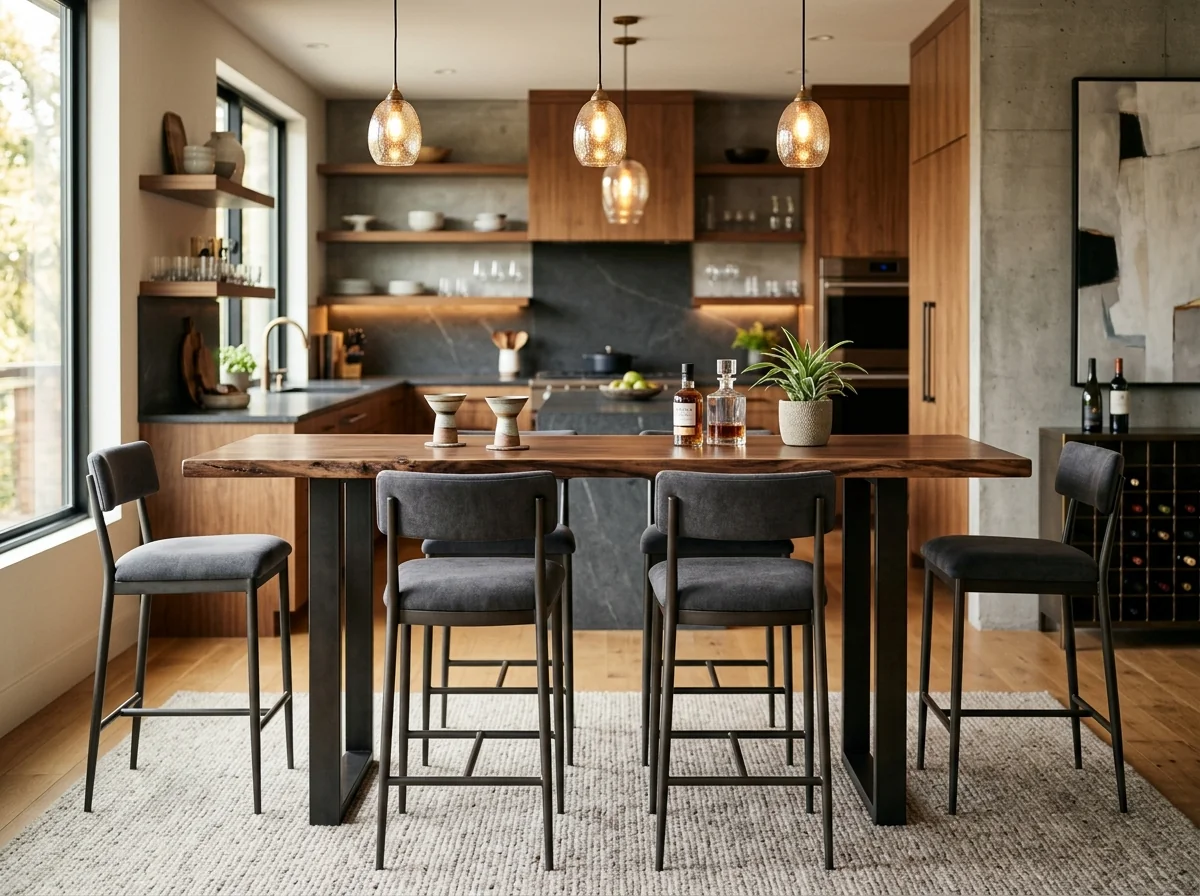
The wood species you select for your edge table will significantly influence both its character and durability. Walnut, oak, maple, ash, and cherry are among the most sought-after options for 2026, each bringing unique grain patterns and color tones that enhance the final look.
Walnut, for example, is prized for its rich, dark hues and dramatic grain—ideal for live edge designs that showcase nature’s artistry. If you are considering a walnut slab, you can explore a variety of walnut wood slab options to find the perfect match for your edge table project. Oak and ash are known for their strength and versatility, while maple and cherry offer subtle, elegant finishes suitable for both modern and classic edge profiles.
Here is a quick comparison of popular woods for edge tables:
| Wood Species | Grain Pattern | Color Range | Best Edge Styles |
|---|---|---|---|
| Walnut | Bold, Curved | Dark Brown | Live Edge, Bullnose |
| Oak | Straight, Open | Light-Medium | Beveled, Chamfer |
| Maple | Smooth, Subtle | Cream-Light | Roundover, Ogee |
| Ash | Prominent, Linear | Pale-Light | Straight, Inverted |
| Cherry | Fine, Even | Reddish-Brown | Ogee, Bullnose |
The grain and color should align with your edge table’s intended style. Dramatic grains enhance live edge or hand-hewn designs, while subtle grains suit minimalist or modern profiles.
In addition to solid wood, alternative materials are gaining popularity in edge table construction. Metal edges add industrial flair and durability, while epoxy inlays create striking color contrasts and protect natural contours. Mixed-media tables, combining wood and metal, are also on trend for 2026, offering both strength and visual interest.
Bookmatched slabs—where two pieces are mirrored to create a symmetrical live edge—are another sophisticated choice. This technique amplifies the natural beauty of the wood and is especially popular for dining and conference tables.
Craftsmanship and Customization
The artistry behind an edge table is just as important as the material itself. Skilled craftsmanship ensures that intricate edge profiles, such as ogee or hand-hewn, are executed with precision and care.
Customization is a significant trend for 2026. Many clients desire edge tables tailored to their exact preferences, from the thickness of the tabletop to the finish and the edge profile itself. Whether you prefer a bold waterfall edge or a classic bullnose, working with an experienced artisan or manufacturer allows you to create a piece that reflects your style and meets your needs.
Handmade edges, particularly on live edge or hand-hewn tables, offer a unique character that machine-finished pieces cannot match. The subtle irregularities and tactile qualities of a hand-shaped edge table can add warmth and authenticity to any setting. However, machine-finished edges provide consistent results and may be preferable for minimalist or contemporary interiors where uniformity is key.
Durability and long-term appeal are also shaped by craftsmanship. A well-crafted edge table resists daily wear, maintains its finish, and stands as a testament to quality for years to come. Investing in superior craftsmanship not only enhances the table’s beauty but also its value and longevity.
Ultimately, both material selection and craftsmanship work hand in hand to define the style, comfort, and durability of your edge table. Understanding these elements will help you make informed decisions as you design a table that is both functional and visually compelling.
Style Trends and Inspirations for 2026 Edge Tables
Edge table design is evolving rapidly, blending artistic expression with practical innovation. In 2026, new trends are shaping how tables become statement pieces in both homes and commercial settings. Whether your space leans modern or classic, the right edge table style can transform the entire room.
Modern and Minimalist Trends
The modern edge table scene is defined by clean lines and understated elegance. Straight, inverted, and chamfer edges are gaining traction for their ability to create a crisp, architectural look. These profiles work exceptionally well in open-plan spaces, where simplicity and flow are key.
A popular choice is the inverted edge, which gives the illusion of a floating surface. This style is often paired with bold table bases or mixed materials, such as metal or glass. Minimalist interiors benefit from the chamfer edge, offering a subtle yet sophisticated angle that enhances visual interest without overwhelming the space.
Designers are also embracing thin table tops with pronounced edge detailing, adding a contemporary twist to traditional forms. For a deeper dive into how edge profiles are influencing dining environments, see Dining Table Trends 2026, which highlights organic shapes and innovative finishes now in demand.
Edge table choices in minimalist settings are all about maximizing surface area and ensuring seamless integration with other furnishings. The result is a refined, uncluttered aesthetic that feels inviting and current.
Rustic and Organic Styles
Edge table trends in rustic and organic interiors continue to favor authenticity and natural beauty. Live edge tables remain a standout, preserving the unique contours and grain patterns of the wood. Each live edge table is one of a kind, bringing the outdoors in and fostering a connection to nature.
Hand-hewn edges add artisanal character, often featuring subtle tool marks that tell a story of craftsmanship. Many designers are experimenting with mixed media, such as epoxy river inlays or metal accents, to create a custom look that feels both earthy and modern.
A live edge table with visible bark or dramatic curves becomes a focal point in any space. These styles are especially popular in settings where texture and individuality are valued, making every gathering around the table feel special.
Classic and Elegant Profiles
For those drawn to timeless style, classic edge profiles like beveled, bullnose, and ogee remain in demand for 2026. These edges are characterized by gentle curves and refined detailing, lending a sophisticated touch to formal dining rooms and traditional interiors.
A beveled edge table exudes quiet luxury, while a bullnose profile offers comfort and softness that appeals to both families and entertainers. Ogee edges, with their intricate, S-shaped curves, add a touch of old-world charm and craftsmanship.
Layering these ornate edge profiles with rich wood finishes creates a warm, inviting atmosphere. Classic edge table designs are versatile enough to complement antiques or elevate more contemporary pieces, ensuring they never go out of style.
Commercial and Office Applications
Edge table trends in commercial and office environments prioritize durability, safety, and brand identity. Conference tables with bullnose or waterfall edges provide a comfortable surface for extended meetings and foster a professional image.
Straight and chamfered edges are often selected for collaborative workspaces, maximizing usable area while reducing maintenance concerns. Custom finishes and branded inlays are increasingly common, allowing businesses to reflect their identity through furniture choices.
In restaurants and hospitality settings, edge table profiles are chosen for both their aesthetic appeal and their ability to withstand heavy use. The right edge table can enhance the guest experience, balancing style and practicality in high-traffic environments.
Step-by-Step Guide: How to Choose the Perfect Edge Table Style
Selecting the right edge table style is a journey that blends personal taste, practical needs, and current design trends. By following this structured approach, you can confidently find an edge table that elevates your space and meets your requirements.
Step 1: Assess Your Space and Needs
Begin by evaluating the room where your edge table will be placed. Measure the available space, taking note of walkways and how people move through the area. Consider who will use the table most often—adults, children, or clients—and what activities will take place.
For family spaces, prioritize safety and comfort. In business environments, focus on durability and professional style. If you’re furnishing a conference room, think about seating capacity and the impression you want to make on visitors. This foundational step ensures your edge table fits both your space and your daily life.
Step 2: Define Your Style Preferences
Explore various design sources to clarify your style direction. Browse magazines, visit showrooms, and create inspiration boards with edge table images. Decide if you prefer a modern, rustic, classic, or eclectic look.
Take note of elements like table shape, color palette, and surrounding décor. For a modern interior, straight or chamfered edges create a sleek effect, while a live edge table introduces organic character. To stay on trend, review resources like Interior Design Trends 2026 for fresh ideas and to see how soft curves and unique profiles are shaping the future of furniture design.
Step 3: Select the Right Material and Finish
Choosing the right material is crucial for both aesthetics and longevity. Solid hardwoods such as walnut, oak, and maple are popular for edge tables due to their durability and distinctive grain patterns. Softwoods like pine offer a lighter appearance but may be less resistant to dents.
Consider the finish as well—matte, satin, or gloss—since it affects both the look and maintenance needs. For bold grains and dramatic edges, live edge tables made from walnut or ash are especially striking. Use the following table to compare common wood options:
| Wood Species | Durability | Best for Edge Styles |
|---|---|---|
| Walnut | High | Live edge, bullnose |
| Oak | High | Beveled, straight |
| Maple | Medium | Roundover, chamfer |
| Pine | Low | Hand-hewn, rustic |
Step 4: Match Edge Profile to Table Shape and Size
Not all edge profiles suit every table shape or thickness. For round tables, bullnose or roundover edges enhance comfort and visual balance. Rectangular tables benefit from straight, beveled, or even waterfall edges, which create a seamless flow.
Consider the thickness of your tabletop. Thick slabs are ideal for live edge tables, while thinner tops work well with beveled or chamfered profiles. Matching the edge style to the table’s proportions ensures both harmony and usability in your space.
Step 5: Evaluate Safety and Maintenance
Safety should be a top priority, especially in homes with children or high-traffic settings. Rounded profiles like bullnose and roundover help prevent injuries from sharp corners. In contrast, straight or chamfered edges suit adult or formal environments.
Think about maintenance, too. Simpler edge profiles are easier to clean and less prone to collecting dust. Live edge tables may require occasional touch-ups to preserve their natural beauty. Weigh these factors to keep your edge table looking its best with minimal effort.
Step 6: Explore Customization and Craftsmanship Options
Customization allows you to tailor every detail of your edge table, from edge profile to finish. Collaborate with skilled artisans or reputable manufacturers who offer samples or mockups.
Decide on unique touches—such as a hand-hewn edge for rustic charm or a double bevel for modern flair. Handmade edges often provide greater character, while machine-finished profiles deliver consistency. Investing in craftsmanship ensures your edge table stands out and withstands daily use.
Step 7: Finalize Your Decision and Order with Confidence
Review your options carefully. Compare quotes, check material warranties, and read customer reviews. Request detailed drawings or mockups to visualize the final product.
For businesses, consult with suppliers experienced in commercial-grade tables to ensure durability and safety standards are met. When ready, place your order and confirm delivery timelines. With thorough preparation, your new edge table will be a centerpiece that blends style, functionality, and long-term value.
Fargo Woodworks: Handcrafted Edge Tables for Every Style
Fargo Woodworks is your destination for a custom edge table, blending artistry and function for homes and businesses. Every piece is handcrafted in Fargo, ND, using sustainable, locally sourced wood and expert techniques. Clients can select from a variety of edge profiles, wood species, finishes, and sizes to create a signature statement. The collection includes dining tables and Handcrafted conference tables, each designed for durability and style. Design consultations ensure your edge table suits your space perfectly. Discover their portfolio and begin your custom order on their website today.
Expert Tips for Maintaining and Showcasing Your Edge Table
A well-chosen edge table is more than just a piece of furniture. Proper maintenance ensures your investment remains beautiful and functional for years. Showcasing the unique edge profile can set the tone of your room and even boost the table’s value. Let’s explore expert strategies to preserve, protect, style, and increase the longevity of your edge table.
Cleaning and Care for Different Edge Styles
Cleaning methods vary depending on your edge table’s profile. Live edge, beveled, and roundover styles each have their own requirements. For live edge tables, dust regularly with a microfiber cloth and use a mild wood cleaner to avoid damaging the natural contours. Beveled and roundover edges should be wiped along the profile to prevent buildup in grooves.
For all edge table finishes, avoid harsh chemicals. Instead, opt for a gentle, pH-neutral solution. If your edge table features intricate hand-hewn details, use a soft brush to reach crevices. For inspiration on maintaining trending live edge profiles and materials, see the insights on Live-Edge Design Trends 2025.
To address minor chips or dents, lightly sand the affected area and reapply a matching finish. Routine cleaning, paired with prompt attention to damage, will keep your edge table looking its best.
Protecting Your Table from Damage
Protection is essential for maintaining any edge table, especially in high-traffic or commercial settings. Always use placemats and coasters to prevent scratches, stains, and heat marks along the edge. Table pads offer added defense for large gatherings or daily use.
Moisture is the enemy of wood. Wipe spills immediately and avoid placing hot items directly on the edge table. For exposed edges, consider applying a water-resistant finish. In restaurants and offices, regular maintenance routines, such as weekly inspections and cleaning, help preserve edge integrity. The importance of durability and edge profile choice in hospitality spaces is highlighted in Restaurant Design Trends 2025.
Rotating table placement occasionally can also prevent uneven wear. These simple habits can significantly extend the lifespan of your edge table.
Styling and Placement Ideas
An edge table can easily become the centerpiece of any room when styled thoughtfully. Position your edge table where natural light highlights its unique profile and craftsmanship. Pair it with chairs that complement the table’s scale and edge detail for a cohesive look.
Use seasonal centerpieces, such as floral arrangements or sculptural decor, to draw attention to the edge table’s design. Table runners or minimalist accessories can accentuate the profile without overwhelming the surface. For a bold statement, coordinate the table’s finish with accent lighting or wall colors.
In open-plan spaces, a well-placed edge table anchors the room and encourages gathering. Changing decor seasonally keeps the look fresh and allows the edge table’s character to shine.
Long-Term Value and Resale Considerations
High-quality edge table craftsmanship not only enhances daily enjoyment but can also increase long-term value. Document custom features, including wood species, edge profile, and finish, for future appraisals or resale discussions.
Heirloom edge tables with unique profiles or artisanal touches are increasingly sought after by collectors. Keeping records of maintenance and any restoration work boosts buyer confidence. Trends indicate that vintage and custom edge tables hold their value, especially when provenance and care are well established.
Investing in a well-crafted edge table means your piece may become a treasured centerpiece for generations. Protecting, maintaining, and showcasing it ensures both beauty and value endure.
Now that you have a clearer understanding of edge table styles, factors to consider, and the latest trends for 2026, you might still feel uncertain about which edge profile will truly elevate your space. Choosing the right style is about more than just aesthetics—it’s about matching your vision, your needs, and your unique environment. If you’d like expert guidance to bring your ideas to life, you don’t have to navigate this decision alone. Let’s work together to create a piece that’s perfectly tailored for you—start by reaching out for personalized advice with a Get Design Help session.
Trusted by Industry Leaders